
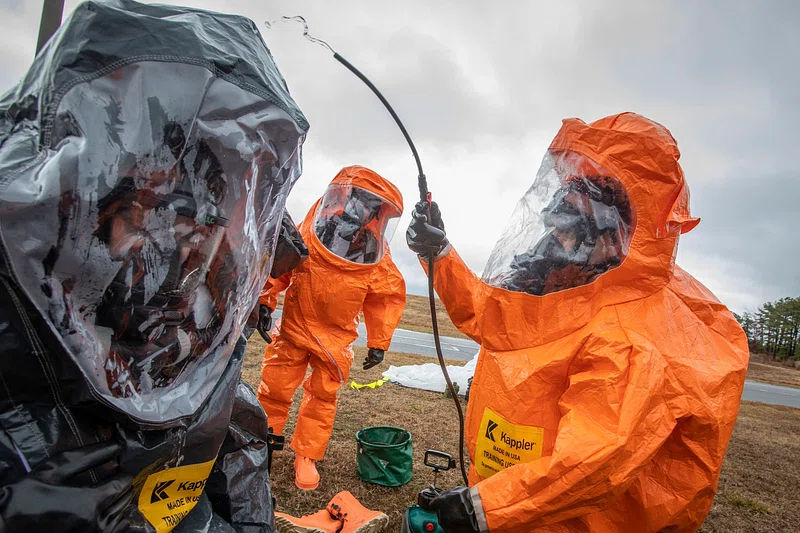
Donning and Doffing Chemical PPE: Step-by-Step for Maximum Safety
The best chemical suit is useless if it’s worn incorrectly or removed carelessly.
Most exposure incidents happen not during the task, but during donning and doffing.
This guide explains how to properly wear and remove chemical protective clothing to ensure full protection.
Why Donning and Doffing Matter
- Cross-contamination during removal is the most common failure point.
- Improper donning can leave gaps, unsealed seams, or exposed areas.
- Poor technique can compromise respirator sealing or glove-sleeve interface.
Preparing the Donning Area
- Designate a clean changing zone.
- Ensure proper lighting and ventilation.
- Lay out all PPE items in correct sequence.
- Use a mirror or assign a trained buddy.
Pre-Wear Suit Inspection
- Check for holes, tears, or seam failure.
- Test zippers and closures for smooth function.
- Confirm correct suit size and chemical rating.
- Verify gloves, boots, and hoods are undamaged.
- Check manufacturing date and expiration if applicable.
Donning Procedure
Step-by-Step Instructions
- Wear moisture-wicking base layer.
- Put on chemical-resistant inner gloves.
- Step into suit legs carefully.
- Pull on upper suit and zip fully.
- Seal zipper flap if present.
- Don respirator or facepiece securely.
- Pull hood over head and respirator straps.
- Don outer gloves over suit sleeves.
- Tape interfaces at wrists, ankles, and hood if required.
- Perform mobility check (reach, squat, turn).
Doffing Procedure
Step-by-Step Instructions
- Decontaminate suit exterior if needed.
- Remove outer gloves by peeling inside-out.
- Unzip suit without touching inner garments.
- Roll hood back carefully.
- Peel suit down from shoulders, turning it inside-out.
- Step out of suit without touching contaminated exterior.
- Remove inner gloves using glove-to-glove technique.
- Dispose of all PPE in hazmat waste.
- Wash hands and exposed skin thoroughly.
Donning and Doffing Summary
Donning Sequence
- Base layer
- Inner gloves
- Suit on
- Zipper sealed
- Respirator
- Hood
- Outer gloves
- Tape seals
- Final check
Doffing Sequence
- Decontaminate (if required)
- Outer gloves off
- Unzip
- Hood off
- Suit off (inside-out)
- Inner gloves off
- Dispose
- Handwashing
Common Mistakes and Their Risks
| Mistake | Risk |
|---|---|
| Hood removed before gloves | Face and neck exposure to contamination |
| No decon before doffing | Residue transferred to skin or garments |
| Touching inner clothing too soon | Chemical contact through underlayers |
| No buddy system | Improper sealing or incomplete removal |
| No hand hygiene after removal | Contaminant spread to clean zones or equipment |
Training Recommendations
- Use printed flowcharts in changing zones.
- Provide hands-on training for new workers.
- Assign PPE buddies for high-risk jobs.
- Conduct drills and refreshers quarterly.
- Include donning and doffing in SOP documents.
Supplier Questions Checklist
- Are donning/doffing instructions provided?
- Are suits compatible with our respirators and gloves?
- Can you supply demo videos or manuals?
- What accessories are recommended for sealing?
- Do suits require a minimum changing area setup?
Conclusion
Proper donning and doffing are critical to chemical PPE performance.
Use controlled environments, follow standardized steps, and train regularly to reduce exposure risks.
Every suit is only as effective as how it is worn and removed.
Email: [email protected]
Website: www.workwearsolutions.net

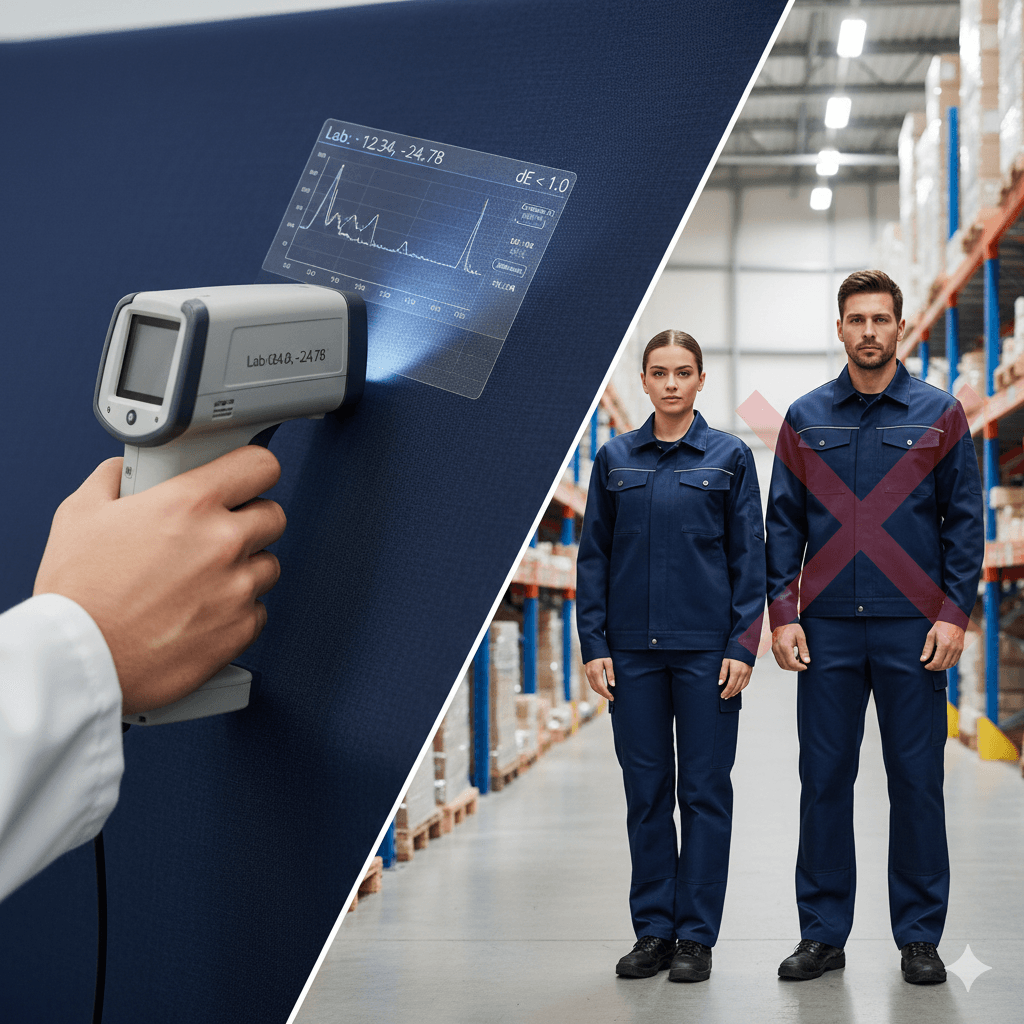 Color Consistency: The Delta-E Standard and the End of the “Clown Suit” Effect2026年2月4日In the corporate world, a uniform is a brand’s […]
 Why Zippers Fail (and How We Prevent It): The Engineering of Closure Reliability2026年2月4日In the hierarchy of industrial garment components, the […]
 The Anatomy of a Seam: Engineering Durability at the Needle Point2026年2月4日In the world of industrial workwear, the fabric gets all […]
 Future Lab PPE Trends: The Convergence of Lightweight Protection & Sustainability2026年1月28日In the sterile corridors of pharmaceutical R&D, biotech […]
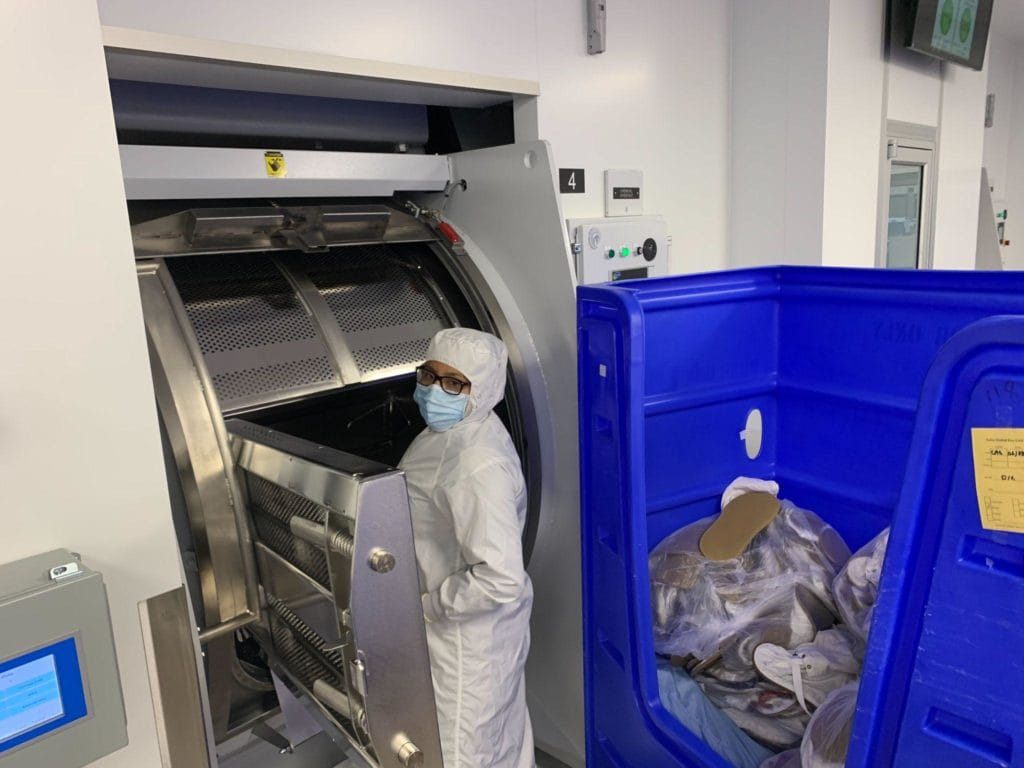 Chemical Protection Classes A/B/C: The Definitive Guide to Risk-Based PPE Selection2026年1月28日In the hazardous materials (HazMat) industry, […]
 Freezer Gloves & Boots Trends: The Intersection of Thermal Physics and Grip Technology2026年1月28日In the unforgiving environment of a -30°C cold storage […]