Common Materials in Chemical Suits: Tychem®, PVC, PE, PTFE, and Beyond
Archived resource. Confirm current standards, supporting test evidence and project applicability before relying on technical or case information.
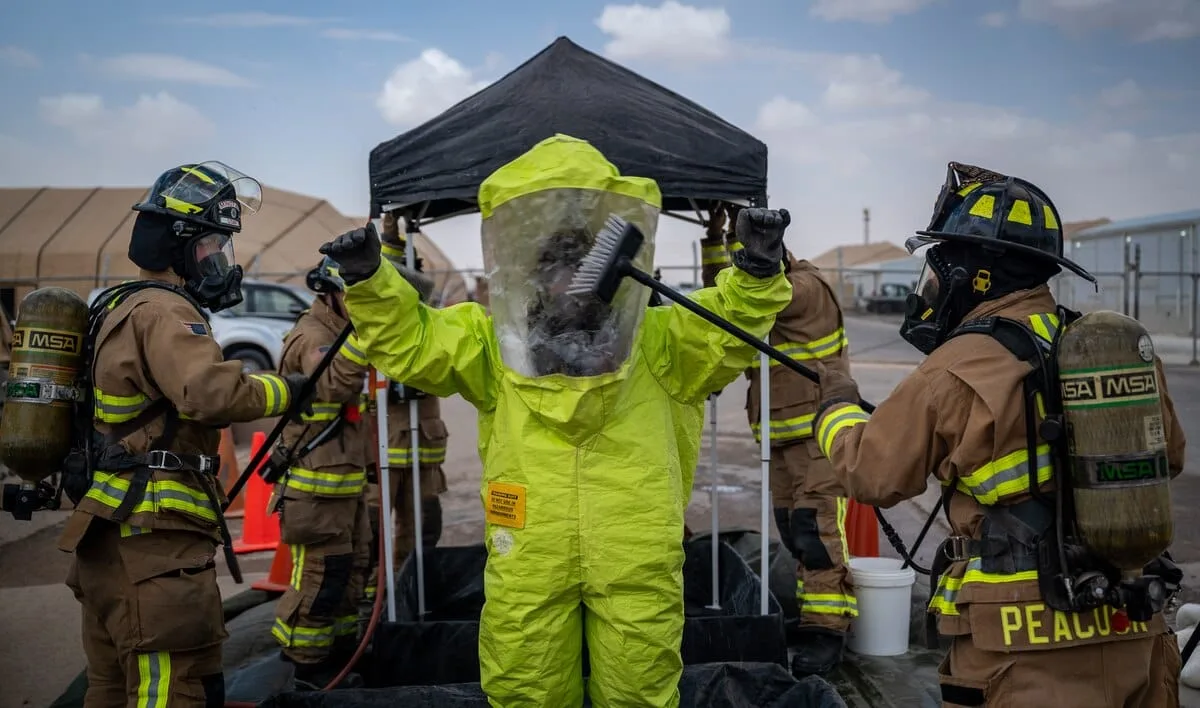
Chemical suits may look similar—but what they’re made of makes all the difference.
Whether it’s Tychem®, PVC, PE, or PTFE, each fabric type offers a different level of protection, durability, breathability, and price.
Picking the wrong material means risking chemical breakthrough, worker discomfort, or unnecessary costs.
Let’s explore the most common materials used in chemical protective clothing—and when to use each.
1. Tychem® by DuPont: The Industry Gold Standard
Tychem® suits are known for their light weight and excellent chemical barrier properties.
Key variants:
| Tychem® Type | Protection Level | Best For |
|---|---|---|
| Tychem® 2000 (CPE) | Light liquid splash (Type 3/4/5) | Pesticides, pharma, maintenance |
| Tychem® 4000 | Moderate protection | Insecticides, paint, acid work |
| Tychem® 6000 | High-level liquid + vapor | Chlorine, ammonia, hazmat |
| Tychem® TK / 9000 | Gas-tight (Type 1a ET) | Emergency response, toxic leaks |
✅ Lightweight, flexible, CE-certified options for nearly all hazard types
❌ More expensive, not ideal for rough mechanical work (tears possible)
2. PVC (Polyvinyl Chloride): The Rugged Workhorse
PVC is a durable, chemical-resistant plastic used for reusable suits.
Features:
- Excellent against acids, bases, and industrial chemicals
- Often coated over polyester or cotton backing
- Common in Type 3 or 4 suits for frequent use
✅ Tough, easy to wipe down, cost-effective for long-term use
❌ Poor breathability, heavier, not suited for hot environments
3. PE (Polyethylene) and PE-Laminates
PE is the base of many disposable chemical suits, especially Type 5/6.
Features:
- Lightweight, cheap, decent splash protection
- Often combined with SMS (spunbond-meltblown-spunbond) fabric
- Laminated PE suits resist particle + light liquid exposure
✅ Great for low-risk tasks, pharma, lab work
❌ Tears easily, not suitable for aggressive chemicals
4. PTFE (Polytetrafluoroethylene) – aka Teflon™
Used in premium chemical suits, PTFE is extremely resistant to permeation.
Features:
- Chemical inertness to acids, solvents, hydrocarbons
- High thermal stability and durability
- Often used in multi-layer or composite suits
✅ Excellent for multi-hazard, long-duration tasks
❌ Expensive, stiff feel unless blended with other fabrics
5. Neoprene, Nitrile, Butyl Rubber
These rubber-based materials are used for specialized suits and accessories (gloves, boots, sleeves).
| Material | Best Against | Notes |
|---|---|---|
| Neoprene | Acids, bases, oils | Flexible, moderate price |
| Butyl | Gases, ketones, esters | Low permeability, gas protection |
| Nitrile | Solvents, fuels | High abrasion resistance |
✅ Often used as layer components or accessories (not full suits)
✅ For high-risk environments where suit & glove integration matters
Quick Comparison Table
| Material | Splash? | Vapor? | Tear Resistance | Breathability | Cost | Reusable? |
|---|---|---|---|---|---|---|
| Tychem® 2000 | ✅ | ❌ | ❌ | ✅ | $$ | ❌ |
| Tychem® 6000 | ✅✅ | ✅ | ✅ | ❌ | $$$ | ⏳ (limited) |
| PVC | ✅✅ | ❌ | ✅✅ | ❌ | $$ | ✅ |
| PE-laminate | ✅ | ❌ | ❌ | ✅ | $ | ❌ |
| PTFE | ✅✅ | ✅✅ | ✅ | ❌ | $$$$ | ✅ |
🧠 Tip: For light tasks, PE is fine. For unknown exposure or hazmat, use Tychem® 6000 or PTFE.
Common Mistakes When Choosing Materials
| Mistake | Why It’s Risky |
|---|---|
| Buying PE suits for acid spray | Likely to fail quickly and expose skin |
| Using PVC in hot environments | Causes overheating, heat stress |
| Assuming all Tychem® suits are equal | Big difference between 2000, 4000, and 6000 |
| Forgetting about seam protection | Material is strong, but seams may leak |
| Mixing gloves/boots with incompatible suits | Weakest link compromises the whole protection system |
What to Ask Your Supplier
- What material is this suit made of?
- Is it certified to EN 14605 / EN 943 / EN 13034?
- What’s the chemical compatibility rating for X substance?
- Is the outer layer laminated or coated?
- How many washes or uses is it rated for?
- Are seams taped, stitched, or welded?
✅ At workwearsolutions, we don’t just sell suits—we explain the materials inside them.
Conclusion
Choosing the right material is the foundation of chemical protection.
As a buyer:
- Match chemical exposure to the fabric type
- Know what you’re getting when you choose Tychem®, PVC, PE, or PTFE
- Always look beyond the price—think performance, compatibility, and real-world risk
Not sure which suit material fits your chemical environment?
Let’s break it down together—one layer at a time.
📩 Contact: [email protected]
🌐 Visit: www.workwearsolutions.net