Storage, Inspection, and Replacement of Chemical Protective Clothing
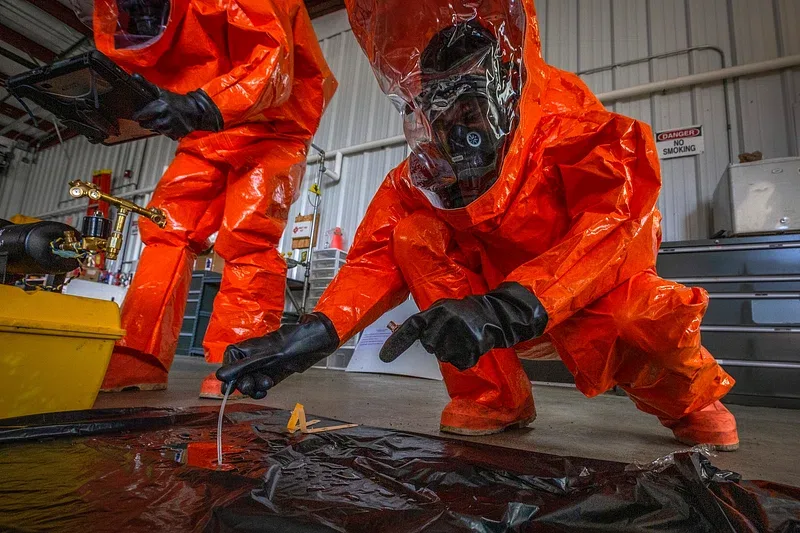
Storage, Inspection, and Replacement of Chemical Protective Clothing
Buying chemical suits is just the beginning—what you do with them after they arrive determines how well they protect.
Improper storage, skipped inspections, and delayed replacements are among the top reasons PPE fails in the field.
This guide shows how to store, inspect, and replace chemical protective clothing for long-term safety and compliance.
Why Storage and Inspection Matter
Even unused suits can degrade due to:
- Heat and humidity
- UV light exposure
- Folding and compression damage
- Chemical residue from previous use
Improper storage or skipped checks turn certified gear into false protection.
Best Practices for Storage
✅ Proper Storage Conditions
- Temperature: 15–25°C (59–77°F)
- Humidity: ≤60% RH
- Lighting: No direct sunlight
- Air: Dry, well-ventilated, dust-free
- Positioning: Hang or store flat (no tight folding)
- Packaging: Keep unused suits in sealed bags or original boxes
🛑 Avoid These Conditions
- Nearby chemicals, solvents, or gases
- Direct contact with machinery or tools
- High temperatures or near heat sources
- Outdoor storage or unventilated rooms
Daily / Pre-Use Inspection Checklist
🔍 Check Before Every Use
- Visual Damage: Holes, tears, abrasions
- Zippers/Closures: Smooth, not corroded
- Seams & Tape: No peeling, splitting, or weakness
- Integrated Boots/Gloves: Flexible, no cracking
- Labels: Legible date codes and size info
- Smell: Strange odors may indicate chemical degradation
If any item fails inspection, do not use the suit. Replace it.
When to Replace a Chemical Suit
| Condition | Action |
|---|---|
| Rips, punctures, or worn-out areas | ❌ Dispose immediately |
| Contaminated with unknown substances | ❌ Treat as hazardous |
| Over manufacturer shelf life | ⛔ Remove from use |
| Zipper or seal failure | ❌ Cannot be repaired |
| Reached max wear count (reusables) | ⏳ Replace per guideline |
| After cleaning (disposables) | ❌ Single-use only |
📌 Disposable suits = one-time use
🔄 Reusable suits = tracked, washed, and replaced when necessary
Tracking Suit Usage
📋 Suggested Tracking Log
- Suit ID / Batch Number
- User Name
- Date of First Use
- Number of Uses
- Chemical Exposure (Type / Level)
- Cleaning / Decon Record
- Next Inspection Date
- Replacement Status
Tip: Use Excel or a QR-scanned digital system for larger teams.
Cleaning and Repacking (For Reusables)
🧼 Cleaning Guidelines
- Follow manufacturer’s decon method (wipe, wash, chemical neutralization)
- Dry completely—inside and out
- Inspect before repacking
- Never fold while still damp
- Store again in clean, labeled container
⚠️ Only trained staff should handle contaminated suits.
What to Ask Your Supplier
- What is the shelf life of this product?
- How many uses or cleanings is it rated for?
- Can you provide a maintenance manual or SOP?
- Are there replacement parts (hoods, gloves)?
- What’s the best storage method for this suit?
💡 At workwearsolutions, we provide full usage guides and support—not just the suit.
Conclusion
Chemical suits don’t last forever—even if unused.
Their real protection depends on how you store them, inspect them, and decide when to retire them.
✅ Remember:
- Set up proper storage zones
- Run a regular inspection checklist
- Use logs to track suit lifecycle
- Replace suits before they fail—not after
Chemical PPE is an investment. Proper management protects both people and profits.
📩 Email: [email protected]
🌐 Website: www.workwearsolutions.net