Chemical Suit Compatibility: Questions to Ask Before Selection
A chemical suit label is not a complete compatibility assessment. Review the exact garment, chemical exposure and manufacturer evidence with the person responsible for workplace safety.
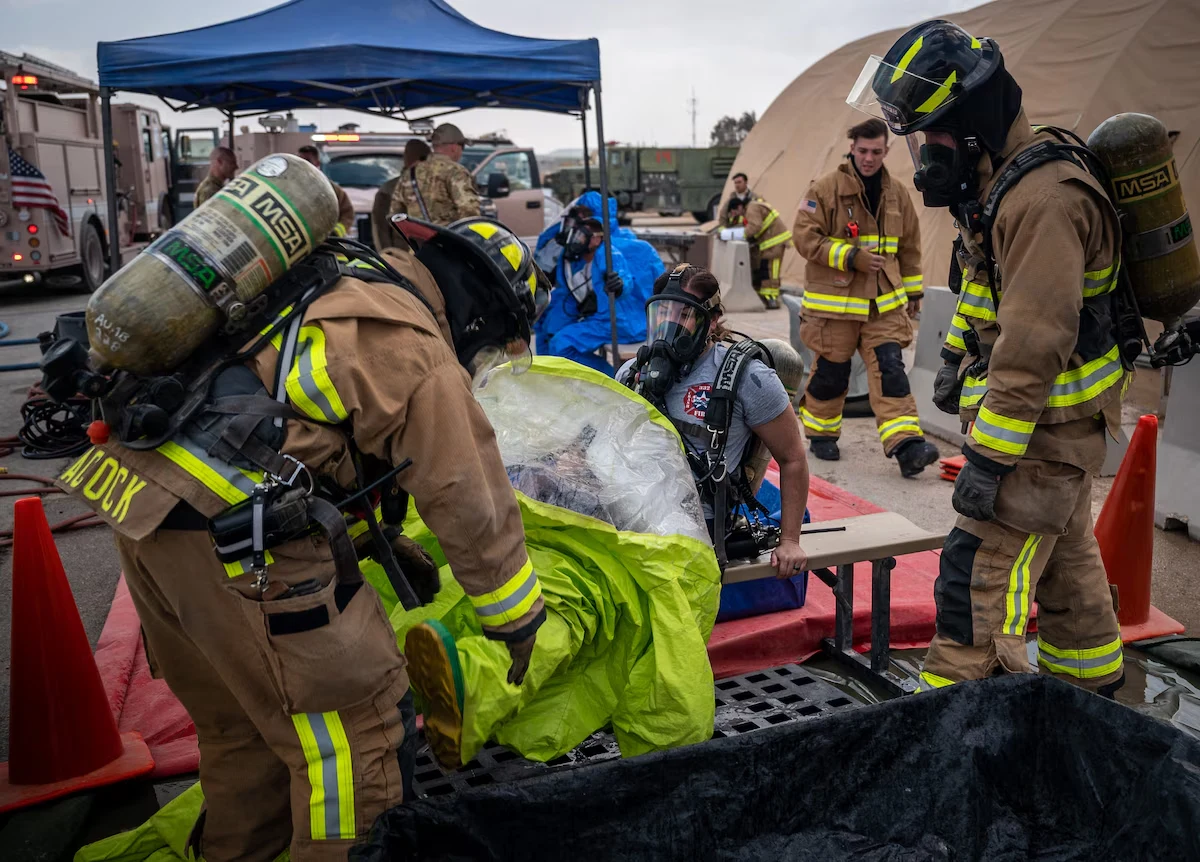
Start with the exposure description
Prepare the chemical name or CAS number, concentration, physical state, temperature, possible mixtures, contact pattern and task duration. Include the safety data sheet. An incomplete description can lead to a comparison against the wrong test conditions.
Request the relevant test data
Ask the manufacturer for data covering the exact material and chemical, the test method and conditions, and the garment components relevant to exposure. Fabric results alone do not describe every seam, closure or interface. DuPont explains that mixture behaviour can differ from individual chemicals and that test conditions matter. Read DuPont's permeation-data limitations.
Do not convert breakthrough time into a wear schedule
Laboratory breakthrough time is not safe wear time. A workplace assessment must also consider toxicity, contamination, work conditions and the way the garment is used. This article does not provide a replacement schedule or certify a suit for a chemical.
A useful supplier request
- Identify the exact garment model, material, seams and closures.
- Describe the exposure and request the matching manufacturer data.
- Ask which conditions or mixtures the available evidence does not cover.
- Obtain use, removal, cleaning or disposal instructions appropriate to the product.
- Have the responsible safety professional assess suitability before use.
There is no universal letter rating or material-to-chemical table on this page. Results must be interpreted using the particular manufacturer's method and documentation.
Workwear project enquiries
Workwear Solutions develops made-to-order garments. A garment reference or general manufacturing capability does not establish chemical protection. Share your required specification and supporting-document needs when discussing project feasibility.