Disposable vs Reusable Chemical Suits: Which Should You Choose?
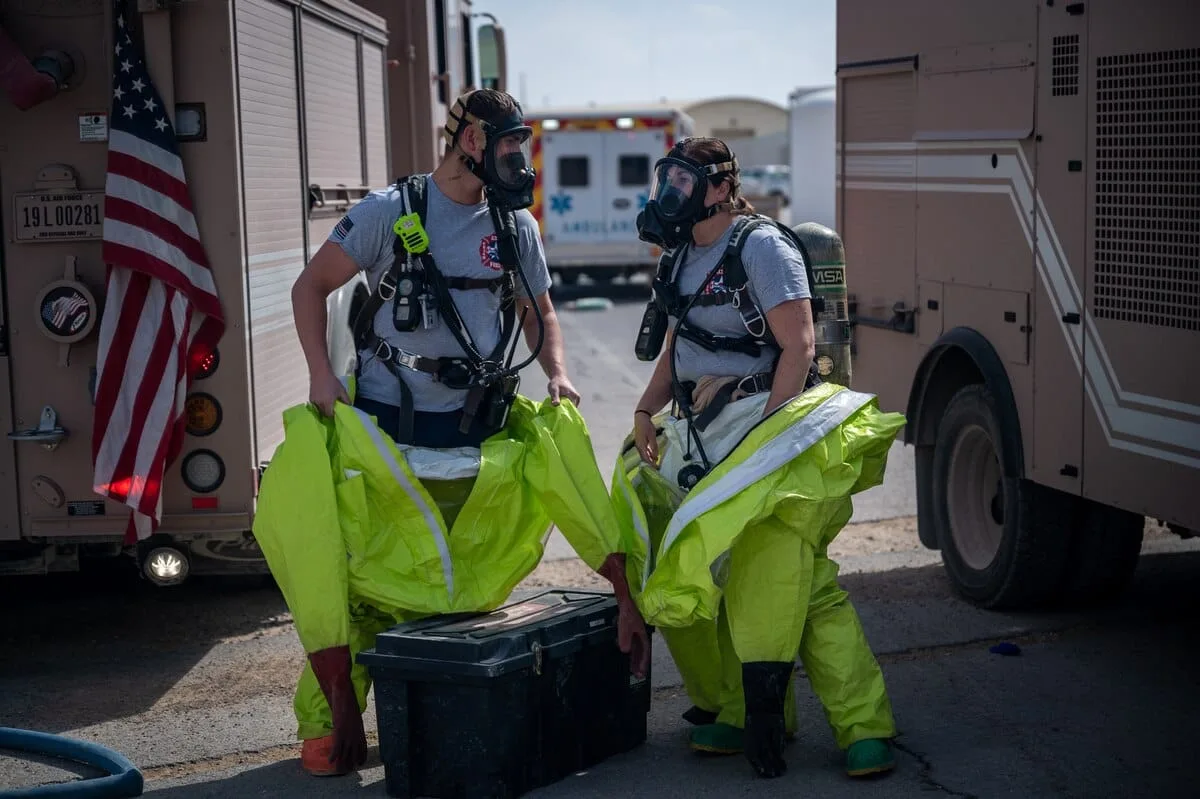
Choosing between disposable and reusable chemical suits isn’t just about price—it’s about safety, frequency, and the real cost of getting it wrong.
Some jobs demand maximum protection for a short time. Others need reliable gear that lasts through dozens of shifts.
So, which should you choose: throwaway convenience or long-term durability?
Let’s break it down by use case, protection level, maintenance, and total cost.
What’s the Real Difference?
| Feature | Disposable Chemical Suits | Reusable Chemical Suits |
|---|---|---|
| Material | Light, laminated (e.g. PE, SMS) | Heavy-duty (PVC, Tychem® TK, Neoprene) |
| Intended Use | Single-use only | Multi-use with care and inspection |
| Protection Duration | 1 job / <8 hours | 10–100+ uses (depends on model) |
| Cleaning Required | No | Yes (must follow protocol) |
| Certification Validity | Until worn once | Valid if undamaged and within lifespan |
| Typical Standards | Type 5/6, some Type 3/4 | Type 3, Type 1, EN 943-2, EN 14605 |
✅ Disposable = convenience + low-risk tasks
✅ Reusable = long-term cost control + high-hazard defense
When to Use Disposable Chemical Suits
Best for short, low-risk exposure where decontamination isn’t feasible.
Ideal for:
- Light chemical splash or dust (Type 5/6)
- Pesticide application or agricultural spraying
- Maintenance work with mild chemicals
- Pharmaceutical tasks (powder containment)
- One-time emergency response jobs
✅ Use when:
- Decontamination is impractical or costly
- Cross-contamination must be 100% avoided
- You’re dealing with non-reusable biohazards
🧴 Rule of thumb: If you can’t or won’t clean it—dispose of it.
When to Use Reusable Chemical Suits
Reusable suits are built for harsh, repeated exposure to aggressive substances.
Ideal for:
- Refinery work or oil & gas operations
- Hazmat emergency teams handling gas leaks
- Tank cleaning, chemical handling, bulk transfer
- Industrial decontamination tasks
- Work with toxic or corrosive liquids under pressure
✅ Use when:
- Task is recurring and needs Type 1/3 level protection
- You can implement a cleaning and inspection system
- You want to lower cost per use in the long term
💰 A $300 reusable suit worn 30 times = $10 per use
A $25 disposable worn once = $25 per use
What About Semi-Reusable Suits?
Some chemical suits (like Tychem® 6000, 9000) blur the line: they can be reused a few times if not contaminated or damaged.
✅ Tips:
- Check manufacturer limits on re-wear cycles
- Always re-inspect before reuse
- Never reuse if exposed to toxic/hazardous chemicals
⚠️ “Semi-reusable” = not certified for long-term wear—but may stretch your budget if used wisely.
Cleaning and Inspection: What Reusables Require
Before every reuse:
- Visual inspection: Check for holes, seam wear, fading
- Integrity testing: Optional pressure or leak tests
- Cleaning protocol:
- Use mild detergents, no bleach or high heat
- Hang dry in ventilated area
- Store in protective bag/locker
🧼 For Type 1 gas-tight suits: cleaning requires specialized services.
Cost vs. Risk: A Quick Comparison
| Factor | Disposable | Reusable |
|---|---|---|
| Upfront cost | ✅ Low ($5–$30) | ❌ High ($100–$600+) |
| Per-use cost (low frequency) | ✅ Ideal | ❌ Overkill |
| Per-use cost (high frequency) | ❌ Costly to replace often | ✅ Cheaper long-term |
| Maintenance cost | ✅ None | ❌ Medium to high (depends) |
| Biohazard / infection risk | ✅ Lower (no cleaning needed) | ❌ Needs careful handling |
| High-hazard chemical work | ❌ Often insufficient | ✅ Designed for heavy exposure |
What to Ask Before You Decide
- How often will this task be done?
- What type of chemical exposure is expected?
- Will the suits get heavily contaminated?
- Can your facility handle washing + inspection?
- Are there hazardous waste disposal restrictions?
- What’s the budget per worker per month?
At workwearsolutions, we help you match your operational needs—not just your order quantity.
Conclusion
There’s no one-size-fits-all answer—just the right suit for the right job.
As a decision-maker:
- Choose disposable for light, single-use, contamination-prone tasks
- Choose reusable for frequent, high-risk jobs where long-term value matters
- Don’t forget to factor in cleaning, inspection, and end-of-life disposal
Need help finding the right balance between cost, safety, and practicality?
We’ve helped teams in oil & gas, pharma, and manufacturing do just that.
📩 Contact: [email protected]
🌐 Visit: www.workwearsolutions.net