Why is PPE important in Healthcare
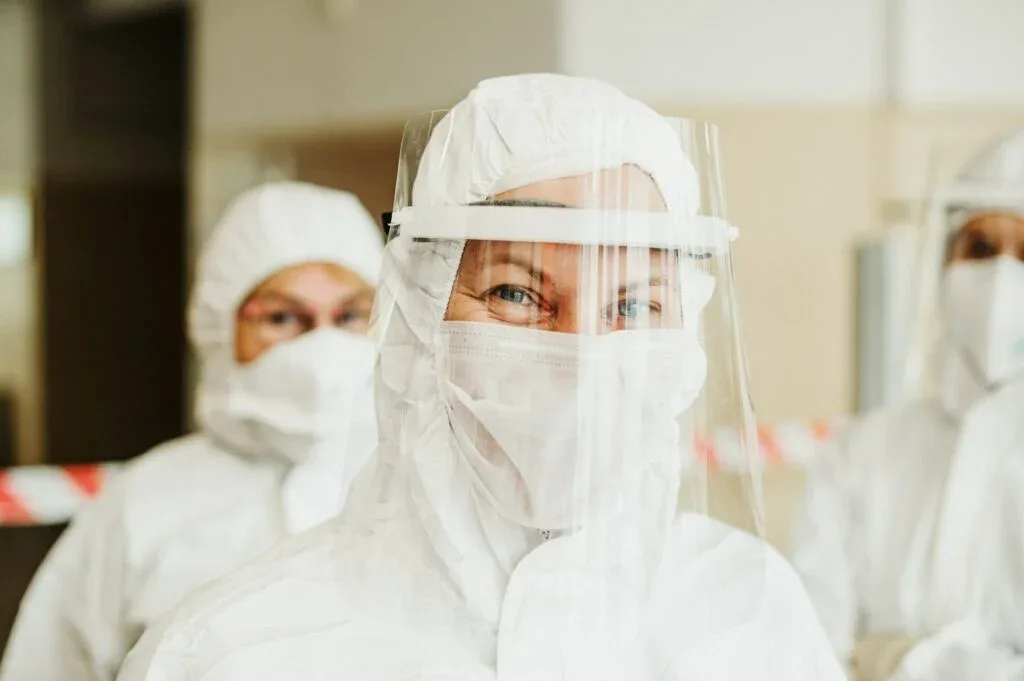
Personal Protective Equipment (PPE) is one of the most essential tools in healthcare. From routine patient care to emergency procedures, PPE plays a vital role in preventing the spread of infections and ensuring a safe working environment for medical professionals.
In healthcare settings, PPE includes gloves, gowns, masks, face shields, and protective eyewear—all designed to reduce exposure to infectious agents and hazardous materials.
Here’s a breakdown of why PPE is critical in medical environments and what every healthcare buyer or facility manager should know.
Protecting Healthcare Workers from Infectious Diseases
Healthcare workers are regularly exposed to dangerous pathogens, including bacteria, viruses, and other microorganisms.
PPE serves as a physical barrier, helping reduce the risk of direct contact with infectious agents found in blood, saliva, respiratory droplets, or other bodily fluids.
In high-risk situations like surgery or managing patients with airborne diseases (e.g., COVID-19, TB), properly fitted PPE—especially masks, gowns, and gloves—can be life-saving.
Preventing Cross-Contamination Between Patients
Proper PPE usage is not just about protecting staff—it’s also about protecting patients from each other.
Changing gloves, masks, or gowns between patients helps prevent the spread of healthcare-associated infections (HAIs), such as MRSA or C. difficile.
Even simple tasks like drawing blood or checking vitals can carry contamination risks without the correct barrier equipment and hygiene protocols in place.
Maintaining a Safe Work Environment
Hospitals, clinics, and long-term care facilities rely on consistent safety measures to function effectively.
PPE supports workplace safety by reducing the frequency and severity of exposure incidents, keeping staff healthy and able to perform their duties.
When protective gear is used alongside hand hygiene, sterilization, and isolation procedures, it strengthens the overall safety culture of the workplace.
Compliance with Health and Safety Regulations
Healthcare providers are legally required to protect their employees—and PPE is part of that legal obligation.
Organizations like OSHA (Occupational Safety and Health Administration) and the WHO (World Health Organization) set strict standards on PPE availability, usage, and training.
Facilities that fail to provide appropriate PPE or enforce its use may face penalties, inspections, or shutdowns. Compliance isn’t optional—it’s essential for legal and ethical operation.
Boosting Patient Confidence and Trust
Perception matters in healthcare, especially during times of public health concern.
Seeing doctors, nurses, and staff wearing proper PPE reassures patients that infection control is a priority. It builds trust and comfort in clinical settings.
During outbreaks or seasonal flu periods, visibly following PPE protocols also helps reduce fear and uncertainty among patients and visitors.
Protecting Against Chemical and Medication Exposure
Healthcare risks go beyond viruses and bacteria. Staff may also encounter harmful chemicals, including disinfectants and hazardous medications.
Specialized PPE—like chemotherapy-rated gloves, fluid-impermeable gowns, and splash-resistant face shields—helps protect workers handling cytotoxic drugs or strong disinfectants.
In settings such as oncology or intensive care, the right PPE prevents long-term health risks associated with chemical exposure.
Conclusion
PPE in healthcare isn’t just protective gear—it’s a vital system that supports infection control, staff safety, and patient well-being. From preventing disease spread to ensuring legal compliance, the importance of PPE cannot be overstated. For procurement teams and safety managers, investing in the right equipment—and making sure it’s used correctly—is one of the most effective ways to protect both people and operations.