How to brief lightweight workwear without losing useful features
For lightweight workwear, specify the intended job, garment layers and required details before setting a fabric-weight target. “Lighter” describes a comparison, not a complete performance requirement. A lighter fabric, fewer components and a different garment cut are separate design choices that should be reviewed against the work the wearer performs.
Identify what the weight target actually refers to
Ask whether the quoted figure is fabric mass per unit area or the mass of a finished garment. Record the unit, size and construction when comparing garments. A jacket with a lining and multiple pockets cannot be evaluated fairly against an unlined overshirt using a fabric-weight figure alone.
| Design question | Information for the supplier | Sample review |
|---|---|---|
| What is worn underneath? | Base layers and seasonal variation | Movement and fit with the intended layers |
| Which details are essential? | Tools carried, closures and identification needs | Accessibility and function during actual movements |
| Where does contact occur? | Repeated contact points and observed wear | Material and reinforcement proposal at those locations |
| What must be demonstrated? | Required material or garment properties and evidence | Agreed evaluation of the proposed construction |
Compare design options rather than a single number
Ask for alternatives with the differences written down: a different fabric construction, an unlined option, changed pocket organisation or local reinforcement. Identify which option changes the appearance, hand feel, care requirements or evidence needed for the intended use. A change should be evaluated as a new proposal, not treated as an equivalent substitute by default.
Do not translate a lower fabric mass into an unsupported claim about cooling, comfort or protection. Work rate, garment fit, layering and the environment also matter to a wearer review. If thermal or water-vapour resistance is part of the specification, identify the test method, sample and conditions rather than using “breathable” as a complete requirement.
Plan a wearer comparison
- Select a current garment as the comparison reference and record its size and construction.
- Define the tasks and layering arrangement to be reviewed.
- Check the proposed sample's measurements before collecting feedback.
- Record observations on movement, pocket use, closures and care alongside any laboratory results.
- Approve the chosen construction and identify the checks required for bulk production.
Keep subjective observations and measured results separate. A wearer saying a sample “feels cooler” is useful feedback, but does not establish a quantified heat-stress benefit or protective rating. Avoid adding those claims to the purchase specification without the relevant assessment.
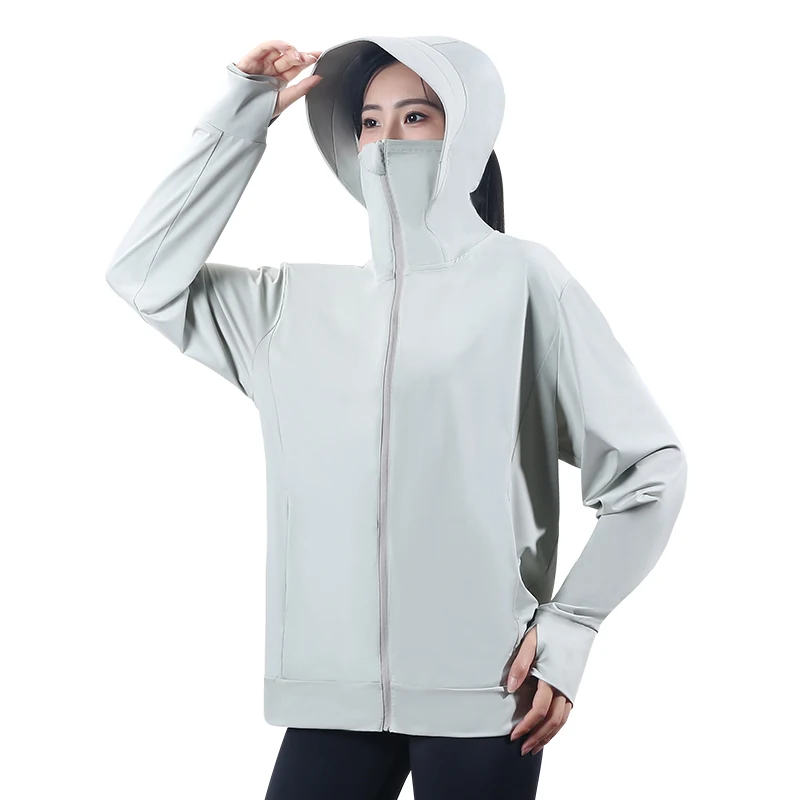
Can a lightweight reference become a custom order?
Use the reference identifier to explain the shape and details you want, then supply intended use, order quantity, destination and material requirements. Workwear Solutions reviews OEM and ODM enquiries for made-to-order production; price, available materials and timing are confirmed against the project.
Download the blank lightweight garment comparison sheet. Continue with reading a fabric test sheet or explore garment references.