When to Replace Your Hi-Vis Garment: Fading, Damage, and Compliance Risks
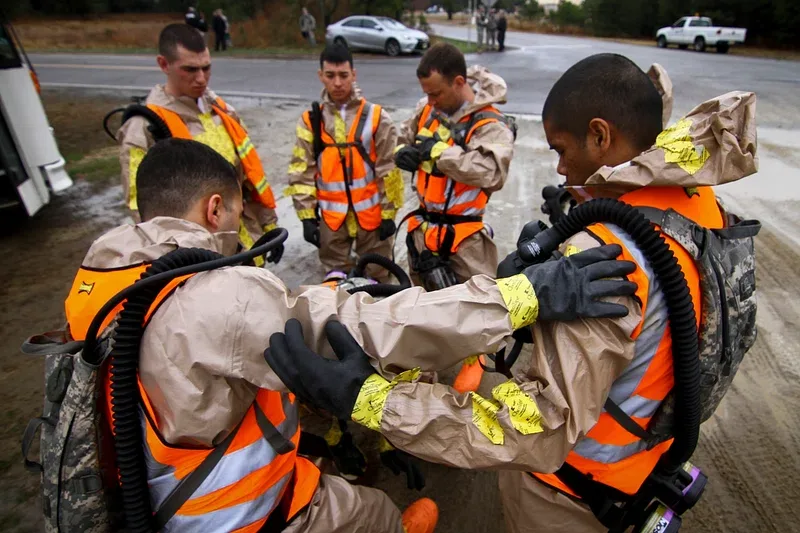
That hi-vis vest might still look “fine”—but is it still protecting anyone?
High-visibility clothing fades over time, especially with sun, sweat, dirt, and repeated washing.
And when the color dulls or the reflective tape cracks, it stops being compliant—and stops keeping workers safe.
The hard truth? Most companies wait too long to replace their hi-vis gear.
Let’s talk about when (and why) it’s time to retire a garment—and how to keep your PPE program compliant, visible, and reliable.
Why Replacing Hi-Vis Workwear Is Critical
Over time, hi-vis garments lose their key protective elements:
- Fluorescent fabrics fade and lose brightness
- Reflective tape cracks, peels, or detaches
- Stitching loosens, creating tear risks
- Dirt, grease, and chemicals block light reflection
⚠️ A vest that doesn’t reflect = a worker that can’t be seen = a serious liability.
✅ Replacing worn garments ensures legal compliance, audit readiness, and real-world safety.
Signs It’s Time to Replace a Hi-Vis Garment
Here’s what to look for during inspections:
| Check This… | Replace If You See… |
|---|---|
| Color of fabric | Faded, dull, or discolored beyond contrast level |
| Reflective tape | Cracked, peeling, curling at edges |
| Fabric integrity | Holes, rips, fraying seams |
| Fit and shape | Shrunk, warped, or baggy (affecting tape placement) |
| Label tag | Faded, illegible, missing certification info |
| After dark test | Doesn’t reflect clearly under flashlight/headlights |
✅ Don’t just “eyeball” safety—test it regularly.
How Long Does Hi-Vis Clothing Last?
It depends on:
- Garment type (vest vs. jacket vs. coverall)
- Working environment (indoor vs. outdoor, dusty, wet, or high sun)
- Number of wash cycles
- Intensity of use (daily wear vs. occasional)
Typical lifespan estimates:
| Garment Type | Typical Replacement Cycle |
|---|---|
| Vests | 6–12 months or 25 washes |
| Shirts/polos | 12–18 months or 35 washes |
| Jackets | 18–36 months or 50–75 washes |
| Rainwear | 12–24 months if tape stays sealed |
| FR Hi-Vis gear | As per manufacturer specs (track usage) |
📅 Create a PPE tracking log with date of issue, wash count, and inspection results.
Compliance Risks of Keeping Worn Gear
- Failed safety audits or inspections
- Violation of ANSI/ISEA 107 or EN ISO 20471
- Reduced visibility = higher accident risk
- Worker complaints or refusal to wear gear
- Legal liability in case of incident
✅ Replacing gear on time isn’t just proactive—it’s proof you take safety seriously.
Tips to Extend the Life of Hi-Vis Clothing
- Wash in cool water with FR/hi-vis–safe detergent
- Air dry or low-heat tumble (high heat damages tape)
- Store away from sunlight when not in use
- Avoid chemical exposure (oils, solvents, bleach)
- Rotate between 2–3 sets per worker to reduce wear
- Train workers to inspect their own gear weekly
🧼 Clean doesn’t mean safe. Reflectivity must be tested under light.
What to Ask Your Supplier
- What’s the wash durability rating of the reflective tape?
- Can you provide the expected service life of this garment?
- Is the gear EN/ANSI compliant after X washes?
- Do you offer bulk replacement programs or alerts?
- Can we get inspection checklists for our team?
At workwearsolutions, we build garments with lifecycle in mind—and help you manage that lifecycle.
Conclusion
Hi-vis PPE is not “buy once and forget.”
It wears out, fades out, and—if you’re not watching—safety can quietly disappear.
As a buyer:
- Build a replacement cycle into your PPE budget
- Educate staff to spot the signs of wear
- Track usage and retire gear before it fails
- Work with suppliers who understand long-term compliance
Need help reviewing your team’s current hi-vis gear or setting up a full replacement strategy? I’ll help you keep your crews seen—and safe—every single shift.
📩 Contact: [email protected]
🌐 Visit: www.workwearsolutions.net