Utilities & Energy Workwear: Arc Flash and Chemical Protection
Archived resource. Confirm current standards, supporting test evidence and project applicability before relying on technical or case information.
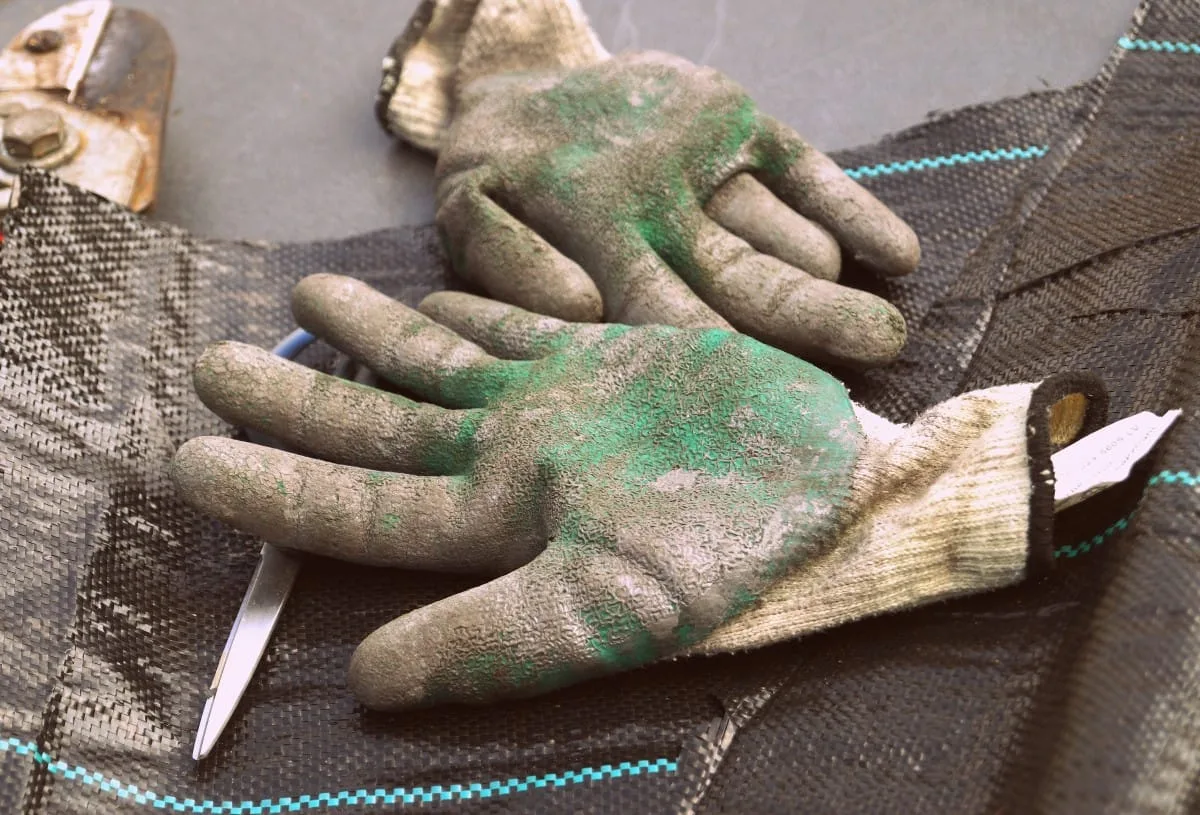
From power plants in Morocco’s desert winds, to hydropower stations in the mountains of Chile, the utilities and energy sector demands some of the most specialized and rugged workwear in the world. Workers in electricity, water, and renewables face daily exposure to arc flash, chemical splashes, high voltage risks, and extreme weather.
Here, workwear is not just clothing. It is a barrier between life and death, compliance and shutdown, safety and catastrophic accidents. For distributors and procurement agents across Africa, the Middle East, Central Asia, and South America, understanding the technical standards and product essentials is key to unlocking this growing market.
Utilities & energy workwear must protect against arc flash (IEC 61482), chemical exposure (EN ISO 374), and weather extremes. Essentials include arc-rated coveralls, flame-resistant gloves, chemical-resistant boots, insulated helmets, and waterproof outerwear. Buyers should prioritize certified, durable, and climate-adapted PPE that meets both international and local safety regulations.
Why Utilities & Energy Workers Need Specialized Workwear
-
High Voltage & Arc Flash Risks
Electrical workers face the threat of arc flash, a sudden electrical explosion that can reach 19,000°C. Standard cotton or polyester melts instantly—only arc-rated, flame-resistant fabrics can save lives. -
Chemical Corrosion in Water Treatment
Workers handling chlorine, acids, and disinfectants in water plants need gloves, aprons, and suits that resist chemical burns. Cheap PVC gear often cracks quickly, leading to exposure risks. -
Extreme Work Environments
Utility workers repair lines during storms, fix turbines in high winds, and maintain dams in cold, damp tunnels. Protective workwear must balance waterproofing, insulation, and mobility. -
Strict Safety Regulations
Energy projects funded by the World Bank, EU, or multinational investors must comply with IEC, ISO, and ANSI standards. Non-compliant workwear risks failed audits, project delays, and lost contracts. -
Renewables Boom = Rising Demand
With new solar farms in the Middle East and wind projects across North Africa, the demand for arc-rated and chemical-protective clothing is growing rapidly—creating opportunities for smart distributors.
Real-World Accident Cases
Case #1 – Wind Farm in Morocco
Workers maintaining turbines wore non-arc-rated polyester coveralls. When an electrical fault caused an arc, two workers suffered severe burns.
Fix: The contractor switched to IEC 61482-certified arc flash coveralls, reducing risk and passing subsequent audits.
Case #2 – Hydropower Station in Chile
During a cleaning shift, chlorine solution leaked onto workers’ boots. The low-grade PVC boots cracked under chemical exposure, leading to foot injuries.
Solution: Upgraded to EN ISO 374-certified nitrile boots with extended shafts, improving durability and worker confidence.
Case #3 – Power Distribution in Nigeria
A field engineer repairing lines in the rainy season wore untreated cotton gear. Clothing absorbed water, increasing shock risk.
Outcome: Utility mandated water-repellent arc-rated outerwear, which improved compliance and reduced near-miss incidents.
Sector Comparison: Wind vs Hydropower vs Solar
| Sector | Main Hazards | Workwear Priority | Typical Procurement Mistake |
|---|---|---|---|
| Wind Power | Arc flash during maintenance, high-altitude work, strong winds | Arc-rated, flame-resistant coveralls with harness compatibility; insulated helmets | Buying generic FR gear that restricts climbing mobility |
| Hydropower | Chlorine & acid exposure in treatment, wet & cold tunnels | Chemical-resistant gloves, waterproof boots, insulated outerwear | Using low-grade PVC gear that cracks in chemical contact |
| Solar Farms | High UV exposure, heat stress, electrical faults | Lightweight, arc-rated shirts & pants, UV-protective fabrics, high-visibility vests | Supplying heavy cotton that overheats workers in desert climates |
👉 Key Takeaway:
Each energy subsector requires different workwear priorities. A distributor who tailors offerings (arc + mobility for wind, chemical + waterproof for hydro, UV + lightweight arc-rated for solar) can differentiate from generic suppliers and win repeat contracts.
Standards for Utilities & Energy Workwear
| Standard / Regulation | Purpose |
|---|---|
| IEC 61482 | Arc flash protection for electrical workers |
| EN ISO 11612 | Flame-resistant clothing against heat & fire |
| EN ISO 374 | Chemical-resistant gloves & footwear |
| EN 343 | Waterproof & breathable protective clothing |
| ANSI/ISEA 107 | High-visibility workwear |
Essential Workwear for Utilities & Energy
| Item | Purpose | Recommended Material |
|---|---|---|
| Arc-Rated Coveralls | Protect against arc flash & burns | Modacrylic, Aramid (Nomex, Kevlar blends) |
| Chemical-Resistant Gloves | Shield against acids, chlorine, and solvents | Nitrile, neoprene, butyl rubber |
| Flame-Resistant Jackets | Insulation + fire/arc flash protection | FR-treated cotton, aramid blends |
| Waterproof Safety Boots | Prevent slips + resist chemicals | Nitrile-PVC blends, EN ISO 374 certified |
| Insulated Helmets | Protect against impact & electric shock | HDPE with dielectric protection |
| High-Vis Safety Vests | Visibility in low-light utility environments | ANSI/ISEA 107 compliant reflective fabrics |
Material Selection Insights
- Aramid (Nomex, Kevlar blends): Strong against flames & arc flash, durable but costly.
- FR-Treated Cotton: Affordable entry-level option, needs re-treatment after washes.
- Nitrile & Neoprene: Best balance of chemical resistance & comfort for gloves.
- Nitrile-PVC Blends for Boots: Resist chemicals + withstand wet environments.
- PU-Coated Fabrics: Waterproof yet breathable, suitable for dam and pipeline works.
✅ Pro Tip: Always check for dual certification (arc + chemical) when buying for utilities projects—single-rated gear may fail in multi-hazard environments.
Procurement Mistakes to Avoid
- Choosing generic rain gear instead of certified arc-rated waterproofs.
- Ignoring chemical compatibility—not all gloves resist chlorine or acids.
- Importing non-certified products that fail audits in donor-funded projects.
- Prioritizing low upfront price over total lifecycle cost—cheap boots often fail within months.
Cost-Benefit Analysis
| Scenario | Without Correct PPE | With Certified PPE | Annual Savings |
|---|---|---|---|
| Arc flash injury (treatment + delay) | $80,000+ | $250 per arc-rated coverall | $79,750 |
| Chemical burn from chlorine | $12,000 | $35 for nitrile gloves | $11,965 |
| Project audit failure | Contract cancellation | $8,000 for compliant gear | Millions in project value |
Buyer FAQ
Q1: Can we use raincoats instead of arc-rated outerwear?
A: No. Raincoats melt in arc flash events. Always use IEC 61482-certified waterproof outerwear.
Q2: Are leather gloves chemical resistant?
A: No. Leather absorbs liquids and deteriorates in acids. Use EN ISO 374-rated nitrile or neoprene gloves.
Q3: Which helmets are suitable for power line work?
A: Use dielectric HDPE helmets rated for electrical insulation, not construction-only hard hats.
Conclusion
In the utilities and energy sector, safety means multi-hazard protection. Workers face arc flash, chemical corrosion, and extreme climates—so procurement must go beyond basic workwear.
By choosing certified arc-rated, chemical-resistant, and waterproof PPE, distributors and agents can not only save lives but also win long-term contracts in Africa, Latin America, the Middle East, and Central Asia.
📩 Need IEC 61482 & EN ISO 374-certified workwear for utilities projects?
Email: [email protected]
🌐 www.workwearsolutions.net