Protective Coverall Types: Classification and Evidence
Protective clothing type labels describe different performance categories. They are not a single best-to-worst ranking and do not by themselves prove compatibility with a particular chemical or task.
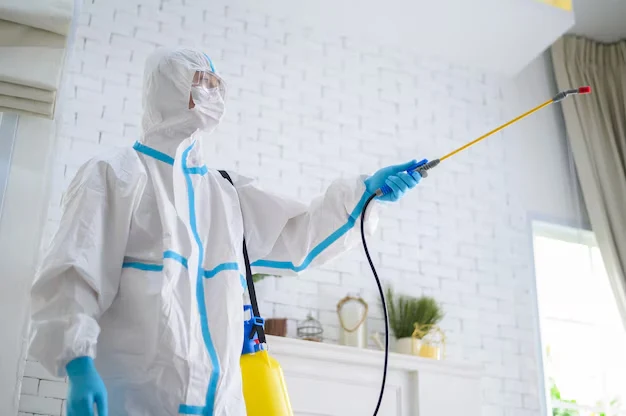
Read the category with the garment documentation
| Type | Category description |
|---|---|
| 1 | Gas-tight chemical protective clothing |
| 3 | Clothing with liquid-tight connections |
| 4 | Clothing with spray-tight connections |
| 5 | Full-body clothing against airborne solid particulates |
| 6 | Clothing offering limited protective performance against liquid chemicals |
These descriptions follow Ansell's category guides. A type number does not supply the complete test report, intended-use limits or selection decision.
Why older lists include Type 2
Type 2 appears in older references. Ansell's product guide notes that it is no longer specified in the 2015 edition of EN 943-1. Check the edition and exact product documentation instead of treating an old Type 1–6 list as the current specification. See Ansell's guide.
What to ask before purchase
- Which exact garment, standard edition and classification are documented?
- What substances and exposure conditions are covered by the available evidence?
- What do the instructions say about seams, closures, other PPE and use limits?
- Which fit, training and removal requirements apply to this task?
Do not select a coverall from its photograph, a general material name or a higher/lower type number alone. Workplace selection requires a hazard assessment; this overview does not approve any pictured garment for hazardous use.
Sources and next steps
See the manufacturer's instructions for the product under consideration and OSHA's PPE overview for the role of assessment, training, care and limitations. For a custom garment enquiry, explain the intended application and required evidence before agreeing a specification.