Custom workwear branding: a logo, colour and placement brief
For a custom uniform order, approve the branding on the proposed garment material, at the intended size and position. A logo file on a screen does not define thread appearance, print finish or placement on a finished jacket. A complete branding brief connects the artwork to a physical sample and a repeatable approval record.
Prepare usable artwork and define who approves it
Supply the original artwork where available, including a vector file for review. Identify the authorised logo version, text, colours and any restrictions on scaling. If only a photograph exists, ask for an artwork proof before developing the garment sample. Keep the buyer's approval contact clear so competing versions do not reach production.
Give dimensions in a physical unit, not “small chest logo”. Record the width or height that controls scaling and specify whether the dimension includes any background patch. Define the placement from named garment reference points, such as a seam or pocket edge, using a drawing to remove ambiguity.
| Brief item | What to supply | What to approve physically |
|---|---|---|
| Artwork | Version identifier, text and usable source file | Shape, legibility and fine-detail reproduction |
| Colour | Named colour reference and physical master if available | Appearance on the actual base fabric |
| Size and placement | Dimensioned diagram for each application | Position on the chosen garment sizes |
| Application | Proposed embroidery, print, patch or label | Finish, backing, edge quality and suitability for intended care |
Compare application methods on the actual design
Ask for a proposal rather than choosing an application method by name alone. Review the logo detail, fabric construction, placement, care instructions and intended use together. A method suitable for one fabric or position is not automatically suitable for another. Where the garment has a protective function, review any proposed decoration as part of the exact garment specification and supporting assessment.
- Approve an artwork proof with dimensions and placement references.
- Review a decoration sample on the proposed material, noting any substitute base fabric.
- Inspect the application on a garment: check visual balance, backing and interference with pockets or closures.
- Agree the care evaluation and acceptance conditions, then keep the approved sample and artwork revision together.
Do not approve colour from a photograph alone
Photographs are useful for recording placement and construction, but screen settings and lighting affect the colour you see. Agree a physical reference and viewing arrangement for decisions that depend on colour matching. Distinguish the approval of fabric shade from the approval of logo thread, print or patch colour.
Plan for repeat orders by recording material references, branding files and sample identifiers. If the supplier proposes a different material or colour source later, require a new review rather than assuming the earlier visual approval transfers unchanged.
Can a catalogue garment be used as the starting point?
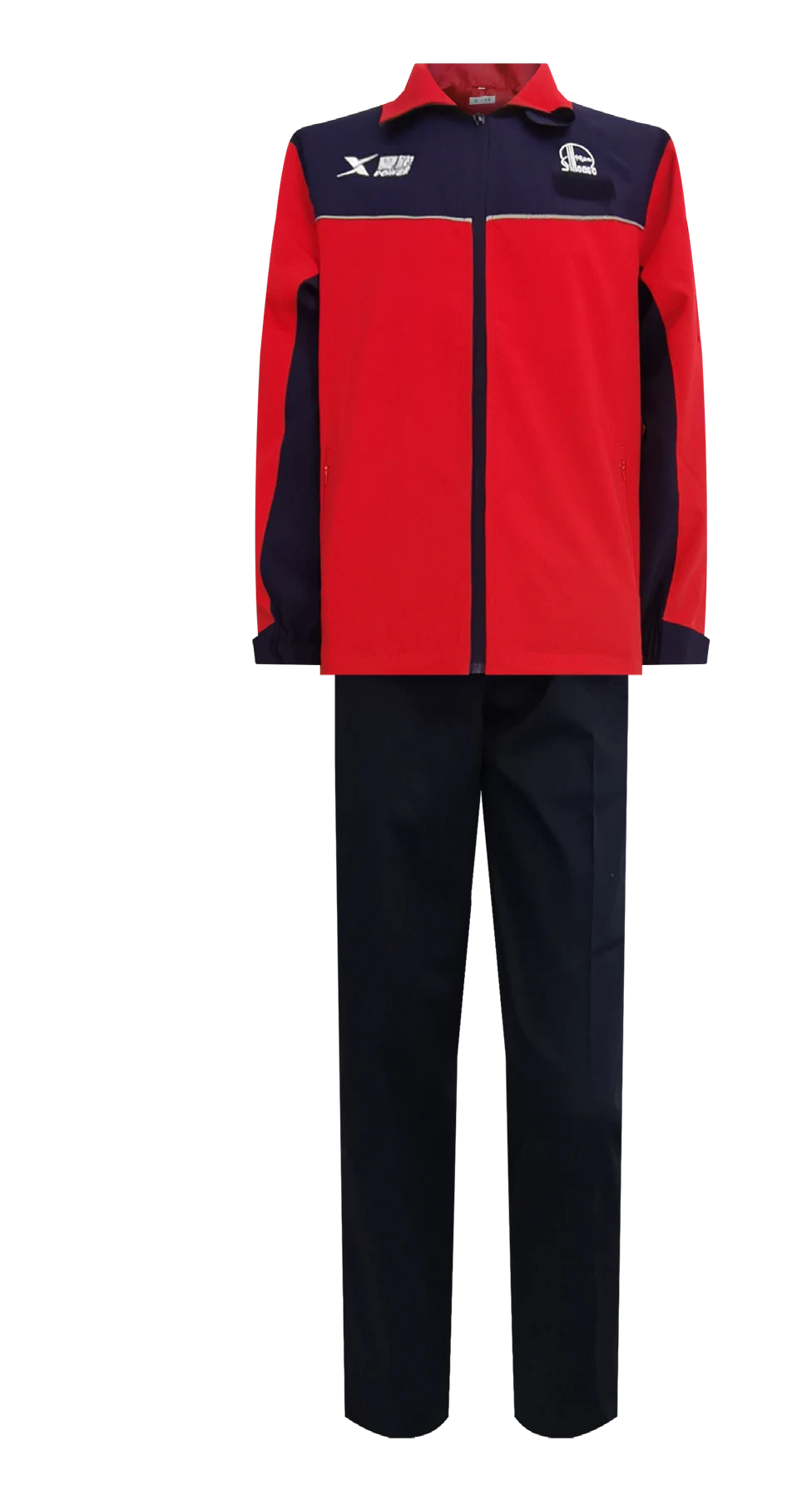
Yes. Workwear Solutions' reference garments can help identify pocket layouts, silhouettes and colour-blocking ideas for an OEM or ODM discussion. They are made-to-order references, not ready-stock offers. Send the reference identifier and mark the details to keep or change; feasibility, quantities and costs are reviewed against the new brief.
Download the blank branding approval worksheet. See also sample approval stages and OEM and ODM development.