Respirator Cartridges & Filters: How to Choose the Right One for Your Hazard
Archived resource. Confirm current standards, supporting test evidence and project applicability before relying on technical or case information.
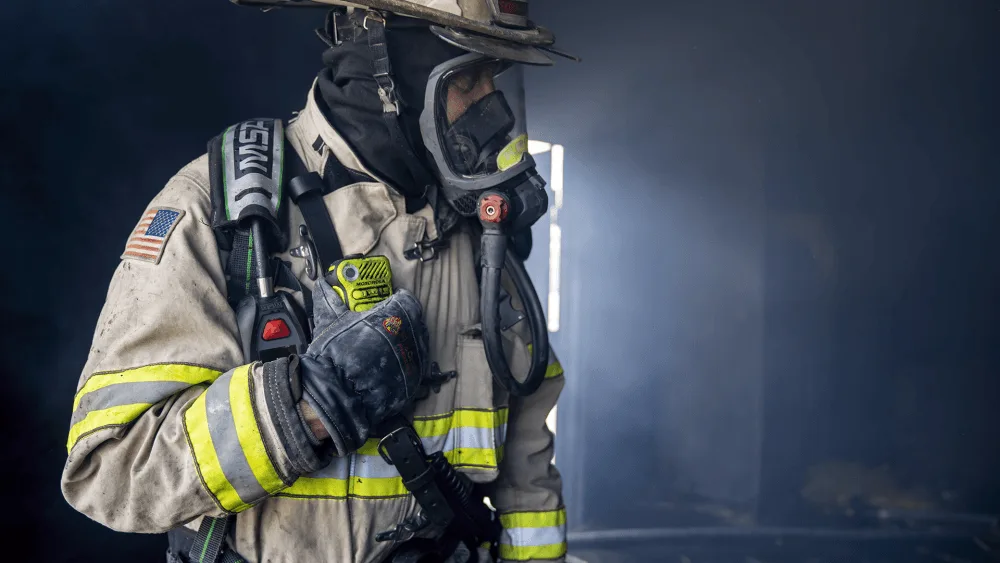
A respirator without the right filter is a ticking time bomb—it gives a false sense of safety while leaving workers dangerously exposed. Many compliance failures and workplace accidents happen because buyers assume “any filter will do.” This article explains how to select the right cartridge, interpret global standards, and avoid costly mistakes that can result in injuries, fines, or production shutdowns.
Respirator cartridges and filters are designed for specific hazards: dust, organic vapors, acid gases, or combinations. NIOSH color codes (e.g., black = organic vapor, white = acid gas) and EN standards (EN 143, EN 14387) define their use. Always match filter type and class to the hazard listed in the SDS.
Why Filter Selection Is Critical
The wrong filter can:
- Fail instantly against toxic gases, even if the mask looks sealed.
- Cause chemical poisoning, eye irritation, or respiratory failure.
- Lead to OSHA fines of up to $15,625 per violation (2024).
Case Example #1 (Paint Shop, USA):
Workers used half-mask respirators with particulate filters during spray painting. Within hours, two employees reported dizziness and nausea due to organic vapor exposure. OSHA fined the employer $9,800 for improper PPE selection and lack of hazard training.Case Example #2 (European Chemical Plant):
A buyer ordered A1 filters (low-capacity organic vapor) for ammonia-based cleaning processes. The cartridges saturated in under 15 minutes, forcing an emergency evacuation and €20,000 in downtime losses. Compliance auditors later flagged the error as a procurement oversight.Case Example #3 (Pharmaceutical Facility, India):
During a cleanroom audit, inspectors found expired combination filters on respirators. Result: production halt for 48 hours and loss of a critical export order worth $500,000.
NIOSH Color Code for Respirator Cartridges
| Hazard | Color Code | Common Examples |
|---|---|---|
| Organic Vapors | Black | Paints, solvents, adhesives |
| Acid Gases | White | Hydrochloric acid, sulfur dioxide |
| Ammonia / Methylamine | Green | Fertilizers, refrigeration systems |
| Multi-Gas / Vapor | Olive | Chemical plants, refineries |
| Particulates (HEPA) | Magenta | Dust, asbestos, silica, lead paint |
Buyer Tip: If you see a filter with no color band or approval code, reject it immediately—it likely fails NIOSH standards.
EN Standards for Filters
- EN 143: Particle filters (P1 = low efficiency, P3 = high efficiency)
- EN 14387: Gas and combined filters (coded A, B, E, K for different gases)
- A1: Organic vapor, low concentration
- A2B2E2K2: Multi-gas for medium-level exposure
- P3: For highly toxic dust and fine particles
Compliance Note:
EN 143 and EN 14387-compliant filters must carry CE mark + notified body number for EU markets.
Key Steps to Select the Right Filter
- Start with the SDS (Safety Data Sheet): Identify exact chemical names, concentrations, and states (gas, vapor, or particulate).
- Choose Correct Filter Type:
- Organic vapors? → A or black band
- Acid gases? → B or white band
- Ammonia? → K or green band
- Check Exposure Level: Use higher-capacity filters (e.g., A2 instead of A1) for prolonged tasks or high concentrations.
- Verify Certification:
- U.S.: NIOSH approval (TC number)
- EU: CE marking with EN standard reference
- Confirm Compatibility: Filter must match respirator brand/model to maintain seal integrity.
Common Buyer Mistakes
- Using dust filters for chemical vapors (a top OSHA violation in coatings and spray painting).
- Mixing filter brands with incompatible respirator bodies.
- Stockpiling filters without tracking expiry dates—expired filters = zero protection.
- Ignoring End-of-Service-Life Indicators (ESLI) on advanced cartridges.
Real Failure Example:
A U.S. contractor failed an OSHA audit because workers wore respirators with expired filters on a lead removal site. The fine? $18,750, plus mandatory retraining costs.
Cost vs Risk Analysis
| Item | Cost |
|---|---|
| Cartridge (per unit) | $15–$40 |
| OSHA Fine (per violation) | $15,625 |
| Medical Claim (avg.) | $25,000+ |
| Lost Production (per day) | $10,000–$50,000 |
Takeaway: One wrong filter can cost 100x more than the right purchase.
Quick Procurement Checklist
- [ ] Hazard identified using SDS
- [ ] Correct filter type selected (A, B, E, K, P, or combo)
- [ ] Proper filter class for exposure duration
- [ ] Certification confirmed (NIOSH or EN 143/14387)
- [ ] Expiry dates checked and logged
- [ ] Supplier provides storage and care guidelines
- [ ] Compatibility with existing respirator verified
Buyer FAQ
Q: Can I use one filter for all tasks?
A: No. Each chemical hazard requires a specific filter or a multi-gas cartridge.Q: How often should filters be replaced?
A: Based on exposure, humidity, and manufacturer’s service-life estimate. Some environments require daily replacement.Q: Are combination filters worth the cost?
A: Yes, for environments with both vapors and particulates, as they reduce PPE complexity and inventory issues.
Additional Buyer Insights
- Use digital tracking systems to log filter changes for ISO 45001 and OSHA audits.
- For multi-hazard facilities, invest in A2B2E2K2-P3 combination filters for versatility.
- Negotiate supplier agreements for recurring cartridge shipments to prevent downtime.
Conclusion
The right cartridge is not an accessory—it’s the core of respiratory protection. Wrong selection risks worker health, compliance failures, and huge financial losses. Always verify filter type, class, and certification before procurement.
Need NIOSH- and EN-certified respirators with guaranteed cartridge compatibility?
Email: [email protected]
Website: www.workwearsolutions.net