PPE for Dairy Processing: Hygiene, Comfort, and Safety in Wet Environments
Archived resource. Confirm current standards, supporting test evidence and project applicability before relying on technical or case information.
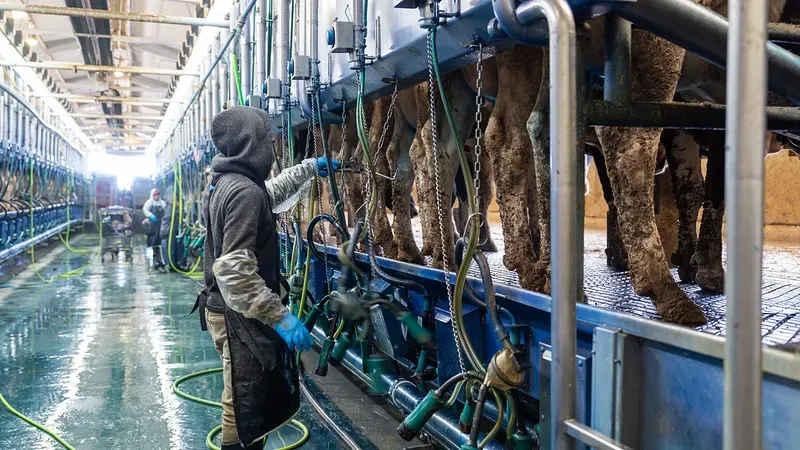
Dairy processing environments are a unique blend of high hygiene requirements, constant moisture, and temperature extremes. Workers face daily exposure to water, cleaning chemicals, dairy fats, and cold storage, all while needing to maintain strict compliance with food safety regulations like FDA, EU 852/2004, and HACCP protocols.
This guide give you a complete decision-making toolkit for sourcing PPE in dairy plants.
PPE for dairy processing must combine waterproofing, slip resistance, chemical protection, and food-grade hygiene compliance.
Key items include SRC-rated safety boots, waterproof aprons, nitrile or stainless mesh gloves, hair and beard nets, and thermal insulation for cold storage areas. Compliance with EN ISO 20345 (footwear), EN 14605 (chemical splash), and HACCP protocols is essential.
Why Dairy Processing Environments Require Specialized PPE
Wet and Slippery Floors
- Daily washdowns create standing water and dairy fat residues.
- Increases slip-and-fall risks, especially in bottling and packaging lines.
Chemical Cleaning Hazards
- Use of caustic soda, acidic cleaners, and sanitizers requires chemical-resistant aprons and gloves.
- Direct contact can cause skin burns or allergic reactions.
Temperature Extremes
- Cold storage zones can be as low as -25°C.
- Pasteurization areas can reach over 35°C with high humidity.
Strict Hygiene Standards
- PPE must be non-shedding, easy to sanitize, and color-coded to prevent cross-contamination.
Relevant Safety Standards for Dairy PPE
| PPE Item | Relevant Standard | Purpose |
|---|---|---|
| Safety Boots | EN ISO 20345 SRC | Slip resistance in wet conditions |
| Aprons | EN 14605 | Chemical splash protection |
| Gloves | EN 374, EN 388 | Chemical and mechanical protection |
| Hair/Beard Nets | FDA/EU food contact safety | Prevent hair contamination |
| Cold-Store Clothing | EN 342 | Thermal insulation for low temperatures |
Material Selection: Balancing Hygiene and Durability
| Material | Advantages | Limitations |
|---|---|---|
| PVC-Coated Fabric | High chemical resistance, smooth surface for cleaning | Less breathable |
| PU-Coated Fabric | Flexible, lighter, good abrasion resistance | Slightly higher cost |
| Nitrile Rubber | Resistant to oils and dairy fats | Lower dexterity if thick |
| Stainless Steel Mesh | Maximum cut resistance | Heavy, must be worn over hygiene gloves |
| Breathable Membranes | Comfort in warm areas | Not ideal for full chemical splash zones |
Case Study Comparisons by Dairy Segment
| Dairy Segment | Unique Risks | PPE Focus | Outcome When Implemented |
|---|---|---|---|
| Fluid Milk Bottling | Constant washdowns, high humidity | Waterproof breathable coats + nitrile gloves | 30% fewer worker skin irritation reports |
| Cheese Manufacturing | Blade handling, exposure to dairy fats | Stainless mesh gloves + oil-resistant nitrile gloves | Zero recorded knife injuries for 18 months |
| Yogurt Production | Cold storage, frequent product changeovers | Thermal gloves + color-coded aprons | Reduced cross-contamination incidents by 50% |
| Ice Cream Processing | Extreme cold, condensed moisture | Insulated waterproof boots + anti-slip soles | 70% reduction in slip-related accidents |
Common Procurement Mistakes in Dairy PPE
| Mistake | Impact | Prevention Tip |
|---|---|---|
| Choosing based on price alone | Cheap PPE may fail hygiene audits or degrade quickly, increasing replacement costs | Evaluate total cost of ownership, not just purchase price |
| Not verifying chemical resistance | Aprons or gloves fail during cleaning, causing injuries and downtime | Request EN 14605 or EN 374 test results |
| Ignoring slip resistance in footwear | Higher accident rates and compensation claims | Require SRC rating for all safety boots |
| Overlooking comfort in long shifts | Worker fatigue → lower productivity and higher turnover | Opt for lightweight, ergonomic designs |
| Using one-size-fits-all solutions | Ill-fitting PPE reduces protection and comfort | Offer multiple sizes and adjustable features |
Example:
A Canadian dairy switched from low-cost PVC aprons to PU-coated aprons with verified EN 14605 chemical protection. While unit cost rose by 25%, annual replacement rates dropped by 60%, and cleaning time was reduced by 40%.
ROI Analysis: Right vs Wrong PPE Choices
| Scenario | Low-Grade PPE Annual Cost | Losses Due to Failures | High-Grade PPE Annual Cost | Savings |
|---|---|---|---|---|
| Slip injuries in wet zones | $2,000 | $35,000 | $4,500 | $32,500 |
| Chemical burn incidents during cleaning | $1,500 | $18,000 | $3,000 | $16,500 |
| Cross-contamination recalls | $1,000 | $250,000 | $3,500 | $247,500 |
Buyer Checklist for Dairy PPE Procurement
- [ ] Footwear: EN ISO 20345 SRC rating, waterproof, insulated where needed
- [ ] Aprons: PVC or PU-coated, EN 14605 compliance, smooth surface for cleaning
- [ ] Gloves: Nitrile for dairy fats, stainless mesh for cutting tasks
- [ ] Hair/Beard Nets: FDA-compliant fine mesh, disposable or washable
- [ ] Thermal PPE: Insulated boots and gloves for cold storage zones
- [ ] Color Coding: Assign PPE colors per task/zone to prevent cross-contamination
- [ ] Spare Stock: Maintain at least 15% buffer stock to prevent shortages during audits
Frequently Asked Questions (FAQ)
Q1: Can disposable gloves be used for all dairy tasks?
A: No. While disposable nitrile gloves work well for hygiene, cutting tasks require cut-resistant mesh gloves over disposables.
Q2: How often should waterproof aprons be replaced?
A: In high-use dairy lines, every 6–8 months, or immediately if chemical degradation is visible.
Q3: What’s the most common PPE compliance failure in dairy audits?
A: Non-certified boots lacking slip resistance or incorrect hair covering.
Q4: Should dairy PPE be breathable?
A: Yes—especially for warm environments like pasteurization areas. Waterproof breathable membranes keep workers dry without overheating.
Q5: How do I justify higher PPE spend to management?
A: Use ROI data from injury prevention, reduced replacement rates, and recall avoidance.
Advanced Sourcing Strategies for Dairy PPE
-
Audit Your Facility by Zone:
Break down PPE needs for raw intake, processing, packaging, and storage areas. -
Vendor Testing Requests:
Require suppliers to provide chemical resistance and slip resistance test data. -
Trial Programs:
Run 30-day trials with different PPE brands before committing to bulk orders. -
Maintenance & Cleaning Protocols:
Establish in-house cleaning for reusable PPE to ensure hygiene consistency. -
Worker Feedback Integration:
Involve operators in PPE selection to improve adoption rates.
Conclusion
Dairy processing environments require PPE that balances hygiene, comfort, durability, and compliance.
Cutting corners can lead to costly contamination incidents, worker injuries, and failed audits.
By selecting the right PPE—and validating it with standards, trials, and ROI analysis—you can protect your workers, your product, and your brand reputation.
📩 Need help sourcing EN- and FDA-compliant PPE for dairy plants?
Email: [email protected]
🌐 www.workwearsolutions.net