Maintaining and Inspecting Welding Protective Clothing: Essential Practices
Archived resource. Confirm current standards, supporting test evidence and project applicability before relying on technical or case information.
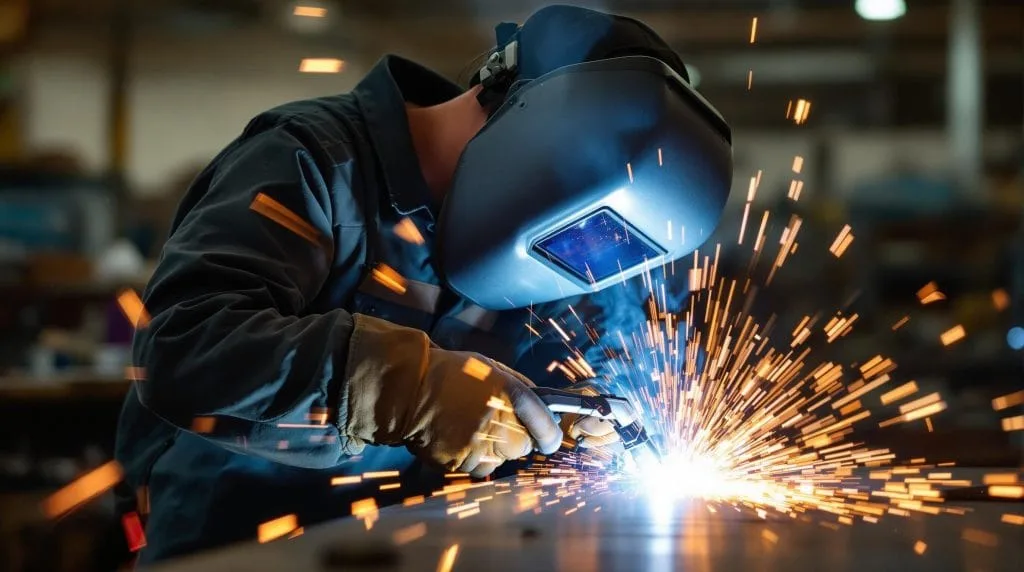
Welding PPE is a critical investment. Jackets, gloves, aprons, and helmets protect workers from sparks, molten metal, and extreme heat. But PPE only works if it’s maintained, inspected, and replaced at the right time. Ignoring these steps can turn protective clothing into a liability—risking injuries, downtime, and compliance failures.
This guide explains why PPE maintenance matters, how to inspect gear effectively, and best practices for extending service life, backed by real-world examples.
Why Maintenance Matters
Even the highest-quality PPE deteriorates over time due to:
- High heat exposure: Weakens FR fibers
- Molten metal spatter: Burns holes and cracks leather
- Moisture and sweat: Reduce protective coatings
- Improper washing: Strips FR treatment from fabrics
Consequences of Neglect:
- Increased burn injuries
- Non-compliance with OSHA and EN ISO standards
- Higher long-term costs due to unplanned replacements
Case Example:
A fabrication shop faced two severe burn incidents in one quarter. Root cause? Workers using jackets with large holes and worn seams. Management had no inspection protocol in place—leading to OSHA penalties and expensive downtime.
Daily Inspection Checklist for Welding PPE
Before every shift, welders should inspect PPE for integrity and safety:
For Jackets and Pants:
- Look for burn holes, tears, and worn-out seams
- Check if FR coating is intact (fabric should not feel stiff or brittle)
- Verify closures (snaps, zippers) are functional
For Gloves:
- Ensure no open seams or burn-through spots
- Test flexibility—stiff gloves indicate heat damage or contamination
For Helmets:
- Inspect auto-darkening filter for cracks and responsiveness
- Check headgear adjustment mechanism
- Clean lenses and replace if scratched
Buyer Tip:
Create a visual guide posted in changing rooms for quick pre-shift PPE checks.
Cleaning and Laundering Best Practices
- Use FR-approved detergents—avoid bleach and fabric softeners (they destroy flame resistance).
- Wash in cold or warm water, never hot.
- Air-dry garments or use low heat to prevent shrinking or fabric damage.
- Clean leather with specialized leather cleaners and recondition periodically.
Pro Warning:
Do NOT dry-clean FR cotton—it can strip chemical treatments that provide flame resistance.
Case Example:
An oil refinery experienced rapid PPE failure after outsourcing laundry to a vendor using harsh chemicals. Result: $50,000 in unplanned garment replacements.
Storage Recommendations to Extend Life
- Store PPE in cool, dry areas away from direct sunlight (UV exposure weakens fibers).
- Use designated storage lockers to prevent contamination from oils or chemicals.
- Do not compress helmets or store them under heavy objects—lens distortion can occur.
Pro Tip:
Implement a PPE rotation system—having two sets per worker reduces wear and extends lifespan.
When to Replace Welding PPE
Replace immediately if:
- Garment has holes, cuts, or heavy spatter buildup
- FR properties fail testing or garments become stiff and brittle
- Helmets show cracks or auto-darkening lenses malfunction
- Gloves lose dexterity or have exposed stitching
Industry Benchmark:
High-use welding jackets typically last 6–12 months, while gloves may need replacing every 2–8 weeks, depending on process intensity.
Compliance and Documentation
- OSHA and EN ISO 11611 require PPE to be maintained in safe, functional condition.
- Document inspections and replacements to avoid liability during audits.
- Some companies implement digital PPE tracking systems for accountability.
Buyer FAQs
Q: Can we re-treat FR garments at the plant?
A: Only with manufacturer-approved chemicals. Unapproved treatments may fail compliance tests.Q: Are small holes acceptable if workers wear layers?
A: No. Any hole compromises flame resistance and creates ignition risks.Q: Is it worth investing in higher-quality PPE for longer life?
A: Yes. Premium garments may last 2–3 times longer, lowering total cost of ownership.
Quick Procurement Checklist
- [ ] Confirm supplier provides care instructions and FR wash guidelines
- [ ] Ensure PPE includes inspection tags or lot tracking numbers
- [ ] Schedule quarterly audits for PPE condition
- [ ] Budget for backup gear to avoid non-compliance during replacements
Conclusion
Welding PPE is not “buy and forget.” Regular inspection, correct laundering, and timely replacement prevent injuries and maintain compliance. A well-maintained PPE program reduces costs, boosts safety, and protects your reputation.
Looking for durable welding PPE with clear maintenance guidelines?
Email: [email protected]
Website: www.workwearsolutions.net