How African Oil Fields Are Testing Next-Gen Cooling Workwear
Archived resource. Confirm current standards, supporting test evidence and project applicability before relying on technical or case information.
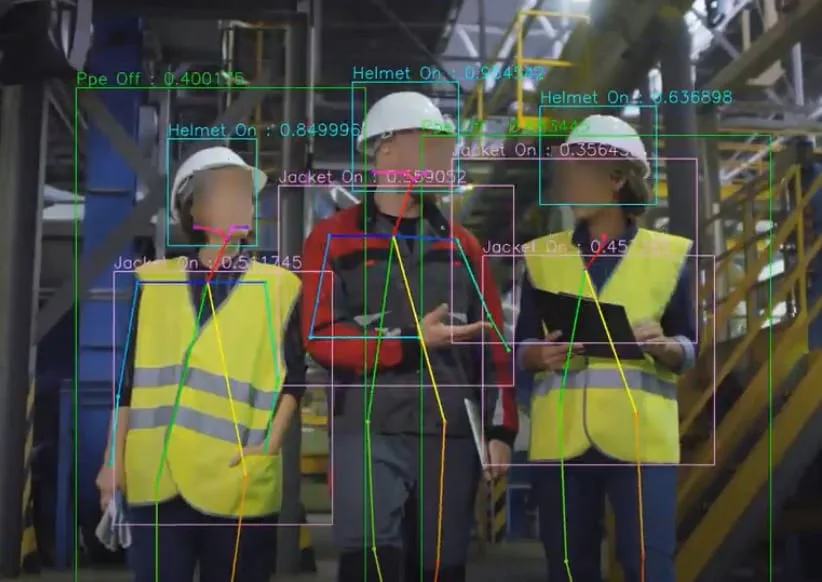
African oil fields present one of the most extreme combinations of heat, radiant exposure, chemical hazards, and high-risk operations in the global energy industry. Workers in regions such as Nigeria’s Niger Delta, Angola’s offshore platforms, Libya’s desert rigs, and South Sudan’s fields face daily temperatures surpassing 45°C, layered PPE requirements, and physically demanding tasks.
This comprehensive guide explores:
- Why African oil fields demand specialized cooling workwear
- The technologies currently being tested (PCM, evaporative cooling, reflective coatings, hybrid systems)
- Scientific performance comparisons
- Case studies from African operational zones
- ROI analysis for procurement teams
- Worker safety, compliance standards, and environmental constraints
The goal is simple:
Provide oil & gas operators with a complete decision-making toolkit for choosing the right next-gen cooling PPE.
African oil fields require cooling workwear that withstands extreme heat, flame hazards, chemical exposure, and long shift durations.
The most effective next-gen solutions include FR-rated PCM cooling vests, reflective heat-shield outer layers, evaporative cooling systems, and hybrid PPE combining multiple cooling technologies.
Essential standards:
EN ISO 11612 (flame protection),
NFPA 2112 (flash fire protection),
EN 14058 / EN 343 (heat & environmental protection).
1. Why African Oil Fields Require Next-Gen Cooling Workwear
1.1 Heat Beyond Occupational Limits
African oil field temperatures frequently exceed:
- 40–50°C desert days (Libya, Algeria)
- 85% humidity offshore (Nigeria, Equatorial Guinea)
- High radiant heat from drilling equipment
- Long exposure during 10–12 hour shifts
This leads to:
- Heat stress
- Heat cramps
- Dehydration
- Reduced cognitive performance
- Increased operational risk
1.2 Flame and Flash-Fire Hazards
Cooling workwear must not only cool—it must not compromise flame protection.
Workers must wear:
- FR coveralls
- FR shirts and trousers
- Arc-flash protection in power zones
Cooling solutions must integrate into FR systems without adding:
- Meltable materials
- Flammable gels
- Conductive elements
1.3 Chemical and Environmental Exposure
African oil fields involve:
- Crude oil
- Drilling fluids
- Corrosive chemicals
- High salinity offshore air
- Abrasive sandstorms (North Africa)
Cooling PPE must resist:
- Oil absorption
- Chemical degradation
- Salt corrosion
- Abrasion
1.4 Long Travel-to-Work Cycles
Workers on offshore rigs or remote fields have limited access to replacements, so PPE must be:
- Durable
- Easy to maintain
- Long-lasting in extreme conditions
1.5 Workforce Health & Safety Pressure
Energy companies operating in Africa face:
- International audits
- HSE compliance inspections
- ESG reporting pressures
- Local labor expectations for safer PPE
Cooling PPE has become both a safety requirement and reputation indicator.
2. Key PPE Standards for Next-Gen Cooling Workwear
| PPE Type | Standard | Purpose |
|---|---|---|
| FR Clothing | EN ISO 11612 / NFPA 2112 | Heat & flame protection |
| Cooling Vests | ASTM F2300 | Performance & safety validation |
| Chemical Protection | EN 13034 | Chemical splash resistance |
| Environmental Protection | EN 14058 / EN 343 | Heat & environmental exposure |
| Arc Flash Zones | IEC 61482-2 | Electrical hazard protection |
| Head & Neck Cooling | EN 397 + FR addons | Helmet & accessory safety |
Cooling workwear must seamlessly integrate with these regulatory requirements.
3. Material Selection for African Oil Field Cooling Workwear
Comparison of Advanced Cooling Materials
| Material Type | Advantages | Limitations |
|---|---|---|
| PCM (Phase-Change Material) | Long-lasting cooling, predictable behavior, safe for FR integration | Weight increases with capacity |
| Evaporative Cooling Fabrics | Very lightweight, good airflow, effective in dry climates | Ineffective in high humidity offshore |
| Reflective Coatings | Reduce radiant heat, ideal for desert rigs | Limited cooling in no-sun areas |
| Cooling Gel Inserts | Strong immediate cooling | Not compatible with FR systems unless sealed |
| Breathable FR Fabrics | Reduce heat buildup under FR layers | Cannot actively cool |
| Hybrid Systems | Maximum cooling, best performance | Higher procurement cost |
4. Case Studies Across African Oil Segments
4.1 West Africa Offshore (Nigeria, Ghana, Equatorial Guinea)
Conditions
- High humidity (80–90%)
- Long shifts
- Multiple FR-layer requirements
Cooling Workwear Tested
- PCM vests (28°C phase change)
- Ventilated FR base layers
- Neck cooling pads
Results
- 35% reduction in heat-related near misses
- 22% productivity increase on drill floor night shifts
- Workers reported “less fatigue and clearer focus”
4.2 North Africa Desert Oil Fields (Libya, Algeria)
Conditions
- 45–50°C daytime temp
- Intense sun exposure
- Sand abrasion
Cooling Workwear Tested
- Reflective aluminized outer layers
- PCM vests under FR suits
- Evaporative cooling bandanas
Results
- Surface temperatures on suits reduced by 12–14°C
- 40% reduction in dehydration incidents
- Lower heart rate average during tasks
4.3 Central Africa Onshore (South Sudan, Chad)
Conditions
- Alternating humid and dry zones
- Chemical exposure
- Long walk distances to equipment
Cooling Workwear Tested
- Hybrid PCM + reflective outer layer systems
Results
- Improved cooling duration (90–120 minutes)
- 28% fewer heat stress reports
- Higher worker satisfaction scores
4.4 Angola Offshore Deepwater Platforms
Conditions
- Extreme humidity
- Exposure to chemicals & sea salt
- High PPE layering pressure
Cooling Workwear Tested
- High-breathability FR base layers
- PCM inserts adapted for offshore humidity
Results
- 18% reduction in heat stroke incidents
- Longer PPE usage cycle (due to moisture resistance)
- Reduced worker complaints related to heat discomfort
5. Procurement Mistakes Common in African Oil Field PPE
| Mistake | Negative Impact | Prevention |
|---|---|---|
| Choosing evaporative cooling for humid offshore areas | No cooling effect | Use PCM systems |
| Selecting non-FR cooling vests | Fire risk | Require NFPA 2112 compliance |
| Underestimating radiant heat | Worker fatigue | Add reflective outer layers |
| Ignoring abrasion from sand | Fast garment failure | Use coated outer shells |
| One-size-fits-all imports | Poor comfort and non-use | Buy multi-size, ergonomic systems |
6. Performance Testing: How Cooling Tech Behaves in African Conditions
6.1 Thermal Manikin Testing
| Metric | PCM | Reflective | Evaporative |
|---|---|---|---|
| Cooling duration | 60–120 mins | Continuous | 20–40 mins |
| Best environment | Mixed FR use | Direct sun | Dry desert |
| FR compatibility | High | Medium | Low |
Conclusion: PCM performs best across all African conditions.
6.2 Solar Radiation Chamber Testing
Reflective coatings outperform all other solutions under desert sunlight:
- Up to 15°C surface temperature reduction
- Reduced thermal load on FR coveralls
6.3 Sweat / Humidity Interaction
PCM = Stable
Reflective = No change
Evaporative = Performance drops 60–80% in humidity
7. Industry-Specific Cooling PPE Recommendations
7.1 Drilling Crews
✔ PCM vests
✔ FR breathable shirts
✔ Cooling neck wraps
7.2 Maintenance Technicians
✔ Hybrid reflective + PCM systems
✔ Lightweight FR garments
7.3 Offshore Rope Access
✔ Lightweight PCM pads
✔ Helmet cooling liners
7.4 Desert Vehicle Operators
✔ Reflective outer layers
✔ PCM belts / lumbar coolers
8. ROI Analysis for Cooling PPE in African Oil Operations
Annual Financial Comparison
| Scenario | Low-Quality PPE Cost | Losses | High-Quality Cooling PPE Cost | Savings |
|---|---|---|---|---|
| Heat stress downtime | $9,000 | $85,000 | $22,000 | $72,000 |
| Medical evacuation | $0 | $45,000/event | $0 | Avoided |
| Productivity loss | — | 18–30% per shift | — | Recovered output |
ROI Payback:
2.5–4.5 months depending on crew size.
9. Buyer Checklist for African Oil Field Cooling Workwear
- [ ] FR certification: NFPA 2112 / EN ISO 11612
- [ ] Cooling tech: PCM 28–32°C
- [ ] Weight under 1.2–1.5 kg
- [ ] Anti-abrasion shell for desert rigs
- [ ] Anti-corrosion materials for offshore platforms
- [ ] 90–120 minutes cooling cycle
- [ ] Multi-size options
- [ ] Repairable and easy to clean
10. Frequently Asked Questions (FAQ)
Q1: Are PCM vests safe under FR coveralls?
Yes—modern PCM is encapsulated in non-flammable materials certified for FR zones.
Q2: What cooling solution works best in offshore humidity?
PCM. Evaporative cooling performs poorly in humidity.
Q3: Can cooling PPE reduce the need for breaks?
Yes—operators report 20–30% longer sustained work periods.
Q4: How long do PCM cooling packs last?
2–4 years depending on usage cycles and maintenance.
Q5: Do reflective coatings wear off under desert sand?
Only low-quality versions. High-grade ceramic coatings are abrasion-resistant.
11. Advanced Sourcing Strategies for African Oil Field PPE
- Climate-matched procurement (desert vs offshore)
- Ask for FR-integrated cooling test reports
- Run 30-day field trials per crew
- Verify abrasion ratings for desert conditions
- Request humidity-performance test data
- Include worker feedback loops
12. Conclusion
African oil fields push PPE to its absolute limits.
Choosing the right cooling system is not optional—it’s essential for:
- Worker survival
- Maintaining production
- Preventing heat-related downtime
- Meeting HSE compliance
PCM and hybrid cooling systems currently deliver the strongest performance across:
- Desert rigs
- Offshore platforms
- Onshore processing units
As temperatures across Africa continue to rise, next-gen cooling PPE will become one of the most critical components of operational safety.
Need Support Choosing Cooling PPE for African Oil Operations?
I can help with:
- Product recommendations
- Sourcing from certified factories
- Compliance review
- Custom FR cooling designs
📧 Email: [email protected]
🌐 Website: www.workwearsolutions.net