FR Clothing for Women: Safety, Fit, and Function Without Compromise
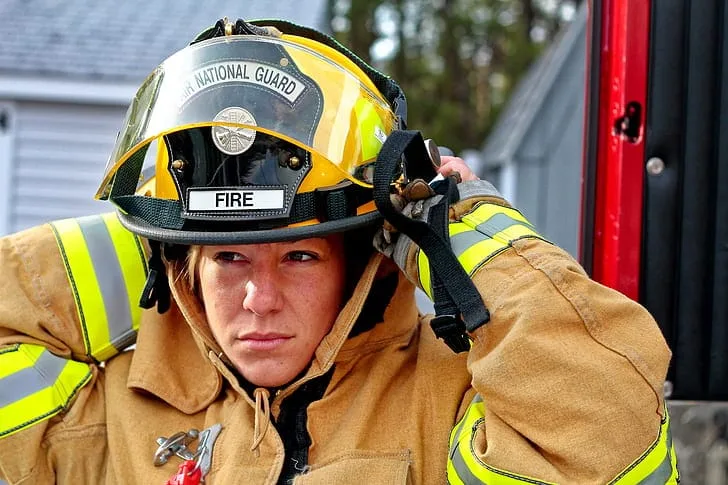
If you walk onto a jobsite today, chances are you’ll see more women in hard hats than ever before. But if you look closely at their uniforms, you’ll often find something frustrating:
They’re wearing FR clothing designed for men.
It’s too long in the arms, too baggy in the chest, or too tight in the hips. And worse—it compromises safety, confidence, and compliance.
It’s time we stop treating women’s FR needs as an afterthought. Here’s what every PPE buyer should know about Flame Resistant Clothing for Women—and why fit is more than just comfort. It’s protection.
Why One-Size-Fits-All Doesn’t Work
The average FR garment is designed around a male body type—broad shoulders, narrow hips, longer torso. For women, this means:
- Loose fabric that catches on tools or machinery
- Shirts that ride up, exposing skin
- Pants that constrict movement or sag
- Extra material that increases heat stress
- Garments so ill-fitting that workers alter them—compromising FR integrity
⚠️ FR gear that doesn’t fit properly creates gaps in protection, increasing injury risk during an arc or flash fire event.
Fit and Mobility Challenges with Unisex Gear
Bad fit doesn’t just look bad—it makes work harder.
Common complaints from female workers:
- “I can’t bend my knees in these pants.”
- “The shoulders are way too wide for me.”
- “When I reach up, my shirt untucks.”
- “The crotch is down at my knees.”
- “I feel bulky and unsafe climbing ladders.”
✅ Clothing that moves with the wearer enhances both performance and protection—especially in confined spaces or hot zones.
Brands Offering Female-Fit FR Clothing
The good news? A growing number of manufacturers are now producing women-specific FR garments designed from the ground up—not just "smaller men’s sizes."
Examples of product lines:
| Brand | Product Types Available |
|---|---|
| Bulwark® FR Women’s Line | Shirts, pants, coveralls, outerwear |
| Ariat® FR for Women | Performance shirts, jeans, jackets |
| Carhartt® Women’s FR | Utility pants, coveralls, rainwear |
| Lakeland® | FR lab coats, hoods, base layers |
✅ These products are cut for real female proportions—accounting for bust, hip, and waist shape, plus comfort and range of motion.
Compliance vs. Comfort in Real Job Sites
Some companies hesitate to purchase women-specific FR gear because of:
- Limited stock availability
- Slightly higher per-unit costs
- Fear of being “inconsistent” across the team
But here’s the truth: compliance without comfort fails.
When PPE isn’t worn properly—because it’s uncomfortable, hot, or ill-fitting—it’s as good as not worn at all.
What happens when women are forced into men’s gear:
- Roll up sleeves (creates heat pocket)
- Untuck shirts (exposes midsection)
- Cut or sew garments (violates FR certification)
- Avoid full movement or skip tasks entirely
✅ Investing in proper fit increases wear time, reduces fidgeting, and leads to better long-term compliance.
How to Build Inclusive PPE Programs
If you’re responsible for outfitting a mixed-gender team, here’s how to start:
Step 1: Survey your workers
- Ask women about current fit issues and comfort needs
- Understand tasks requiring extra mobility or coverage
Step 2: Source from suppliers with women’s lines
- Ensure availability in all relevant FR categories: shirts, pants, outerwear, rain gear, base layers
Step 3: Offer dual sizing options
- Maintain men’s and women’s versions of core garments
- Let each worker choose what fits best for them
Step 4: Train procurement staff
- Show why FR integrity depends on not modifying garments
- Educate on label reading (ASTM/NFPA standards apply to women’s gear too)
✅ Optional: offer a try-on program or fit kit before issuing uniforms—avoids wasted inventory.
Feedback from Women in Oil & Gas, Utilities, and Welding
Here’s what real women in the field say about wearing FR gear that fits:
"I finally feel like I belong here."
—Electrical apprentice, wearing fitted FR coveralls for the first time"Before this, I was constantly worried about flashing skin."
—Oil rig technician"When I wear gear that fits, I stop thinking about it—and focus on the job."
—Welder, refinery maintenance crew
✅ Proper FR fit isn’t about style. It’s about focus, confidence, and equal access to protection.
Conclusion
When your team includes women, your PPE should reflect that—not by shrinking the gear, but by respecting the worker.
FR clothing for women is no longer a “nice-to-have.” It’s a standard of professionalism, safety, and inclusion that smart companies are already embracing.
When sourcing FR gear:
- Ask for women-specific sizing and fit
- Match garments to NFPA and ASTM certifications
- Don’t compromise on protection for cost or convenience
- Let your workers feel seen, protected, and respected
Need help sourcing FR gear that fits women right—from base layers to coveralls to outerwear? I’ve got the connections, factories, and expertise to help.
📩 Contact: [email protected]
🌐 Visit: www.workwearsolutions.net