Foundry Workwear: Clothing That Protects Against Molten Metal Splash
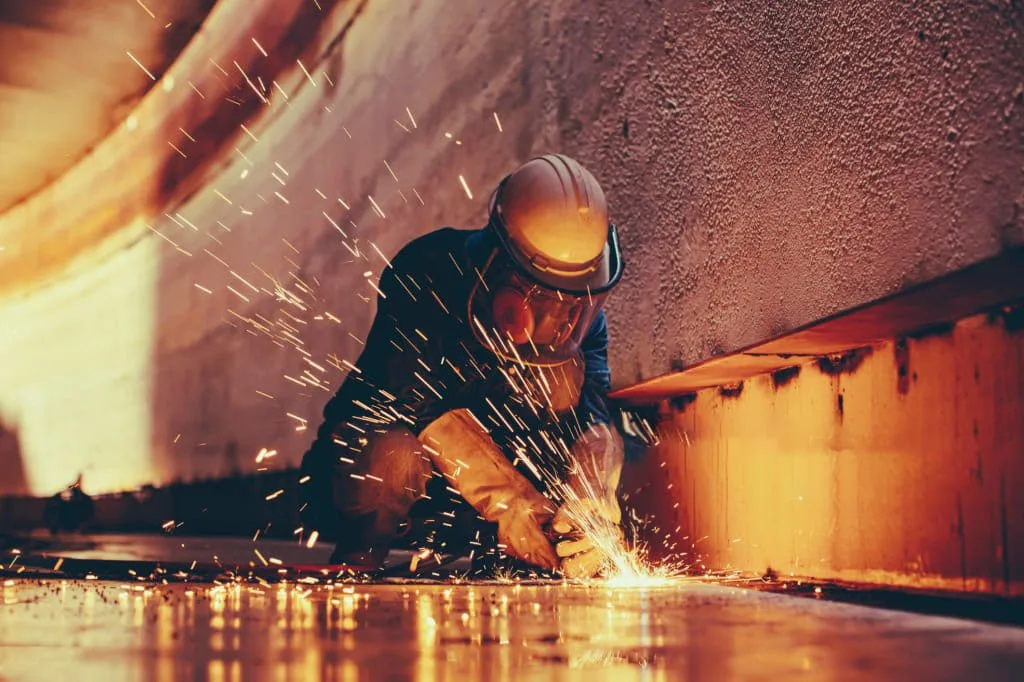
In a foundry, danger doesn’t just come from flames—it comes from metal at 1,500°C splashing onto skin.
And in this environment, ordinary “flame-resistant” workwear isn’t enough. You need gear specifically built to resist molten metal splash, deflect radiant heat, and maintain integrity under extreme thermal shock.
Welcome to the world of foundry workwear—where the clothing must work as hard as the people wearing it.
Why Foundry Workwear Needs Specialized Protection
In steel mills, aluminum plants, and casting lines, workers face:
- Molten metal splash from ladles, runners, and pouring
- Slag particles and flying dross during cooling
- Radiant heat from furnaces and molds
- Hot tools, surfaces, and metal contact
⚠️ A single drop of molten iron can burn through most fabrics in seconds.
Even worse, synthetic blends can melt onto skin, increasing injury severity.
✅ Foundry clothing isn’t just about resisting flames—it must survive direct, high-temperature impact.
Key Standards for Foundry Protective Clothing
When selecting gear, insist on compliance with these international safety standards:
| Standard | Purpose |
|---|---|
| EN ISO 11612 | General heat and flame resistance (look for D & E ratings) |
| EN ISO 9185 | Specific molten metal splash resistance test |
| ASTM F955 | U.S. test for molten metal resistance |
| EN ISO 11611 | Welding + hot metal exposure (often paired use) |
✅ EN ISO 11612 performance codes to know:
- D = Resistance to aluminum splash
- E = Resistance to iron splash
- F = Contact heat resistance
Matching Workwear to Metal Type
| Molten Metal Type | Risk Level | Recommended Garment Features |
|---|---|---|
| Aluminum (660°C) | Spreads wide when splashing | Non-stick fabrics (to prevent adhesion), D3-rated gear |
| Iron / Steel (1,200–1,500°C) | High radiant heat + splash force | Multi-layer, E3-rated outerwear, aluminized surfaces |
| Zinc / Copper / Brass | Short splash distance, but high thermal impact | Inherent FR + leather or composite shields |
✅ Don’t use aluminum-rated clothing in a steel foundry. Splash behavior and temperature differ drastically.
Best Materials for Foundry Protective Clothing
| Material | Key Properties | Use Case |
|---|---|---|
| Inherent FR cotton blends | Good for base layers; breathable | Inner garments, light foundry work |
| Aluminized fabrics | Reflect radiant heat, resist splash adhesion | Outer jackets, aprons, spats |
| Aramid/Kevlar® blends | Cut resistance, heat tolerance | Sleeves, trousers, high-mobility zones |
| Leather (chrome split) | Natural barrier to sparks and minor splash | Gloves, aprons, boot covers |
| Modacrylic + wool mixes | Comfort + insulation | Cold-climate foundries or underlayers |
✅ Most high-risk setups use layered systems:
Inner FR base layer → Middle thermal barrier → Aluminized or leather outer shell
Typical Foundry Workwear Components
| Garment | Protection Focus |
|---|---|
| Aluminized Jacket | Reflects heat, deflects splash |
| Molten Metal Pants | Reinforced knees, non-stick outer fabric |
| FR Base Shirt | Worn under jacket for sweat control and flame spread |
| Spats / Gaiters | Protect lower leg and boot entry points |
| Helmet Hoods / Shrouds | Full neck + face coverage with reflective outer shell |
| Aprons + Sleeves | For secondary exposure tasks (e.g., inspection, grinding) |
⚠️ Never leave skin exposed in pouring zones. A single wrist gap or loose cuff can result in severe burns.
Functional Features to Look For
- Elastic cuffs with secure closures (no buttons that can heat up)
- Double storm flaps on jackets to block entry points
- Metal-free trims—plastic melts, metal burns, only FR hardware allowed
- High collar or attachable hood options
- Roomy fit to layer over base gear, without restricting mobility
- Breakaway zippers or emergency tear zones (in some high-risk operations)
✅ Reflective tape should be FR-rated and won’t degrade under radiant heat.
Maintenance Tips to Preserve Splash Resistance
- Wash only with FR-safe detergents, no bleach or softener
- Avoid overdrying—can damage aluminized coating
- Inspect after every shift for scorch marks, burns, or stiffening
- Retire garments with:
- Delamination of reflective layers
- Fabric hardening or cracking
- Compromised stitching near high heat zones
🚫 Never repair foundry clothing with non-certified thread or patches.
Questions to Ask Before You Buy
- Is the clothing tested for both aluminum and iron splash? (EN ISO 9185 D3/E3?)
- What’s the maximum heat exposure time?
- Are the fabrics non-stick for molten metal adhesion?
- Is this garment part of a system (base + shell), or stand-alone?
- What’s the expected lifespan and wash cycle durability?
- Can you custom-size for layering and movement?
At workwearsolutions, we help foundries build full-layer systems tailored to their metal type, furnace setup, and worker movement.
Conclusion
Foundry environments demand the highest standard of industrial clothing—because there’s no second chance when molten metal splashes.
If you’re sourcing foundry PPE:
- Match the gear to metal type and process temperature
- Choose garments that resist splash, radiant heat, and abrasion
- Verify certifications—especially ISO 11612 D/E levels
- Train staff to inspect and wear gear correctly, with zero gaps
Need help building a certified foundry wear system for your steel, aluminum, or copper operation? I’m here to help you protect your team—from ladle to locker room.
📩 Contact: [email protected]
🌐 Visit: www.workwearsolutions.net