Common Mistakes in Using Aluminized PPE—and How to Avoid Them
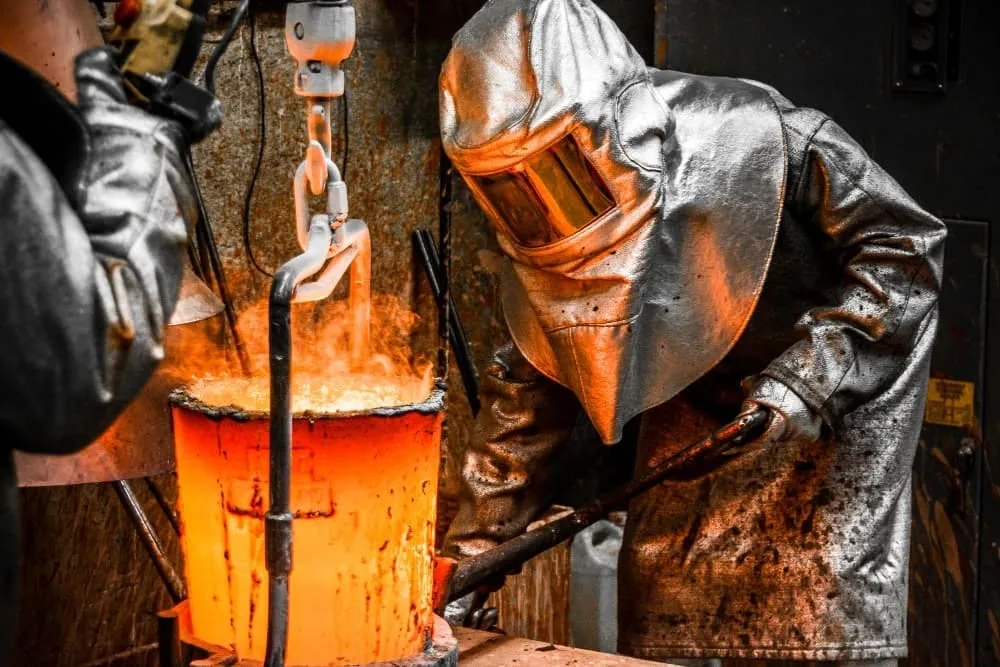
Aluminized PPE looks tough—but it’s not invincible.
In high-heat environments, even the best gear can fail if it’s used incorrectly.
From storing it the wrong way to pairing it with non-FR layers, small mistakes can turn protective equipment into a serious liability.
Here are the most common mistakes workers and buyers make when using aluminized clothing—and how to avoid them.
Mistake #1: Assuming “Flame-Resistant” = “Heat-Proof”
Why It’s Wrong:
Not all FR clothing reflects radiant heat.
Standard FR garments (like cotton-blend coveralls) can survive a flash, but they’ll absorb and transfer heat over time.
The Fix:
✅ Use aluminized PPE when radiant or molten heat is involved
✅ Use FR clothing for flash fire, arc flash, or light spark work
🔥 If your workers are near furnaces, they need PPE that reflects—not just resists.
Mistake #2: Wearing Non-FR Layers Underneath
Why It’s Dangerous:
Wearing polyester or nylon under aluminized PPE can be deadly.
If heat penetrates the outer layer, those materials melt, fuse to skin, and make burns worse.
The Fix:
✅ Only wear FR-rated base layers under aluminized gear
✅ Educate workers on what counts as “safe” underlayers (FR cotton, Nomex®, etc.)
Mistake #3: Choosing the Wrong Type of Aluminized Fabric
The Problem:
Fiberglass is better for molten splash
Aramid is better for mobility and comfort
But many buyers default to whichever is cheaper or available—regardless of the job.
The Fix:
✅ Match fabric type to risk:
- Molten splash → fiberglass
- Furnace or radiant exposure → aramid
- Dual hazard zones → carbon/Kevlar blends
Need help? Ask your supplier for guidance.
Mistake #4: Not Replacing Damaged or Faded Gear
Why It’s Risky:
Aluminized clothing relies on that shiny outer layer to reflect heat.
Once it’s scratched, scorched, or darkened, it no longer performs.
The Fix:
✅ Inspect PPE before every shift
✅ Replace if:
- Coating turns dull
- Fabric is burned or delaminated
- Reflective surface flakes or cracks
⚠️ A $20 apron repair isn’t worth a hospital bill.
Mistake #5: Washing It Like Regular Workwear
What Goes Wrong:
Hot dryers, harsh detergents, and aggressive washing destroy the reflective layer.
The Fix:
✅ Follow manufacturer care instructions
✅ Use:
- Cold or warm water (not hot)
- FR-safe, neutral detergents
- Line-dry or low tumble only
Never use:
❌ Bleach
❌ Fabric softener
❌ Industrial dry-cleaning (unless approved)
Mistake #6: Skipping Face, Neck, or Foot Protection
Why It Happens:
Many workers think a jacket is enough. But heat travels—especially in molten metal or radiant environments.
The Fix:
✅ Use a full PPE system:
- Hood with face shield
- Apron or pants
- Boot covers or spats
- Neck guard or balaclava (FR-rated)
🔥 A drop of molten aluminum down a boot cuff can cause life-changing injuries.
Mistake #7: Mismatching With Other PPE
Examples:
- Hoods that don’t fit helmets
- Jackets that block harness points
- Sleeves that don’t tuck into gloves
The Fix:
✅ Test all PPE as a system
✅ Use garments with:
- Adjustable cuffs and closures
- Helmet-compatible hoods
- Harness slots or openings
- Overlap zones to eliminate skin gaps
Mistake #8: Using Aluminized Gear for the Wrong Job
Real Talk:
Aluminized PPE isn’t for:
- Arc flash protection
- Chemical splash
- Electrical insulation
- Long-term breathable comfort
The Fix:
✅ Use aluminized gear only for:
- Radiant heat
- Molten metal
- Thermal blast areas
And combine it with FR or other PPE as needed.
Quick Checklist: Safe Use of Aluminized PPE
✅ Right garment for the hazard
✅ FR base layer underneath
✅ Reflective surface intact
✅ Worn as a full system
✅ Properly stored (clean, cool, dry)
✅ Regular inspection and replacement
✅ Compatible with helmets, gloves, and boots
✅ Follow cleaning instructions strictly
Conclusion
Aluminized PPE is powerful—if used correctly.
But even the best gear becomes useless if it’s:
- Worn wrong
- Paired wrong
- Cleaned wrong
- Or chosen wrong
As a buyer or safety leader:
- Don’t assume
- Don’t guess
- Ask your supplier for help matching gear to risk
Want a second opinion on your current aluminized setup? Need help training staff on proper care and use? Let’s make sure your investment in PPE actually works when it matters.
📩 Contact: [email protected]
🌐 Visit: www.workwearsolutions.net