Chainsaw Gloves: Balancing Dexterity and Protection
Archived resource. Confirm current standards, supporting test evidence and project applicability before relying on technical or case information.
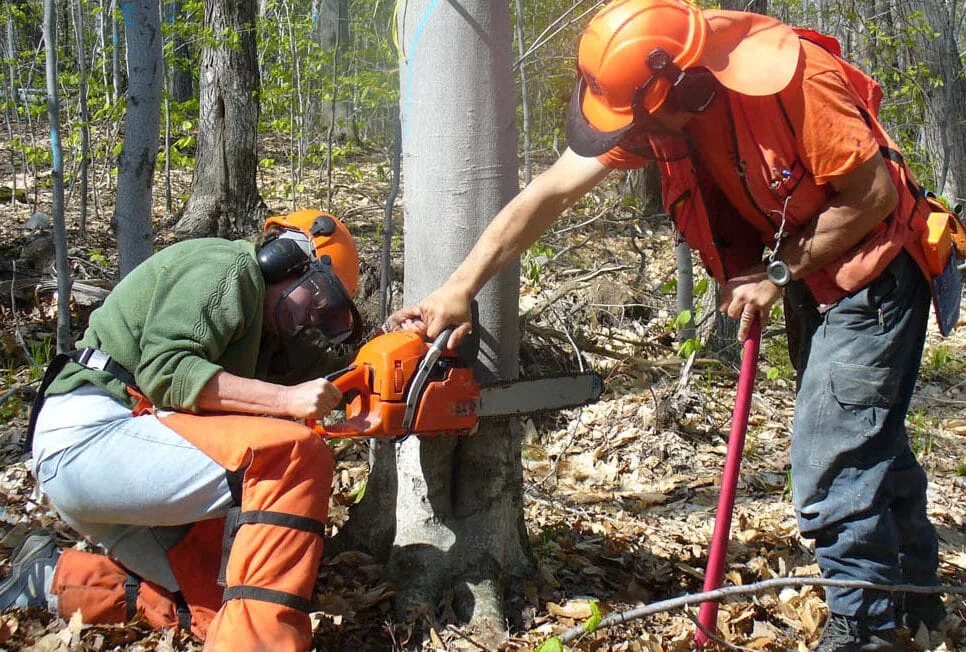
When operating a chainsaw, your hands face two critical hazards: sharp chain contact and high-frequency vibration. A split-second mistake without gloves can lead to deep lacerations, nerve damage, and long-term health issues like HAVS (Hand-Arm Vibration Syndrome). Chainsaw gloves combine cut resistance, vibration damping, and grip performance—but not all gloves are created equal.
This article explores:
- Why gloves matter for chainsaw safety
- Key design features and materials
- Common buying mistakes and how to avoid them
- Real-world case studies and a practical buyer checklist
Google Snippet: Quick Answer
Chainsaw gloves provide cut resistance on the left hand (most exposed during kickback), vibration damping to reduce HAVS risk, and textured palms for grip. Certified under EN ISO 11393-4 or EN 388, these gloves protect without compromising dexterity for precise control.
Why Chainsaw Gloves Are Essential
Hands are second only to legs in chainsaw injury statistics:
- 20% of chainsaw accidents involve fingers, palms, or wrists.
- Kickback incidents often cause the saw to strike the left hand.
Case Example #1 (Germany):
An arborist skipped gloves during limb cutting. A chain kickback severed two fingers. Recovery took 6 months and cost €40,000 in surgeries and lost income.Case Example #2 (Canada):
A forestry worker wearing EN ISO 11393-certified gloves sustained only a surface scratch in a similar accident. The gloves’ protective layers jammed the chain and prevented major injury.
Key Features of Chainsaw Gloves
1. Cut-Resistant Protection
- Focused on the back of the left hand—the most exposed area during kickback.
- Layers of Kevlar® or Dyneema® fibers to snag and stop the chain.
Note:
Full-hand cut resistance is rare because it reduces dexterity, which is critical for control.
2. Anti-Vibration Technology
- Chainsaws produce vibrations of 8–10 m/s², causing long-term nerve and blood vessel damage.
- Gloves feature:
- Gel or foam padding in palms
- Special linings to absorb shock
Pro Tip:
Look for gloves tested to EN ISO 10819 for vibration reduction.
3. Enhanced Grip and Dexterity
- Textured palms for secure grip in wet or oily conditions.
- Slim fit for handling small controls and rope work without compromising safety.
Materials Commonly Used
- Kevlar®: Excellent cut resistance and heat protection.
- Dyneema®: Lightweight, cool for extended wear.
- Synthetic leather & nitrile: For grip and abrasion resistance.
Standards and Compliance for Chainsaw Gloves
- EN ISO 11393-4: Protective gloves for chainsaw use.
- EN 388: Mechanical resistance (abrasion, cut, tear, puncture).
- ANSI/ISEA 105: U.S. cut-resistance standard.
Buyer Insight:
Always verify markings on the glove cuff and request manufacturer certificates.
Common Buyer Mistakes
- Assuming all cut-resistant gloves work for chainsaws—they don’t.
- Skipping vibration protection for cost savings.
- Buying oversized gloves—loose fit reduces control and increases snag risk.
- Choosing fashion over function—bright gloves with no certification are common on low-cost marketplaces.
Red Flag:
If the glove doesn’t specify chainsaw protection standard (EN ISO 11393-4), it’s not intended for chainsaw use.
Quick Procurement Checklist for Chainsaw Gloves
- [ ] EN ISO 11393-4 certification for chainsaw protection
- [ ] EN 388 mechanical resistance rating
- [ ] Vibration reduction feature (EN ISO 10819 compliant)
- [ ] Cut-resistant fibers on the left hand
- [ ] Non-slip grip for wet or oily conditions
- [ ] Proper size for dexterity and control
- [ ] Supplier provides batch and test reports
Buyer FAQ
Q: Why is cut resistance only on one hand?
A: The left hand is most exposed to chain contact; full-hand protection compromises flexibility.Q: Do gloves eliminate HAVS risk?
A: No, but they reduce exposure significantly when paired with proper saw maintenance and work practices.Q: Can I use regular work gloves for chainsaws?
A: Absolutely not—they lack both cut and vibration protection.
Conclusion
Chainsaw gloves are small in size but massive in importance. They protect hands from catastrophic injuries and reduce long-term health issues like vibration syndrome. For buyers, prioritize certified gloves with cut protection, anti-vibration features, and superior grip—cheap gloves cost more in the long run.
Need EN ISO 11393-4 and EN 388-certified chainsaw gloves for your team?
Email: [email protected]
Website: www.workwearsolutions.net