Arc Flash PPE Kits: Complete Protection in One Package
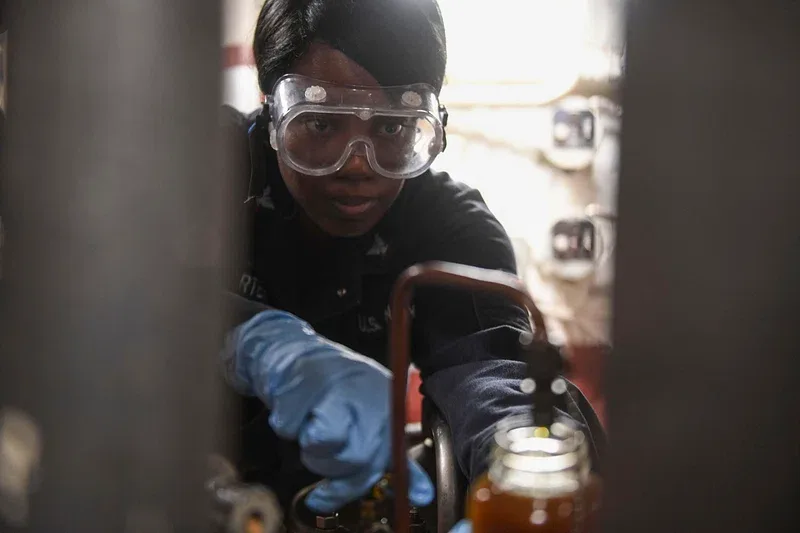
Building an arc flash PPE program from scratch can feel overwhelming. There are jackets, gloves, hoods, boots, and more to think about—each with its own rating, standard, and use case.
That’s where Arc Flash PPE Kits come in.
These pre-assembled gear sets are designed to give workers head-to-toe protection for specific arc flash categories (CAT 1–4). Whether you’re outfitting a new team, sending contractors into a high-voltage facility, or preparing for emergency electrical work, kits are the fastest and safest way to stay compliant.
What’s Included in a Typical Arc Flash Kit?
Arc Flash PPE kits are typically designed based on the incident energy level or CAT rating required for the job. A complete kit covers the head, face, body, hands, and feet—with standardized components that work together as a system.
A typical CAT 2–4 kit might include:
| PPE Component | Description |
|---|---|
| Arc-rated jacket & pants | Flame-resistant and rated for specific ATPV |
| Arc flash hood or face shield | With integrated helmet and balaclava |
| Rubber insulating gloves + leather protectors | For voltage protection |
| Arc-rated balaclava | Neck and head protection beneath hood |
| Hearing protection | Earplugs or dielectric earmuffs |
| Gear bag or carrying case | For clean transport and organized storage |
| Optional: EH boots, safety glasses, lockout tags | Based on jobsite needs |
Some kits also include spare gloves, replacement visors, or compliance documentation for inspections.
✅ Pro tip: Many suppliers offer customizable kits based on your voltage environment or specific maintenance procedures.
Pros and Cons of Pre-Assembled Kits vs. Custom PPE Selections
✅ Advantages of Arc Flash PPE Kits:
- Simplifies purchasing—one kit = all essential items
- Ensures certified compatibility between gear
- Useful for contract workers or traveling crews
- Improves training and compliance with standardized layouts
- Reduces risk of mismatched ratings or forgotten gear
- Ideal for emergency preparedness and quick deployment
⚠️ Limitations:
- May include components your team doesn’t need or already has
- Sizing may be limited—check if adjustable or offered in multiple sizes
- May not fit all work conditions (weather, duration, job type)
- Less flexible for mix-and-match or brand-specific preferences
Ideal strategy: Use kits as a base loadout, and customize as needed for environmental or role-specific factors.
When to Use Arc Flash Kits: Best Use Cases
Arc flash PPE kits are perfect for situations where fast, full-body protection is needed with minimal setup time or training.
Best use scenarios:
- Electrical contractors visiting client sites
- New hire onboarding in utility or energy companies
- Outage crews working on substations or high-voltage panels
- Maintenance teams during scheduled shutdowns or turnarounds
- Rental gear for short-term subcontractors
- Emergency response (e.g., storm damage repair)
They’re also a great option for international procurement, where ensuring all the correct standards are met can be more difficult.
✅ You can also assign kits by role (e.g., maintenance, inspection, response), simplifying inventory and budget control.
Choosing Kit Ratings Based on Arc Flash Categories (CAT 1–4)
Arc PPE kits should always match the hazard level identified in your arc flash risk assessment. Each kit is usually rated by minimum ATPV or PPE Category (CAT) level.
| CAT Level | ATPV Requirement | Recommended Kit Components |
|---|---|---|
| CAT 1 | 4 cal/cm² | Shirt + pants, arc-rated face shield, gloves |
| CAT 2 | 8 cal/cm² | Full-body arc-rated clothing, balaclava, HPE |
| CAT 3 | 25 cal/cm² | Multi-layer garments, hood w/ helmet, insulated gloves |
| CAT 4 | 40 cal/cm² | Heavy-duty arc suit, full hood, layered gloves, extras |
Always check for:
- Labeled ATPV rating on garments and hoods
- Glove voltage class and test certification
- Standards compliance: NFPA 70E, ASTM F1506, ASTM F2178, CSA Z462
⚠️ Kits without labeled ATPV or certification documents should be avoided—they can lead to legal and safety liabilities.
Storage, Transport, and Kit Bag Features That Matter
Arc PPE kits often come with a duffle bag, gear case, or backpack for convenient handling—but not all bags are created equal.
Ideal bag features:
- Water-resistant and flame-retardant outer fabric
- Separate compartments for clean vs. used gear
- Padded helmet/visor compartment to prevent damage
- Reinforced straps and zippers for field durability
- Clear ID pocket for employee assignment
- Easy-to-read gear checklist inside
✅ Consider QR-coded inventory tracking for shared-use kits or contractor rotation.
Best Practices for Kit Management Across Job Sites
To ensure PPE kits remain effective and compliant:
- Assign kits to individuals, not just job roles
- Log inspection dates for gloves, hoods, and clothing
- Set up a replacement calendar for perishable items
- Train workers on donning/doffing full kits properly
- Keep extra spare components for high-use parts (gloves, balaclavas, hearing protection)
Many companies now store backup kits in lockers near substations or in maintenance trucks for emergency access.
Conclusion
Arc flash PPE kits take the guesswork out of protecting workers from electrical hazards. They save time, reduce risk, and help ensure consistent compliance—especially for teams working across multiple job sites or environments.
When sourcing PPE kits:
- Match kit rating to your hazard analysis
- Ensure certified components and labeled ATPV values
- Choose vendors who allow customization by task or climate
- Build a smart inventory and inspection process around kit use
Need help selecting or customizing arc flash PPE kits for your team, project, or market? I can help you find the right combination—whether for CAT 2 light-duty or full CAT 4 arc operations.
📩 Contact: [email protected]
🌐 Visit: www.workwearsolutions.net