Aluminized PPE vs. Standard FR Clothing: What’s the Difference and When to Use Each?
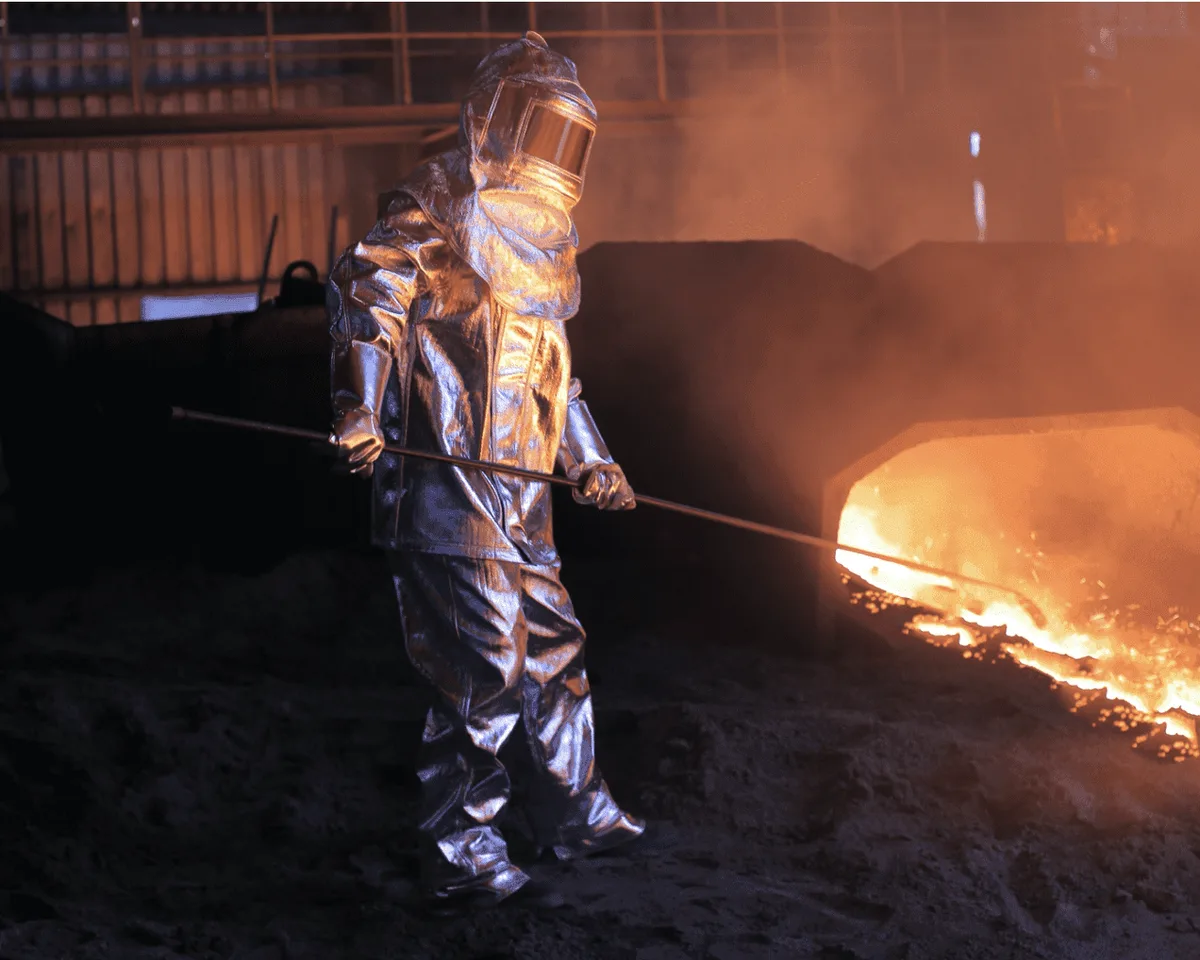
Not all fire-resistant clothing is created equal.
When you’re sourcing PPE for workers facing fire, heat, or molten splash hazards, it’s critical to know the difference between standard flame-resistant (FR) clothing and aluminized PPE.
The wrong choice can lead to burns, failed audits—or worse.
Here’s how to decide which one is right for your team and your application.
What Is Standard FR Clothing?
FR clothing refers to garments made from inherently flame-resistant fibers or treated fabrics that self-extinguish when exposed to flame.
Common FR materials:
- Aramid blends (e.g., Nomex®, Kevlar®)
- FR cotton or modacrylic blends
- Carbon-based fabrics
What it protects against:
- Short-duration flame exposure (flash fires)
- Thermal arcs (electric arc flash)
- Hot surfaces or tools
- Low to moderate radiant heat
✅ FR clothing is designed to prevent ignition and limit burn injury if exposed to sudden fire or sparks.
What Is Aluminized PPE?
Aluminized PPE features an outer layer of reflective aluminum bonded to a heat-resistant fabric base (like fiberglass, aramid, or carbon).
Its primary function is to reflect radiant heat and shield against molten metal splash.
What it protects against:
- Extreme radiant heat (e.g. furnaces, kilns)
- Molten aluminum, iron, or steel splash
- Prolonged high-temperature exposure
- Convective + contact heat from surrounding hot air/surfaces
✅ The shiny exterior isn’t just cosmetic—it can reflect up to 90% of radiant heat.
Key Differences at a Glance
| Feature | Standard FR Clothing | Aluminized PPE |
|---|---|---|
| Main Protection | Flame and fire | Radiant heat and molten splash |
| Reflects Heat? | ❌ No | ✅ Yes – up to 90% of radiant heat |
| Molten Splash Rating | ❌ Usually not rated | ✅ Often ASTM F955 / EN ISO D/E rated |
| Application Time | Short exposure | Long-term or continuous high-heat zones |
| Weight and Bulk | Lightweight, breathable | Heavier, less breathable |
| Comfort Level | High for daily wear | Designed for high-risk tasks only |
| Typical Garments | Shirts, pants, coveralls | Coats, hoods, aprons, boot covers |
When to Use FR Clothing
Choose standard flame-resistant gear when your team is exposed to:
- Arc flash risks (electrical work)
- Flash fire environments (oil & gas, refinery)
- Hot tools, pipes, or steam
- Welding sparks (non-intensive)
- Jobs requiring daily wear + mobility
Common job sites:
- Electrical utilities
- Oil rigs and pipelines
- Confined space entry
- Chemical plant operations
- Arc-rated welding
✅ Lighter, more breathable, and suitable for full-shift wear.
When to Use Aluminized PPE
Use aluminized garments when your team faces:
- Radiant heat from open furnaces or kilns
- Proximity to molten metal pouring, casting, tapping
- High-temperature manufacturing (glass, steel, aluminum)
- Prolonged exposure to open flame and high-heat zones
Common job sites:
- Foundries and smelters
- Glass production plants
- Metal forging operations
- Aircraft rescue firefighting (ARFF)
- Heat-treatment and thermal coating shops
✅ Worn over base FR gear or in short bursts for task-specific high-heat operations.
Can You Layer Them Together?
Yes—and in many cases, you should.
Here’s how a typical system looks:
| Layer | Purpose | Example Garment |
|---|---|---|
| Base Layer | Moisture-wicking FR comfort | FR cotton long-sleeve shirt |
| Mid Layer | Optional insulation | Quilted FR vest or fleece |
| Outer Layer | Reflective protection | Aluminized jacket, pants, hood |
⚠️ Never wear non-FR layers under aluminized PPE—they can melt and trap heat during an incident.
What to Ask Before You Buy
- What type of heat are workers exposed to? (flame vs. radiant vs. molten)
- Is there risk of metal splash or long-term furnace proximity?
- Do you need daily wear or task-specific coverage?
- Will workers be moving a lot or mostly stationary?
- Are you layering with respirators, gloves, harnesses, or helmets?
At workwearsolutions, we help clients design FR + aluminized systems tailored to task, comfort, and compliance.
Conclusion
FR clothing and aluminized PPE aren’t interchangeable—they serve very different purposes.
As a buyer:
- Choose FR for daily protection from flash fire, arc flash, or light heat
- Choose aluminized PPE for task-specific shielding from intense radiant or molten hazards
- Use both together when the job demands it
- Don’t let “flame-resistant” be your only checkbox—know your heat source
Need help choosing between aluminized and standard FR gear—or building a layered solution that meets safety standards and keeps workers comfortable? Let’s talk.
📩 Contact: [email protected]
🌐 Visit: www.workwearsolutions.net