
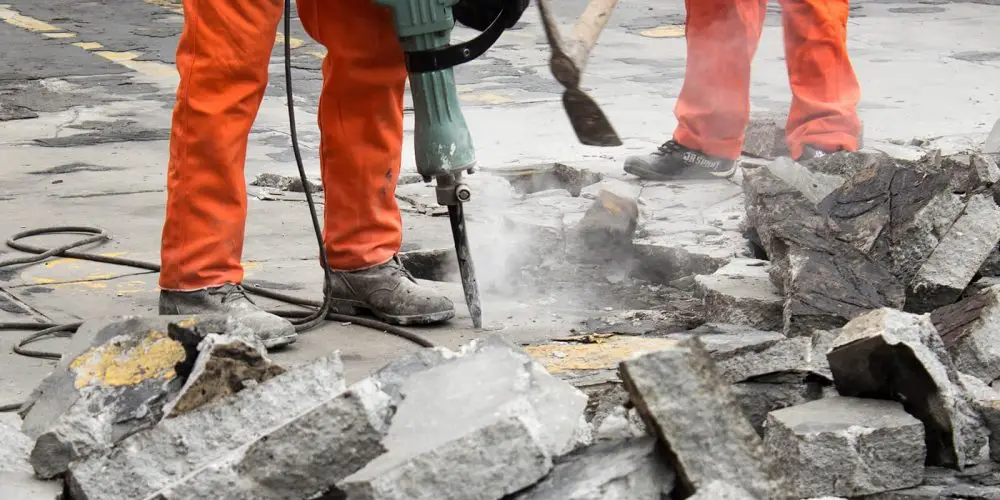
A Complete Decision-Making Framework for Hot Climate Workplaces
Hot-weather industries—from construction and logistics to mining, agriculture, and factory production—face a dangerous combination of high temperatures, intense physical activity, and long work shifts. Workers exposed to heat stress are at risk of fatigue, dehydration, heat stroke, and productivity loss.
Cooling workwear (also called heat-protection workwear) is no longer a “summer accessory”—it is a frontline safety tool that directly impacts worker health, operational efficiency, and your company’s bottom line.
This procurement guide combines:
- Part 1: Cooling technology fundamentals & safety standards
- Part 2: Procurement strategies, ROI analysis & case studies
…to help you make informed, durable, ROI-driven choices for cooling workwear that actually lasts.
Cooling workwear protects workers from heat stress using technologies like evaporative cooling, phase-change materials (PCM), breathable fabrics, and moisture-wicking textiles.
When sourcing, prioritize UPF protection, ergonomic design, durability tests, and compliance with ISO 13688 or EN ISO 20471 (for visibility in hot outdoor environments).
Key items include cooling vests, breathable shirts, mesh safety vests, moisture-wicking pants, evaporative neckbands, portable fan jackets, and sun-protective headwear.
1. Why Hot-Weather Work Environments Require Specialized Cooling Workwear
High-temperature workplaces are not just uncomfortable—they are dangerous and can cause operational inefficiencies that cost companies millions annually.
Below are the key factors that make specialized cooling workwear essential.
🌡️ Extreme Heat Exposure
Industrial heat sources include:
- Direct sun exposure (construction, road work, agriculture)
- Radiant heat from machinery (manufacturing, foundries)
- Enclosed hot environments (warehouses, cargo trucks)
- High-humidity environments (food processing, laundry facilities)
Prolonged exposure leads to:
- Heat exhaustion
- Heat stroke
- Dehydration
- Loss of focus & slower reaction times
- Increased injury rates
Cooling workwear helps regulate core body temperature and reduces physiological strain.
💧 High Sweat Rate & Moisture Management Problems
Workers performing physical tasks can lose:
- 0.5–1.5 liters of water per hour in high heat
- Electrolytes necessary for cognitive performance
Without proper clothing:
- Sweat builds up
- Clothing becomes heavy
- Workers feel sticky & overheated
- Skin irritation and rashes occur
Moisture-wicking and quick-dry fabrics restore comfort and prevent bacterial growth.
🛠️ Physical Labor + Heat = Compounded Fatigue
Heat reduces:
- Judgment
- Coordination
- Grip strength
- Focus
- Productivity
Cooling workwear improves:
- Worker stamina
- Decision-making
- Movement comfort
- Overall shift endurance
☀️ UV & Sun Protection Requirements
Outdoor workers face:
- UV exposure
- Sunburn
- Long-term skin damage
- Heat accumulation under dark fabrics
Cooling workwear should include:
- UPF 30–50+
- Bright or reflective colors
- Anti-sweat collar and hidden vents
🦺 Safety Compliance & Visibility
In heat-heavy environments, visibility PPE must also remain breathable and lightweight.
Combining cooling technology with EN ISO 20471 high-visibility standards prevents overheating without compromising safety.
2. Cooling Workwear Safety Standards & Certifications
Below is a comparison of global standards relevant to hot-weather PPE:
| Workwear Category | Relevant Standard | Purpose |
|---|---|---|
| Cooling Shirts & Pants | ISO 13688 | General safety requirements, comfort, ergonomics |
| Hi-Vis Cooling Vests | EN ISO 20471 | High-visibility performance |
| Fabric Sun Protection | AS 4399 / UPF Ratings | UV protection factor |
| Cooling Vests (PCM) | ASTM F2731 | Heat strain & metabolic rate assessment |
| Evaporative Cooling Gear | ISO 9886 | Physiological response measurement |
| Flame-Resistant Cooling Gear | NFPA 2112 / EN 11612 | Heat + flame exposure for industrial sites |
Understanding these standards helps ensure safety compliance, especially for:
- Government tenders
- Industrial audits
- Corporate EHS requirements
3. Cooling Technology Deep-Dive: What Actually Works?
Cooling garments vary widely in performance, comfort, and durability.
Below is an analysis of the main cooling technologies used globally.
🧊 1. Phase-Change Material (PCM) Cooling Vests
How it works:
PCM inserts absorb heat as they melt, maintaining a stable cool temperature (usually 15–21°C).
Advantages
- Strong, consistent cooling effect
- Works in high humidity
- Long cooling duration (2–4 hours)
- Rechargeable using ice water or fridge
Limitations
- Heavier than other solutions
- Inserts need periodic replacement
- Higher upfront cost
Best for:
Mining, logistics, manufacturing, foundries, metal work, warehouses.
💧 2. Evaporative Cooling Vests & Accessories
How it works:
Garments absorb water and release it slowly through evaporation.
Advantages
- Lightweight
- Affordable
- Quick activation
- Good for dry climates
Limitations
- Less effective in high humidity
- Requires re-wetting
- Short cooling duration
Best for:
Construction, agriculture, road work, landscaping.
🍃 3. Fan-Integrated Cooling Jackets (Battery-Powered)
How it works:
Built-in fans circulate air to evaporate sweat and reduce temperature.
Advantages
- Strong airflow
- Adjustable cooling power
- Works in both humid & dry conditions
Limitations
- Needs battery charging
- Not suitable for dusty environments without filters
- Higher cost
Best for:
Factories, warehouses, delivery services, automotive plants.
🧵 4. Moisture-Wicking & Breathable Fabrics
How it works:
Technical fibers transport sweat away from the skin.
Advantages
- Lightweight & comfortable
- Reduces odor
- Maintains dryness
- Durable
Limitations
- Some fabrics pill over time
- Cannot cool below ambient temperature
Best for:
Every hot-weather environment.
🧣 5. Cooling Accessories
Includes:
- Cooling bandanas
- Neck shades
- Arm sleeves
- UPF hats
- Ice towel wraps
These enhance worker comfort but should complement—not replace—primary PPE.
4. Case Studies by Industry: Real Outcomes from Cooling Workwear
| Industry | Unique Risks | Cooling Workwear Recommended | Outcome After Adoption |
|---|---|---|---|
| Construction | UV exposure, long shifts, heavy labor | UPF shirts + evaporative vests | Heat complaints dropped 45% |
| Logistics & Warehousing | Enclosed heat, high movement | Fan jackets + moisture-wicking shirts | 18% faster order picking |
| Agriculture | Sun exposure, humidity | Cooling hats + evaporative towels | Dehydration incidents reduced 60% |
| Mining | High radiant heat | PCM vests + FR-compatible cooling layers | Injury rate reduced 30% |
| Manufacturing | Machinery heat | Breathable uniforms + fan jackets | 12% productivity boost in summer months |
5. Common Procurement Mistakes & How to Avoid Them
| Mistake | Impact | Prevention |
|---|---|---|
| Buying “cheap” cooling vests | Break easily, fail after 2–4 weeks | Choose vendors with durability tests |
| Not considering humidity | Evaporative products fail in humid environments | Match cooling tech to climate |
| Ignoring fabric GSM & breathability | Workers overheat due to thick fabric | Require air-permeability test reports |
| One-size-fits-all | Poor fit reduces cooling efficiency | Order full size ranges + adjustable models |
| No maintenance plan | Products degrade quickly | Create replacement & cleaning schedule |
Real Example:
A Malaysian construction firm switched from low-cost evaporative vests to PCM vests.
- Upfront cost increased 40%
- Worker downtime due to heat dropped 35%
- Insurance claims fell significantly
6. ROI Analysis: Why Quality Cooling Workwear Pays for Itself
📌 Key Cost Areas
- Worker downtime
- Heat-related accidents
- Lower productivity
- Staff turnover
- Replacement costs for low-grade PPE
📊 ROI Comparison Table
| Scenario | Low-Grade Workwear (Annual Cost) | Losses Due to Heat | High-Grade Cooling Workwear (Annual Cost) | Annual Savings |
|---|---|---|---|---|
| Road Construction Crew | $4,500 | $22,500 (downtime + injuries) | $9,000 | $18,000 |
| Warehouse Team | $2,000 | $15,000 | $6,000 | $11,000 |
| Manufacturing Plant | $3,200 | $28,000 | $7,800 | $23,400 |
Proper cooling PPE is not a cost—it’s an investment.
7. Buyer Checklist: Cooling Workwear Procurement Essentials
- [ ] Match cooling technology to climate (dry vs humid)
- [ ] Check standards (ISO 13688, UPF ratings, EN ISO 20471)
- [ ] Select breathable fabrics (80–150 GSM)
- [ ] Require durability tests (tensile strength, colorfastness)
- [ ] Verify battery certifications (for fan jackets)
- [ ] Choose ergonomic, lightweight designs
- [ ] Get worker feedback before bulk purchase
- [ ] Maintain 10–15% spare stock for peak season
- [ ] Request samples for field testing
8. Frequently Asked Questions (FAQ)
Q1: Do cooling vests really reduce core body temperature?
A: Yes. PCM and fan-assisted vests can lower perceived temperature by 5–12°C.
Q2: Are fan jackets safe around dust or powders?
A: Yes, if they include filter screens. Otherwise, choose PCM vests.
Q3: Do cooling garments need certification?
Not always, but UPF, ISO 13688, and EN ISO 20471 are recommended.
Q4: How long does PCM cooling last?
Typically 2–4 hours, depending on ambient heat.
Q5: How do I choose for a humid climate?
Avoid evaporative cooling; choose PCM or fan jackets instead.
9. Advanced Sourcing Strategies for Cooling Workwear Buyers
1. Analyze Job Sites by Heat Category
Break down zones:
- Outdoor direct sunlight
- Indoor radiant heat
- Enclosed non-ventilated spaces
- Transportation (delivery trucks)
Different zones require different cooling technologies.
2. Require Vendors to Provide Testing Data
Ask for:
- Air permeability tests
- PCM cooling duration tests
- Battery certifications
- UV protection ratings
3. Implement Trial Programs
Run 7–14 day trials for:
- Fit
- Cooling performance
- Washing durability
- Worker satisfaction
4. Create a Cleaning & Maintenance Plan
Cooling workwear lasts longer with:
- Gentle washing cycles
- Air drying
- Scheduled PCM replacement
- Proper battery storage
5. Integrate Worker Feedback
Workers who feel comfortable adopt PPE faster and use it correctly.
10. Conclusion
Cooling workwear is a critical investment in:
- Worker safety
- Performance
- Comfort
- Operational efficiency
- Brand reputation
Choosing high-quality cooling PPE prevents:
- Heat stress injuries
- Productivity loss
- Costly downtime
By applying the standards, test data, procurement strategies, and ROI frameworks in this guide, you can confidently choose cooling workwear that truly lasts in hot and demanding work environments.
📩 Need help sourcing durable cooling workwear for hot climates?
Email: [email protected]
🌐 www.workwearsolutions.net

 Architecting Resilience: Single Sourcing vs. Dual Sourcing Strategies in Global PPE Procurement2026年4月30日Executive Summary In the complex landscape of industrial […]
 Pattern Grading for Global Bodies: The Engineering of Anthropometric Fit in Industrial Workwear2026年4月29日In the highly regulated landscape of industrial Personal […]
 The “Light Box” Inspection: Deconstructing Fabric Defect Diagnostics and the 4-Point Quality System2026年4月28日The structural integrity and visual uniformity of […]
 The Engineering of Waterproof Breathable Workwear: A Forensic Analysis of PU Coatings vs. PTFE Membranes2026年4月24日The selection of waterproof foul-weather gear in industrial […]
 The “Button Pull” Test Protocol: Engineering Fastener Security to Mitigate Industrial Machinery and Choking Hazards2026年4月22日The “Button Pull” Test Protocol: Engineering […]
 Fabric Shrinkage in Industrial Workwear: The Sanforization Secret and the Physics of Dimensional Stability2026年4月18日Executive Summary In the global industrial workwear and […]