
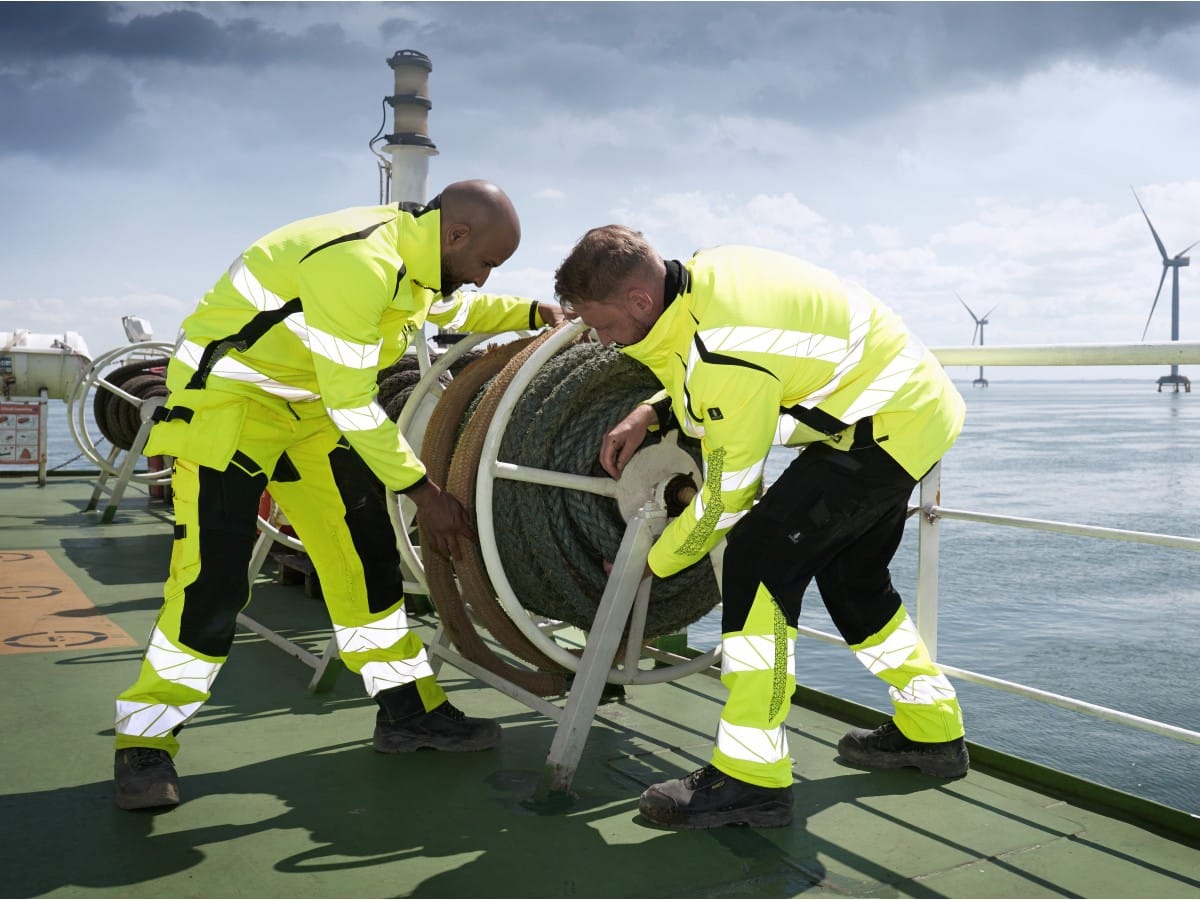
Working in hot environments—such as construction sites, agriculture fields, outdoor logistics, mining, energy, waste management, and roadside maintenance—presents unique challenges that go far beyond discomfort. Heat stress, dehydration, UV radiation, and reduced concentration can significantly increase the risk of accidents and reduce overall productivity.
This guide combines Part 1 (fundamentals, standards, and material science) and Part 2 (procurement strategy, ROI, and industry case studies) to provide a complete decision-making framework for sourcing hot weather workwear.
Hot weather workwear improves worker comfort and prevents heat stress through lightweight fabrics, moisture-wicking technology, ventilation panels, and UV protection.
Essential items include breathable shirts, quick-dry trousers, cooling vests, anti-UV hats, and moisture-wicking base layers. Compliance with EN ISO 13688 (general protective clothing), ISO 9920 (thermal comfort), EN 13758 (UV protection) ensures safety and performance. Effective hot-climate PPE reduces fatigue, minimizes accident risk, and increases worker productivity.
1. Why Hot Weather Requires Dedicated Workwear
High-temperature work environments are not simply uncomfortable—they create physiological and safety risks that standard workwear cannot address.
1.1 Heat Stress and Dehydration Risks
High temperatures accelerate the body’s heat load, leading to:
- Dehydration, causing headaches, dizziness, and reduced alertness
- Heat exhaustion, with symptoms like nausea and confusion
- Heat stroke, a life-threatening emergency
- Faster fatigue, reducing worker productivity
According to global occupational safety research, heat-related productivity losses can reach 20–40% in extreme weather.
Worker comfort = direct productivity gain.
1.2 Exposure to UV Radiation
Outdoor workers experience UV levels 3–5× higher than indoor workers. This can cause:
- Skin aging
- Sunburns
- Long-term risk of skin cancer
- Eye damage (if not wearing UV-blocking eyewear)
UV-blocking clothing is critical for risk reduction.
1.3 Sweating and Moisture Management Challenges
In high heat, sweating is the body’s natural cooling mechanism—but traditional cotton workwear traps sweat, causing:
- Wet, heavy clothing
- Bacterial growth and odor
- Skin irritation
- Slower evaporation → reduced cooling efficiency
Moisture-wicking performance fabrics solve this problem.
1.4 Reduced Concentration and Accident Probability
Fatigue reduces mental clarity. Research shows:
- A 1°C rise in core body temperature can reduce decision-making efficiency by 10–15%
- Accidents due to heat-related fatigue spike in the afternoon
- Proper ventilation reduces this risk significantly
2. Relevant Safety Standards for Hot Weather Workwear
| Category | Relevant Standard | Purpose |
|---|---|---|
| General Workwear | EN ISO 13688 | Ergonomic design, comfort, durability |
| Thermal Comfort | ISO 9920 | Thermal insulation and evaporative resistance |
| UV Protection | EN 13758-2 / AS/NZS 4399 | Ensures UPF rating for UV-blocking fabrics |
| High Visibility | EN ISO 20471 | Visibility in daylight and low light |
| Flame Resistant (optional) | EN ISO 11612 | Required for high-temp industrial environments |
| Moisture Management | AATCC 195 | Wicking, drying speed evaluation |
Many buyers ignore thermal comfort and focus only on high visibility—but for hot climates, cooling efficiency matters as much as visibility.
3. Material Science: What Makes Hot Weather Workwear Effective?
Understanding fabric technology is key to selecting proper hot-weather PPE.
3.1 Moisture-Wicking Polyester (CoolPass / CoolDry)
Advantages
- Fast-drying
- Moves sweat to the outer layer
- Lightweight
- Affordable
Limitations
- Lower heat resistance
- May generate odor without antimicrobial finishing
Best for: outdoor construction, logistics workers.
3.2 Cotton-Rich Blends (60/40 or 70/30)
Advantages
- Comfort and breathability
- Softer hand-feel
- Natural odor resistance
Limitations
- Slower drying
- Heavier when wet
- Shrinks if not pre-washed
Best for: daily uniforms for moderate heat environments.
3.3 Functional Cooling Fabrics (Jersey, Mesh, Hybrid)
Advantages
- Extreme breathability
- Built-in ventilation zones
- Lightweight with high airflow
Limitations
- Not suitable for abrasive work
- May require reinforcement panels
Best for: mining, landscaping, road maintenance under extreme heat.
3.4 UV-Protective Fabrics (UPF50+)
Advantages
- Protects workers from UV damage
- Lightweight yet durable
- Resistant to fading
Limitations
- Higher material cost
- Requires certified suppliers
Best for: agriculture, marine, roadside workers.
3.5 Phase Change Material (PCM) Cooling Vests
Advantages
- Absorb body heat
- Maintain stable cool temperature for 1–3 hours
- High ROI for extreme environments
Limitations
- Higher upfront cost
- Requires recharging or replacement PCM packs
Best for: steel plants, mining, foundries.
3.6 Mesh Ventilation Panels
Strategically placed on:
- Back
- Underarms
- Sides
These maximize airflow while maintaining safety.
4. Hot Climate Industry Case Studies (Across Segments)
| Industry | Challenges | Recommended PPE | Outcome After Adoption |
|---|---|---|---|
| Construction | High sun exposure, dehydration | UPF50+ shirts, vented trousers | Productivity ↑ 18%; complaints ↓ 65% |
| Road Maintenance | Asphalt heat > 50°C | Cooling vests, breathable hi-vis | Heat-related accidents ↓ 35% |
| Agriculture | Long outdoor hours | Cooling hats, wicking shirts | Harvest output ↑ 12% |
| Oil & Gas | Fire risks + high heat | FR cooling uniforms | Fatigue complaints ↓ 41% |
| Logistics | Continuous movement | Lightweight breathable workwear | Worker retention ↑ 24% |
| Mining | Underground humidity | Mesh-panel shirts | Heat stroke cases almost zero |
5. Common Procurement Mistakes in Hot Weather PPE
| Mistake | Impact | How to Prevent |
|---|---|---|
| Buying cheap cotton T-shirts | Heavy when wet, low durability | Choose wicking fabrics |
| Ignoring UV certification | Risk of skin cancer & burns | Require UPF rating test |
| Choosing thick fabrics for “durability” | Heat stress risk | Use reinforced lightweight blends |
| Not testing ventilation | Overheating | Request airflow test data |
| Using all-black uniforms | High heat absorption | Choose light or hi-vis colors |
| One-size-fits-all | Reduced comfort | Offer full size range |
Example:
A Middle East construction company switched from cotton shirts to CoolPass shirts. Fabric cost ↑ 20%, but accidents due to heat stress dropped 40%.
6. ROI Analysis: Right vs Wrong Hot Weather Workwear
| Scenario | Low-Grade Workwear Annual Cost | Losses Due to Heat Stress | High-Grade Workwear Annual Cost | Annual Savings |
|---|---|---|---|---|
| Heat exhaustion incidents | $1,200 | $60,000 | $3,000 | $58,200 |
| Lost productivity in afternoon | $3,000 | $45,000 | $6,500 | $41,500 |
| Employee turnover due to discomfort | $2,000 | $25,000 | $4,500 | $22,500 |
| UV-related medical claims | $700 | $10,000 | $2,200 | $8,500 |
Hot weather workwear is not a cost—it’s an investment with immediate returns.
7. Buyer Checklist for Hot Climate Workwear Procurement
- [ ] Fabric Type: Moisture-wicking, breathable, lightweight
- [ ] UPF Rating: UPF50+ for all outdoor work
- [ ] Ventilation Panels: Underarms, back, side mesh
- [ ] Color Selection: Hi-vis yellow/orange or light reflective colors
- [ ] Cooling Options: PCM vests for extreme zones
- [ ] Reinforcements: Knee/shoulder panels for durability
- [ ] Antimicrobial Finishes: Reduce odor in hot climates
- [ ] Sizing System: XS–6XL availability
- [ ] Logo Printing: Heat transfer suitable for thin fabrics
- [ ] Certification Requirements: EN 13688, ISO 9920, EN 13758
- [ ] Trial Program: Test 30 workers before bulk order
- [ ] Vendor Quality Control: Ask for fabric test report and wash test data
8. Frequently Asked Questions (FAQ)
Q1: Should hot-weather workwear always be long-sleeved?
A: Yes, when UV exposure is high. Long sleeves with UPF50+ offer better protection than sunscreen.
Q2: Are cotton shirts suitable for hot work?
A: Pure cotton absorbs moisture and becomes heavy. Blended or wicking fabrics are better.
Q3: How often should cooling vests be replaced?
A: PCM packs last 300–500 cycles; gel vests need earlier replacement.
Q4: Do bright colors increase heat?
No—hi-vis yellow/orange used in workwear reflects light rather than absorbing heat.
Q5: Are mesh garments durable enough?
Yes, when combined with reinforced panels. Many mining and construction companies use them successfully.
Q6: What is the biggest hidden cost of cheap uniforms?
Reduced worker productivity—often the largest cost in the total operation.
9. Advanced Sourcing Strategies for Hot Climate PPE
1. Segment Your Facility or Worksite
Different zones require different cooling levels:
- Open outdoor areas
- Indoor warehouses
- Vehicle operation zones
- Radiant heat exposure
- High-humidity zones
2. Request Fabric Performance Test Reports
Ask suppliers for:
- Wicking test data (AATCC 195)
- UV test report (EN 13758-2)
- Air permeability test
- Wash durability report
- Shrinkage test
3. Run Wearer Trials
Conduct 30–60 day field tests to evaluate:
- Comfort
- Drying speed
- End-of-day fatigue
- Durability
- Worker preference
High acceptance rates lead to lower turnover.
4. Customization Options
- Embroidery or heat transfer logos
- Corporate colors
- Reinforced high-stress areas
- Reflective tape integration
- Cooling vest compatibility
5. Build a PPE Replacement Calendar
For hot climates:
- Shirts: replace every 3–6 months
- Trousers: replace every 6–12 months
- Cooling vests: based on cycle usage
- Hats: every 6 months
6. Stock Strategy
Maintain 10–20% buffer stock for summer seasonal peaks.
10. Conclusion
Hot weather workwear is not just a uniform—it’s a critical component of worker safety, productivity, and retention.
With rising global temperatures and increasing outdoor labor demands, employers must prioritize breathability, UV protection, moisture management, and cooling efficiency.
By selecting certified cooling workwear—supported by material science, real-world case studies, and ROI analysis—you can:
- Reduce accidents
- Improve worker comfort
- Increase productivity
- Strengthen brand reputation
- Lower operational costs
📩 Need hot weather workwear solutions (cooling products, breathable uniforms, hi-vis for summer)?
Email: [email protected]
🌐 www.workwearsolutions.net

 Architecting Resilience: Single Sourcing vs. Dual Sourcing Strategies in Global PPE Procurement2026年4月30日Executive Summary In the complex landscape of industrial […]
 Pattern Grading for Global Bodies: The Engineering of Anthropometric Fit in Industrial Workwear2026年4月29日In the highly regulated landscape of industrial Personal […]
 The “Light Box” Inspection: Deconstructing Fabric Defect Diagnostics and the 4-Point Quality System2026年4月28日The structural integrity and visual uniformity of […]
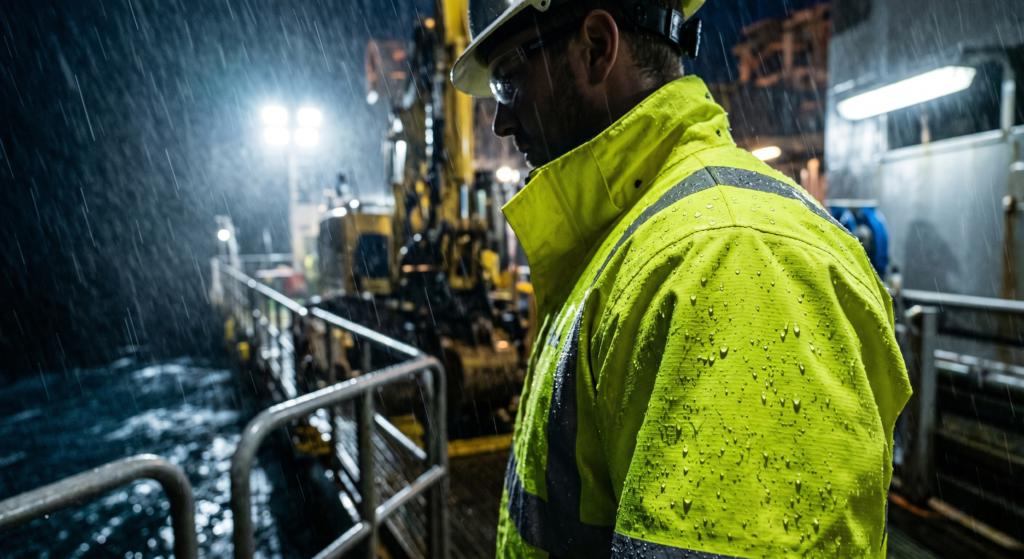 The Engineering of Waterproof Breathable Workwear: A Forensic Analysis of PU Coatings vs. PTFE Membranes2026年4月24日The selection of waterproof foul-weather gear in industrial […]
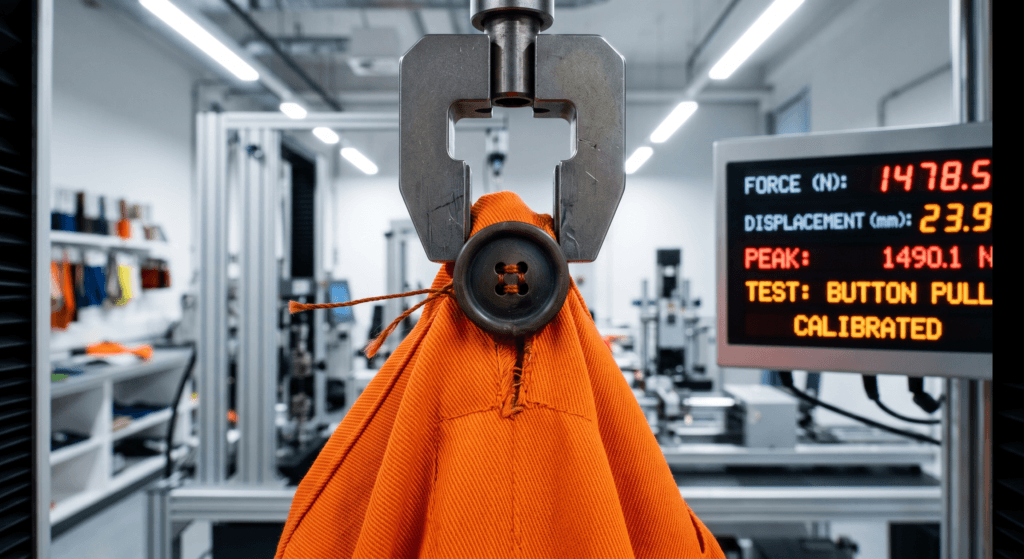 The “Button Pull” Test Protocol: Engineering Fastener Security to Mitigate Industrial Machinery and Choking Hazards2026年4月22日The “Button Pull” Test Protocol: Engineering […]
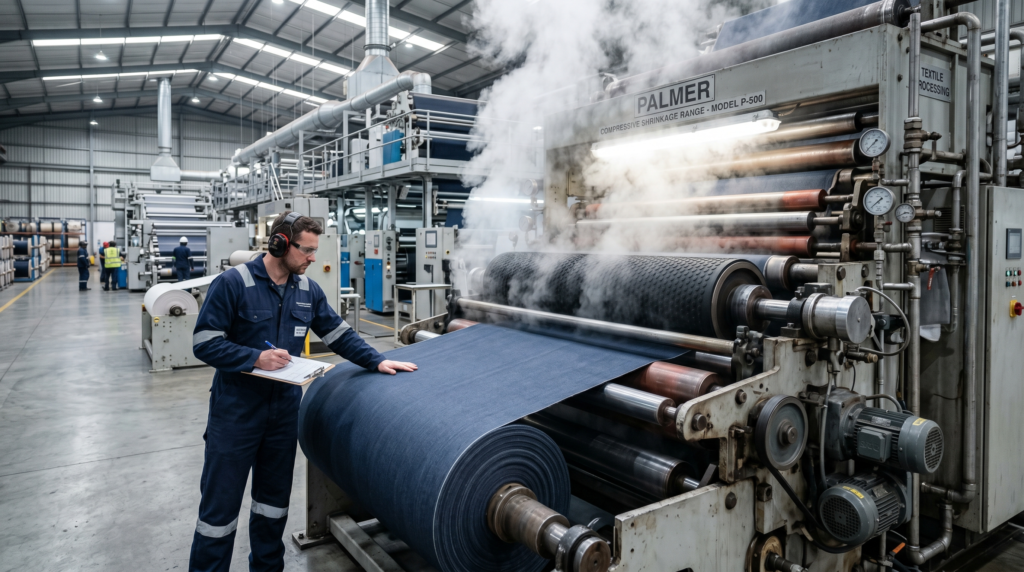 Fabric Shrinkage in Industrial Workwear: The Sanforization Secret and the Physics of Dimensional Stability2026年4月18日Executive Summary In the global industrial workwear and […]