

Working in desert construction zones is one of the most physically demanding and hazardous assignments in modern infrastructure development. Workers must endure extreme solar radiation, temperatures that frequently exceed 45–50°C, hot winds carrying abrasive dust, and long hours in open, unshaded sites. These conditions drastically increase the risks of heat exhaustion, dehydration, heatstroke, and UV-related skin damage.
As global temperatures rise and large-scale construction expands across desert regions in the Middle East, North Africa, Central Asia, Australia, and parts of the Americas, traditional PPE is no longer enough. The industry is moving toward advanced cooling fabrics, incorporating phase-change materials (PCM), moisture-wicking technology, infrared-reflective coatings, and engineered ventilation systems designed specifically for workers in extreme heat.
This comprehensive guide—modeled after the full structure of the PPE-for-dairy article—combines PPE fundamentals, fabric technology, sourcing strategies, testing standards, buyer ROI analysis, and case studies to help procurement teams make informed decisions.
Cooling fabrics for desert construction reduce body heat stress by combining moisture-wicking fibers, UV protection, infrared-reflective coatings, and active or passive cooling technologies.
Essential cooling PPE includes evaporative cooling vests, PCM vests, UV-rated shirts, breathable helmets with neck capes, and high-airflow trousers. Compliance with standards such as EN ISO 13758 (UV protection), ASTM F2371 (heat transfer and cooling), and ISO 9920 (thermal comfort) is critical.
1. Why Desert Construction Requires Advanced Cooling Fabrics
Desert construction sites are categorized as extreme heat environments, where traditional cotton or polyester workwear is insufficient and often dangerous. Understanding the environmental profile is essential.
Extreme Ambient Temperatures
- Daytime temperatures in regions like Saudi Arabia, UAE, Oman, Qatar, and Nevada deserts often exceed 45–55°C.
- Blackbody surfaces (e.g., asphalt, machinery) can reach over 70°C.
- These temperatures cause rapid dehydration and core temperature elevation, even in resting workers.
Intense Solar Radiation
- UV index commonly ranges from 10–14 (Extreme).
- Direct sun exposure causes skin burns within minutes without protection.
- Heat absorbed through dark-colored fabrics increases body temperature dramatically.
Hot Winds & Low Humidity
- Extremely low humidity accelerates sweat evaporation, leading to dehydration before workers feel thirsty.
- Dust storms and abrasive wind reduce visibility and irritate the skin.
Heavy Manual Labor + Layers of PPE
Construction workers wear boots, gloves, hard hats, and often tool belts.
PPE itself traps heat—making the adoption of cooling fabrics essential for maintaining productivity and safety.
2. Relevant Safety & Performance Standards for Cooling Fabrics
| Category | Standard | Purpose |
|---|---|---|
| UV Protection | EN ISO 13758 / ASTM D6603 | Ensures fabrics offer adequate UV-blocking capability |
| Cooling Performance | ASTM F2371 | Measures heat transfer and evaporative cooling efficiency |
| Thermal Comfort | ISO 9920 | Evaluates insulation, breathability, and comfort levels |
| High-Visibility (Optional) | EN ISO 20471 | Required for desert highway and roadwork visibility |
| Abrasion Resistance | EN ISO 12947 | Ensures fabrics withstand sand abrasion |
| Heat Stress Management | WBGT Guidelines / ISO 7243 | Heat load assessment for work-rest cycles |
Why standards matter:
They let procurement teams compare different fabric technologies objectively rather than relying on marketing claims.
3. Cooling Fabric Technologies: A Full Breakdown
Cooling fabrics used in desert construction fall into two categories:
- Passive Cooling Technologies (no electricity required)
- Active Cooling Technologies (battery-powered or PCM-based)
Below is a detailed review of all major options available today.
3.1 Passive Cooling Technologies
1. Moisture-Wicking Fabrics
- Made from polyester microfibers, nylon blends, or engineered hydrophobic-hydrophilic fibers.
- Pull sweat away from the skin → spreads it across the fabric → accelerates evaporation.
Advantages
- Lightweight
- Breathable
- Cost-effective
Limitations
- Ineffective in high humidity
- No cooling effect if worker is dehydrated
2. Evaporative Cooling Fabrics
These fabrics are soaked in water before use. As the water evaporates, body temperature decreases.
Types:
- Polymer-embedded fabrics
- Multi-layer mesh
- Water-absorbing gel layers
Advantages
- Can cool 5–12°C below ambient
- Reusable throughout the workday
Limitations
- Limited effectiveness in humid climates
- Must be soaked periodically
3. Infrared-Reflective Fabrics
These fabrics reflect infrared solar radiation instead of absorbing it.
Examples:
- Titanium dioxide coatings
- Ceramic nanoparticle coatings
- Aluminum microsphere finishes
Advantages
- Significantly reduces heat absorption
- Excellent for direct-sun environments
Limitations
- Coatings may degrade over time
- More expensive than normal fabrics
4. Ventilated & Mesh-Integrated Fabrics
Engineered for airflow, especially in areas with natural heat accumulation (underarms, back panel, sides).
Advantages
- High comfort
- Excellent breathability
Limitations
- Lower UV resistance in open-mesh sections
3.2 Active Cooling Technologies
1. Phase-Change Material (PCM) Fabrics
PCM vests contain materials that solidify or melt at specific temperatures (18–32°C).
As they melt, they absorb body heat—creating a strong cooling effect.
Advantages
- Long-lasting cooling (2–4 hours per cycle)
- Recharges with ice, cold water, or refrigeration
- Ideal for high-intensity work
Limitations
- Heavier than evaporative fabrics
- Higher cost
2. Battery-Powered Cooling Vests
Use small fans or air circulation systems integrated into the fabric.
Advantages
- Provides continuous cooling
- Adjustable airflow
Limitations
- Requires battery charging
- Not ideal in dusty environments unless filtered
3. Hybrid Cooling Fabrics
Combine PCM + evaporative fabrics + IR-reflective outer layers.
Advantages
- Maximum performance across different climates
- Best for long shifts
Limitations
- Premium pricing
4. Case Study Comparisons by Desert Construction Segment
| Construction Segment | Unique Risks | Cooling Fabric Focus | Results After Implementation |
|---|---|---|---|
| Roadwork on Desert Highways | Long exposure, direct solar radiation, heat through asphalt | IR-reflective shirts + evaporative neck capes | 35% reduction in heat exhaustion cases |
| Oil & Gas Pipeline Construction | Remote sites, heavy PPE, hot metal equipment | PCM vests + moisture-wicking base layers | 40% improvement in worker endurance |
| High-Rise Urban Desert Projects | Reflective heat from glass and metal | UV-blocking long sleeves + underarm mesh ventilation | 25% gain in productivity during peak hours |
| Desert Mining Operations | Dust storms, abrasive conditions | Abrasion-resistant cooling fabrics + face/neck cooling wraps | Fewer dehydration incidents and reduced PPE damage |
| Military Engineering Camps | Multi-day work, remote camps, extreme weather variability | Hybrid cooling systems + IR-reflective trousers | Longer sustainable work cycles without heatstroke risks |
5. Common Procurement Mistakes in Cooling PPE for Desert Sites
| Mistake | Impact | Prevention Tip |
|---|---|---|
| Choosing cotton for “breathability” | Cotton absorbs sweat but does not evaporate fast → increases heat stress | Use engineered moisture-wicking synthetics |
| Buying “cooling fabric” without data | Many cheap garments lack any real cooling performance | Request ASTM F2371 test results |
| Ignoring UV rating | Fabric may block heat but still cause UV burns | Require UPF 40–50+ |
| Choosing dark-colored cooling shirts | Absorb solar heat dramatically | Select light or reflective colors |
| Not considering abrasion resistance | Desert sand wears down thin fabrics quickly | Choose reinforced high-denier blends |
| Using one-size-fits-all vests | Poor fit → reduced airflow and cooling efficiency | Provide multiple sizes |
| Ignoring recharge cycles of PCM vests | Workers left without cooling in late shifts | Supply rotation stock |
6. ROI Analysis: Choosing the Right Cooling Fabrics
Cooling PPE is often perceived as expensive—but the cost of not protecting workers in extreme heat is far higher.
ROI Example Scenarios
| Scenario | Low-Grade PPE Annual Cost | Losses Due to Heat Stress | High-Grade PPE Annual Cost | Overall Savings |
|---|---|---|---|---|
| Heat exhaustion–related medical claims | $3,000 | $85,000 | $10,000 | $78,000 |
| Lost productivity in mid-day peak heat | $2,500 | $120,000 | $7,500 | $115,000 |
| Worker turnover due to extreme conditions | $4,000 | $60,000 | $12,000 | $52,000 |
| Equipment downtime from heat fatigue | $1,500 | $40,000 | $5,000 | $36,500 |
Typical ROI after switching to advanced cooling PPE:
→ 8–15× return through injury reduction, increased output, and lower turnover.
7. Buyer Checklist for Cooling Fabrics in Desert Construction
- [ ] Shirts: UPF 50+, IR-reflective coating, moisture-wicking base layer
- [ ] Cooling Vests: PCM (15–28°C), evaporative or hybrid options
- [ ] Helmets: Heat-dissipating shell + neck shade
- [ ] Neck & Face Cooling Gear: UV protection, evaporative type
- [ ] Trousers: Reinforced high-denier cooling fabric + ventilation zones
- [ ] Gloves: Heat-dissipating fabric with sand abrasion resistance
- [ ] Colors: Light/reflective for maximum heat reduction
- [ ] Testing Data: ASTM F2371, UPF tests, abrasion data
- [ ] Buffer Stock: Minimum 20% for PCM rotation cycles
- [ ] Worker Feedback: Gather performance reports after 1 week and 1 month
8. Frequently Asked Questions (FAQ)
Q1: Can moisture-wicking fabrics alone protect workers in 50°C weather?
A: No. Moisture-wicking is a base layer benefit. In extreme desert temperatures, workers require cooling vests, UV protection fabrics, and IR-reflective coatings for full safety.
Q2: How long does a PCM cooling vest last?
Typically 2–4 hours depending on the PCM temperature rating and ambient heat.
Workers should rotate PCMs during breaks.
Q3: Are evaporative cooling products effective in humid desert climates?
In desert climates (typically low humidity), evaporative cooling works extremely well.
In humid conditions, performance drops and PCM is preferred.
Q4: What UPF rating is required for desert environments?
UPF 50+ is strongly recommended.
Q5: Are light-colored cooling fabrics mandatory?
Not legally mandatory, but light or reflective colors reduce heat absorption by up to 40–60%.
Q6: How do I justify purchasing premium cooling PPE to management?
Use ROI metrics:
- Fewer medical incidents
- Higher productivity
- Reduced turnover
- Fewer heat-related stoppages
9. Advanced Sourcing Strategies for Cooling Fabric PPE
1. Zone-Based PPE Assessment
Break down needs by:
- Morning work
- Peak heat periods
- Evening shifts
- Shade vs. open-area tasks
- Environmental hazard zones (UV, dust, reflective heat)
2. Require Cooling Performance Test Reports
Request:
- ASTM F2371 cooling efficiency
- UPF testing
- Abrasion cycles (ISO 12947)
- IR reflectivity data
3. Implement Pilot Testing Programs
Run 7-day and 30-day trials with different brands.
Collect data on:
- Worker comfort
- Cooling duration
- UV resistance
- Fabric durability
- Recharge cycles
4. Build a Heat Safety Procurement Framework
Include:
- Daily rotation plans
- PCM recharging stations
- Evaporative hydration stations
- Heat index monitoring devices
- Worker health monitoring
5. Integrate Worker Feedback Into Final Selection
Involve supervisors and frontline workers.
Cooling comfort varies heavily by:
- Job intensity
- Shift timing
- Sun exposure
- Body type and sweat rate
10. Conclusion
As desert construction expands worldwide, traditional PPE is no longer adequate for managing extreme heat.
Cooling fabrics now form the backbone of heat safety programs, integrating:
- UV protection
- Moisture management
- Evaporative technology
- PCM or active cooling systems
- IR-reflective outer layers
Investing in advanced cooling PPE prevents heatstroke, increases productivity, protects workers, and reduces corporate risk.
For companies operating in high-temperature regions, adopting next-generation cooling fabrics is not just a safety measure—
it is a competitive advantage and a responsible commitment to workforce protection.
📩 Need help sourcing cooling PPE for desert construction?
Email: [email protected]
🌐 www.workwearsolutions.net

 Architecting Resilience: Single Sourcing vs. Dual Sourcing Strategies in Global PPE Procurement2026年4月30日Executive Summary In the complex landscape of industrial […]
 Pattern Grading for Global Bodies: The Engineering of Anthropometric Fit in Industrial Workwear2026年4月29日In the highly regulated landscape of industrial Personal […]
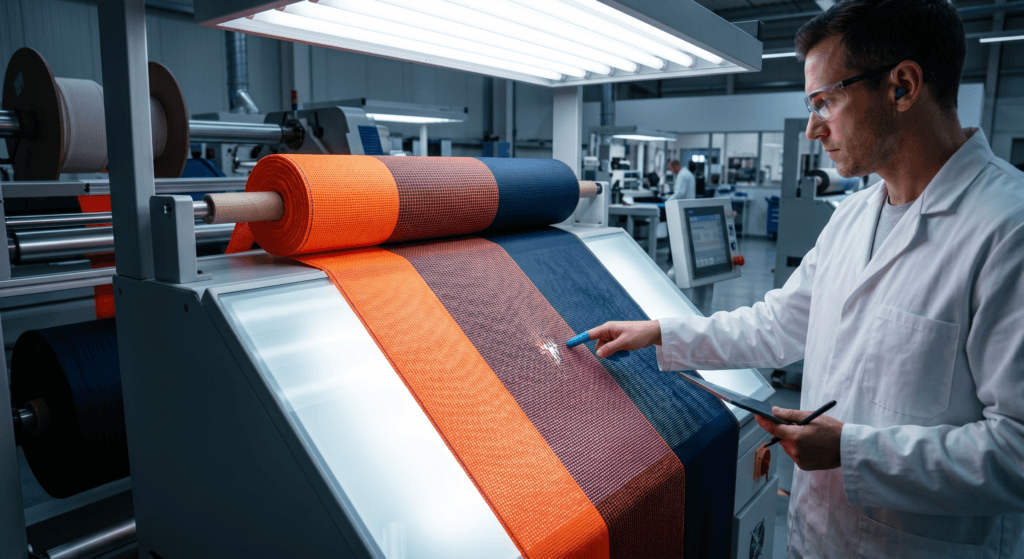 The “Light Box” Inspection: Deconstructing Fabric Defect Diagnostics and the 4-Point Quality System2026年4月28日The structural integrity and visual uniformity of […]
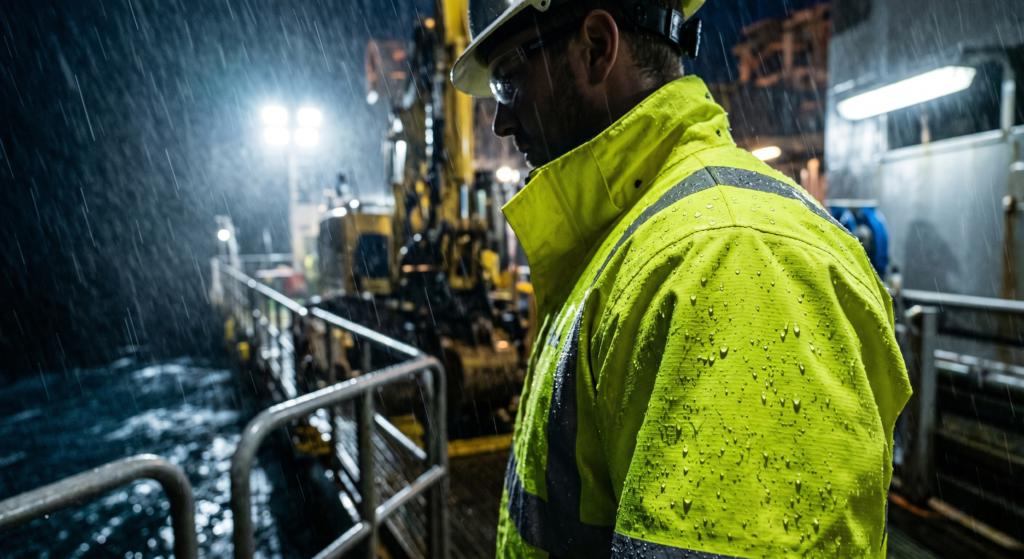 The Engineering of Waterproof Breathable Workwear: A Forensic Analysis of PU Coatings vs. PTFE Membranes2026年4月24日The selection of waterproof foul-weather gear in industrial […]
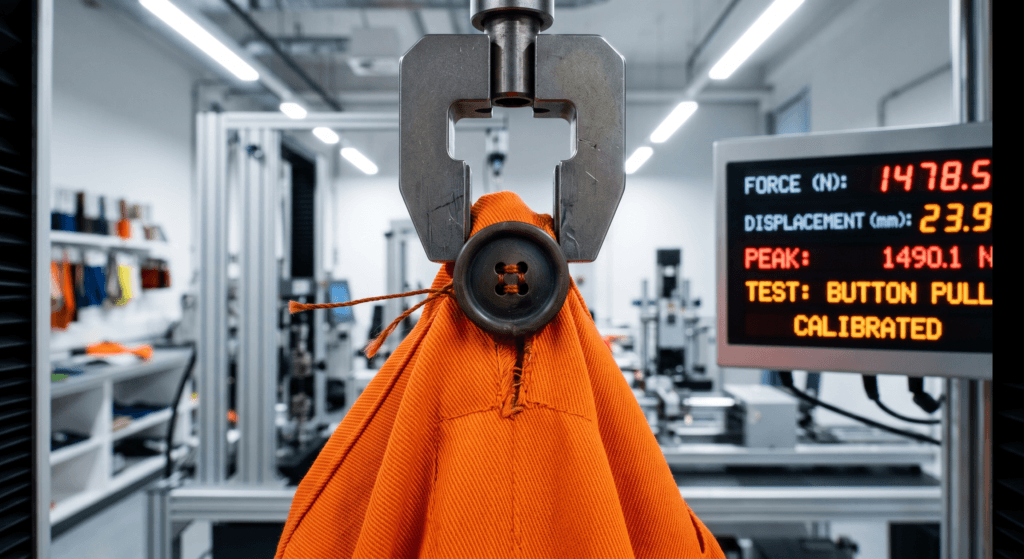 The “Button Pull” Test Protocol: Engineering Fastener Security to Mitigate Industrial Machinery and Choking Hazards2026年4月22日The “Button Pull” Test Protocol: Engineering […]
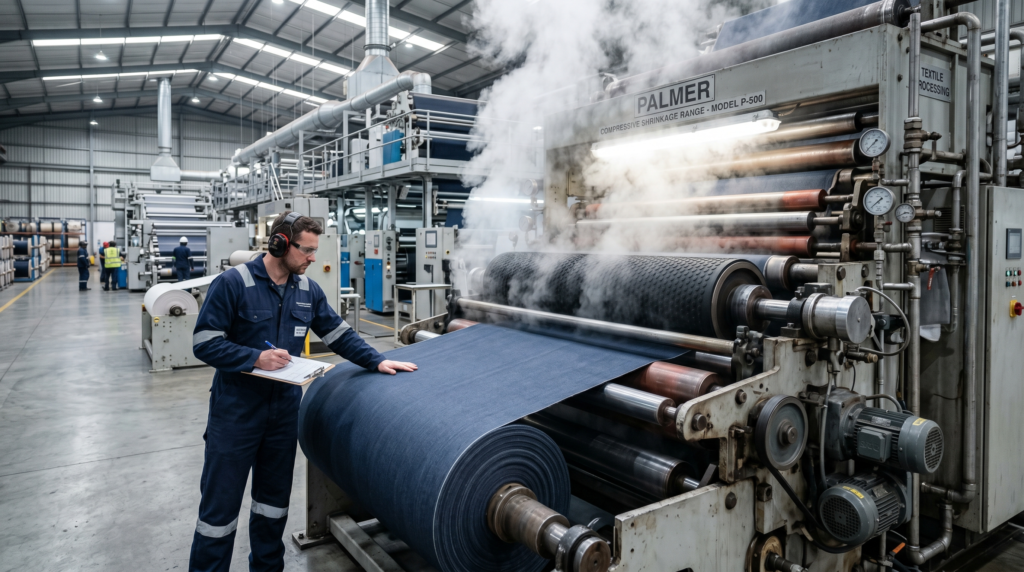 Fabric Shrinkage in Industrial Workwear: The Sanforization Secret and the Physics of Dimensional Stability2026年4月18日Executive Summary In the global industrial workwear and […]