
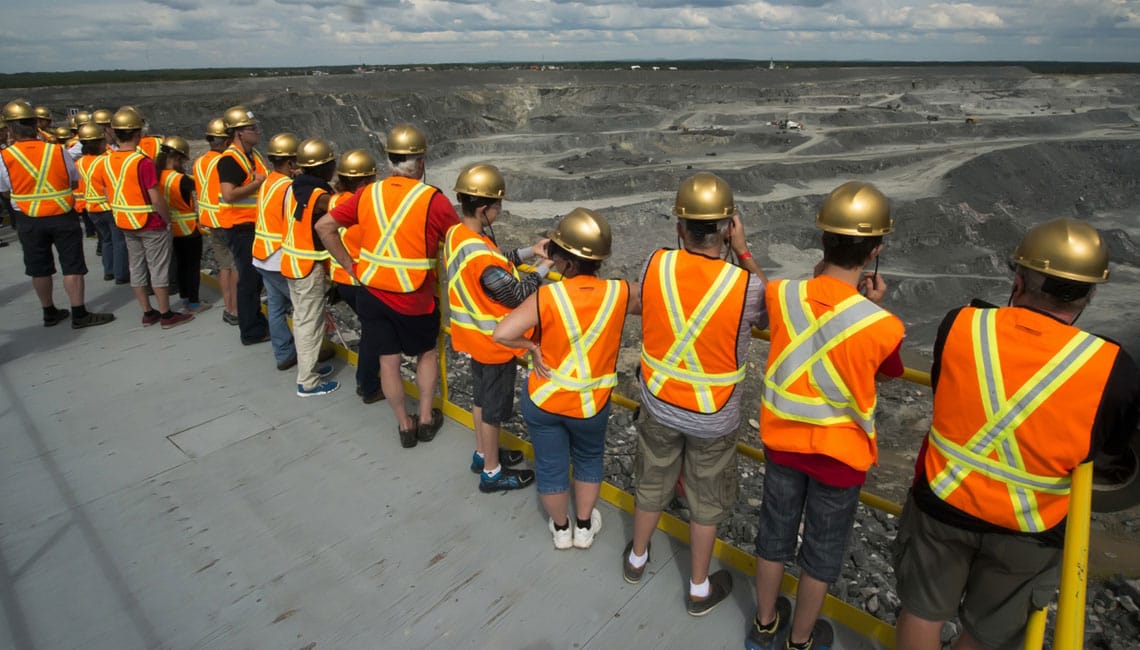
Mining is one of the toughest industries on earth. Workers operate kilometers underground, in freezing mountains, scorching deserts, or deep pits—surrounded by heavy machinery, rock dust, chemicals, and constant risks.
In such environments, ordinary uniforms don’t stand a chance. Mining requires extremely durable, protective, and thermally adaptive workwear. For traders, distributors, and agents in regions like Central Asia, Africa, South America, and the Middle East, mining PPE and workwear represent both a high-demand and high-margin opportunity.
This article explores why mining workwear is unique, the biggest hazards, product essentials, real-world cases, compliance standards, fabric innovations, procurement mistakes, ROI data, and practical buyer guidance.
Mining workwear must withstand extreme abrasion, thermal stress, and chemical exposure. Essential products include flame-resistant coveralls, reinforced safety boots, chemical-resistant gloves, and thermal protection layers. Buyers should look for compliance with EN ISO 11612, ASTM F1506, and regional standards, while prioritizing durability, comfort, and cost-effectiveness.
Why Mining Demands Specialized Workwear
Mining is consistently ranked among the world’s most hazardous industries (ILO, 2022). Here’s why standard PPE is not enough:
-
Abrasion and Impact Risks
- Rocks, sharp edges, and machinery create constant threats of cuts and crush injuries.
- Workwear must feature reinforced panels, tear-resistant fabrics, and safety boots with steel/composite toe protection.
-
Thermal Challenges
- Mines can reach 50°C underground (deep coal mines in South Africa) or drop to -30°C in Central Asian open pits.
- Thermal regulation is critical: workers need breathable FR fabrics for heat and insulated multi-layer gear for cold.
-
Chemical Hazards
- Acidic water, fuel spills, and chemical dusts require resistant gloves, boots, and coveralls.
-
Visibility & Lighting
- Poor lighting underground increases accident risks.
- Hi-vis reflective stripes are critical even in confined tunnels.
-
Long Shifts & Worker Comfort
- Shifts often last 10–12 hours. Discomfort leads to low productivity and mistakes.
- Lightweight, ergonomic workwear keeps workers effective.
Real-World Mining Incidents
Case #1 – South African Gold Mine (2020)
Workers wore low-quality boots without chemical resistance. Acidic mine water corroded the soles within 2 months, leading to multiple foot injuries.
Solution: Distributor introduced nitrile-PVC blended boots, doubling product lifespan.
Case #2 – Kazakhstan Copper Mine (2019)
Workers exposed to sub-zero temperatures wore cotton uniforms layered with jackets. Several cases of frostbite occurred.
Fix: Supplier introduced insulated FR coveralls with fleece lining. Absenteeism dropped by 40% during winter.
Case #3 – Chilean Lithium Mine (2021)
Workers complained of heat stress in desert operations where daytime temperatures reached 40°C.
Adjustment: Lightweight FR-treated cotton with ventilation panels replaced heavy polyester. Productivity increased 15%.
Case #4 – Underground Coal Mine, India (2022)
Poor visibility and lack of reflective stripes caused near-misses with moving equipment.
Outcome: Hi-vis uniforms with reflective tape became mandatory, improving safety compliance.
Standards & Compliance for Mining Workwear
| Standard | Purpose | Region |
|---|---|---|
| EN ISO 11612 | Protection against heat & flame | Europe / Global |
| EN ISO 11611 | Welding & hot work protection | Europe |
| ASTM F1506 | Flame-resistant fabrics in mining/energy sectors | USA |
| CSA Z96 | High-visibility clothing | Canada |
| SANS Standards | PPE for mining in South Africa | Africa |
| GOST Standards | Workwear regulations for CIS & Central Asia | Central Asia |
⚠️ Buyers must ensure multi-standard compliance to access global-funded mining projects.
Key Workwear for Mining
| Item | Function | Best Materials |
|---|---|---|
| Flame-Resistant Coveralls | Protection from sparks & fire | FR-treated cotton, aramid blends |
| Insulated Thermal Gear | Cold climate protection | Multi-layer + fleece/insulation |
| Safety Boots | Crush, slip, and chemical resistance | Leather + nitrile sole + steel toe |
| Gloves | Protection from abrasion, cuts, and chemicals | Kevlar, nitrile, PVC |
| Helmets with Lamps | Head protection + visibility underground | ABS/HDPE with lamp mounts |
| Hi-Vis Jackets & Stripes | Visibility in poor lighting | Polyester with reflective tape |
Material Innovations in Mining Workwear
- Kevlar & Dyneema® fibers → Extreme cut resistance with lighter weight.
- FR-Treated Cotton → Balance of breathability and fire resistance.
- Composite Toe Boots → Lighter alternative to steel-toe, reducing fatigue.
- Phase-Change Materials (PCM) → Fabrics that absorb/release heat for climate adaptation.
- Advanced Reflective Tapes → Maintain visibility after 50+ industrial washes.
Procurement Mistakes to Avoid
- Choosing low-cost boots → Soles fail in chemical water; long-term cost is higher.
- Ignoring climate adaptability → Cotton-only gear causes frostbite in cold regions.
- Overlooking reflective details → Underground projects without hi-vis are high risk.
- Not testing fabric durability → Stitching failures force frequent replacements.
- Skipping certifications → Projects lose international approvals if workwear is non-compliant.
ROI & Cost-Benefit Analysis
| Scenario | Without Proper Gear | With Certified Gear | Annual Savings |
|---|---|---|---|
| Boot failure in acidic water | Replace every 2 months | Replace every 8 months | $60,000+ saved |
| Frostbite absenteeism | 15 sick days/worker | 2 sick days/worker | $500/worker saved |
| Heat stress productivity loss | -15% productivity | +10% productivity | $1M+ in project savings |
| Accident lawsuits | $100,000 per case | Rare with certified PPE | Millions protected |
Buyer’s Toolkit
Quick Checklist
- [ ] FR coveralls (EN ISO 11612/ASTM F1506)
- [ ] Thermal gear for cold mines OR breathable gear for hot climates
- [ ] Steel/composite-toe boots resistant to chemicals
- [ ] Helmets with lamp mounts + reflective decals
- [ ] Gloves tested for abrasion & chemical resistance
- [ ] Compliance certificates from supplier
Buyer FAQ
Q1: Should all mining gear be flame-resistant?
- Yes, especially underground or where welding/hot work occurs.
Q2: What’s the best boot for wet mines?
- Leather upper with nitrile sole, tested against chemical and slip hazards.
Q3: How do I adapt workwear for both hot and cold climates?
- Use modular systems: lightweight FR coveralls for hot sites, thermal liners for cold.
Q4: Can composite-toe boots replace steel-toe?
- Yes, they’re lighter and equally protective, but may be more expensive.
Conclusion
Mining is a high-risk, high-demand sector where extreme durability and thermal protection are non-negotiable. For distributors and traders in Africa, South America, Central Asia, and the Middle East, supplying certified, climate-appropriate mining gear is both a safety necessity and a business opportunity.
Companies that deliver the right solutions will not only reduce accidents and increase productivity but also secure long-term supply contracts with international mining operators.
📩 For certified mining workwear solutions:
Email: [email protected]
🌐 www.workwearsolutions.net

 Architecting Resilience: Single Sourcing vs. Dual Sourcing Strategies in Global PPE Procurement2026年4月30日Executive Summary In the complex landscape of industrial […]
 Pattern Grading for Global Bodies: The Engineering of Anthropometric Fit in Industrial Workwear2026年4月29日In the highly regulated landscape of industrial Personal […]
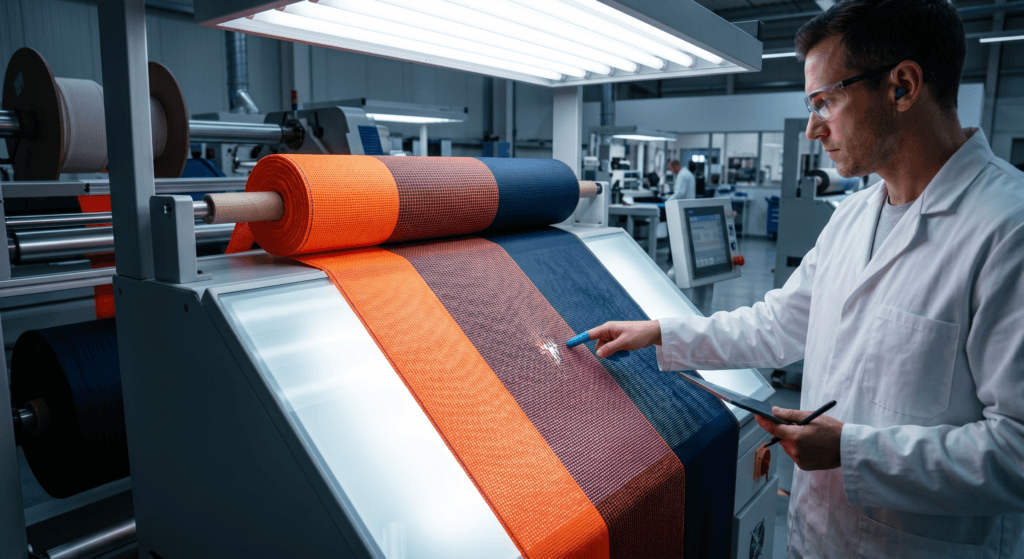 The “Light Box” Inspection: Deconstructing Fabric Defect Diagnostics and the 4-Point Quality System2026年4月28日The structural integrity and visual uniformity of […]
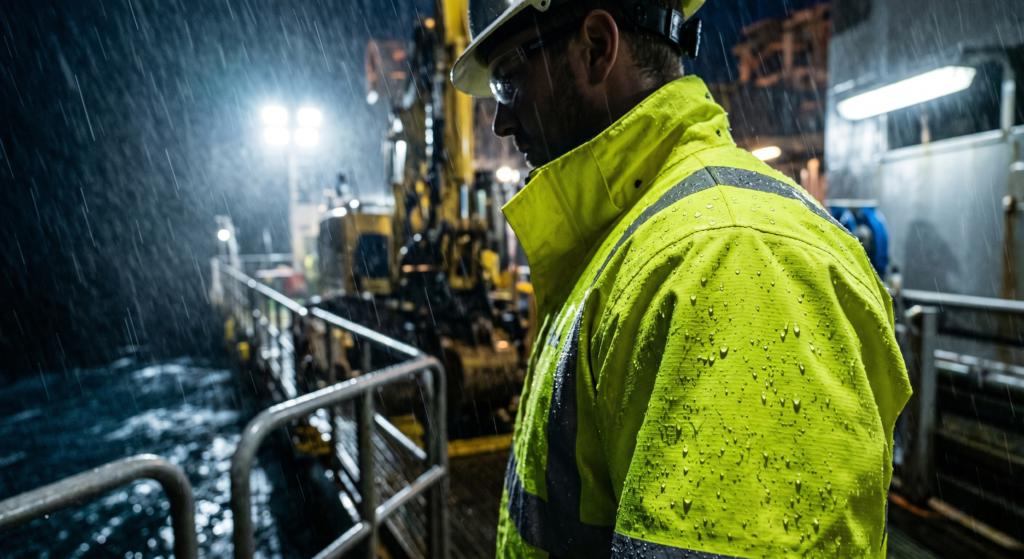 The Engineering of Waterproof Breathable Workwear: A Forensic Analysis of PU Coatings vs. PTFE Membranes2026年4月24日The selection of waterproof foul-weather gear in industrial […]
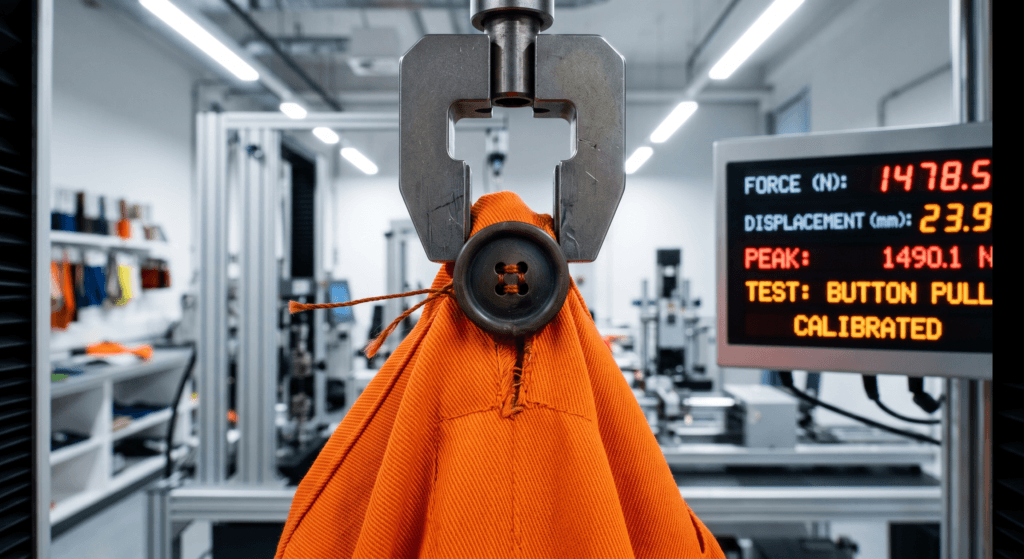 The “Button Pull” Test Protocol: Engineering Fastener Security to Mitigate Industrial Machinery and Choking Hazards2026年4月22日The “Button Pull” Test Protocol: Engineering […]
 Fabric Shrinkage in Industrial Workwear: The Sanforization Secret and the Physics of Dimensional Stability2026年4月18日Executive Summary In the global industrial workwear and […]