
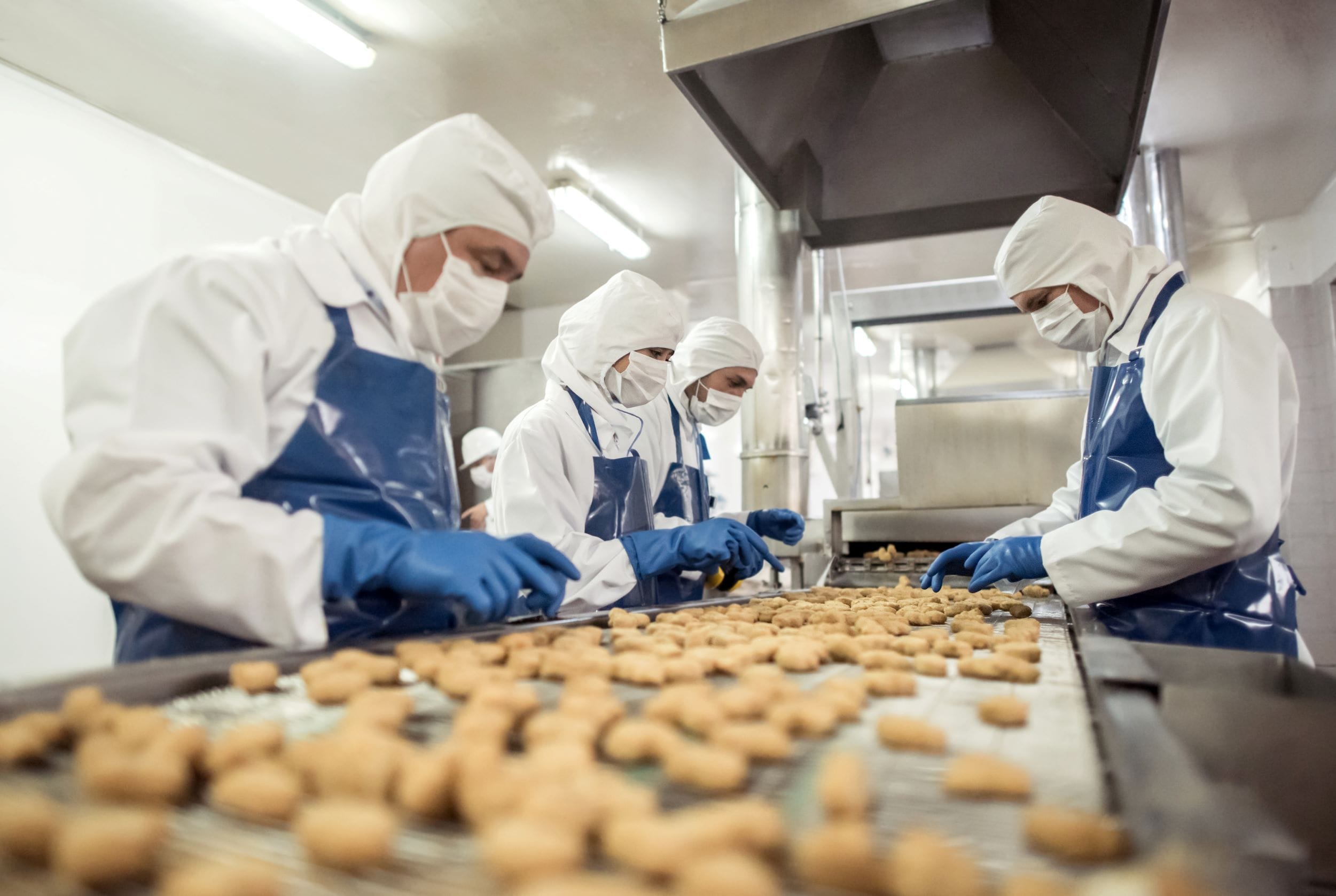
Meat processing facilities are fast-paced, high-risk environments where workers handle sharp blades, operate heavy machinery, and work in cold, wet conditions. The PPE required here must protect against lacerations, prevent contamination, and maintain worker comfort—all while complying with strict hygiene and safety standards like HACCP, OSHA, and EU 852/2004.
This comprehensive guide outlines the core PPE categories, material choices, case studies, and procurement strategies for meat processing operations—helping you make confident, compliance-focused purchasing decisions.
PPE for meat processing includes cut-resistant gloves and aprons, steel mesh protection, waterproof footwear, and cold room thermal gear.
It must comply with EN 388 (mechanical protection), EN ISO 20345 (footwear safety), and HACCP hygiene protocols. Color-coding PPE by processing zone reduces cross-contamination risks.
Why Meat Processing Requires Specialized PPE
Sharp Blade Hazards
- Workers use knives, cleavers, and saws for prolonged periods.
- Cuts and amputations are among the most common workplace injuries in this industry.
Cold and Wet Conditions
- Rooms maintained at 0–4°C for freshness.
- Blood, fat, and water create slip hazards and speed up PPE degradation.
Strict Hygiene Controls
- Cross-contamination prevention is essential.
- PPE must be easy to sanitize and made from non-porous materials.
Key Safety Standards for Meat Processing PPE
| PPE Item | Standard | Purpose |
|---|---|---|
| Cut-Resistant Gloves | EN 388 | Protection from knife cuts and punctures |
| Stainless Steel Mesh | EN 1082-1 | Maximum protection for boning and butchering |
| Safety Footwear | EN ISO 20345 SRC | Slip resistance, toe protection |
| Waterproof Aprons | EN 14605 | Protection from liquids and cleaning chemicals |
| Cold Room Clothing | EN 342 | Thermal insulation for refrigerated environments |
Material Choices and Applications
| Material | Advantages | Best For |
|---|---|---|
| Stainless Steel Mesh | Maximum cut and puncture resistance | Boning, deboning, high-risk knife work |
| High-Performance Polyethylene (HPPE) | Lightweight cut resistance | General cutting, trimming tasks |
| PU-Coated Fabric | Waterproof, easy to sanitize | Aprons and sleeve covers |
| Nitrile Rubber | Oil- and fat-resistant, good grip | Gloves for handling wet meat or packaging |
| Quilted Insulation | Warmth in cold storage | Jackets, trousers for freezer zones |
Real-World Case Studies
Case #1 – European Beef Processor
Workers wearing low-grade cotton gloves suffered 14 recorded lacerations in 6 months. After switching to EN 388 level F HPPE gloves with stainless mesh overgloves, injuries dropped to zero in the following year.Case #2 – Poultry Plant in the US
Lack of SRC-rated footwear caused multiple slip accidents during washdowns. Implementing EN ISO 20345 SRC boots reduced incident reports by 82% within 4 months.Case #3 – Cold Room Operations, Canada
Staff wearing standard jackets complained of stiffness and fatigue. A trial with EN 342-rated thermal suits improved mobility and increased productivity by 15%.
Color-Coding for Contamination Control
| Zone | PPE Color Example | Purpose |
|---|---|---|
| Raw Meat Processing | Red | Prevent mixing with cooked product PPE |
| Cooked Product Zone | Blue | Distinct separation from raw meat handling |
| Cleaning Crew | Yellow | Identify sanitation team PPE |
Common Procurement Mistakes
| Mistake | Risk | Solution |
|---|---|---|
| Buying single-type gloves for all tasks | Mismatched protection levels and reduced comfort | Select gloves per task risk (HPPE, mesh, or nitrile) |
| Ignoring hygiene design | PPE that traps moisture or particles | Choose smooth, non-porous surfaces |
| Overlooking slip resistance | High risk of falls in wet areas | Require SRC slip rating on all boots |
| Neglecting cold room comfort | Worker fatigue and higher turnover | Invest in ergonomic thermal PPE |
ROI: Injury Prevention and Productivity Gains
| Scenario | Low-Grade PPE Annual Cost | Losses from Injuries/Downtime | High-Grade PPE Annual Cost | Savings |
|---|---|---|---|---|
| Laceration Injuries | $3,000 | $60,000 | $6,500 | $56,500 |
| Slip and Fall Accidents | $2,200 | $40,000 | $4,800 | $37,400 |
| Cold Room Productivity Loss | $1,500 | $25,000 | $3,600 | $22,900 |
Procurement Checklist for Meat Processing PPE
- [ ] Cut-resistant gloves (EN 388 Level F for high-risk tasks)
- [ ] Stainless steel mesh gloves/aprons for boning operations
- [ ] Waterproof PU-coated aprons and sleeve covers
- [ ] SRC-rated waterproof safety boots
- [ ] EN 342-rated thermal clothing for cold storage
- [ ] Color-coded PPE per processing zone
- [ ] Chemical-resistant gloves for cleaning tasks
Buyer FAQ
Q1: Can mesh gloves be worn without liners?
A: No—liners improve hygiene and comfort, and prevent chafing.
Q2: How often should cut-resistant gloves be replaced?
A: Depending on usage, every 3–6 months, or immediately if damaged.
Q3: Do I need thermal PPE for short cold room visits?
A: Yes—brief exposure to 0°C or below can cause stiffness and reduce dexterity.
Q4: Is color-coding mandatory?
A: Not legally, but it’s a HACCP best practice to reduce cross-contamination.
Conclusion
Meat processing PPE must strike a balance between cut protection, hygiene, slip resistance, and thermal comfort.
By following compliance standards, using zone-specific color-coding, and selecting task-appropriate materials, you can reduce injuries, improve worker efficiency, and meet audit requirements.
📩 Need help sourcing EN-certified meat processing PPE?
Email: [email protected]
🌐 www.workwearsolutions.net

 Architecting Resilience: Single Sourcing vs. Dual Sourcing Strategies in Global PPE Procurement2026年4月30日Executive Summary In the complex landscape of industrial […]
 Pattern Grading for Global Bodies: The Engineering of Anthropometric Fit in Industrial Workwear2026年4月29日In the highly regulated landscape of industrial Personal […]
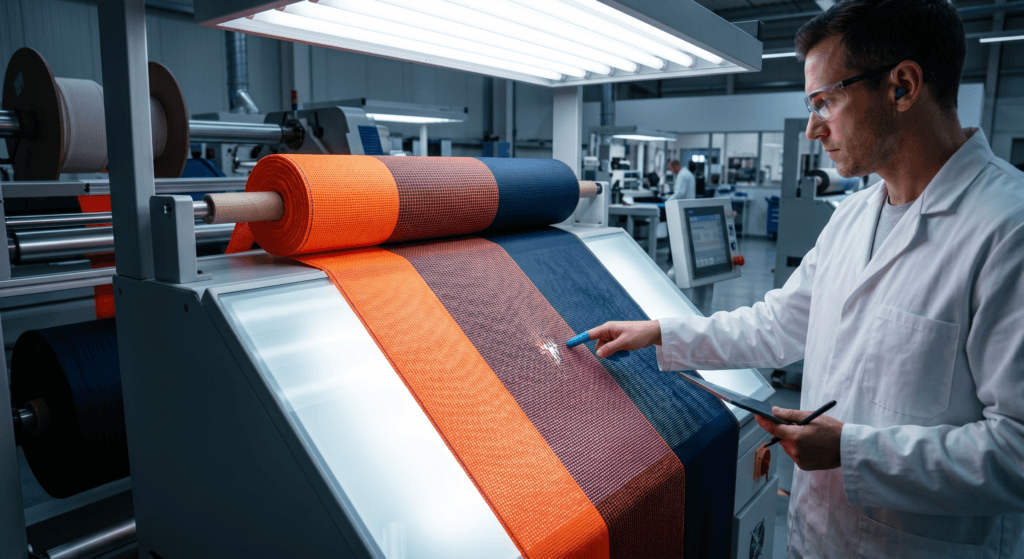 The “Light Box” Inspection: Deconstructing Fabric Defect Diagnostics and the 4-Point Quality System2026年4月28日The structural integrity and visual uniformity of […]
 The Engineering of Waterproof Breathable Workwear: A Forensic Analysis of PU Coatings vs. PTFE Membranes2026年4月24日The selection of waterproof foul-weather gear in industrial […]
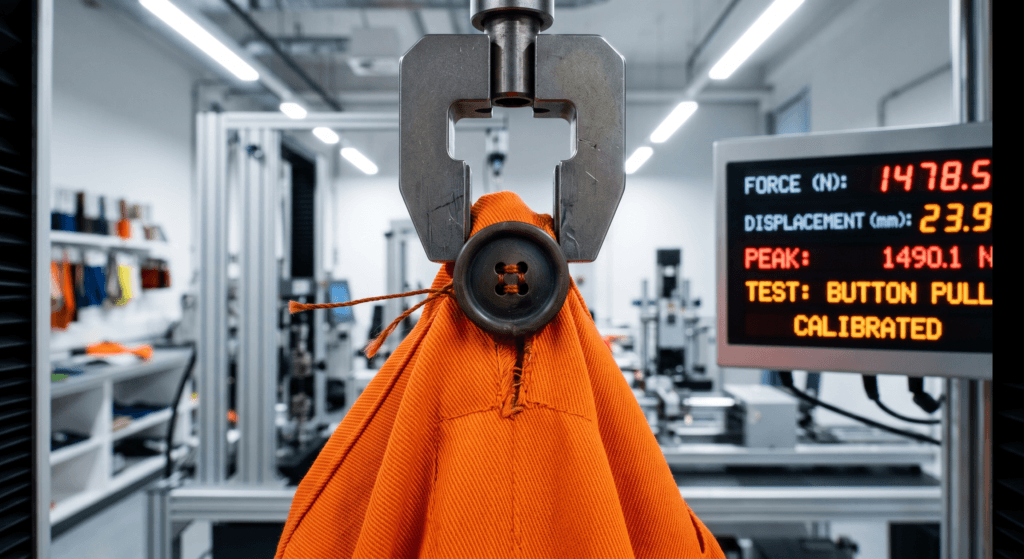 The “Button Pull” Test Protocol: Engineering Fastener Security to Mitigate Industrial Machinery and Choking Hazards2026年4月22日The “Button Pull” Test Protocol: Engineering […]
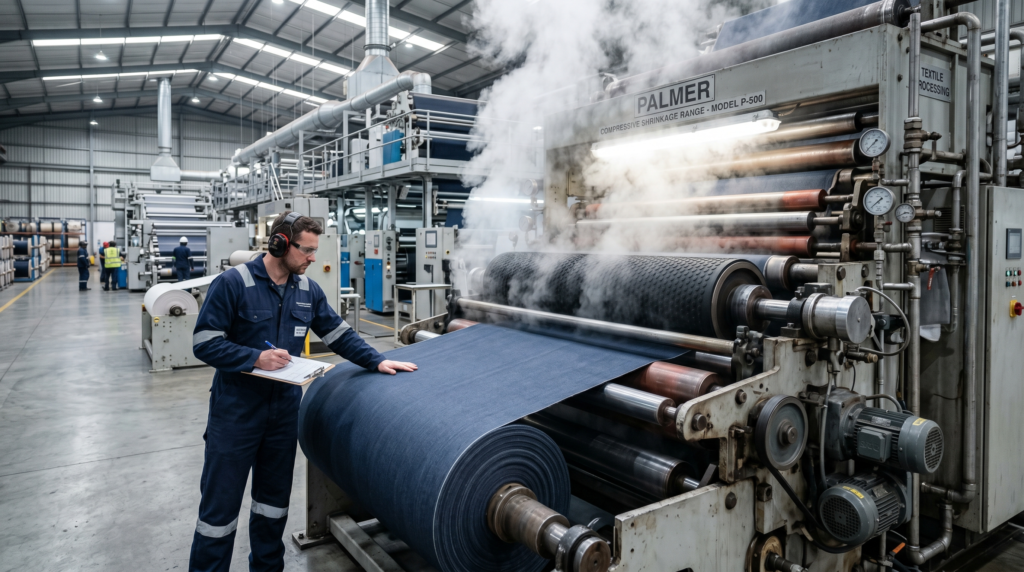 Fabric Shrinkage in Industrial Workwear: The Sanforization Secret and the Physics of Dimensional Stability2026年4月18日Executive Summary In the global industrial workwear and […]