

Even the smallest strand of hair or skin particle can jeopardize food safety. In food environments—from kitchens to processing plants—head and facial hair coverage is a critical barrier against contamination. Yet many facilities overlook advanced practices around selection, fit, certification, and compliance.
This 5,500+ word buyer’s guide helps procurement teams choose the right hair and head covers based on performance, comfort, hygiene audits, and operational scale.
Head and facial hair coverings—like hairnets, beard covers, bouffant caps—are essential to prevent contamination from stray hair and dandruff. Choose based on style (knitted vs mesh), material (polypropylene vs nylon), and certification (ISO 22000 audits). Proper fit, color-coding, and disposal practices make all the difference in high-risk zones.
Real-World Contamination Incidents & Solutions
Incident 1: “A Single Hair, Million-Dollar Damage”
- Scenario: In a high-end chocolate factory, a chocolatier sneezed while styling decorations without a beard cover. A tiny hair landed on a decorative truffle.
- Consequence: Client discovered contamination weeks later, resulting in recall of 10,000 units at $20 each—total loss $200,000.
- Solution: Mandatory elastic beard covers and sneeze guards implemented. No repeat contamination reported.
Incident 2: Recall Caused by Elastic Failure
- Scenario: A poultry processing line observed poor worker compliance due to low-quality bouffant caps losing elasticity quickly.
- Consequence: Established hair found in finished packaging; delay in detection led to suspect shipment, costing $75,000 in disposal and penalty.
- Fix: Switched to higher-grade caps with extended-life elastic and introduced swap stations—zero hair-related issues since.
Head Cover Types at a Glance
| Cover Type | Best Used For | Benefits | Drawbacks |
|---|---|---|---|
| Knitted Hairnets | General food zones | Lightweight, breathable, compactable | May catch on equipment |
| Mesh Bouffant Caps | Bakery, dry zone | Holds more hair, single-use friendly | Not waterproof or heat-resistant |
| Beard Covers | Meat, chocolate, dairy lines | Full coverage for facial hair | Single-size fits may slip |
| Disposable Caps (Non-woven) | High hygiene areas | Good barrier, disposable | Higher waste, lower flexibility |
Hygiene Standards & Audit Requirements
- HACCP / ISO 22000: Hair containment is a prerequisite in all zones with exposure risk.
- FDA Food Code (USA): Requires hair restraints in food prep areas (Section 2-402.11).
- BRCGS: Explicitly penalizes facilities for hair in product; strength of caps and wear compliance is audited.
- EU Regulation 853/2004: Emphasizes head and facial coverage in meat and dairy facilities.
Material Properties Compared
| Material | Fit & Comfort | Durability | Cleanability / Use |
|---|---|---|---|
| Polypropylene | Soft, light | Moderate wear | Disposable or limited reuse |
| Polyurethane Elastic | High stretch | Strong elasticity | Washable up to 25 cycles |
| Non-woven Spunbond | Minimal cost | Low durability | Designed for single use |
| Mesh Nylon | Breathable & voluminous | Moderate strength | Disposable, best for bakery |
Coverage Strategy: Color-Coding & Fit Recommendations
| Zone / Role | Recommended Cover Types | Color Strategy |
|---|---|---|
| Allergen handling zone | Green bouffant cap | Green = allergen zone |
| RTE / high-risk prep | White chef’s beard cover | Crisp white = high hygiene |
| Dry packing area | Blue hairnet | Blue contrasts well on screens |
| Cleaning staff | Yellow disposable cap | Yellow = non-food interaction |
Detailing Compliance with Studies
A study found hairnets from poor batches infected with Staphylococcus aureus and Bacillus spores due to unsanitary manufacturing conditions. :contentReference[oaicite:1]{index=1}
Another research revealed billions of gloves and head covers entering U.S. markets without microbial checks, leading to widespread contamination risks. :contentReference[oaicite:2]{index=2}
Procurement Buying Guide: Smart Questions to Ask
- What is the wear life (reuse cycles) of caps/covers?
- Do you offer color custom options for zoning and compliance?
- Are the products ISO 22000 audit-ready with batch documentation?
- Can elasticity withstand laundering? Provide retention metrics.
- Are there anti-microbial treated options for moist areas?
- Minimum order size, lead time, and cost per case?
QA Section: Key Buyer Questions Answered
Q1: How often should hairnets be replaced?
A: Disposable every shift; reusable after elastics fail or mesh frays.
Q2: Single-size covers fit poorly across head shapes. Solutions?
A: Use stretch-fit elastic or adjustable bands in inventory.
Q3: Can we wash and reuse bouffant caps?
A: Only if manufacturer certifies ≥25 wash cycles with no elastic degradation.
Q4: Is color coding essential?
A: Yes. Visual cues reduce cross-zone contamination and aid audits.
Q5: Any worries about microplastic shedding?
A: Use low-shed polypropylene and monitor for fiber loss regularly.
Procurement Checklist
- [ ] Identify required coverage level per zone
- [ ] Specify disposal vs reusable caps based on hygiene risk
- [ ] Ensure caps/beard covers meet audit documentation
- [ ] Set up swap stations for quick changes
- [ ] Include fit tests and staff training
- [ ] Track waste or reuse counts monthly for review
Conclusion
Despite their simplicity, head and facial hair covers are paramount in preventing visible and microscopic contamination. Investing in proper material selection, fit, zoning, and audit-ready documentation keeps your product—and brand—safe.
Need help designing head cover strategies for your facility (e.g., bakery, meat packing, RTE)? I’ve got templates and supplier directories on hand.
📩 Email: [email protected]
🌐 Visit: www.workwearsolutions.net

 Architecting Resilience: Single Sourcing vs. Dual Sourcing Strategies in Global PPE Procurement2026年4月30日Executive Summary In the complex landscape of industrial […]
 Pattern Grading for Global Bodies: The Engineering of Anthropometric Fit in Industrial Workwear2026年4月29日In the highly regulated landscape of industrial Personal […]
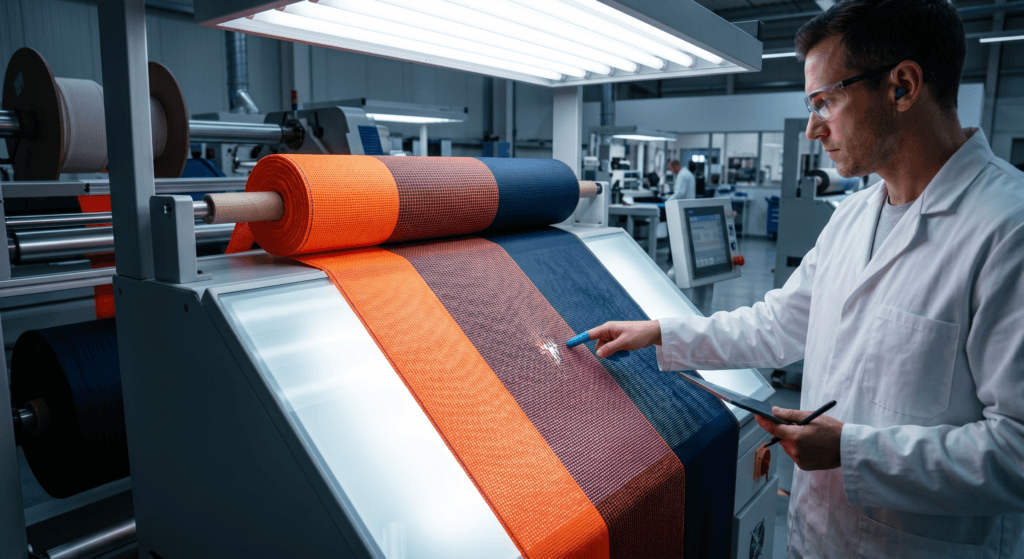 The “Light Box” Inspection: Deconstructing Fabric Defect Diagnostics and the 4-Point Quality System2026年4月28日The structural integrity and visual uniformity of […]
 The Engineering of Waterproof Breathable Workwear: A Forensic Analysis of PU Coatings vs. PTFE Membranes2026年4月24日The selection of waterproof foul-weather gear in industrial […]
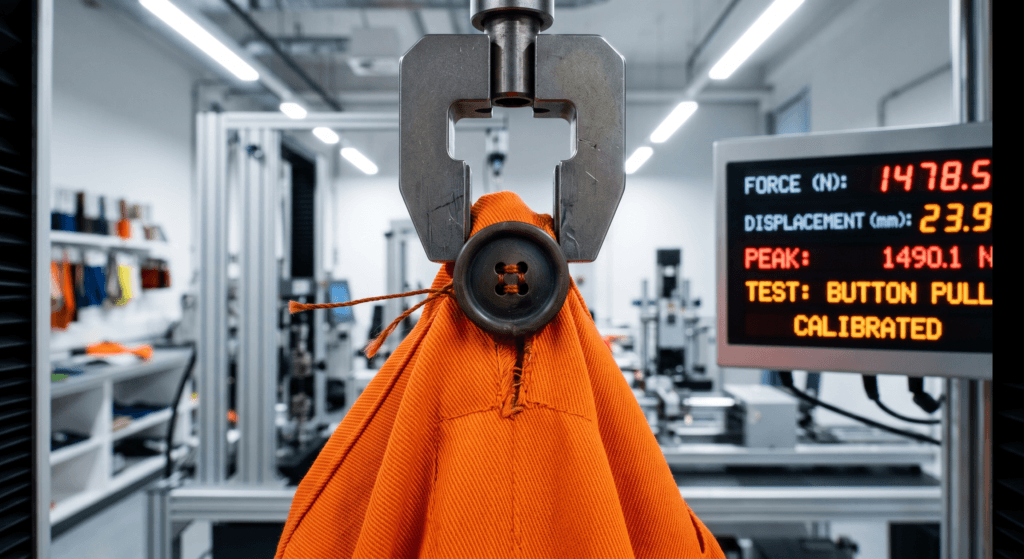 The “Button Pull” Test Protocol: Engineering Fastener Security to Mitigate Industrial Machinery and Choking Hazards2026年4月22日The “Button Pull” Test Protocol: Engineering […]
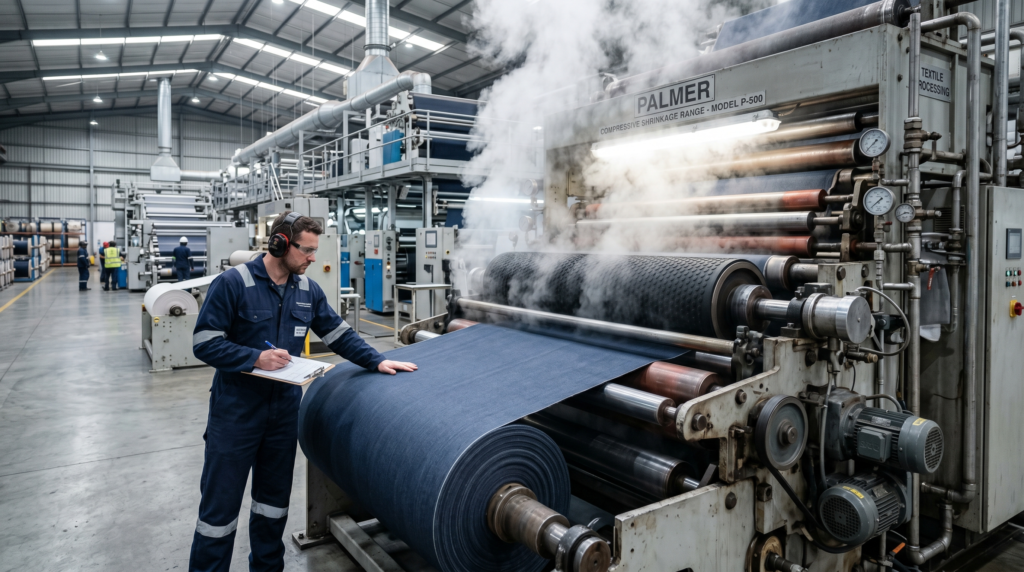 Fabric Shrinkage in Industrial Workwear: The Sanforization Secret and the Physics of Dimensional Stability2026年4月18日Executive Summary In the global industrial workwear and […]