
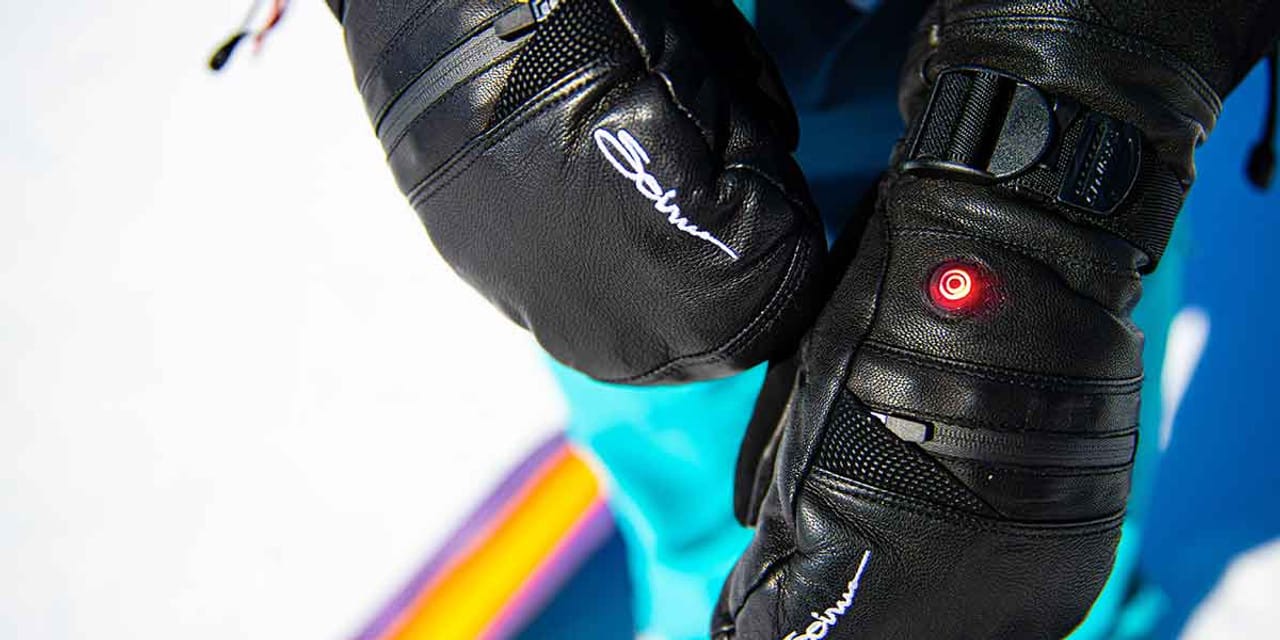
Industrial worksites are noisy, fast-paced, and often dangerous for hands—especially when handling heavy tools, steel pipes, or working near moving machinery. Add low-light conditions to the mix, and the risk of hand injuries skyrockets. Traditional solutions focused on impact-resistant gloves for crushing hazards and separate hi-vis gear for visibility. But now, combined hazards require combined solutions: Hi-vis + Impact Protection gloves.
This comprehensive 5,500+ word guide explains:
- Why dual protection matters
- Global standards (ANSI/ISEA 138 + EN impact testing)
- Real accident cases
- Material engineering
- Procurement checklists and ROI analysis
- Buyer FAQs and advanced strategies
Hi-vis impact-resistant gloves combine fluorescent colors and reflective elements for visibility with thermoplastic rubber (TPR) overlays for dorsal hand protection. They should meet ANSI/ISEA 138 (impact performance) and EN 388 mechanical hazard standards, while following EN ISO 20471 hi-vis principles. Ideal for oil & gas, mining, and heavy construction.
Why Combine Visibility with Impact Protection?
- 23% of workplace hand injuries involve crush or impact hazards.
- Poor visibility contributes to missed hand signals and machine operator misjudgment.
- ANSI/ISEA 138 now sets performance benchmarks for impact protection.
- OSHA fines and downtime costs from crush injuries can exceed $50,000.
Real-World Accident Reports
Case #1 – Oilfield, Texas
A rig worker guiding drill pipes wore dark impact gloves. Crane operator couldn’t see hand signal during pipe positioning. Result: severe crush injury and $72,000 medical cost.
Fix: Hi-vis gloves with TPR knuckle guards and reflective zones.Case #2 – Mining, South Africa
Miner’s hand got caught under a hydraulic arm. Gloves lacked proper TPR padding on fingers. Injury required amputation.
Lesson: Impact protection must cover fingers and knuckles.Case #3 – Highway Bridge Construction, Canada
Night crew wore reflective jackets but dark gloves. Steel beam alignment failed due to unseen hand gestures. Collision caused structural damage worth $90,000.
Solution: Hi-vis + reflective gloves meeting EN impact test guidelines.Case #4 – Offshore Rig, Norway
Roughneck slipped while handling pipe tong. Glove with thin rubber overlay tore on impact. Injury downtime: 3 weeks.
Correct PPE: ANSI/ISEA 138 level 2 or 3 gloves for full dorsal coverage.
Standards That Define Safety
ANSI/ISEA 138 – Impact Protection
- Tests dorsal side (knuckles, fingers) against impact force
- Performance levels:
- Level 1 = Basic
- Level 2 = Higher protection
- Level 3 = Maximum protection (heavy-duty oilfield, mining)
EN 388: Mechanical Hazards
- Abrasion, cut, tear, puncture performance
- Common for combined hazard gloves
Hi-Vis Integration
- EN ISO 20471 color/reflectivity principles for visibility
- Reflective tape on cuff and knuckles for 360° hand visibility
Design Features Buyers Must Demand
| Feature | Purpose |
|---|---|
| Fluorescent Back | Visibility in daylight |
| Reflective Bands | Visibility under artificial light or headlights |
| Full TPR Overlay | Absorbs energy from impact (knuckles + fingers) |
| High-Performance Palm | Grip in wet/oily conditions |
| Touchscreen Tips | Operate devices without glove removal |
Material Technology for Impact Protection
| Material | Benefit |
|---|---|
| Thermoplastic Rubber (TPR) | Shock absorption, flexibility |
| Kevlar® or HPPE liner | Cut resistance for combined hazards |
| Nitrile Sandy Coating | Oil grip and abrasion resistance |
High-Risk Applications
| Industry | Hazard | Glove Features |
|---|---|---|
| Oil & Gas | Pipe handling, pinch points | Hi-vis + ANSI 138 Level 3 + grip coating |
| Mining | Rock handling, hydraulic impact | Full dorsal TPR + EN 388 cut level C or higher |
| Heavy Construction | Steel beams, rebar, power tools | Reflective + padded impact zones + anti-vibration palm |
| Ports & Rail | Crane signaling, heavy load handling | Hi-vis + reflective cuff + TPR finger guards |
Common Procurement Mistakes
- Mistake #1: Choosing gloves with TPR only on knuckles (fingers exposed).
- Mistake #2: Ignoring grip performance → slips during oily tasks.
- Mistake #3: Using hi-vis vests as substitute for hi-vis gloves.
- Mistake #4: Buying non-certified gloves → fail ANSI/ISEA 138 audits.
Cost of Wrong Choices vs Right Choices
| Scenario | Cost of Failure | Hybrid Glove Cost | Savings |
|---|---|---|---|
| Crush injury + downtime | $75,000 | $28 per pair | $74,972 |
| Missed signal collision | $90,000 | $32 per pair | $89,968 |
ROI Analysis for 100 Workers (Annual)
| Option | Annual PPE Cost | Expected Incident Cost |
|---|---|---|
| Standard Impact Gloves | $2,500 | $120,000 |
| Hi-Vis + Impact Gloves | $3,200 | <$10,000 |
ROI: Spending $700 more saves >$110,000 in claims.
Buyer FAQs (12 Key Questions)
Q1: Is ANSI 138 mandatory?
A: For oil & gas, yes under many corporate standards.
Q2: Does more TPR = less dexterity?
A: Modern segmented TPR ensures flexibility.
Q3: Are reflective strips washable?
A: Yes—if laminated, not printed.
Q4: Can one glove cover impact, cut, and hi-vis?
A: Yes—multi-standard gloves exist (EN 388 + ANSI 138 + hi-vis).
Q5: Which color is best for low-light rigs?
A: Lime with reflective accents.
Q6: Do TPR gloves work in extreme cold?
A: Only if combined with EN 511 thermal liner.
Q7: How often to replace?
A: Inspect every 30 days or after heavy impact.
Advanced Buyer Strategies
- Specify impact rating + hi-vis performance in RFQ.
- Use color coding by risk level (orange = high impact tasks).
- Train crews on signal gestures + glove visibility zones.
Quick Procurement Checklist
- [ ] ANSI/ISEA 138 Level 2 or 3 for impact
- [ ] Hi-vis fluorescent + reflective details
- [ ] EN 388 compliance for abrasion and cut
- [ ] Grip technology for wet/oily surfaces
- [ ] Reflective durability after washing
Conclusion
Hi-vis impact-resistant gloves close two critical safety gaps in one solution: preventing crushing injuries and visibility-related accidents. For oil rigs, mining pits, and construction zones, these gloves are not optional—they’re life-saving equipment.
📩 Need dual-certified gloves for impact + visibility + cut resistance?
Email: [email protected]
🌐 www.workwearsolutions.net

 Architecting Resilience: Single Sourcing vs. Dual Sourcing Strategies in Global PPE Procurement2026年4月30日Executive Summary In the complex landscape of industrial […]
 Pattern Grading for Global Bodies: The Engineering of Anthropometric Fit in Industrial Workwear2026年4月29日In the highly regulated landscape of industrial Personal […]
 The “Light Box” Inspection: Deconstructing Fabric Defect Diagnostics and the 4-Point Quality System2026年4月28日The structural integrity and visual uniformity of […]
 The Engineering of Waterproof Breathable Workwear: A Forensic Analysis of PU Coatings vs. PTFE Membranes2026年4月24日The selection of waterproof foul-weather gear in industrial […]
 The “Button Pull” Test Protocol: Engineering Fastener Security to Mitigate Industrial Machinery and Choking Hazards2026年4月22日The “Button Pull” Test Protocol: Engineering […]
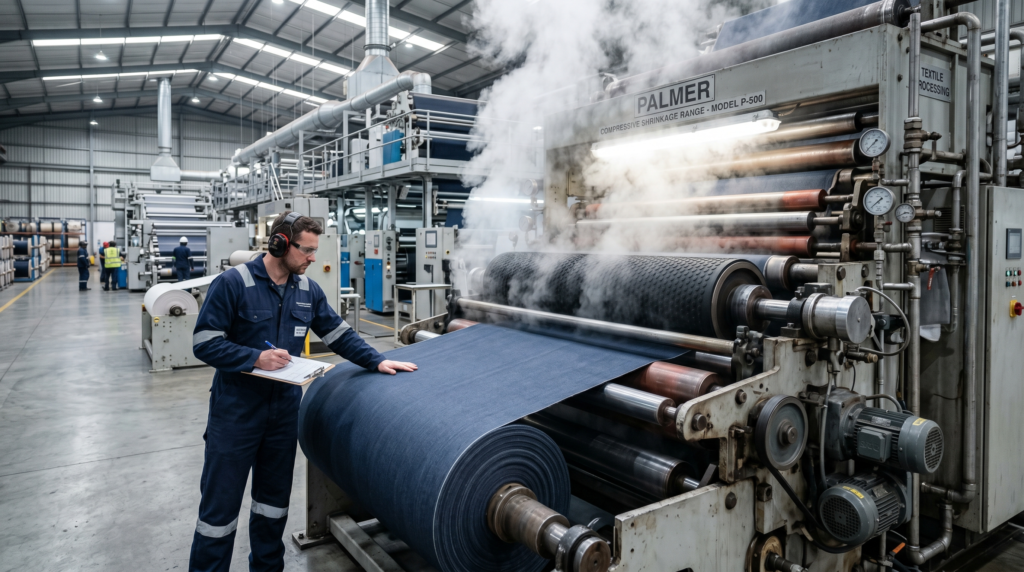 Fabric Shrinkage in Industrial Workwear: The Sanforization Secret and the Physics of Dimensional Stability2026年4月18日Executive Summary In the global industrial workwear and […]