
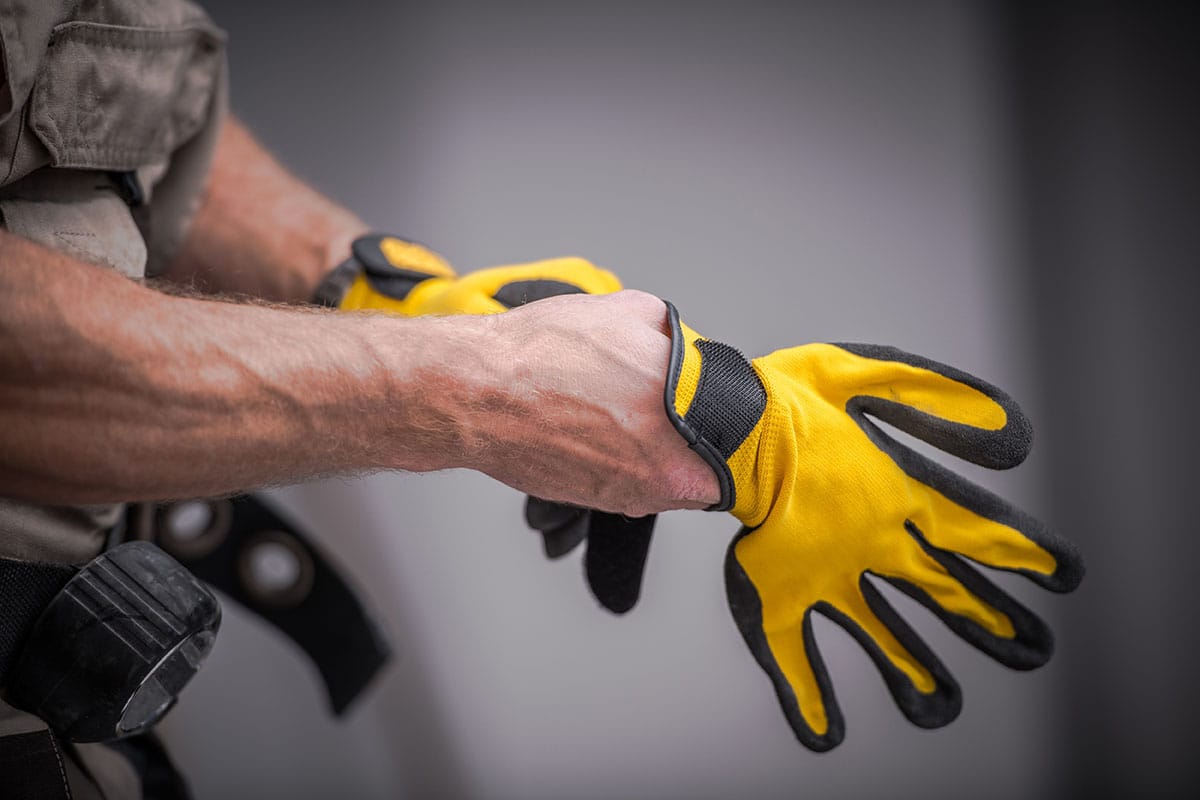
Hand injuries are among the most frequent workplace incidents, impacting industries from construction and manufacturing to chemical processing. These injuries can range from minor cuts to life-altering burns or amputations, and they are not only painful—they are expensive, disruptive, and 100% preventable with proper glove selection. For buyers, choosing the right gloves is not an afterthought—it’s a compliance requirement and a cost-control strategy.
Industrial hand protection minimizes risks from cuts, abrasions, burns, chemicals, and crush hazards. OSHA (29 CFR 1910.138) mandates employers to provide gloves suited for identified hazards. Gloves vary in material, protection level, and compliance standards, so matching the glove to the job is essential for worker safety and regulatory compliance.
Why Hand Protection Is Critical in Industry
- 28% of all workplace injuries involve hands (U.S. Bureau of Labor Statistics).
- Average direct medical cost for a severe hand injury: $21,000–$35,000 (National Safety Council).
- Indirect costs (lost time, retraining, downtime) can multiply the impact by 4–6 times.
Common Injury Causes:
- Contact with sharp metals, blades, and broken glass
- Chemical burns from acids, solvents, and alkalis
- Exposure to molten metal or sparks
- Crushed fingers due to impact hazards
- Frostbite during cold-weather tasks
Case Example #1 (Metal Fabrication Shop, Michigan):
An operator handling sheet metal wore thin knit gloves without cut resistance. A single slip caused a deep laceration requiring 14 stitches and 10 lost workdays. Direct costs: $12,000. Indirect costs: nearly $40,000 in production delays.Case Example #2 (Chemical Plant, Germany):
Workers cleaning tanks used standard nitrile gloves with strong caustic soda. Gloves degraded within 8 minutes, causing severe chemical burns. Outcome: $68,000 in medical costs and a temporary shutdown of the cleaning process. The fix? Switch to EN 374-tested neoprene gloves with longer cuffs.Case Example #3 (Oil & Gas Field, Texas):
Impact gloves were not mandatory. A dropped pipe fractured a worker’s fingers. The incident led to $125,000 in compensation claims and stricter PPE policies.
Global Safety Standards You Need to Know
OSHA 29 CFR 1910.138 (U.S.)
- Requires employers to assess hazards and provide hand protection against specific risks like cuts, chemicals, burns, or electricity.
EN 388 (Europe)
- Mechanical risk testing:
- Abrasion (0–4)
- Cut (0–5 or ISO A–F)
- Tear (0–4)
- Puncture (0–4)
EN 374
- Chemical protection standards for permeation and degradation.
ANSI/ISEA 105
- U.S. standard for cut resistance (A1–A9), puncture, and abrasion.
Audit Fact:
In 2023, OSHA issued over 2,000 citations for PPE violations, with hand protection failures accounting for 22%.
Common Glove Categories and Their Purpose
| Glove Type | Protects Against | Industries |
|---|---|---|
| Cut-Resistant (Kevlar®, Dyneema®) | Sharp metal edges, glass shards | Metalworking, automotive, logistics |
| Chemical-Resistant (Nitrile, Neoprene, PVC) | Acids, oils, solvents | Chemical plants, laboratories |
| Heat/Welding Gloves | Sparks, molten metal, thermal hazards | Foundries, welding, glass industry |
| Impact-Resistant Gloves | Crush injuries, vibration hazards | Oil & gas, heavy equipment, mining |
| Electrical Insulating Gloves | High-voltage contact | Utilities, power distribution |
| Disposable Gloves (Nitrile, Latex) | Contamination control | Pharma, healthcare, food processing |
Cost of Neglect: Why Wrong Gloves Are Expensive
- Direct injury cost: $10,000–$40,000 per case
- Downtime: 8–14 lost workdays per injury
- Insurance premium hikes and legal claims
- Reputation risk during client or safety audits
Case Study (Global Manufacturer):
After three hand injuries in one quarter, insurance premiums rose by 18%, costing the company $400,000 annually. Investment in certified PPE reduced incidents by 70% within 6 months.
Quick Procurement Checklist for Buyers
- [ ] Hazard assessment documented for every job role
- [ ] Gloves meet OSHA, EN, or ANSI/ISEA 105 standards
- [ ] Material compatibility confirmed via SDS
- [ ] Correct cut, impact, or heat rating selected
- [ ] Vendor provides certification + compatibility charts
- [ ] Stock includes multiple sizes for ergonomic fit
Buyer FAQ
Q: Can one glove type cover all risks?
A: No. Each hazard—cut, chemical, heat—requires specific glove material and certification.Q: Are cut-resistant gloves heavy and rigid?
A: Modern materials like HPPE and Dyneema® offer high protection with comfort and flexibility.Q: Do gloves expire?
A: Yes. Especially chemical and electrical gloves. Always check manufacturing and expiry dates.
Additional Buyer Insights
- Implement training programs for proper glove use—wrong usage negates certification.
- Rotate gloves frequently for hygiene and durability.
- Use digital inventory tools to track glove life cycles and reduce waste.
Conclusion
Industrial hand protection is not optional—it’s a legal, safety, and financial imperative. Choosing gloves based on hazard type, certification, and comfort ensures compliance and reduces injury-related costs dramatically.
Need certified gloves with expert hazard matching and bulk supply solutions?
📩 Email: [email protected]
🌐 Website: www.workwearsolutions.net

 Architecting Resilience: Single Sourcing vs. Dual Sourcing Strategies in Global PPE Procurement2026年4月30日Executive Summary In the complex landscape of industrial […]
 Pattern Grading for Global Bodies: The Engineering of Anthropometric Fit in Industrial Workwear2026年4月29日In the highly regulated landscape of industrial Personal […]
 The “Light Box” Inspection: Deconstructing Fabric Defect Diagnostics and the 4-Point Quality System2026年4月28日The structural integrity and visual uniformity of […]
 The Engineering of Waterproof Breathable Workwear: A Forensic Analysis of PU Coatings vs. PTFE Membranes2026年4月24日The selection of waterproof foul-weather gear in industrial […]
 The “Button Pull” Test Protocol: Engineering Fastener Security to Mitigate Industrial Machinery and Choking Hazards2026年4月22日The “Button Pull” Test Protocol: Engineering […]
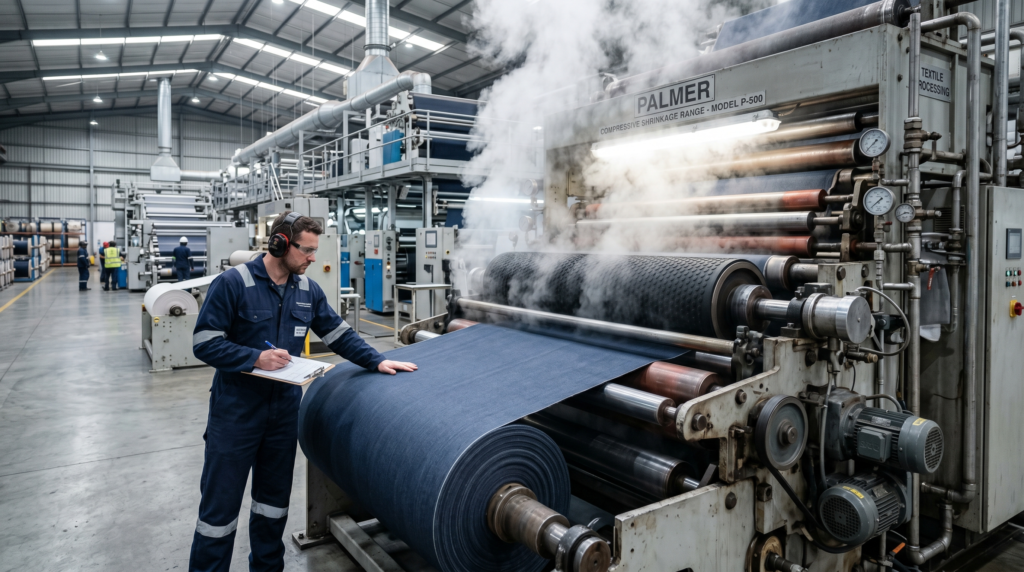 Fabric Shrinkage in Industrial Workwear: The Sanforization Secret and the Physics of Dimensional Stability2026年4月18日Executive Summary In the global industrial workwear and […]