
Buying the right respirator isn’t just about picking the cheapest option on the shelf—it’s about saving lives, avoiding fines, and meeting legal obligations. This expanded guide brings together all the critical information: standards, respirator types, filter selection, OSHA requirements, and practical tips for buyers. It now includes real-life failure stories, global compliance insights, and cost-saving strategies for large operations.
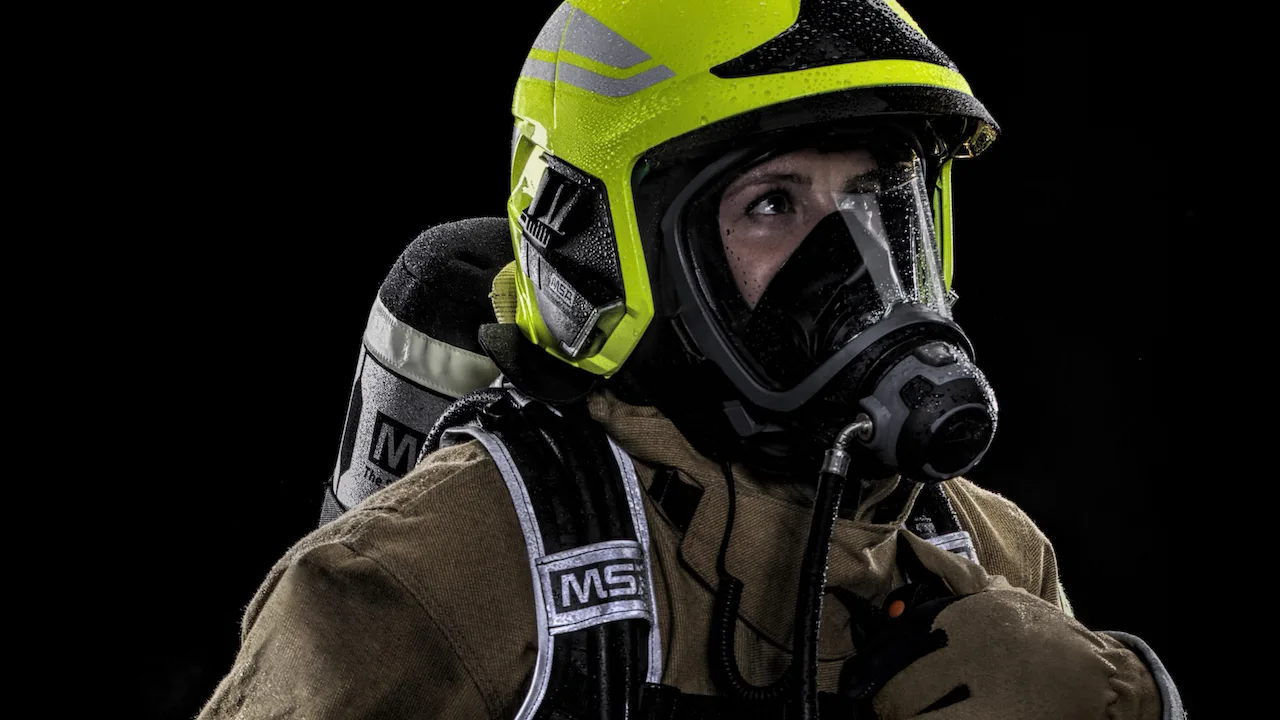
Respiratory PPE includes disposable masks (N95, FFP2), half- and full-face respirators, PAPRs, and SCBAs designed to prevent inhalation of harmful dust, vapors, gases, or biological hazards. Buyers must ensure NIOSH/EN compliance, match PPE to hazards, and maintain OSHA-compliant programs with fit testing, training, and proper documentation.
Why This Guide Matters
Respiratory hazards account for thousands of occupational illnesses annually. Compliance failures can cripple businesses financially and operationally.
- OSHA lists respiratory protection as #3 on its most-cited standards list.
- A single violation costs up to $15,625—repeat offenders risk 6-figure penalties.
- Long-term effects of poor protection include asthma, chemical lung burns, or silicosis lawsuits.
Case Study #1 (Construction Contractor, New Jersey):
Used non-certified masks for silica dust exposure. Result: OSHA fine of $32,500, plus an additional $18,000 for employee health claims. The contract was delayed 6 weeks.Case Study #2 (Paint Manufacturer, Texas):
Ignored written program requirements. After an exposure incident, OSHA cited 4 separate violations totaling $75,000 and forced a full operational shutdown for 10 days—costing an estimated $250,000 in lost revenue.Case Study #3 (Pharmaceutical Plant, EU):
Filters were past expiry during an ISO 45001 audit. Shipment delays and reputational damage cost the company €1.5 million in lost contracts.
Understanding Key Standards
NIOSH (U.S.)
- Governs approval under 42 CFR Part 84.
- Every certified respirator carries a TC approval number.
- Example: TC-84A-XXXX for filtering facepiece respirators.
EN Standards (Europe)
- EN 149: Disposable masks (FFP1, FFP2, FFP3)
- EN 136: Full-face respirators
- EN 140: Half masks
- EN 143 & EN 14387: Particulate and gas filters
OSHA 29 CFR 1910.134
- Key elements:
- Written respiratory protection program
- Hazard assessments
- Fit testing (initial and annual)
- Medical clearance
- Training and maintenance protocols
Compliance Insight:
In 2023, 72% of OSHA citations for respirator programs were due to missing documentation, not missing PPE.
Respirator Types and When to Use Them
| Type | Best For | Typical Industries |
|---|---|---|
| N95 / FFP2 Disposable | Dust, silica, mild particulates | Construction, carpentry |
| P100 Filters | Asbestos, lead, heavy metals | Renovation, demolition |
| Half-Mask Respirator | Solvent fumes, light chemicals | Painting, spraying, auto repair |
| Full-Face Respirator | Chemical splash, toxic vapors | Chemical plants, pharma |
| PAPR | Long-duration use, high heat environments | Metal foundries, oil & gas |
| SCBA | Oxygen-deficient or high-hazard confined spaces | Firefighting, mining |
Case Example:
A shipyard switched from disposable masks to PAPRs after repeated fogging complaints. Outcome: worker compliance improved by 60%, and productivity rose because workers no longer removed PPE during shifts.
Filter Selection: A Buyer’s Critical Task
| NIOSH Color Code | Hazard | Examples |
|---|---|---|
| Black | Organic Vapors | Paint, solvent fumes |
| White | Acid Gases | Hydrochloric acid, SO₂ |
| Green | Ammonia / Methylamine | Refrigeration, fertilizer plants |
| Olive | Multi-Gas / Vapors | Refineries, chemical processing |
| Magenta | Particulates (HEPA/P100) | Asbestos, silica, lead dust |
Buyer Warning: Filters expire even if unused. Stockpiled cartridges without date checks = compliance risk and zero protection.
Compliance Essentials Every Buyer Should Know
1. Written Respiratory Program
- Must include hazard assessments, PPE selection, training, and recordkeeping.
- OSHA auditors will ask for this first.
2. Fit Testing
- Initial fit test before first use + annual retesting.
- Keep signed records for each employee.
3. Employee Training
- Cover PPE limitations, filter replacement intervals, and cleaning routines.
- Include multilingual resources for diverse workforces.
4. Medical Evaluations
- Legally required before respirator use.
- Buyers should ensure access to OSHA-compliant forms.
5. Maintenance & Storage
- Reusable respirators must be cleaned after every shift.
- Store in sealed, contamination-free containers.
Ultimate Procurement Checklist
- [ ] NIOSH or EN certification verified on every item
- [ ] Correct respirator type for hazard (dust, chemical, oxygen-deficient)
- [ ] Compatible filters stocked and expiry tracked
- [ ] Fit-test kits included in initial procurement
- [ ] Employee training materials bundled with PPE
- [ ] Supplier provides compliance templates and certification records
- [ ] Digital inventory or RFID system for filter management
Common Buyer Mistakes to Avoid
- Purchasing from non-verified sellers → risk of counterfeit PPE
- Mixing respirator brands and filter types
- Stocking filters without shelf-life monitoring
- Omitting fit-test kits and training tools from the order
Audit Horror Story:
A global chemical firm bought 5,000 non-certified respirators online to cut costs. OSHA fined the company $250,000 and required full equipment replacement within 30 days.
Buyer FAQ
Q: Do voluntary N95 users require a written program?
A: Yes, if employer mandates usage due to hazards.Q: Are full-face respirators worth the extra cost?
A: Yes, when splash hazards exist or higher APF (Assigned Protection Factor) is required.Q: What’s the fastest way to prepare for an OSHA audit?
A: Consolidate fit-test records, confirm respirator certifications, and update the written program.
Additional Insights for Large Buyers
- Align OSHA compliance with ISO 45001 for global operations.
- Use supplier-managed inventory to ensure filters never expire.
- Standardize PPE across sites to simplify training and maintenance.
Conclusion
Compliance is not just about equipment—it’s about building a documented, auditable system for respiratory protection. Buyers who secure certified PPE, integrate compliance tools, and partner with informed suppliers prevent legal trouble and safeguard workers effectively.
Need NIOSH/EN-certified respirators, filter supply, fit-test kits, and compliance programs in one package?
Email: [email protected]
Website: www.workwearsolutions.net

 Architecting Resilience: Single Sourcing vs. Dual Sourcing Strategies in Global PPE Procurement2026年4月30日Executive Summary In the complex landscape of industrial […]
 Pattern Grading for Global Bodies: The Engineering of Anthropometric Fit in Industrial Workwear2026年4月29日In the highly regulated landscape of industrial Personal […]
 The “Light Box” Inspection: Deconstructing Fabric Defect Diagnostics and the 4-Point Quality System2026年4月28日The structural integrity and visual uniformity of […]
 The Engineering of Waterproof Breathable Workwear: A Forensic Analysis of PU Coatings vs. PTFE Membranes2026年4月24日The selection of waterproof foul-weather gear in industrial […]
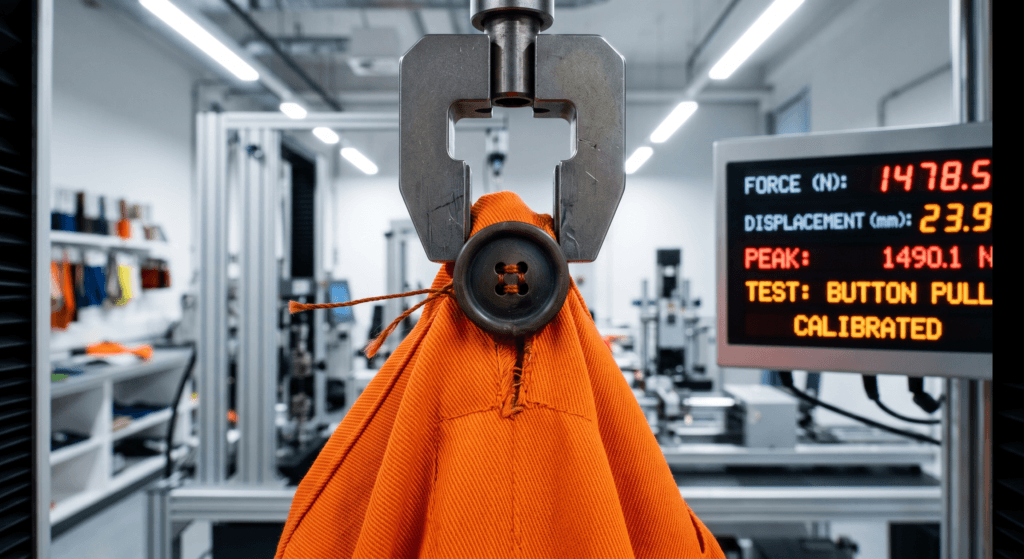 The “Button Pull” Test Protocol: Engineering Fastener Security to Mitigate Industrial Machinery and Choking Hazards2026年4月22日The “Button Pull” Test Protocol: Engineering […]
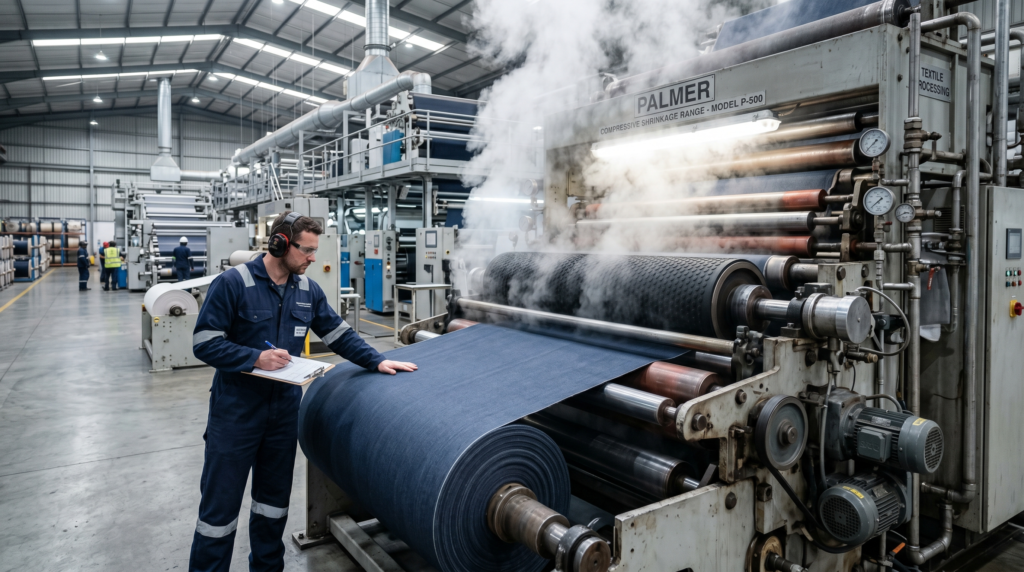 Fabric Shrinkage in Industrial Workwear: The Sanforization Secret and the Physics of Dimensional Stability2026年4月18日Executive Summary In the global industrial workwear and […]