
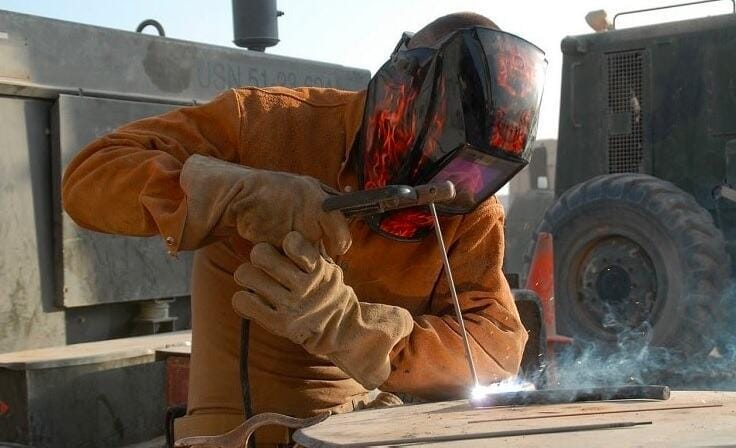
Welding isn’t a single-task job—and neither is welding PPE. Each piece of protective clothing plays a distinct role in shielding workers from sparks, molten metal, heat, and UV radiation. Choosing the right combination of garments ensures full-body protection without sacrificing comfort and mobility.
In this guide, we’ll break down the essential types of welding protective clothing, their purposes, and what to look for when buying.
Why a Complete PPE System Matters
One garment can’t cover every welding hazard. For instance:
- A jacket protects the torso, but leaves hands exposed.
- Gloves shield hands, but won’t stop spatter from reaching arms.
- Aprons add extra coverage, but can’t protect the face.
A complete system—jackets, aprons, sleeves, gloves, and helmets—works together to minimize risk.
1. Welding Jackets: The First Line of Defense
Purpose: Protects torso, shoulders, and arms from sparks and molten metal.
Common Materials:
- Leather (cowhide, pigskin, goatskin): Superior heat resistance; ideal for heavy-duty welding (Stick, MIG).
- FR Cotton: Lightweight, breathable; suitable for TIG or light-duty welding.
- Combination Jackets: Leather sleeves + FR cotton torso for heat protection with better mobility.
Key Features:
- Snap closures or heavy-duty zippers
- High collars for neck protection
- Reinforced seams for durability
Buyer Tip:
Select jackets that meet EN ISO 11611 or ANSI Z49.1 standards for welding safety.
2. Welding Aprons: Extra Protection for Heavy Spatter Tasks
Purpose: Shields chest, abdomen, and upper legs during high-spatter jobs.
Ideal Use: Overhead welding, vertical welding, cutting operations.
Material Choice:
- Leather aprons provide excellent heat resistance.
- Look for adjustable straps and quick-release buckles for easy on/off.
Example:
Steel fabrication shops often issue aprons for operators performing extended Stick welding sessions.
3. Welding Sleeves: Flexible Arm Protection
Purpose: Guards forearms and elbows when full jackets aren’t practical.
Best For: High-mobility tasks, confined spaces, or hot-weather welding.
Material Options:
- Leather sleeves for heavy-duty welding.
- FR cotton sleeves for lighter welding tasks.
Pro Tip:
Pair sleeves with an FR cotton shirt for flexible protection without overheating.
4. Welding Gloves: Critical Hand Protection
Hands face the highest exposure to burns, sparks, and sharp metal edges.
Types of Welding Gloves:
- MIG Gloves: Thick leather, high heat resistance.
- TIG Gloves: Thinner leather, enhanced dexterity.
- Stick Welding Gloves: Heavy-duty, maximum protection for extreme heat.
Features to Look For:
- Kevlar® stitching for heat resistance
- Reinforced palms and cuffs
- Extended gauntlets for wrist and forearm coverage
Additional PPE to Consider:
- Leather Bibs: Full coverage for high-heat tasks.
- Welding Caps & Neck Guards: Prevent burns from falling sparks.
- FR Pants: Complete protection for lower body during heavy welding.
| Garment | Primary Role | Recommended Material |
|---|---|---|
| Jacket | Upper body & arms | Leather, FR cotton |
| Apron | Torso & thighs | Leather |
| Sleeves | Arms only | Leather or FR cotton |
| Gloves | Hands & wrists | Leather |
Compliance Standards for Welding PPE
- ANSI Z49.1: U.S. welding safety guidelines
- EN ISO 11611: Protective clothing for welding and allied processes
- OSHA 1910 Subpart Q: PPE requirements for arc welding and cutting
Always check for compliance labels and request certificates when purchasing.
FAQs for Buyers
Q: "Can I use the same gloves for all welding types?"
A: No. MIG, TIG, and Stick welding require different glove designs for heat resistance and dexterity.Q: "Are FR cotton jackets enough for Stick welding?"
A: No. Use full leather or combination jackets for high-spatter processes like Stick or MIG welding.Q: "How often should I replace welding sleeves or aprons?"
A: Inspect after each shift. Replace when cracks, burns, or holes compromise protection.
Conclusion
The right combination of jackets, aprons, sleeves, and gloves provides complete, flexible protection for welders. Each piece plays a role—omitting one increases the risk of burns, injuries, and compliance failures.
Looking for premium welding jackets, gloves, and aprons?
Email: [email protected]
Website: www.workwearsolutions.net

 Architecting Resilience: Single Sourcing vs. Dual Sourcing Strategies in Global PPE Procurement2026年4月30日Executive Summary In the complex landscape of industrial […]
 Pattern Grading for Global Bodies: The Engineering of Anthropometric Fit in Industrial Workwear2026年4月29日In the highly regulated landscape of industrial Personal […]
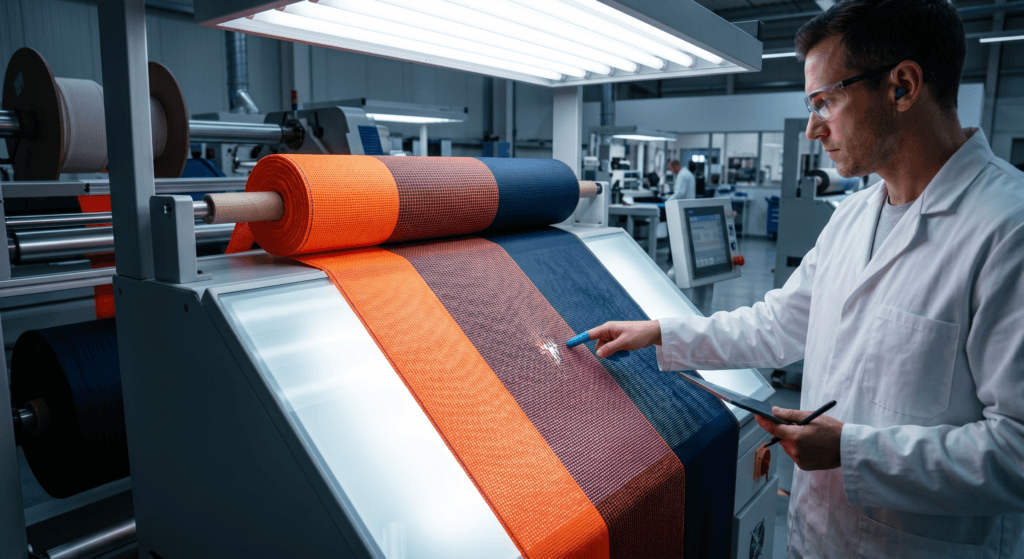 The “Light Box” Inspection: Deconstructing Fabric Defect Diagnostics and the 4-Point Quality System2026年4月28日The structural integrity and visual uniformity of […]
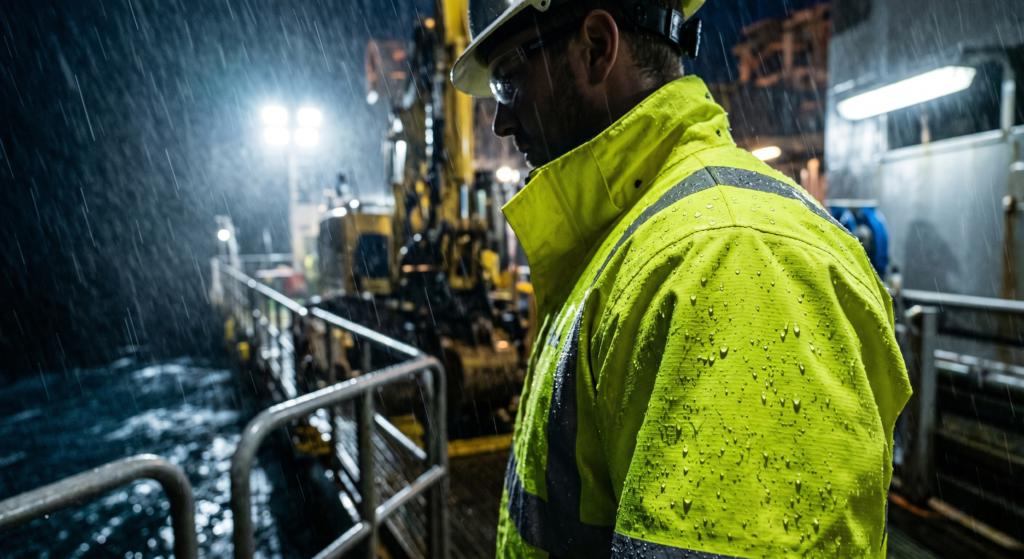 The Engineering of Waterproof Breathable Workwear: A Forensic Analysis of PU Coatings vs. PTFE Membranes2026年4月24日The selection of waterproof foul-weather gear in industrial […]
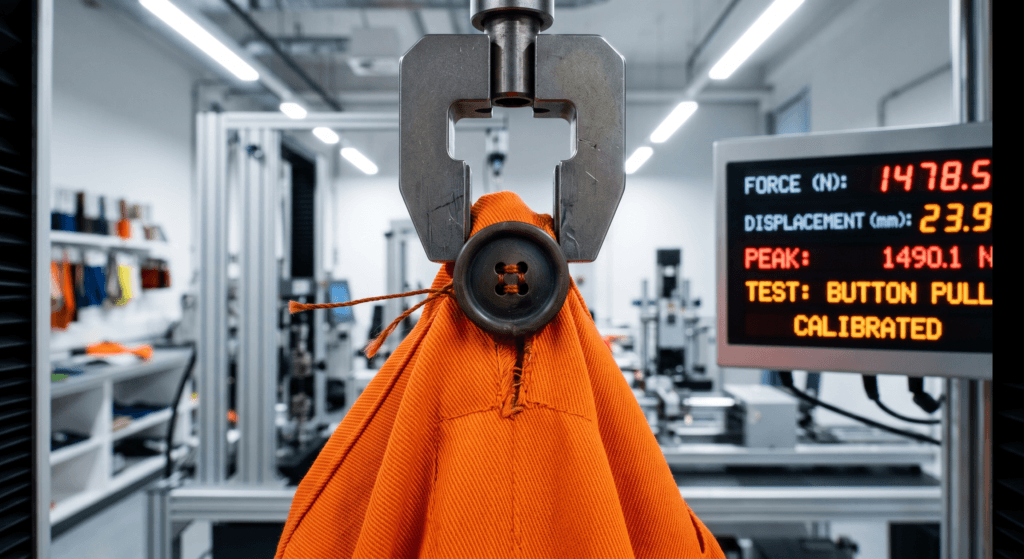 The “Button Pull” Test Protocol: Engineering Fastener Security to Mitigate Industrial Machinery and Choking Hazards2026年4月22日The “Button Pull” Test Protocol: Engineering […]
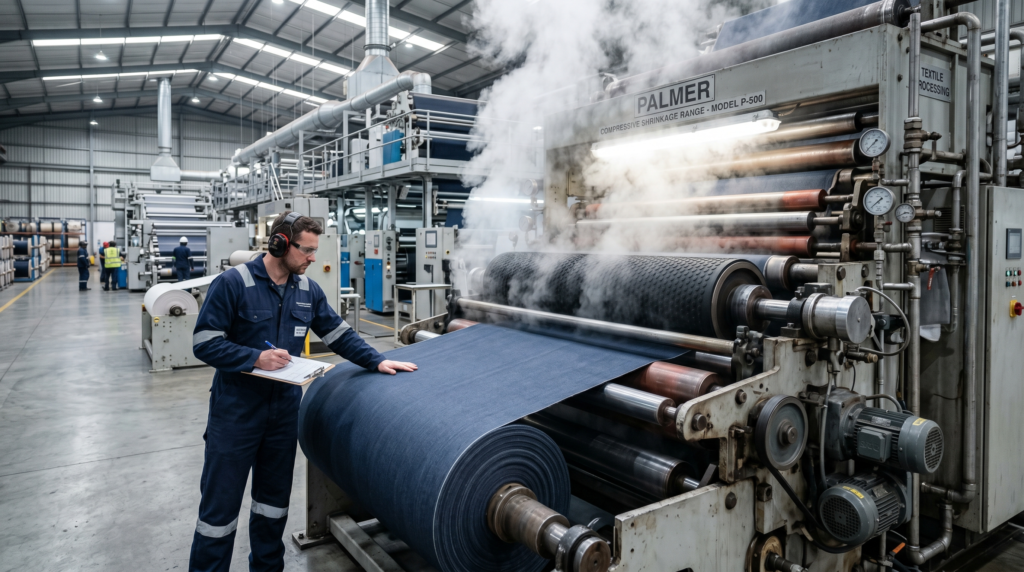 Fabric Shrinkage in Industrial Workwear: The Sanforization Secret and the Physics of Dimensional Stability2026年4月18日Executive Summary In the global industrial workwear and […]