
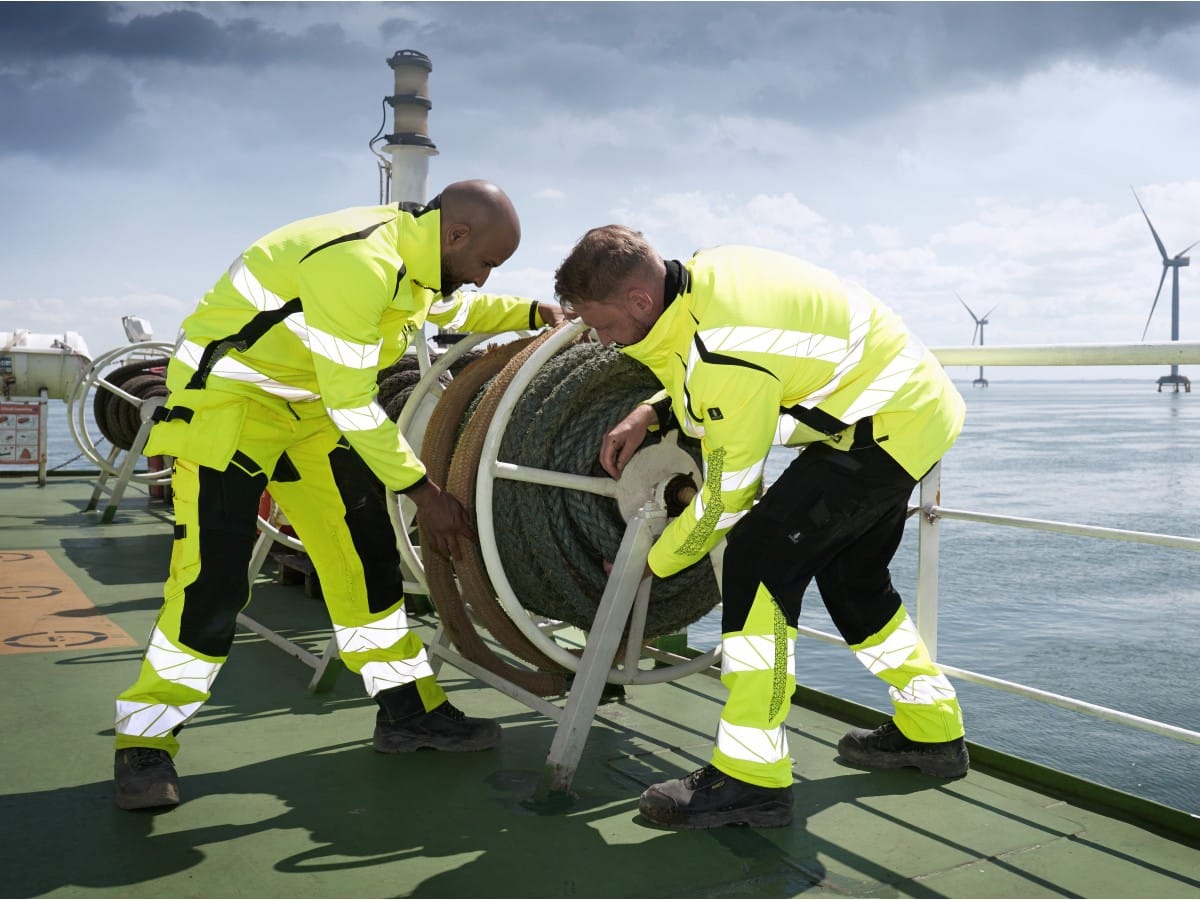
When temperatures plunge below freezing, traditional insulation can struggle to maintain comfort and productivity. That’s why electrically heated jackets and gear powered by advanced battery technology are gaining popularity. But are they worth the premium price?
Let’s take a detailed look at heated workwear: how it works, battery technology, real-world effectiveness, costs, safety standards, and practical buying advice for workplaces.
How Heated Workwear Functions
Heated garments use battery-powered heating elements (usually carbon fiber or wire-based) to generate heat. These elements are integrated into:
- Jackets and vests
- Gloves and liners
- Pants and insoles
Workers can easily adjust heat settings (low, medium, high), delivering targeted warmth precisely where it’s needed.
Battery Technology: Key to Performance
Common Battery Types:
- Lithium-ion (Li-ion): Lightweight, long-lasting, most common choice.
- Lithium-polymer (LiPo): Ultra-thin, flexible, lighter—ideal for ergonomic gear.
Battery Capacity & Runtime (Typical):
| Battery Capacity (mAh) | Runtime (Hours) on Medium Setting |
|---|---|
| 5,000 mAh | 4–6 hours |
| 7,500 mAh | 6–9 hours |
| 10,000 mAh | 8–12 hours |
Impact of Temperature:
- Battery runtime decreases about 20–30% below –10°C.
- Recommendation: Use higher-capacity batteries in extremely cold environments (–20°C or lower).
Real-World Insight:
A utility crew in Alaska upgraded to 10,000 mAh batteries, extending runtime by 3–4 hours per shift in –25°C temperatures, significantly improving productivity.
Advantages of Heated Workwear
Enhanced Worker Productivity:
- Maintains consistent core body temperature, reducing shivering, fatigue, and loss of dexterity.
Improved Comfort & Safety:
- Prevents cold-related injuries (frostbite, hypothermia).
- Better mobility compared to bulky traditional insulation.
Cost-Effectiveness (Long-Term):
- Reduces need for multiple heavy layers, simplifying wardrobe.
- May extend outdoor working hours and reduce absenteeism.
Real-Life Case Study:
A transportation logistics firm in Sweden reported a 20% reduction in sick leave and higher productivity after switching drivers and dockworkers to heated jackets during winter operations.
Disadvantages & Considerations
Upfront Cost:
- Heated jackets cost 2–4 times more than traditional insulated jackets initially.
Battery Life Limitations:
- Batteries have a finite lifespan (typically 500–800 recharge cycles).
Maintenance & Replacement:
- Requires regular battery management, replacements, and charging stations.
Compliance & Safety:
- Must meet IEC 62133 battery safety standards.
- Regular inspections to avoid battery damage or overheating.
Standards & Safety Compliance (IEC 62133)
Heated garments must comply with IEC 62133 (battery safety standards):
- Ensures battery and wiring safety.
- Reduces overheating/fire risks.
- Protects against short circuits and electrical faults.
Buyer Tip:
Request IEC 62133 certification from suppliers. Avoid brands without proper documentation, even if cheaper.
ROI & Cost-Benefit Analysis (Example):
| Factor | Traditional Jacket (USD) | Heated Jacket (USD) |
|---|---|---|
| Initial Cost | $120 | $350 |
| Battery Replacement (3-year) | – | $100 |
| Productivity Improvement | Minimal | 10–20% |
| Reduced Absenteeism | Minimal | Significant |
| Total Cost (3-year) | $120 | $450 |
| ROI (productivity gains) | Low | High |
Practical Insight:
A construction company in Canada calculated an annual saving of $10,000 through reduced downtime and sick days after investing in heated jackets for its field workers.
Common Buyer Questions Answered (In-Depth):
Q: "How long does it take to recharge batteries?"
A: Typically 4–6 hours, depending on battery capacity and charger type.Q: "Can heated gear be machine-washed?"
A: Many models are machine washable once batteries are removed. Check garment-specific care instructions carefully.Q: "Are heated garments safe in hazardous (FR-required) environments?"
A: FR-rated heated garments designed specifically for hazardous environments are available, but standard heated gear isn’t suitable without FR certification.Q: "Do workers experience discomfort from battery weight?"
A: Modern Li-ion batteries are lightweight and compact, rarely causing significant discomfort. Ergonomic placement and sizing minimize this issue.
Procurement Checklist (Enhanced):
- [ ] Evaluate battery type (Li-ion/LiPo) and capacity for your conditions
- [ ] Verify battery runtime at target temperatures
- [ ] Request IEC 62133 battery safety certificates
- [ ] Confirm laundering and maintenance procedures
- [ ] Consider ROI through productivity and safety improvements
- [ ] Conduct worker trials for comfort, ease of use, and effectiveness
- [ ] Budget for battery replacements every 2–3 years
Conclusion: Is Heated Workwear Worth It?
Electrically heated garments offer clear advantages: higher productivity, improved worker safety, reduced downtime, and long-term cost-effectiveness. While initial investments are higher, the tangible gains often justify the expense—particularly in harsh climates or safety-critical industries.
Need help deciding or trialing heated workwear for your workforce?
Email: [email protected]
Website: www.workwearsolutions.net

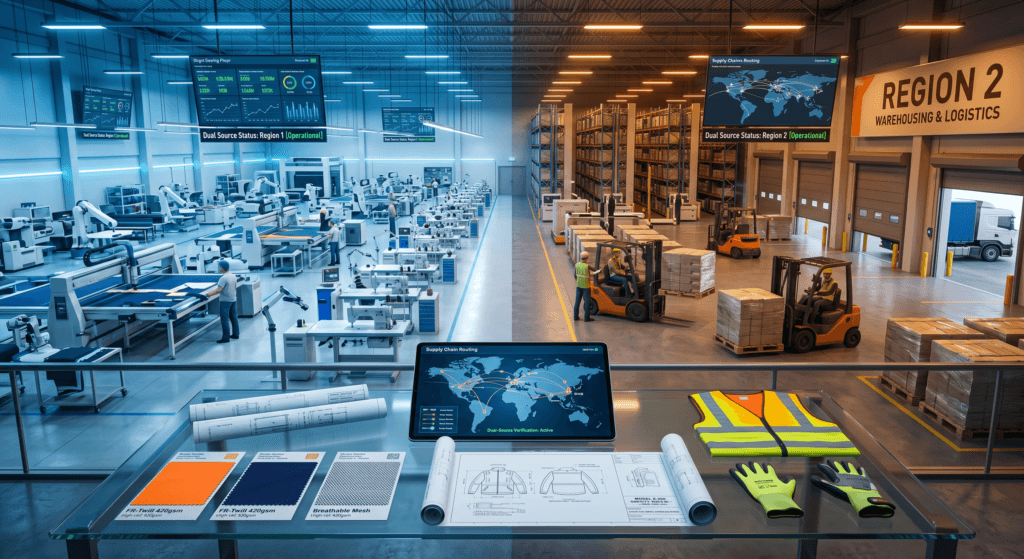 Architecting Resilience: Single Sourcing vs. Dual Sourcing Strategies in Global PPE Procurement2026年4月30日Executive Summary In the complex landscape of industrial […]
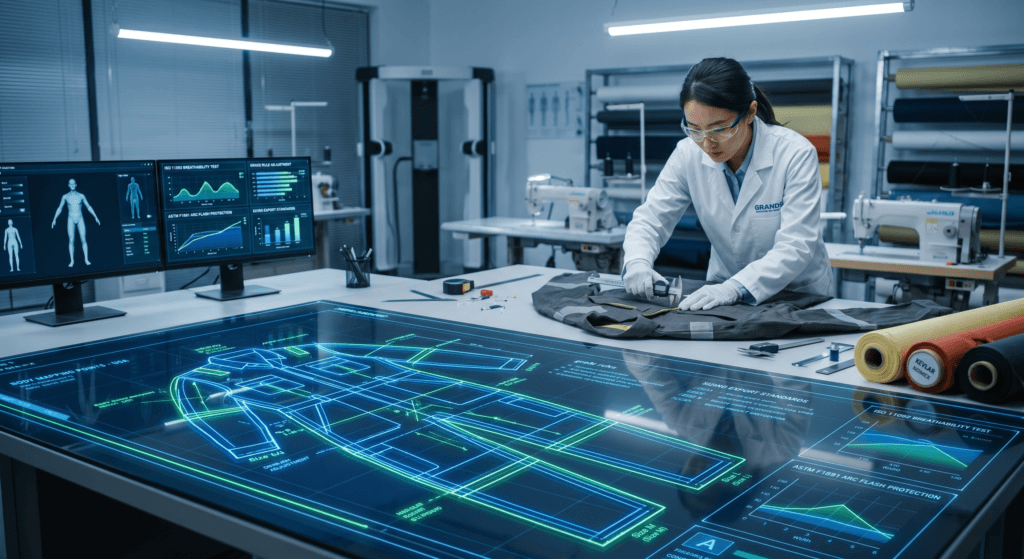 Pattern Grading for Global Bodies: The Engineering of Anthropometric Fit in Industrial Workwear2026年4月29日In the highly regulated landscape of industrial Personal […]
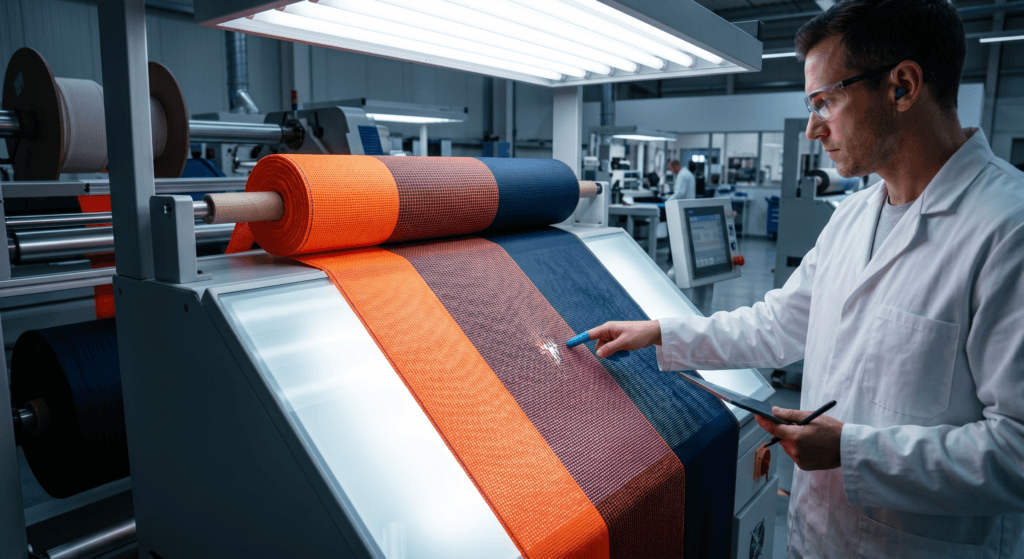 The “Light Box” Inspection: Deconstructing Fabric Defect Diagnostics and the 4-Point Quality System2026年4月28日The structural integrity and visual uniformity of […]
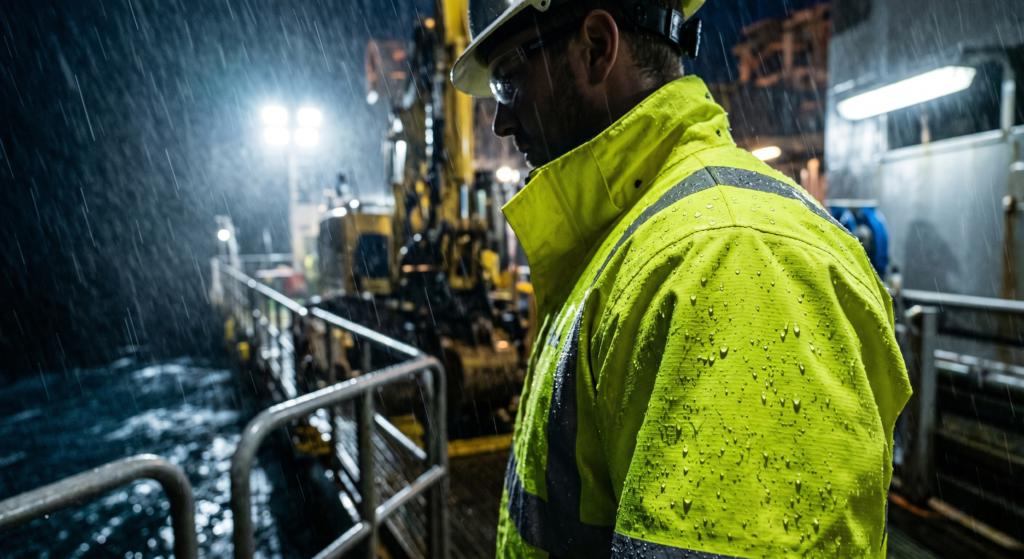 The Engineering of Waterproof Breathable Workwear: A Forensic Analysis of PU Coatings vs. PTFE Membranes2026年4月24日The selection of waterproof foul-weather gear in industrial […]
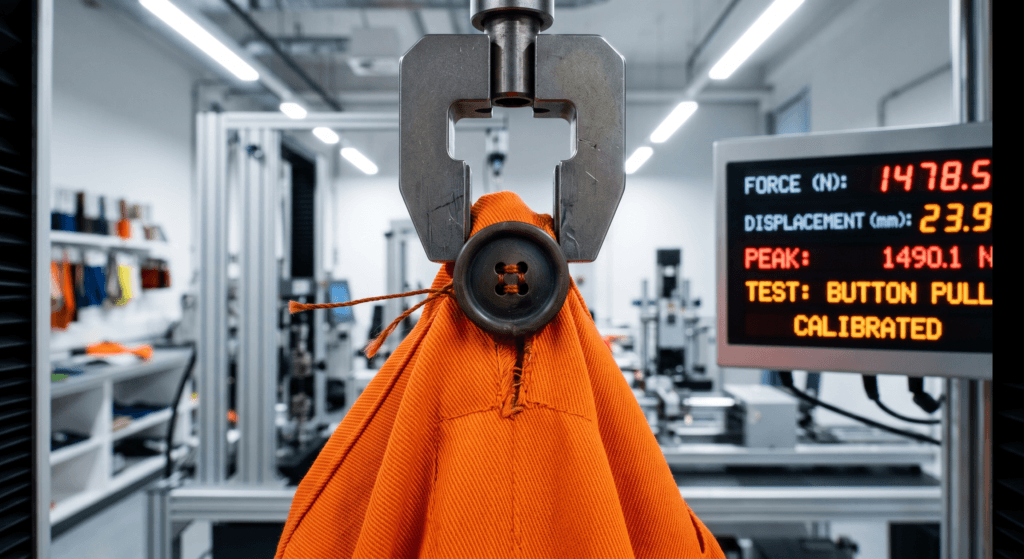 The “Button Pull” Test Protocol: Engineering Fastener Security to Mitigate Industrial Machinery and Choking Hazards2026年4月22日The “Button Pull” Test Protocol: Engineering […]
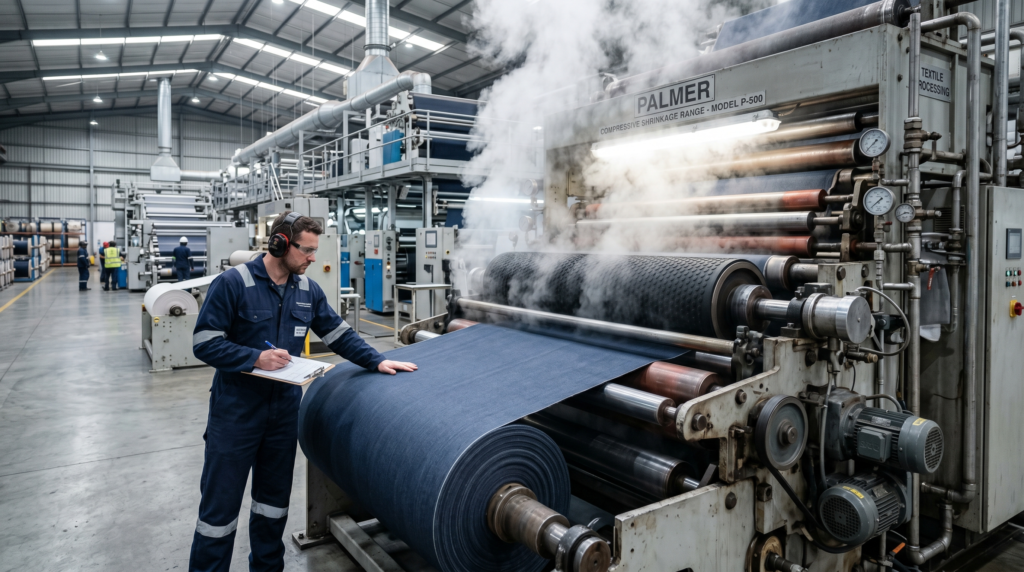 Fabric Shrinkage in Industrial Workwear: The Sanforization Secret and the Physics of Dimensional Stability2026年4月18日Executive Summary In the global industrial workwear and […]