
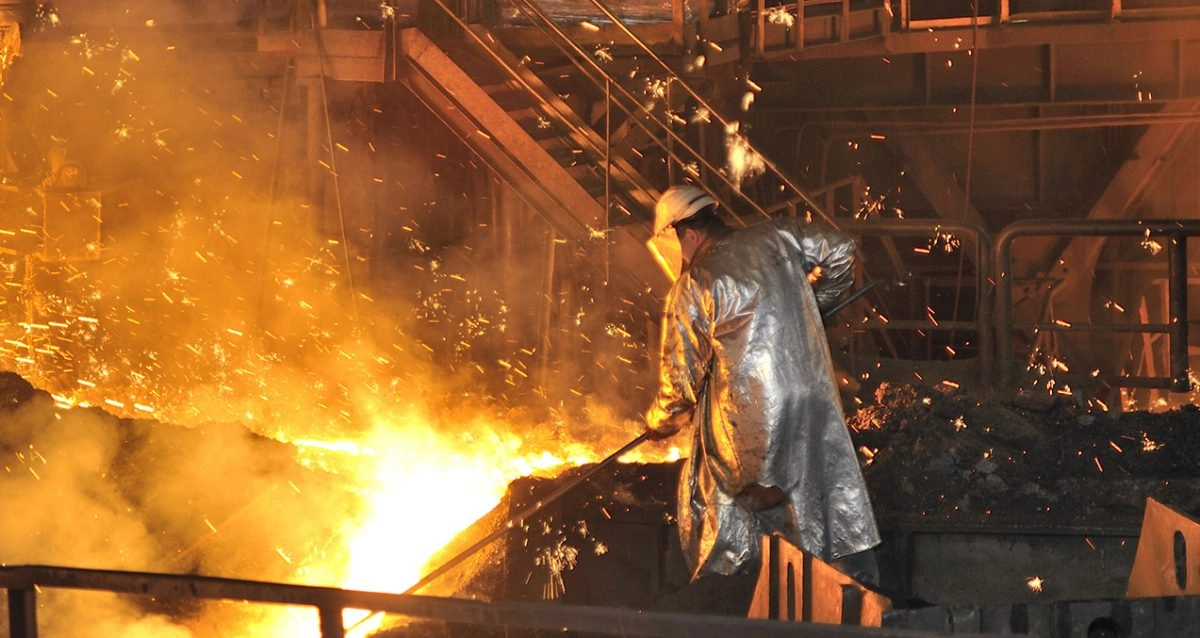
In high-heat environments, protection isn’t just about a jacket—it’s about the whole system.
From the molten splash of a foundry to the radiant heat of a glass furnace, workers need more than a single garment.
They need a fully integrated aluminized PPE system—layered, compatible, and matched to the job.
Let’s explore how to design a PPE setup that gives your team full-body heat protection without sacrificing movement or comfort.
Why Layering and System Design Matters
Radiant heat doesn’t come from one angle. Neither do sparks, splashes, or flame bursts.
That’s why aluminized PPE should be modular and layered, covering:
- Head
- Torso
- Arms and legs
- Feet and ankles
✅ Each piece should work together, not interfere with movement or with other PPE like gloves, helmets, or respirators.
Core Components of an Aluminized PPE System
| PPE Item | Purpose |
|---|---|
| Jacket / Coat | Protects torso, arms, upper body from radiant heat and splash |
| Pants / Bibs | Shields legs, knees, and groin from high-temperature exposure |
| Coveralls | Full-body suit for maximum protection in severe zones |
| Aprons | Flexible coverage for front-facing tasks (e.g., pouring) |
| Hoods / Helmets | Defends head, neck, face—often with integrated face shield |
| Boot Covers | Prevents molten metal or sparks from entering footwear |
| Spats / Gaiters | Additional foot and ankle guards, often layered over boots |
| Sleeves / Gauntlets | Forearm and wrist protection when jackets aren’t enough |
🔥 In many cases, not all parts are needed all the time—but knowing when and how to combine them is key.
Scenario-Based PPE Layering Examples
1. Glass Plant Furnace Operator (Mid-Exposure)
- Aluminized jacket
- Lightweight aramid trousers
- Face shield with helmet
- Cotton base layer
✅ Allows movement, moderate splash resistance
2. Foundry Ladle Worker (Heavy Exposure)
- Aluminized coverall (ASTM F955 compliant)
- Aluminized hood with gold-coated face shield
- Boot covers + spats
- Flame-resistant undergarment (long-sleeve base)
✅ Maximum protection from splash, flame, and radiant heat
3. Metal Fabricator (Short-Duration, Localized Heat)
- Aluminized apron
- Sleeves or gauntlets
- Regular FR shirt + pants underneath
- Helmet with face shield
✅ Lightweight but targeted coverage
Designing for Movement and Ergonomics
Too much protection = overheating or restricted motion.
Too little = risk of injury.
✅ Focus on task-specific protection:
- Pouring → apron + sleeves
- Furnace tending → full coverall
- Welding → jacket + bibs
- Emergency team → hooded suit
Tips:
- Choose vented jackets if airflow is possible
- Use split-back aprons for seated or crouching work
- Always test with respirators and helmets for compatibility
How to Combine with Other PPE
Aluminized PPE often coexists with:
- FR gloves: Ensure wrist coverage overlaps sleeves
- SCBA / respirators: Choose hoods with adequate neck sealing
- Hard hats: Verify hood compatibility with helmet slots
- Hearing protection: Face shields shouldn’t block ear muffs
✅ Request garments with modular adjustments (Velcro, snaps, elastic gaiters) to accommodate multiple equipment layers.
Smart Layering Strategy
| Layer | Purpose | Example Garments |
|---|---|---|
| Base Layer | Moisture-wicking, flame-resistant comfort | FR cotton or aramid long-sleeves |
| Mid Layer | Optional insulation (for longer exposure) | Quilted liner, Kevlar blend |
| Outer Layer | Reflective + splash-resistant shell | Aluminized jacket, apron, coverall |
| Add-ons | Targeted coverage based on task | Hoods, boot covers, sleeves, spats |
✅ Always ensure outermost layer meets heat/splash certification (e.g., ASTM F955, EN ISO 11612)
What to Ask Before Designing Your PPE System
- Which body zones face the highest risk?
- Will workers be moving, lifting, crouching, or seated?
- Do we need quick donning/doffing for emergency tasks?
- Are we combining with face/respiratory/head gear?
- Do we need FR base layers included in the supply?
- How long will workers wear the gear per shift? (cooling and fatigue matter)
At workwearsolutions, we help companies build systems, not just sell jackets.
Conclusion
In high-heat environments, protection means coverage + compatibility.
An effective aluminized PPE setup is built with:
- The right combinations
- For the right tasks
- With the right balance of movement, safety, and standards
Need help designing a modular aluminized PPE program for your crew or operation? I’ll help you layer smart, stay compliant, and keep your workers protected from top to toe.
📩 Contact: [email protected]
🌐 Visit: www.workwearsolutions.net

 Architecting Resilience: Single Sourcing vs. Dual Sourcing Strategies in Global PPE Procurement2026年4月30日Executive Summary In the complex landscape of industrial […]
 Pattern Grading for Global Bodies: The Engineering of Anthropometric Fit in Industrial Workwear2026年4月29日In the highly regulated landscape of industrial Personal […]
 The “Light Box” Inspection: Deconstructing Fabric Defect Diagnostics and the 4-Point Quality System2026年4月28日The structural integrity and visual uniformity of […]
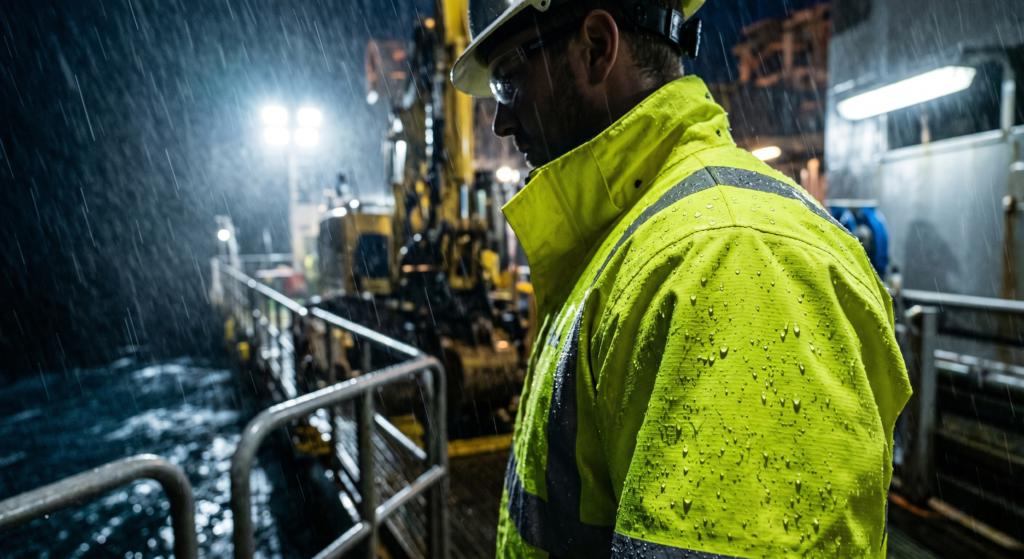 The Engineering of Waterproof Breathable Workwear: A Forensic Analysis of PU Coatings vs. PTFE Membranes2026年4月24日The selection of waterproof foul-weather gear in industrial […]
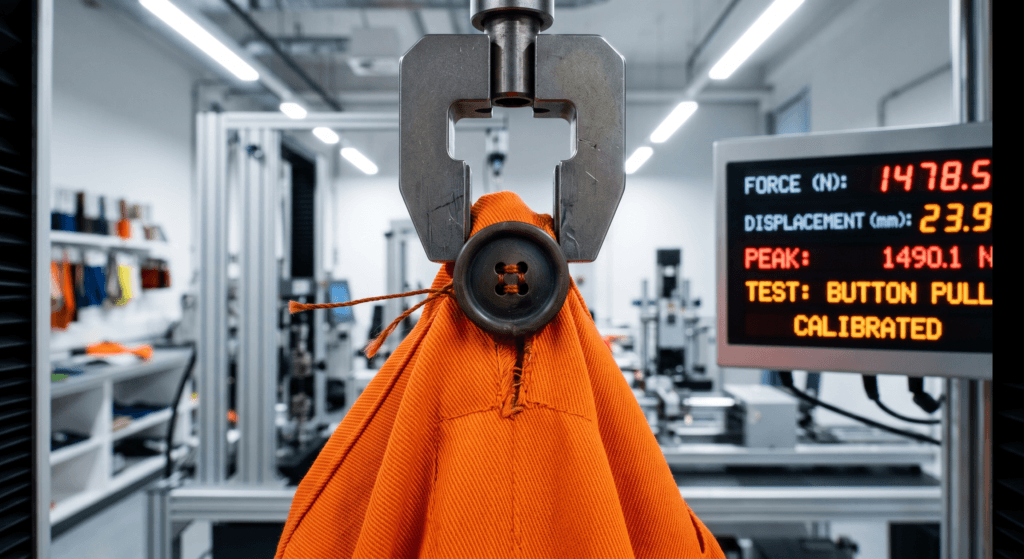 The “Button Pull” Test Protocol: Engineering Fastener Security to Mitigate Industrial Machinery and Choking Hazards2026年4月22日The “Button Pull” Test Protocol: Engineering […]
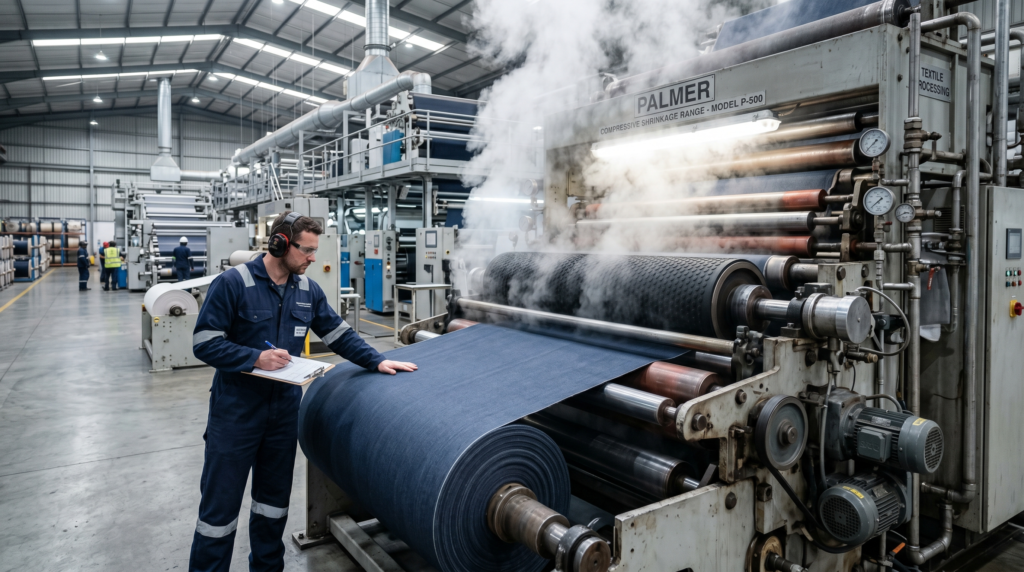 Fabric Shrinkage in Industrial Workwear: The Sanforization Secret and the Physics of Dimensional Stability2026年4月18日Executive Summary In the global industrial workwear and […]