
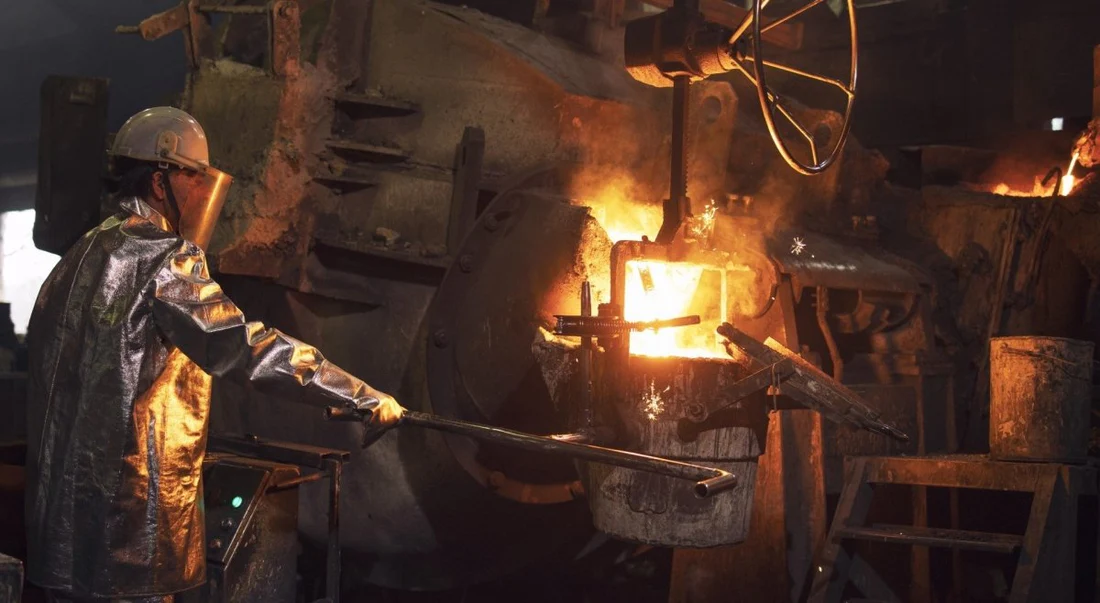
In environments where radiant heat, molten metal, and open flames are part of the job, regular workwear won’t cut it.
That’s where aluminized clothing comes in—specialized PPE designed to reflect extreme heat and protect workers from serious burn risks.
Whether you’re sourcing for a foundry or a glass plant, here’s what you need to know to choose the right aluminized gear.
What Is Aluminized Clothing?
Aluminized clothing is a type of high-temperature protective garment made with fabric that has a thin layer of aluminum coating on the surface.
Its purpose? To reflect radiant heat, deflect sparks and molten splash, and provide a thermal barrier between the worker and extreme temperature environments.
Typical base fabrics include:
- Aramid blends (like Nomex® or Kevlar®) for flame resistance
- Fiberglass or carbon fiber for heat insulation
- Modacrylics for flexibility in lower-temp applications
✅ The aluminum layer gives the garment a shiny, mirror-like look—and that’s not just for show. It’s engineered to bounce back heat.
How Aluminized Gear Works
The outer aluminum layer reflects up to 90% of radiant heat, meaning:
- Less heat is absorbed by the garment
- Lower internal temperature buildup
- Reduced risk of heat stress or thermal burns
- Enhanced protection against molten splash, slag, or flame bursts
It doesn’t absorb heat like standard FR clothing—it pushes it away.
🔥 Picture standing in front of a furnace at 1000°C. That reflective outer shell? It can make the difference between safe distance and severe burn.
Industries That Require Aluminized Clothing
Aluminized PPE is typically required anywhere radiant heat or molten materials are present.
Common use cases include:
| Industry | Use Case Example |
|---|---|
| Foundries & Smelters | Pouring molten iron, aluminum, or brass |
| Steel Mills | Rolling, tapping, ladling processes |
| Glass Manufacturing | Float glass lines, furnace tending |
| Welding & Cutting | Plasma or oxy-fuel cutting, arc gouging |
| Firefighting (ARFF) | Aircraft rescue or wildland suppression |
| Petrochemical Plants | Furnace inspections or hot maintenance work |
✅ In these settings, radiant heat can be just as dangerous as open flames.
Types of Aluminized Protective Garments
To protect different parts of the body, aluminized PPE is often worn as a system, including:
| Garment Type | Purpose |
|---|---|
| Jackets & Pants | Core thermal and splash protection |
| Coveralls | Full-body coverage for extreme exposure |
| Aprons | Quick barrier for chest and upper legs |
| Hoods / Helmets | Head and neck protection with face shield |
| Boot Covers | Over-the-shoe guards against hot splash |
| Sleeves / Spats | Added protection for wrists and ankles |
✅ Some garments include layered insulation, breathable linings, or moisture barriers depending on application.
Key Standards and Certifications
When selecting aluminized PPE, look for certifications like:
🇺🇸 ASTM F955
Resistance to molten metal splash
Tested against aluminum, iron, copper splashes at high temps
🇺🇸 NFPA 2112
Flame-resistant garments for flash fire exposure
Often used in oil & gas or dual-hazard work zones
🇪🇺 EN ISO 11612
European standard for heat & flame PPE
Includes A1/A2 (flame spread), B/C (convective/radiant heat), D/E (molten aluminum/iron)
✅ Always ask for test reports or label certifications—don’t assume “shiny” means “certified.”
Selecting the Right Aluminized Clothing for the Job
Ask these questions before purchasing:
- What heat sources are present? (radiant, convective, molten?)
- What type of metal is handled? (aluminum, iron, steel?)
- Full-body or partial coverage needed?
- Will it be used with other PPE? (e.g. face shields, respirators?)
- Is flexibility or weight a concern?
| Factor | Consideration |
|---|---|
| Exposure Time | Longer = more insulation layers needed |
| Metal Type | Aluminum splash needs D-class protection |
| Mobility Needs | Aprons/sleeves for short tasks; coveralls for extended wear |
| Compatibility | Check helmet, glove, respirator fit |
| Certification | Must be labeled with standard compliance |
✅ Let function lead design—not the other way around.
Care, Inspection, and Replacement Guidelines
Aluminized gear isn’t cheap—and shouldn’t be treated like disposable wear.
Care Tips:
- Hand wash or machine wash per manufacturer instructions
- Never use bleach, fabric softeners, or abrasive scrubbers
- Air dry if possible (high heat damages coating)
Inspection Checklist:
- Reflective surface still intact? No peeling or flaking?
- Fabric integrity sound? No tears, burns, or thinning?
- Closures, cuffs, or Velcro still functioning?
- Label still legible for certification?
Replacement Triggers:
- Coating turns dull or blackened
- Heat resistance noticeably reduced
- Garment has exceeded recommended use or wash cycles
- Visible splash damage or burns
🧯 Your aluminized gear is your front line. Don’t wait for it to fail before replacing it.
Conclusion
Aluminized clothing is essential for protecting workers in extreme heat zones. But it’s only effective when it’s:
- Properly selected
- Correctly worn
- Regularly inspected
- And sourced from a compliant supplier
Need help finding the right aluminized garments for your foundry, steel plant, or high-heat operation? I’ll help you match standards, heat levels, and job roles—so your team can stay safe under serious heat.
📩 Contact: [email protected]
🌐 Visit: www.workwearsolutions.net

 Architecting Resilience: Single Sourcing vs. Dual Sourcing Strategies in Global PPE Procurement2026年4月30日Executive Summary In the complex landscape of industrial […]
 Pattern Grading for Global Bodies: The Engineering of Anthropometric Fit in Industrial Workwear2026年4月29日In the highly regulated landscape of industrial Personal […]
 The “Light Box” Inspection: Deconstructing Fabric Defect Diagnostics and the 4-Point Quality System2026年4月28日The structural integrity and visual uniformity of […]
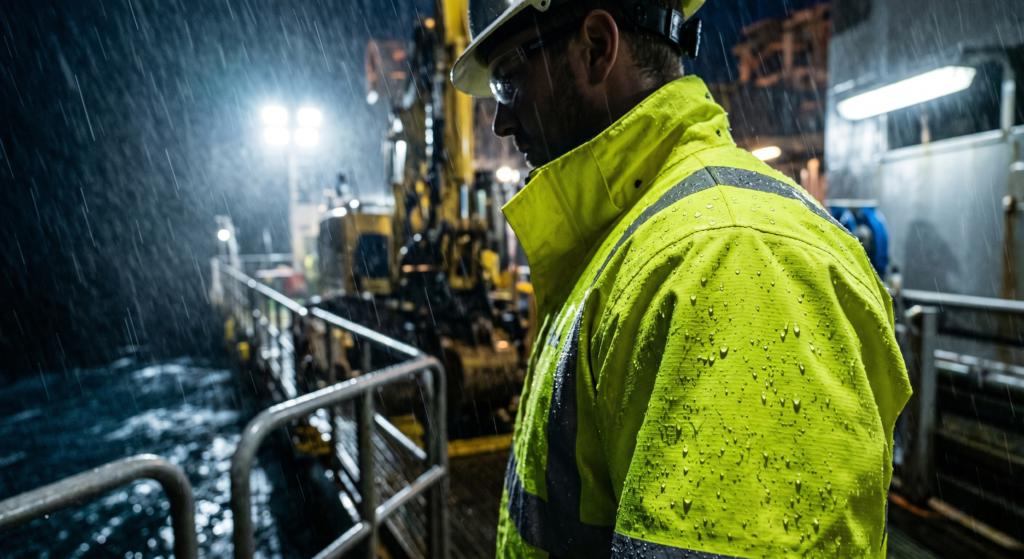 The Engineering of Waterproof Breathable Workwear: A Forensic Analysis of PU Coatings vs. PTFE Membranes2026年4月24日The selection of waterproof foul-weather gear in industrial […]
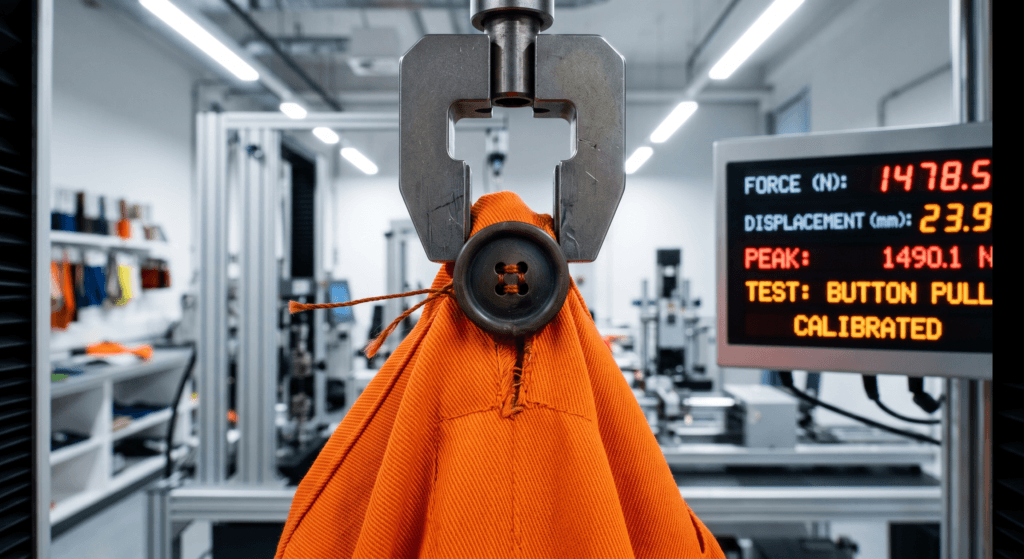 The “Button Pull” Test Protocol: Engineering Fastener Security to Mitigate Industrial Machinery and Choking Hazards2026年4月22日The “Button Pull” Test Protocol: Engineering […]
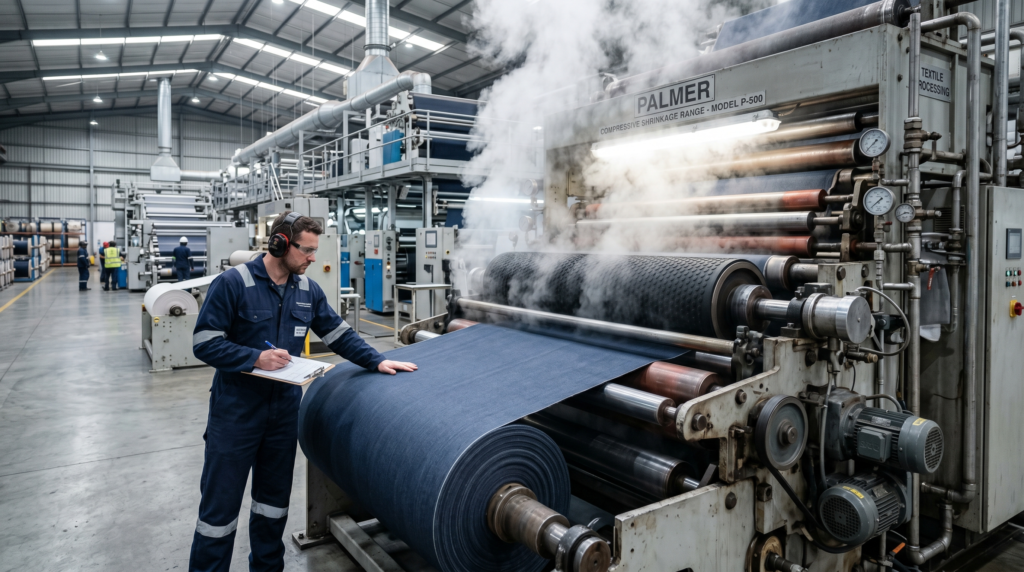 Fabric Shrinkage in Industrial Workwear: The Sanforization Secret and the Physics of Dimensional Stability2026年4月18日Executive Summary In the global industrial workwear and […]