
Military Outerwear: Field Jackets, Parkas, and Rain Gear for All Climates
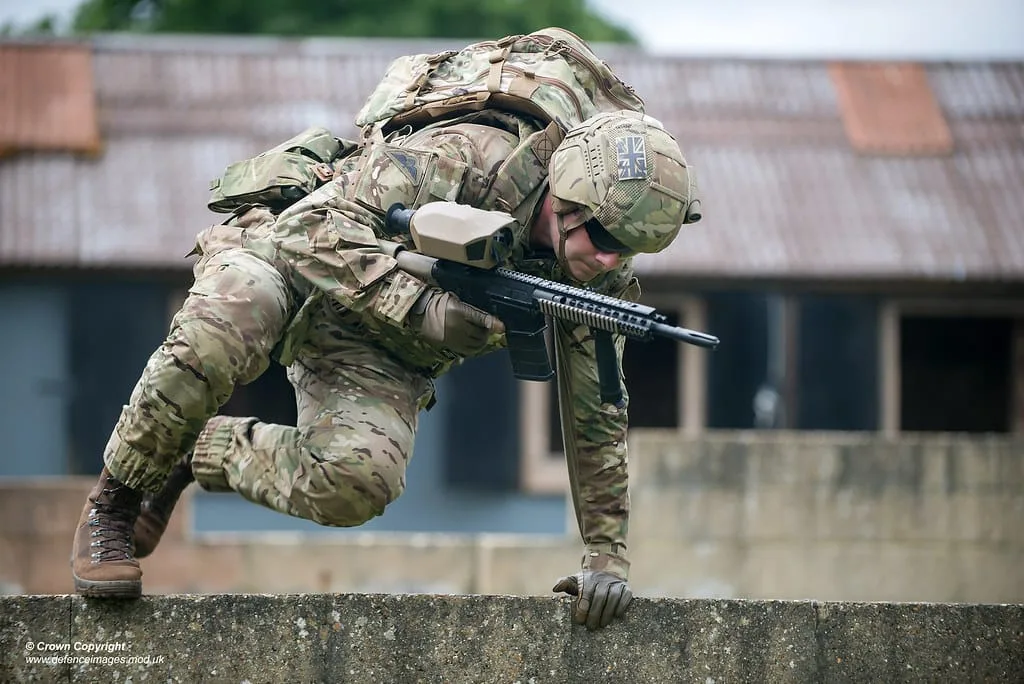
When the mission takes your team from desert to mountain, jungle to frozen tundra, your outerwear becomes your first line of defense—against weather, fatigue, and exposure injuries.
Military outerwear isn’t just about warmth or rain resistance. It’s a precision layer of performance engineering, combining durability, concealment, climate control, and gear compatibility—all without restricting movement.
Whether sourcing gear for a combat unit, peacekeeping force, or tactical response team, here’s what to know about military jackets, parkas, and rainwear.
Purpose of Military Outerwear: More Than Just a Jacket
Military outerwear is built to:
- Shield against wind, rain, snow, and cold
- Provide concealment without bulk
- Integrate with tactical gear (vests, helmets, radios)
- Support multi-layer wear systems
- Offer mobility in low-visibility or wet conditions
In real-world deployments, weather is the second enemy—and gear that fails here puts lives at risk.
Types of Military Outerwear and Their Use Cases
| Outerwear Type | Primary Function | Typical Climate / Role |
|---|---|---|
| Field Jacket | All-weather shell, basic insulation | Temperate, general forces |
| Combat Smock | Breathable, multi-pocket, mission-ready | UK/EU forces, modular operations |
| Cold Weather Parka | Full insulation, windproof, extended cut | Arctic, mountain zones |
| Rain Jacket (Hardshell) | Waterproof, lightweight, packable | Jungle, monsoon, temperate wet |
| Softshell Jacket | Wind-resistant, breathable, mid-layer use | High-mobility tactical teams |
| Poncho / Rain Cape | Minimal coverage + gear protection | Rapid response, transport duty |
✅ A complete outerwear system often includes modular layering—softshell mid-layers under hard-shells or parkas.
Essential Features in Combat Outerwear
Look for:
- Waterproof + Breathable Membrane (e.g. ePTFE, PU-coated fabrics)
- Taped Seams to prevent water intrusion
- High Collar + Chin Guard for wind protection
- Helmet-Compatible Hoods with adjustable drawcords
- Pit Zips or Mesh Vents for sweat control during patrols
- Multiple Pockets (inner + external) with glove-friendly zippers
- Hook & Loop Panels for insignia, unit tags, or name tape
- Drawcord Hem & Waist Adjustments for sealing against cold
A good jacket disappears—you don’t fight it, it fights for you.
Tactical Fabric Choices for All Climates
| Fabric Type | Benefits | Common Use |
|---|---|---|
| Nylon Ripstop | Lightweight, abrasion-resistant, dries quickly | Field jackets, softshells |
| 3-Layer Laminates | Waterproof, breathable, durable | Rain gear, mountain parkas |
| Gore-Tex®/eVent® Membranes | Premium moisture control + waterproofing | High-end military rain jackets |
| FR Softshell Blends | Flame resistant, windproof, low-bulk warmth | Special operations outerwear |
| Polyester Twills | Insulative, colorfast, budget-friendly | Basic cold weather gear |
✅ For high humidity zones (jungle, coastal), prioritize quick-dry and anti-fungal coatings.
✅ For arctic/altitude zones, choose insulated, wind-rated fabrics with low temperature tolerance.
Camouflage & NIR Compliance in Outerwear
Outerwear must not undo the concealment of base layers.
Make sure:
- Camo patterns match base uniform or work with overprint
- Materials are NIR-compliant (near-infrared) to avoid night vision detection
- Stitching, trim, and hardware don’t reflect light or glow
- Zippers and closures are matte-finished, low profile
Even a black zipper on a green camo jacket can give away a sniper’s position.
Modularity and Gear Compatibility
Modern military outerwear must work with, not against, the rest of your loadout.
- Chest pockets should sit above the vest line
- Long back hems prevent riding up during crouch or prone
- Raglan sleeves support backpack/harness comfort
- Zippers or tabs at cuff/ankle help integrate gloves or gaiters
- Radio routing loops and cord access points support communications gear
✅ Good outerwear is like armor—it protects without getting in the way.
Real-World Feedback: What Soldiers Want in a Jacket
From soldiers in Afghanistan to jungle patrols in SE Asia, here’s what operators consistently demand:
- “Don’t make me overheat before I even see the enemy.” → Ventilation
- “I need to reach my mag pouch with gloves on.” → Pocket design
- “Let me layer it how I want, not how the spec sheet says.” → Modularity
- “I want the hood to fit my helmet—and not block my vision.” → Design balance
- “Rainproof doesn’t mean plastic bag. I still need to move.” → Breathability
✅ Outerwear that performs in the real world earns trust—and repeat orders.
What to Ask When Sourcing Military Outerwear
Before you place that order, make sure to clarify:
- ✅ Is the jacket waterproof or just water-resistant?
- ✅ Does it meet MIL-SPEC or NATO STANAG performance levels?
- ✅ Is the camouflage NIR-compliant?
- ✅ Are zippers and stitching field-replaceable?
- ✅ What’s the weight per square meter (GSM) of the fabric?
- ✅ Is the cut designed to fit over armor or under vests?
- ✅ Does the vendor provide custom sizing, unit embroidery, or color variations?
At workwearsolutions, we work with clients across Europe, the Middle East, and Africa to tailor outerwear systems to real-world deployment needs.
Conclusion
Military outerwear isn’t a one-jacket-fits-all solution. It’s a precision layer built for function, mission, and survival in the world’s harshest climates.
When choosing outerwear for your force or project:
- Match garments to climate and mobility needs
- Confirm performance specs and NIR compliance
- Test for layering compatibility and long-wear comfort
- Partner with a supplier who understands real tactical requirements
Need help selecting field-ready jackets, rain gear, or cold-weather systems for your team or tender? I’m happy to help match gear to terrain, task, and timeline.
📩 Contact: [email protected]
🌐 Visit: www.workwearsolutions.net