
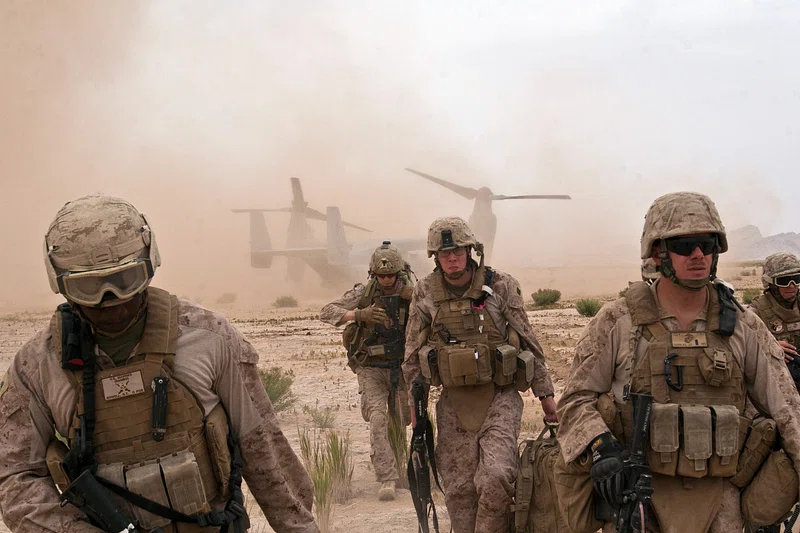
Not all uniforms are created equal—and when it comes to the battlefield, a combat uniform isn’t just clothing—it’s gear.
Designed for mobility, concealment, and protection under extreme conditions, modern combat uniforms are technical tools in their own right. Every stitch, fabric choice, and pocket placement serves a purpose—from withstanding rough terrain to carrying essential tools without slowing the wearer down.
Here’s what makes combat uniforms so essential—and what to look for when sourcing them.
What Are Combat Uniforms Designed to Do?
A good combat uniform supports a soldier’s performance across mission-critical scenarios, including:
- Camouflage and concealment
- Mobility across difficult terrain
- Weather resistance (wind, rain, heat, cold)
- Fire resistance and durability under high heat
- Protection from abrasions, bites, and burns
- Load carriage via integrated or modular pouches
It’s not just about looking tactical. It’s about surviving and completing the mission.
Key Components of a Combat Uniform
A standard combat uniform is usually made up of:
| Component | Tactical Purpose |
|---|---|
| Combat Shirt | Lightweight torso + reinforced sleeves; worn under plate carrier or body armor |
| Tactical Pants | Reinforced knees, cargo pockets, moisture management, adjustable fit |
| Field Jacket | Protection from wind/rain, additional insulation, often camo-matched |
| Base Layer | Wicks sweat and reduces thermal stress; often FR-rated |
| Elbow/Knee Pads | Built-in or insertable pads for crawling, climbing, and shooting positions |
✅ Modern systems like the U.S. Army’s OCP IHWCU, British MTP, or German Flecktarn kits are examples of integrated combat clothing systems built for layering and modularity.
Common Combat Fabrics and What They Offer
Fabric choice determines whether a uniform is just rugged—or truly field-ready.
Typical fabrics used in military uniforms:
| Fabric Type | Features | Notes |
|---|---|---|
| Ripstop Cotton/Nylon | Lightweight, tear-resistant, breathable | Good balance of comfort + durability |
| Polyester/Cotton Blends | Moisture-wicking, quick drying | Economical and colorfast |
| FR Modacrylic Blends | Flame-resistant, non-melting | Required in flash fire/IED zones |
| Stretch Woven Fabrics | Enhanced movement, tear-resistant | Used in high-mobility zones |
⚠️ Always confirm that the fabric passes required military specs like NIR compliance, color fastness, or infrared suppression, depending on the region.
Tactical Design Elements That Make a Difference
It’s not just the fabric—it’s how it’s put together.
Look for these features in quality combat uniforms:
- Articulated knees/elbows for full range of motion
- Velcro-adjustable cuffs and hems for rapid fit changes
- Angled cargo pockets that are easy to access in prone position
- Shoulder pockets with loop panels for unit insignia or ID
- Zippered vents or mesh panels for breathability during long wear
- YKK® or military-grade zippers for durability in dirt and mud
- Covert reinforcements in elbows, crotch, and seat areas
✅ Design isn’t about style—it’s about whether the uniform will rip, sag, or fail under pressure.
Camouflage Integration: Cut + Color Must Work Together
It’s not just about what camo you print—it’s how the garment shape supports concealment.
- Sleeve, pant, and torso segmentation aligns camo patterns to natural body breaks
- Longer rear hems and shoulder coverage reduce exposure when crawling or crouching
- Camo-consistent thread and stitching prevent reflective shine
- NIR-compliant dye ensures pattern isn’t visible to night vision devices
The wrong cut can undo the benefits of the best camouflage.
Field-Tested User Feedback: What Soldiers Really Want
We’ve worked with teams in Africa, Middle East, Southeast Asia, and South America—and here’s what they consistently ask for:
- Breathability: “I sweat enough without being wrapped in plastic.”
- Mobility: “Need to move, run, climb without binding at the knees or shoulders.”
- Durability: “We wear it every day in heat, mud, sand—it needs to survive.”
- Quick Dry: “Sometimes you wash in a bucket, then go out 20 minutes later.”
- Functional pockets: “Don’t give me pockets I can’t use while lying down.”
- Non-restrictive fit: “Slim, not skinny. Tactical, not tight.”
✅ The best designs are those built from field experience, not just factory specs.
What to Look for When Sourcing Combat Uniforms
If you’re a buyer, here’s a checklist to guide your selection:
- ✅ Meets relevant military standards (e.g. MIL-SPEC, NIR compliance, FR rating)
- ✅ Has reinforced wear zones and movement zones
- ✅ Fabric is tested for tear, abrasion, and shrinkage
- ✅ Color and pattern match terrain deployment areas
- ✅ Available in male and female fits, with extended sizing
- ✅ Compatible with body armor, gear belts, and load vests
- ✅ Production partner can offer batch customization (patches, embroidery, etc.)
At workwearsolutions, we’ve helped units across multiple countries customize uniforms to specific operational needs—not just catalog models.
Conclusion
Combat uniforms aren’t about fashion—they’re about function, survival, and team performance in the harshest environments on earth.
If you’re outfitting a force, a tactical unit, or even a private security company, don’t settle for generic. Choose combat uniforms that are designed, tested, and proven in the field.
Need help sourcing high-performance tactical apparel with FR, NIR, and field customization options? I can walk you through materials, sizing, and functional design specs anytime.
📩 Contact: [email protected]
🌐 Visit: www.workwearsolutions.net

 Architecting Resilience: Single Sourcing vs. Dual Sourcing Strategies in Global PPE Procurement2026年4月30日Executive Summary In the complex landscape of industrial […]
 Pattern Grading for Global Bodies: The Engineering of Anthropometric Fit in Industrial Workwear2026年4月29日In the highly regulated landscape of industrial Personal […]
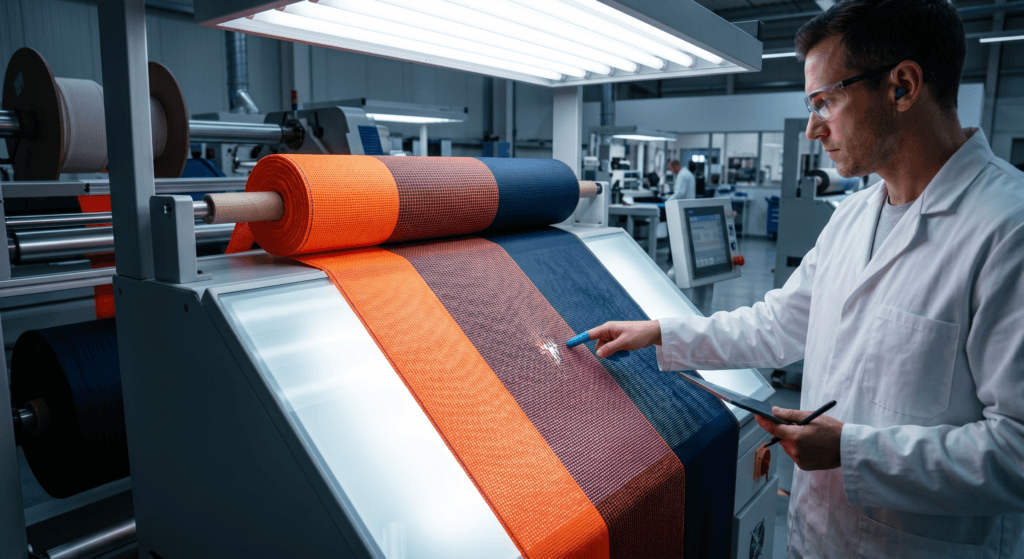 The “Light Box” Inspection: Deconstructing Fabric Defect Diagnostics and the 4-Point Quality System2026年4月28日The structural integrity and visual uniformity of […]
 The Engineering of Waterproof Breathable Workwear: A Forensic Analysis of PU Coatings vs. PTFE Membranes2026年4月24日The selection of waterproof foul-weather gear in industrial […]
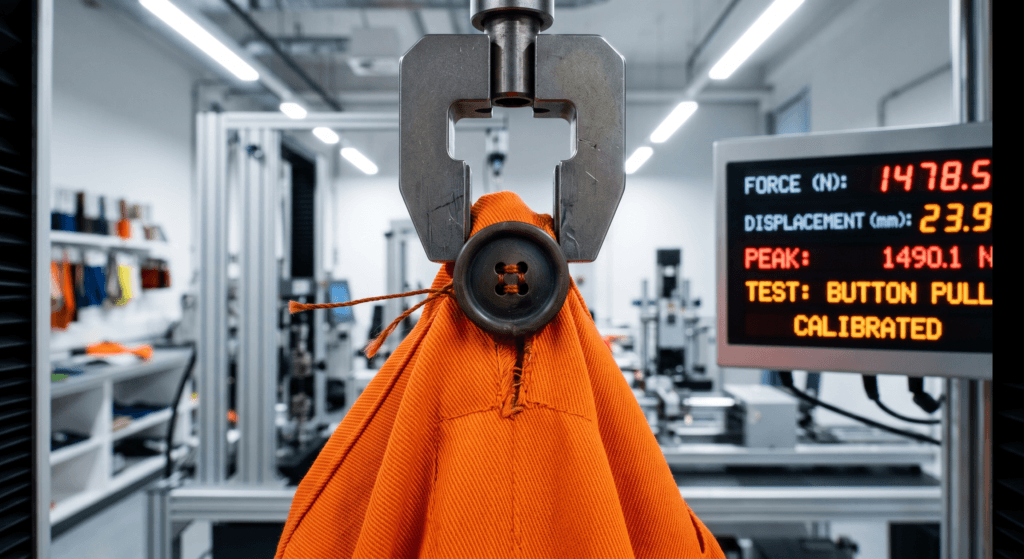 The “Button Pull” Test Protocol: Engineering Fastener Security to Mitigate Industrial Machinery and Choking Hazards2026年4月22日The “Button Pull” Test Protocol: Engineering […]
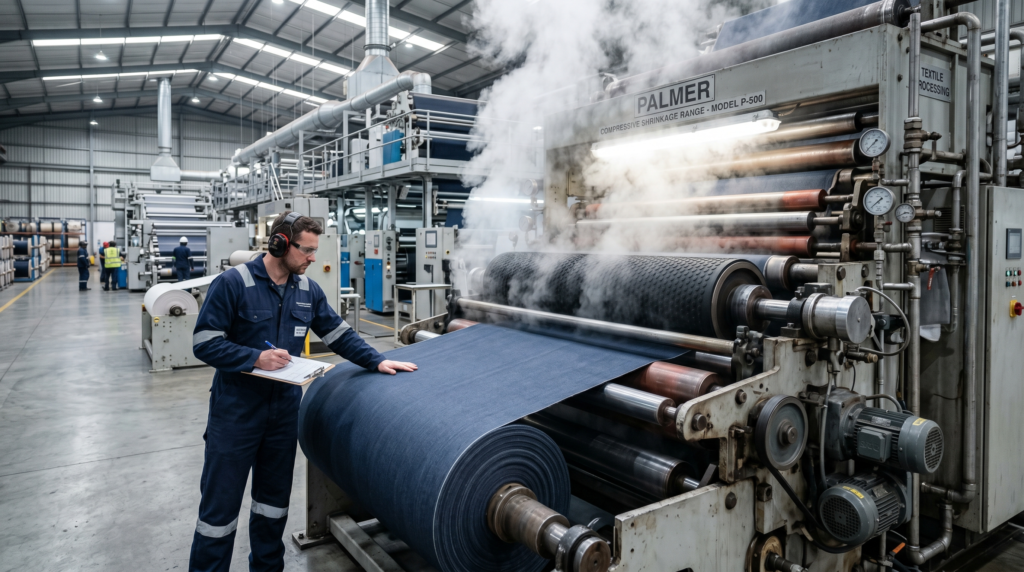 Fabric Shrinkage in Industrial Workwear: The Sanforization Secret and the Physics of Dimensional Stability2026年4月18日Executive Summary In the global industrial workwear and […]