

Arc flash injuries are often associated with burns and electrical shock—but what many people overlook is the intense sound generated during an arc event. In a fraction of a second, a blast can exceed 140 decibels (dB)—louder than a shotgun or a jet engine at takeoff.
That’s loud enough to rupture eardrums, cause permanent hearing loss, and disorient the worker. In some cases, it’s the sound—not the heat—that causes the first injury.
If you’re building a complete arc flash PPE program, don’t skip this crucial component: Hearing Protection Equipment (HPE).
Why Arc Flashes Can Cause Hearing Damage (Decibels Explained)
Arc flashes are not silent. When the arc strikes, it creates a powerful shockwave that produces intense noise—often in excess of 140 to 160 dB. By comparison:
| Sound Source | Approximate dB Level |
|---|---|
| Normal conversation | 60 dB |
| Power tools (saws, drills) | 90–100 dB |
| Jet engine at 30 meters | 130 dB |
| Arc flash explosion | 140–165 dB |
| Pain threshold | 120 dB |
According to OSHA, exposure to any sound above 120 dB can cause immediate damage. Arc flash noise can cause:
- Instant permanent hearing loss
- Tinnitus (ringing in the ears)
- Disorientation, reducing ability to react or escape
- Startle response, potentially leading to falls or dropped tools
Even if a worker survives the arc, hearing loss can be a life-changing consequence.
Types of Hearing Protection: Earplugs vs. Earmuffs
The good news is, hearing protection is affordable, lightweight, and easy to implement—but you must select the right type based on your work environment and PPE system.
🔹 Earplugs
- Inserted into the ear canal
- Lightweight and easy to carry
- Can be disposable (foam) or reusable (silicone)
- May be difficult to use with gloves
🔹 Earmuffs
- Worn over the ears
- Provide more consistent fit and higher attenuation
- Easy to use with other PPE
- Heavier, may cause discomfort over long shifts
🔹 Dual Protection
In high-noise arc environments, dual protection is recommended:
Earplugs + Earmuffs = Additive Noise Reduction (NRR)
✅ Always verify the compatibility of hearing protection with arc flash hoods, hard hats, and face shields.
How to Select Arc-Safe Hearing Protection
Not all hearing protection is suitable for arc flash environments. PPE must provide noise protection without introducing arc ignition risks.
What to look for:
- Dielectric earmuffs (no exposed metal parts)
- Non-conductive headbands
- Certified ANSI S3.19 or EN 352 rated products
- High NRR (Noise Reduction Rating)—typically 25–33 dB
- Compatibility with arc flash hoods and helmets
⚠️ Avoid earmuffs with metal bands or components—they can conduct electricity during an arc.
✅ Tip: Many top-tier arc flash hoods now include built-in hearing protection or earmuff mount points.
Noise Reduction Ratings (NRR) and How to Interpret Them
NRR (Noise Reduction Rating) is the key spec for hearing protection. It’s measured in decibels (dB) and reflects how much sound the device can block under ideal conditions.
| Protection Type | Typical NRR Range | Notes |
|---|---|---|
| Foam Earplugs | 29–33 dB | Highest rating, but fit-dependent |
| Silicone Earplugs | 20–28 dB | Durable, reusable |
| Earmuffs | 23–30 dB | Easy to apply, reusable |
| Dual Protection | Up to 36–40 dB* | *Add 5 dB to highest-rated method |
To estimate actual protection:
(NRR – 7) ÷ 2 = estimated dB reduction in real use
Example:
A 30 dB earplug ≈ 11.5 dB of real-world protection.
✅ Combine NRR with user comfort—a high-rated device that no one wears won’t help anyone.
Compatibility with Hoods and Arc Flash PPE Systems
Hearing protection must integrate smoothly with the rest of your arc flash PPE to provide complete coverage without interference.
Key points to consider:
- Can earmuffs fit under or over the arc flash hood?
- Are earplugs easy to insert while wearing gloves?
- Is hearing protection ventilated enough to prevent overheating inside a full hood?
- Does the system maintain seal integrity around ears and jawline?
If your team wears full arc flash hoods (CAT 3–4), it’s important to test hearing protection for real-world usability—not just rating on paper.
Usage Guidelines in High-Noise + High-Voltage Settings
Even in non-arc environments, electrical workplaces are often loud: generators, transformers, air compressors, grinders—all add up.
Best practices for hearing protection:
- Require HPE in any area over 85 dB
- Provide training on insertion and fit
- Inspect reusable earplugs or muffs before every use
- Store clean and dry in a sealed case
- Replace foam plugs daily; earmuffs as needed when cushions wear out
Some companies color-code earplugs by shift or crew to avoid cross-contamination.
✅ Offer multiple types to employees—fit and comfort vary by person. The more options, the higher the compliance.
Conclusion
Hearing protection may not be the first thing that comes to mind when we talk about arc flash—but it should be. The pressure wave and sound of an arc event can leave lasting, invisible injuries that are completely preventable.
When selecting hearing protection for your team:
- Choose non-conductive, arc-compatible products
- Look for high NRR values and standards like ANSI S3.19
- Ensure it works with your existing hoods, helmets, and gloves
- Train workers to use, inspect, and replace gear regularly
Need help sourcing reliable, arc-safe hearing protection as part of a full PPE solution? Let’s find the right setup for your voltage level and work environment.
📩 Contact: [email protected]
🌐 Visit: www.workwearsolutions.net

 Architecting Resilience: Single Sourcing vs. Dual Sourcing Strategies in Global PPE Procurement2026年4月30日Executive Summary In the complex landscape of industrial […]
 Pattern Grading for Global Bodies: The Engineering of Anthropometric Fit in Industrial Workwear2026年4月29日In the highly regulated landscape of industrial Personal […]
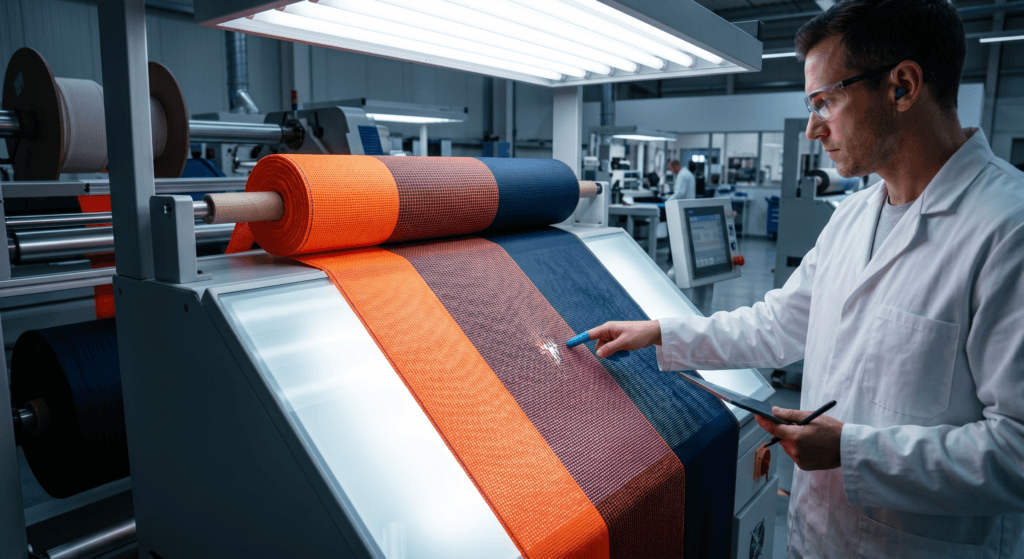 The “Light Box” Inspection: Deconstructing Fabric Defect Diagnostics and the 4-Point Quality System2026年4月28日The structural integrity and visual uniformity of […]
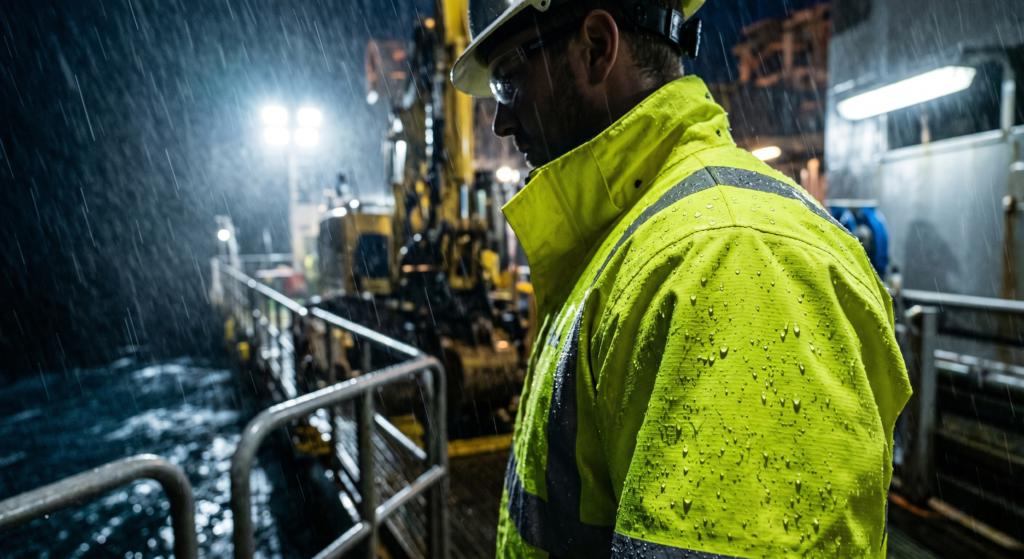 The Engineering of Waterproof Breathable Workwear: A Forensic Analysis of PU Coatings vs. PTFE Membranes2026年4月24日The selection of waterproof foul-weather gear in industrial […]
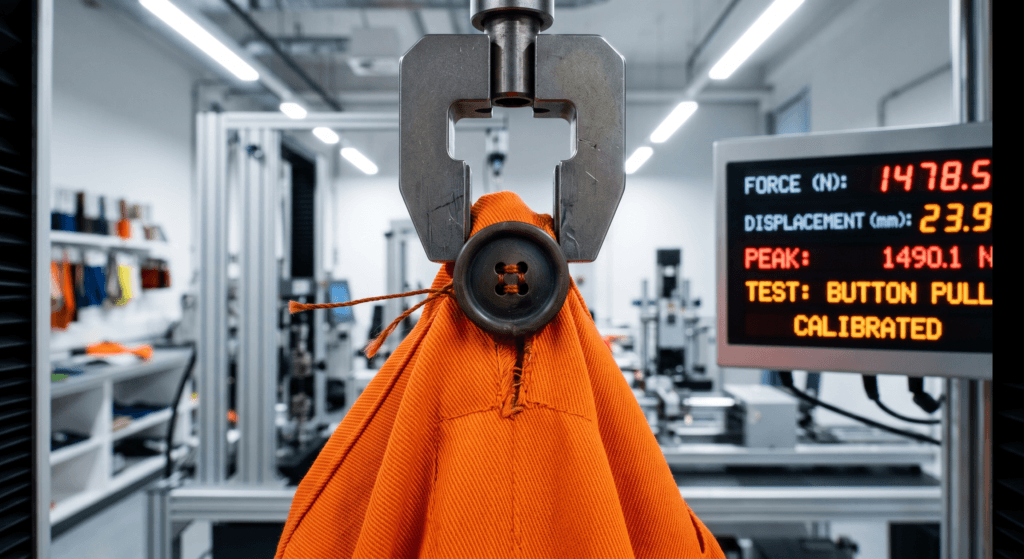 The “Button Pull” Test Protocol: Engineering Fastener Security to Mitigate Industrial Machinery and Choking Hazards2026年4月22日The “Button Pull” Test Protocol: Engineering […]
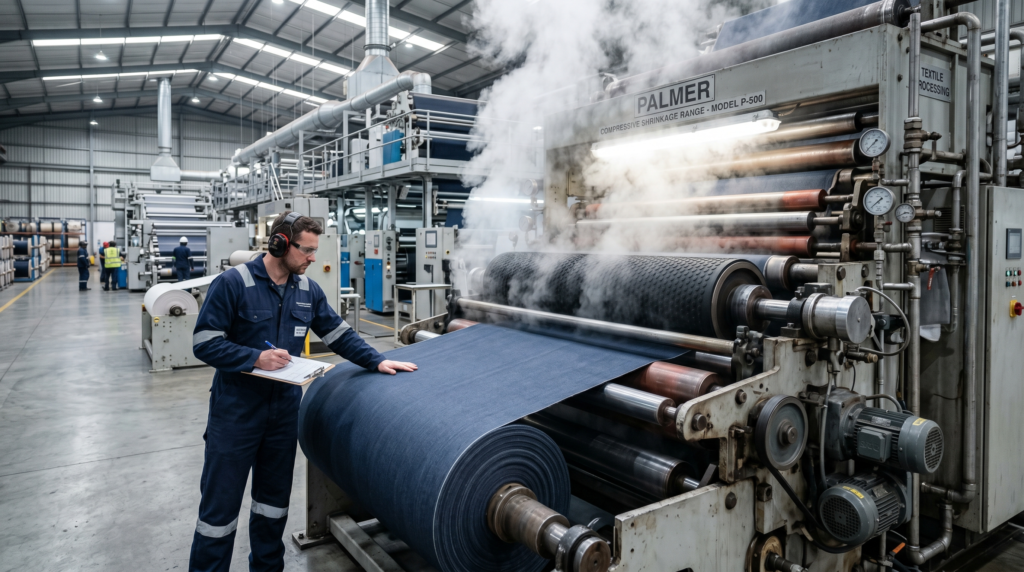 Fabric Shrinkage in Industrial Workwear: The Sanforization Secret and the Physics of Dimensional Stability2026年4月18日Executive Summary In the global industrial workwear and […]