
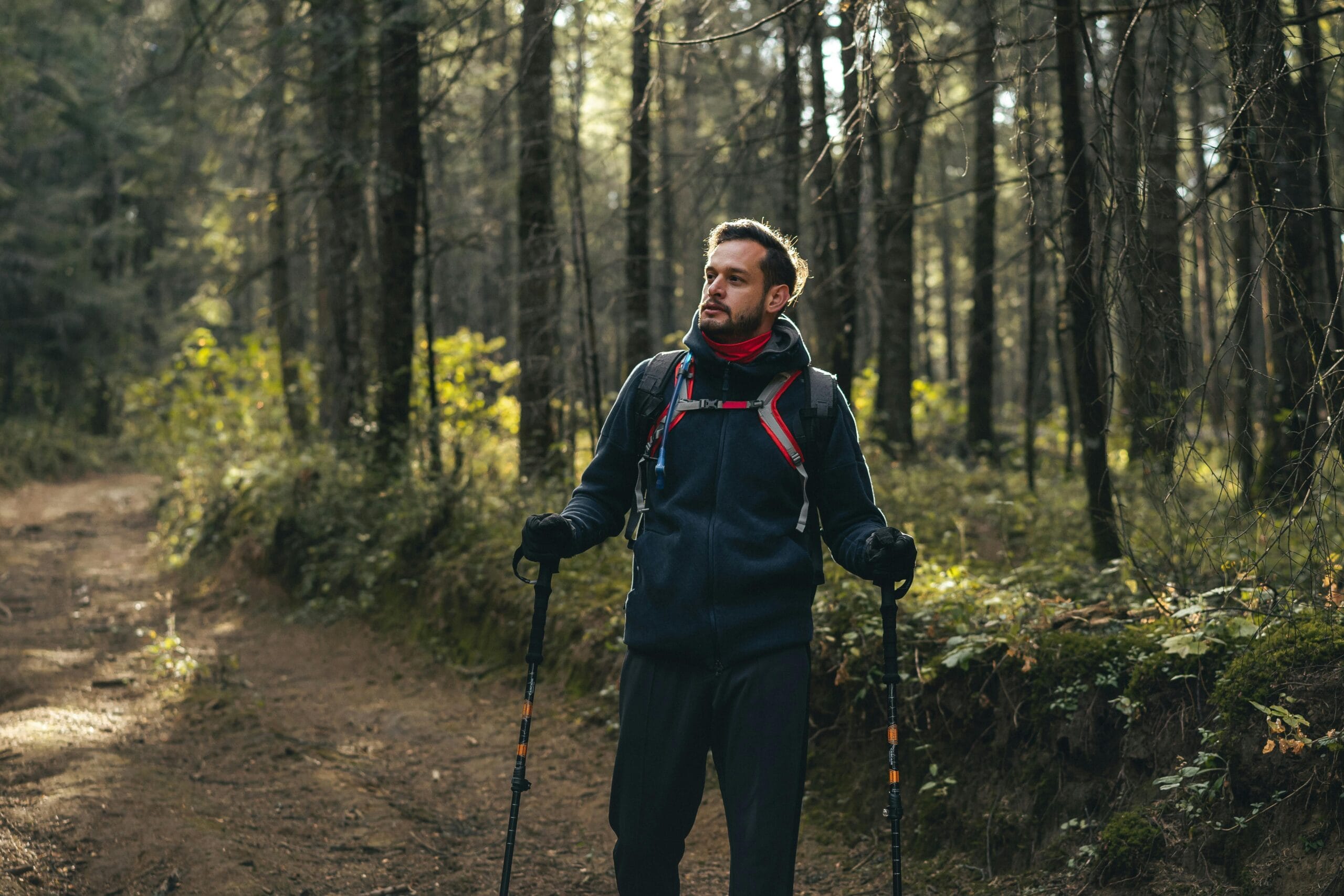
Hiking is an adventurous and rewarding activity, but it comes with inherent risks from weather, terrain, and wildlife. Proper Personal Protective Equipment (PPE)1 for hiking is essential to ensure safety and comfort, whether you’re navigating a rocky trail or braving unpredictable weather conditions.
The best PPE for hiking includes weather-appropriate clothing, sturdy footwear, gloves, and head protection to safeguard against environmental hazards. Layering is key to adapting to temperature changes, while protective gear like hats and gloves enhances safety in diverse terrains and climates.
In this guide, we’ll delve into how PPE can protect you during hiking, focusing on clothing, footwear, headgear, gloves, and preparation for extreme weather.
How should hikers prepare for extreme weather conditions using PPE?
Extreme weather can make hiking treacherous, so equipping yourself with the right PPE ensures safety and adaptability on the trail.
To prepare for extreme weather, hikers should wear layered clothing, waterproof gear, and thermal accessories to regulate body temperature and stay dry.
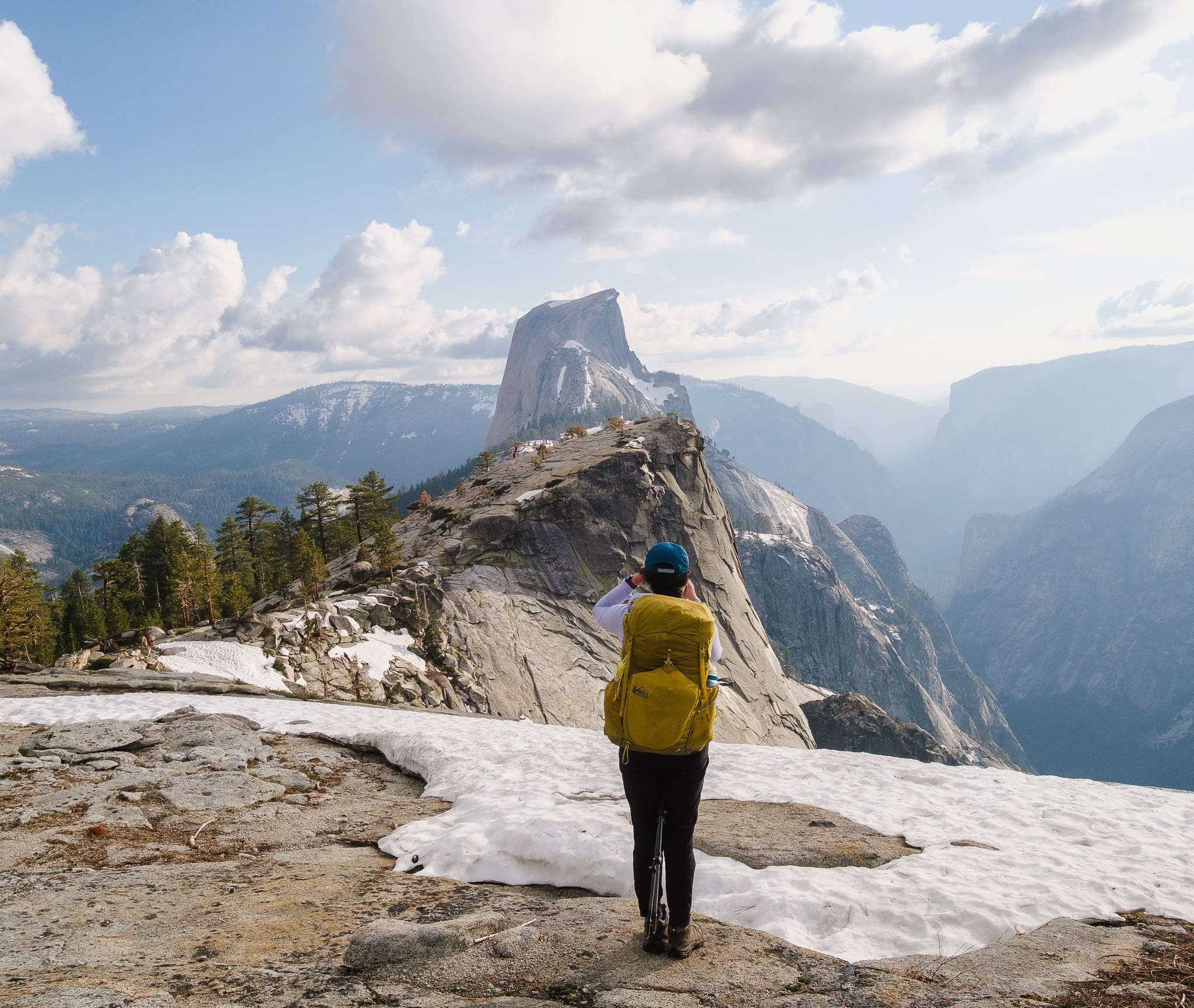
Preparing for extreme weather conditions involves:
-
- Base Layer: Moisture-wicking materials like merino wool to keep skin dry.
- Mid Layer: Insulating fleece or down jackets to retain heat.
- Outer Layer: Waterproof and windproof shells for protection against rain and wind.
-
Accessories for Specific Conditions3:
- Cold Weather: Thermal gloves, insulated hats, and neck gaiters.
- Rainy Conditions: Waterproof jackets, pants, and gaiters to keep dry.
- Hot Weather: Lightweight, breathable fabrics with UV protection.
Being equipped with adaptable PPE ensures comfort and safety regardless of the weather.
How can clothing protect you from weather hazards during a hike?
Hiking clothing plays a pivotal role in shielding you from sun exposure, wind, and cold, allowing for a safer outdoor experience.
Clothing designed for hiking includes UV-protective shirts, wind-resistant jackets, and thermal layers to combat various weather hazards.
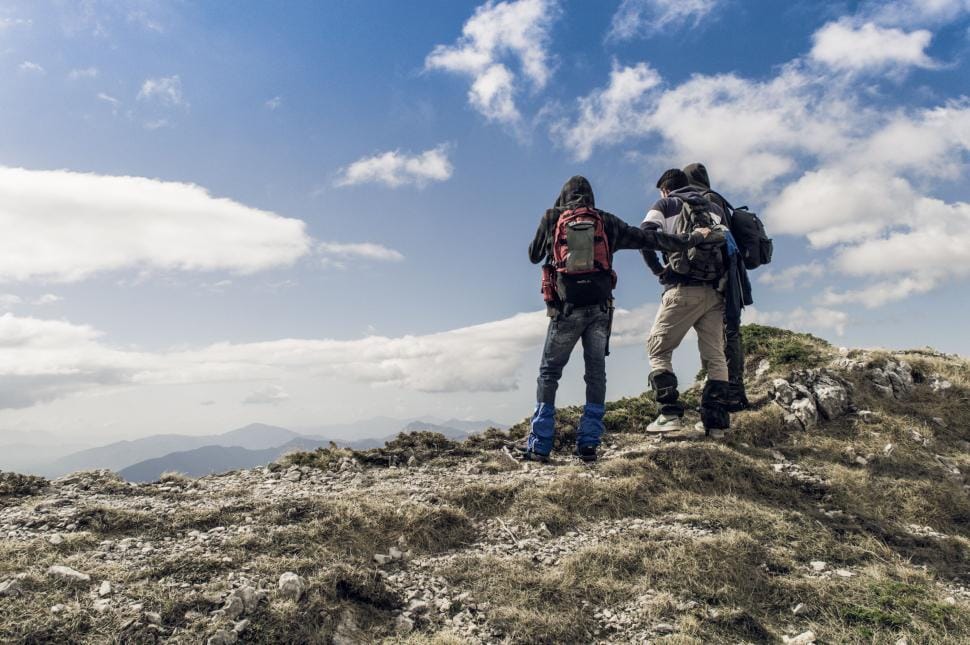
Key protective clothing features include:
-
- Lightweight long-sleeve shirts with built-in UPF ratings shield skin from harmful rays.
- Wide-brimmed hats provide additional coverage for the face and neck.
-
- Jackets made with Gore-Tex or similar materials reduce wind chill and provide a barrier against harsh winds.
-
Cold Weather Insulation:
- Fleece and down are excellent insulators, retaining heat even in subzero temperatures.
-
Rain Protection:
- Waterproof jackets and pants keep you dry while maintaining breathability.
By choosing the right materials and designs, hikers can stay comfortable and protected against environmental threats.
What type of footwear is best for hiking, and why is it important?
Proper footwear is essential for stability, protection, and comfort on the trail, preventing injuries and fatigue.
Hiking boots with sturdy soles, ankle support, and waterproof features provide the best protection against rough terrain and weather.
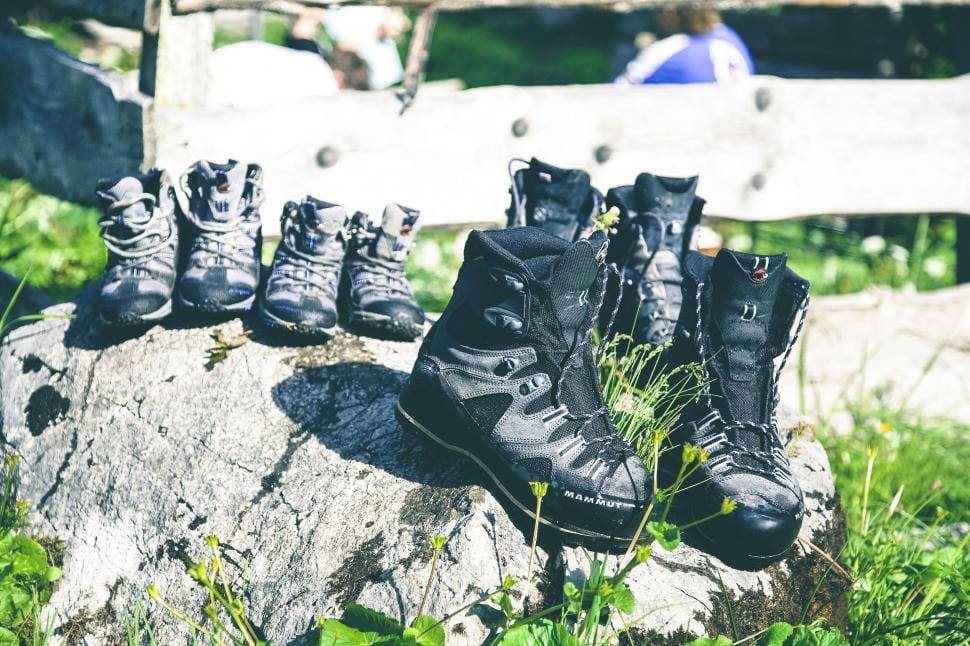
Hiking footwear options include:
| Type | Features | Best For |
|---|---|---|
| Hiking Boots | Ankle support, thick soles, waterproof | Rough terrain, long hikes |
| Trail Runners | Lightweight, flexible, breathable | Smooth trails, fast-paced hikes |
| Hiking Sandals | Open design, good for water crossings | Hot climates, short, easy hikes |
Key Considerations:
- Traction6: Deep-lug soles provide grip on slippery or uneven surfaces.
- Waterproofing7: Prevents discomfort and blisters in wet conditions.
- Fit: Properly fitted boots prevent blisters and ensure comfort over long distances.
Selecting the right footwear enhances safety and allows hikers to tackle a variety of terrains confidently.
What kind of head protection is necessary when hiking in high-altitude or exposed environments?
Head protection safeguards hikers from sun exposure, heatstroke, and injuries from falling debris in rugged environments.
Wide-brimmed hats, helmets, and UV-protective caps are essential for protecting hikers from sunburn, heatstroke, and head injuries.
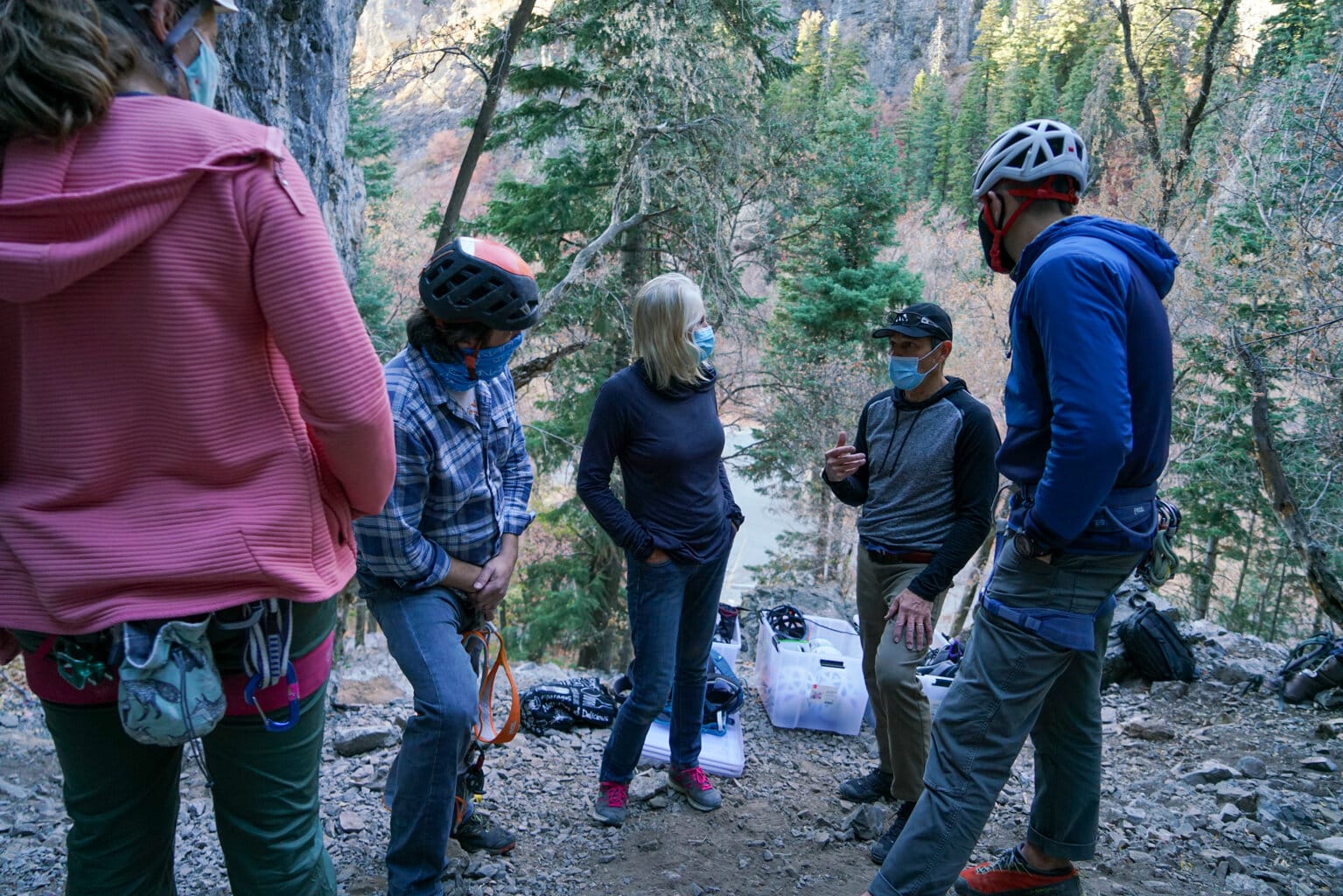
Essential head protection includes:
-
Sun Hats:
- Wide-brimmed hats provide coverage for the face, neck, and ears, reducing UV exposure.
-
Helmets:
- Necessary for rocky or mountainous trails where falling rocks are a risk.
-
Beanies and Balaclavas:
- Insulate and protect against wind and cold in high-altitude or winter hikes.
By wearing appropriate headgear, hikers can reduce risks associated with harsh sunlight and unpredictable terrain.
What type of gloves should be worn on hiking trips, and how do they provide protection?
Gloves are a critical component of hiking PPE, offering protection against cold, abrasion, and rough terrain.
Hiking gloves range from lightweight options for grip to insulated gloves for cold weather, ensuring hand safety and comfort on the trail.
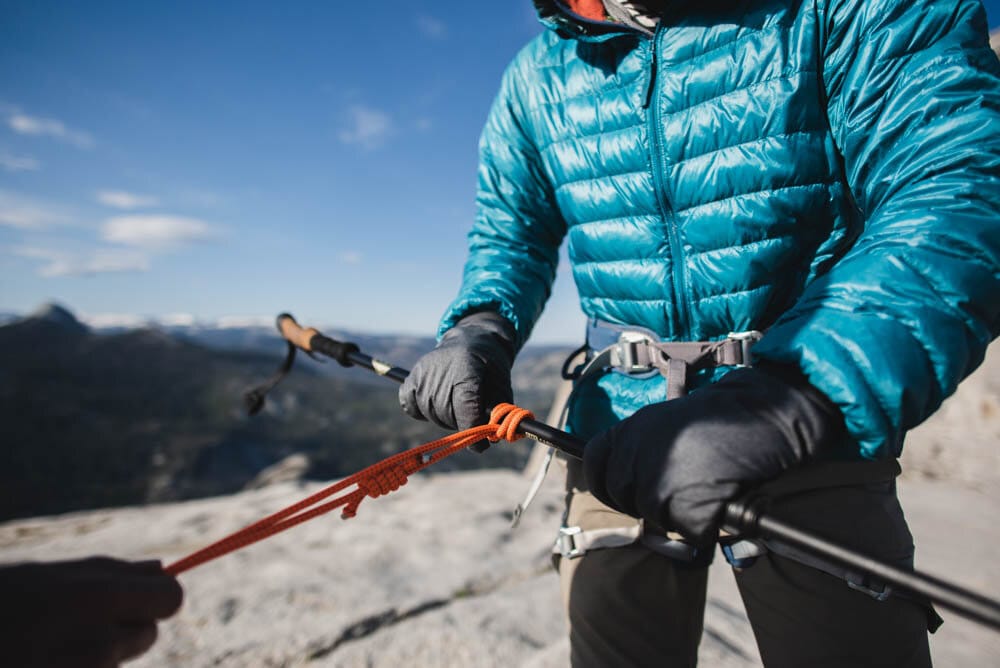
Hiking gloves are categorized by purpose:
-
- Provide grip and abrasion protection during warm weather hikes.
-
- Keep hands warm in cold climates, often featuring windproof and water-resistant materials.
-
Heavy-Duty Gloves:
- Protect against sharp rocks or thorns, ideal for scrambling or off-trail routes.
Choosing gloves based on the trail’s conditions ensures that hands remain protected and functional throughout the hike.
Conclusion
The best PPE for hiking ensures protection against environmental hazards while maintaining comfort and mobility. From weather-appropriate clothing and sturdy footwear to specialized gloves and headgear, each component plays a vital role in keeping hikers safe. By understanding the purpose of each item and preparing for diverse conditions, hikers can enjoy their adventures with confidence.
-
It introduces the concept of hiking-specific PPE, helping readers understand what gear is essential for safety and protection in various outdoor conditions. ↩
-
Offering detailed guidance on how different materials function in various layers, helping users prepare for extreme weather conditions effectively. ↩
-
Linking this keyword will guide users to practical advice on choosing weather-specific PPE, ensuring safety and adaptability in diverse climates. ↩
-
Highlight the importance of UV-blocking fabrics, helping users understand how to protect themselves from harmful sun exposure effectively. ↩
-
Linking this keyword will direct readers to learn more about high-performance materials that protect against wind chill, ensuring comfort during harsh conditions. ↩
-
Providing more insight into the specific features of hiking footwear that help maintain stability and prevent accidents on difficult terrain. ↩
-
Linking this keyword will help clarify how waterproofing prevents discomfort in wet conditions and improves the overall hiking experience by keeping feet dry and blister-free. ↩
-
Explore how lightweight gloves can provide essential protection and enhance comfort during warm weather hikes. ↩
-
Linking this keyword will help readers understand the specific benefits of insulated gloves, especially their windproof and water-resistant qualities for hiking in cold conditions. ↩

 Color Consistency: The Delta-E Standard and the End of the “Clown Suit” Effect2026年2月4日In the corporate world, a uniform is a brand’s […]
 Why Zippers Fail (and How We Prevent It): The Engineering of Closure Reliability2026年2月4日In the hierarchy of industrial garment components, the […]
 The Anatomy of a Seam: Engineering Durability at the Needle Point2026年2月4日In the world of industrial workwear, the fabric gets all […]
 Future Lab PPE Trends: The Convergence of Lightweight Protection & Sustainability2026年1月28日In the sterile corridors of pharmaceutical R&D, biotech […]
 Chemical Protection Classes A/B/C: The Definitive Guide to Risk-Based PPE Selection2026年1月28日In the hazardous materials (HazMat) industry, […]
 Freezer Gloves & Boots Trends: The Intersection of Thermal Physics and Grip Technology2026年1月28日In the unforgiving environment of a -30°C cold storage […]