
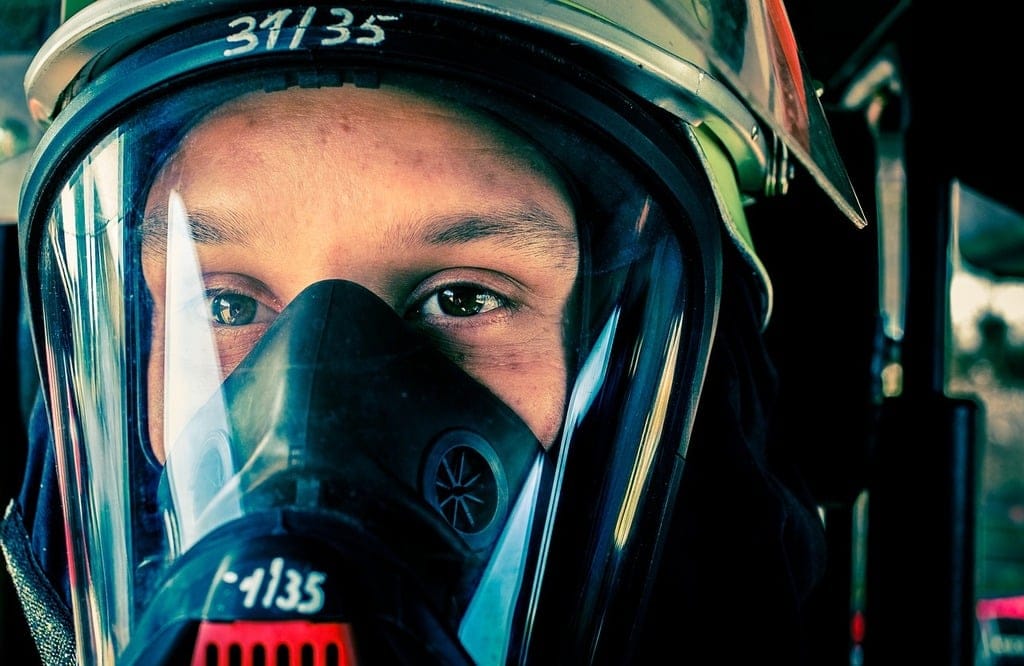
Respiratory protection is often underestimated—until tragedy strikes. Airborne hazards are invisible killers, responsible for thousands of workplace illnesses and deaths annually. Whether it’s dust, fumes, chemical vapors, or infectious particles, respiratory PPE forms the last line of defense between workers and life-threatening exposure.
This guide explains:
- What counts as respiratory PPE
- Why it’s essential across industries
- Real-world cases that underscore its importance
- Compliance requirements for buyers
Respiratory PPE includes masks, respirators, and filters that prevent inhalation of harmful dust, chemicals, vapors, and pathogens. It is critical in industries like construction, healthcare, and manufacturing and must meet OSHA 29 CFR 1910.134, NIOSH, and EN 149 standards.
Why Respiratory Protection Matters
The consequences of neglecting respiratory protection are severe:
- Silica dust → silicosis, an incurable and often fatal lung disease.
- Asbestos fibers → mesothelioma (a deadly cancer).
- Welding fumes → chronic bronchitis and nerve disorders.
- Chemical vapors → brain and organ damage.
Case Example #1 (USA):
A construction firm faced a $14,502 OSHA fine after workers were exposed to silica dust without proper N95 masks. One worker was later diagnosed with silicosis, resulting in a permanent disability claim.Case Example #2 (UK):
A paint shop supervisor inhaled solvent vapors because the employer provided only basic dust masks. The result? Chemical burns in his lungs and a £20,000 HSE penalty for inadequate PPE.Case Example #3 (India):
During pesticide spraying, two workers collapsed due to vapor inhalation. The masks used were labeled “protective” but had no filter certification. One worker suffered long-term neurological damage.
Types of Respiratory PPE
1. Disposable Masks
- Examples: N95 (NIOSH), FFP2/FFP3 (EN)
- Protect against dust, smoke, and certain particulates
- Best for: Construction, woodworking, general dust exposure
2. Half-Mask Respirators
- Use replaceable filters or cartridges
- Protect against dust, gases, and vapors
- Best for: Painting, chemical processing, welding
3. Full-Face Respirators
- Provide eye, nose, and mouth coverage
- Compatible with specialized cartridges
- Best for: High-risk environments like chemical plants
4. Powered Air-Purifying Respirators (PAPR)
- Motorized airflow = less breathing resistance
- Ideal for: Long-duration use in hazardous zones
5. SCBA (Self-Contained Breathing Apparatus)
- Independent oxygen supply for confined spaces or toxic atmospheres
- Best for: Firefighting, chemical spill response, emergency teams
Key Standards and Certifications
| Region | Standard | Description |
|---|---|---|
| USA | OSHA 29 CFR 1910.134 | Employer obligations for respiratory PPE |
| USA | NIOSH N95/N100 | Particle filtration efficiency for masks |
| EU | EN 149 | FFP1/FFP2/FFP3 disposable respirators |
| EU | EN 143 / EN 14387 | Filter performance for dust/gases |
Buyer Insight:
Do not rely on packaging claims like “dust proof.” Always confirm NIOSH approval (TC number) or CE mark with EN standard reference.
Common Buyer Mistakes
- Using dust masks for chemical vapors—provides zero vapor protection.
- Ignoring fit testing requirements (mandatory under OSHA).
- Reusing disposable masks beyond safe limits.
- Choosing comfort over compliance—workers avoid bulky respirators, leading to unsafe shortcuts.
Real Example:
An oil & gas contractor in Texas bought “cheap protective masks” online. During an OSHA audit, none had NIOSH approval. Result: $18,000 in fines and immediate shutdown.
Quick Procurement Checklist
- [ ] Certification: OSHA-compliant, EN or NIOSH-approved
- [ ] Correct respirator type for hazard (dust, fumes, vapors, pathogens)
- [ ] Proper cartridge/filter for specific chemicals (check SDS)
- [ ] Annual fit-testing program in place
- [ ] Supplier provides maintenance and replacement schedule
- [ ] Expiry dates of masks and filters verified
Buyer FAQ
Q: Is N95 enough for spray painting?
A: No. Use a respirator with organic vapor cartridges.Q: How long can a disposable mask be used?
A: Typically single-use, but in low-risk environments, limited reuse may be possible—follow manufacturer guidelines.Q: Can one respirator fit all hazards?
A: No. Different hazards require specific filters or respirators. Always check SDS and consult compatibility charts.
Additional Buyer Tips
- For bulk procurement, negotiate for filter supply contracts—cartridges are ongoing costs.
- Always include training materials in your PPE purchase.
- Track PPE with batch numbers and replacement logs to pass audits.
Conclusion
Respiratory PPE is not optional—it’s a legal requirement and a health safeguard. Failure to choose the right product can cost lives and thousands in fines. Always demand certification, ensure proper fit, and prioritize comfort to maximize compliance.
Need OSHA, NIOSH, and EN-certified respirators with cartridge support?
Email: [email protected]
Website: www.workwearsolutions.net

 Color Consistency: The Delta-E Standard and the End of the “Clown Suit” Effect2026年2月4日In the corporate world, a uniform is a brand’s […]
 Why Zippers Fail (and How We Prevent It): The Engineering of Closure Reliability2026年2月4日In the hierarchy of industrial garment components, the […]
 The Anatomy of a Seam: Engineering Durability at the Needle Point2026年2月4日In the world of industrial workwear, the fabric gets all […]
 Future Lab PPE Trends: The Convergence of Lightweight Protection & Sustainability2026年1月28日In the sterile corridors of pharmaceutical R&D, biotech […]
 Chemical Protection Classes A/B/C: The Definitive Guide to Risk-Based PPE Selection2026年1月28日In the hazardous materials (HazMat) industry, […]
 Freezer Gloves & Boots Trends: The Intersection of Thermal Physics and Grip Technology2026年1月28日In the unforgiving environment of a -30°C cold storage […]