

Uniforms are more than matching outfits—they’re tools for safety, identity, and daily performance.
Whether it’s a factory worker’s flame-resistant suit, a nurse’s scrub set, or a hotel concierge’s sharp blazer, a well-designed uniform communicates trust, purpose, and professionalism without saying a word.
Let’s break down what uniforms are really for—and why they matter across every industry.
What Is a Uniform and Why Is It Important?
A uniform is a standardized outfit worn by members of an organization, typically with the purpose of:
- Visually identifying roles or departments
- Promoting a cohesive, professional image
- Ensuring safety and task suitability
- Supporting discipline, hierarchy, or compliance
From hospitals to construction sites, uniforms offer consistency and structure—both in how people look, and how they work.
✅ In many industries, uniforms aren’t optional—they’re essential.
The Role of Uniforms in Workplace Culture and Branding
Uniforms contribute to both internal culture and external branding.
Internally, they:
- Reinforce team identity and belonging
- Eliminate clothing-based status gaps or distractions
- Promote professional behavior
Externally, they:
- Provide a recognizable, consistent customer experience
- Boost brand credibility and memorability
- Visually communicate company values (e.g., clean, technical, approachable)
🧥 A well-fitted, logo-branded uniform can say more about your business than a thousand ads.
Types of Uniforms Across Different Sectors
Each industry requires uniforms tailored to its risks, environment, and brand image. Some common sectors include:
| Industry | Uniform Examples | Purpose |
|---|---|---|
| Military | Camouflage fatigues, dress blues | Discipline, identity, protection |
| Healthcare | Scrubs, lab coats, isolation gowns | Hygiene, identification, comfort |
| Hospitality | Suits, aprons, branded polos | Brand image, guest interaction |
| Law Enforcement | Tactical gear, utility belts, body armor | Authority, safety, readiness |
| Industrial Work | Coveralls, hi-vis vests, flame-resistant gear | Hazard protection, visibility |
| Education | School uniforms, sports kits | Equality, representation, discipline |
🔍 Even within a single industry, different roles may have different uniform needs.
Functional Features of Modern Uniforms
Today’s uniforms are about more than just looking neat. They’re performance garments designed to help workers do their jobs better, safer, and more comfortably.
Key features may include:
- Moisture-wicking fabrics for heat or physical activity
- Antimicrobial or fluid-resistant coatings in healthcare
- Flame-resistant or arc-rated materials in industry
- Hi-vis colors and reflective tape for roadside or night work
- Stretch zones and ergonomic seams for movement-intensive roles
- Smart storage (tool loops, reinforced pockets, ID holders)
👖 A modern uniform is basically PPE with personality—part safety gear, part branding, part comfort.
Regulations and Standards Governing Uniform Design
In certain sectors, uniforms must meet legal or industry standards.
Examples include:
- OSHA requirements for flame- and arc-resistant clothing in electrical or welding roles
- EN ISO 20471 for high-visibility uniforms used near traffic or heavy machinery
- NFPA 2112 for uniforms in oil & gas or refinery environments
- Infection control guidelines for healthcare uniforms, including laundering protocols
- Company or union policies on uniform allowance, maintenance, and appearance
⚠️ Uniforms that don’t comply can result in fines, failed audits, or injuries.
Balancing Comfort, Style, and Safety in Uniform Design
Uniforms must walk a fine line between:
- Fit and comfort (especially during long shifts or hot environments)
- Durability (wash after wash, year after year)
- Brand image (colors, logos, design)
- Task functionality (movement, storage, safety features)
Tips for better design:
- Use body-specific sizing (not just S/M/L)
- Prioritize breathable or stretch fabrics
- Don’t let branding interfere with compliance (e.g., tape placement on hi-vis)
- Offer gender-specific cuts or unisex with tailoring options
🧵 A comfortable worker is a compliant worker—and more likely to represent your brand with pride.
Uniform Maintenance and Presentation Guidelines
Even the best-designed uniform loses its impact if it’s worn incorrectly, damaged, or dirty.
Best practices include:
- Clear laundering instructions (industrial or home wash)
- Scheduled uniform replacement cycles
- Proper storage (ventilated lockers, garment bags)
- Onboarding and refresher training for proper wear
- Uniform inspections as part of daily or weekly routine
- Dress code policies built into HR or safety manuals
👔 Presentation reflects performance—especially in customer-facing or audit-heavy industries.
Conclusion
Uniforms aren’t just fabric—they’re function, identity, safety, and trust, all stitched together.
As a buyer or operations leader, investing in a smart uniform program means:
- Keeping workers safe and compliant
- Strengthening team morale
- Reinforcing your company’s brand
- Giving every employee the confidence to perform at their best
Need help sourcing high-quality uniforms with task-ready features, custom branding, and regulatory compliance? Let’s build a uniform your team will wear proudly—and safely.
📩 Contact: [email protected]
🌐 Visit: www.workwearsolutions.net

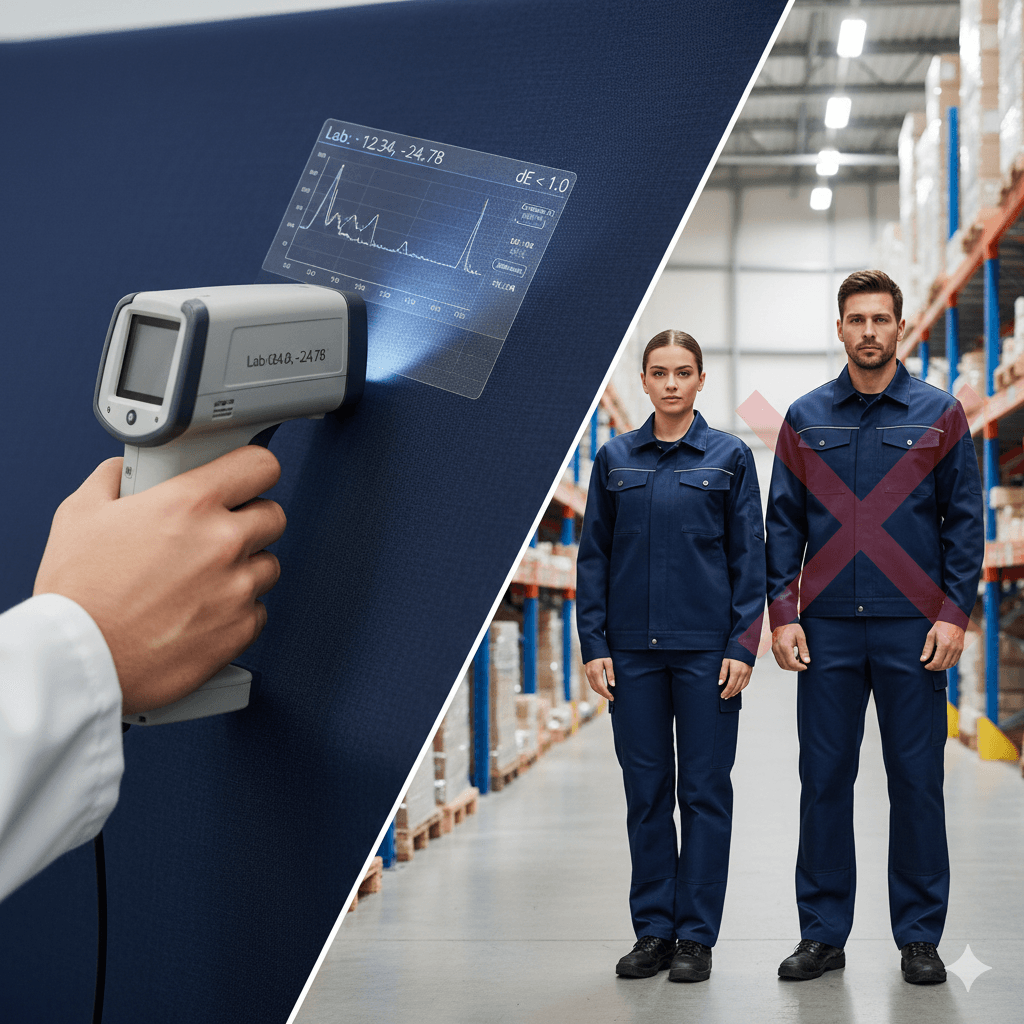 Color Consistency: The Delta-E Standard and the End of the “Clown Suit” Effect2026年2月4日In the corporate world, a uniform is a brand’s […]
 Why Zippers Fail (and How We Prevent It): The Engineering of Closure Reliability2026年2月4日In the hierarchy of industrial garment components, the […]
 The Anatomy of a Seam: Engineering Durability at the Needle Point2026年2月4日In the world of industrial workwear, the fabric gets all […]
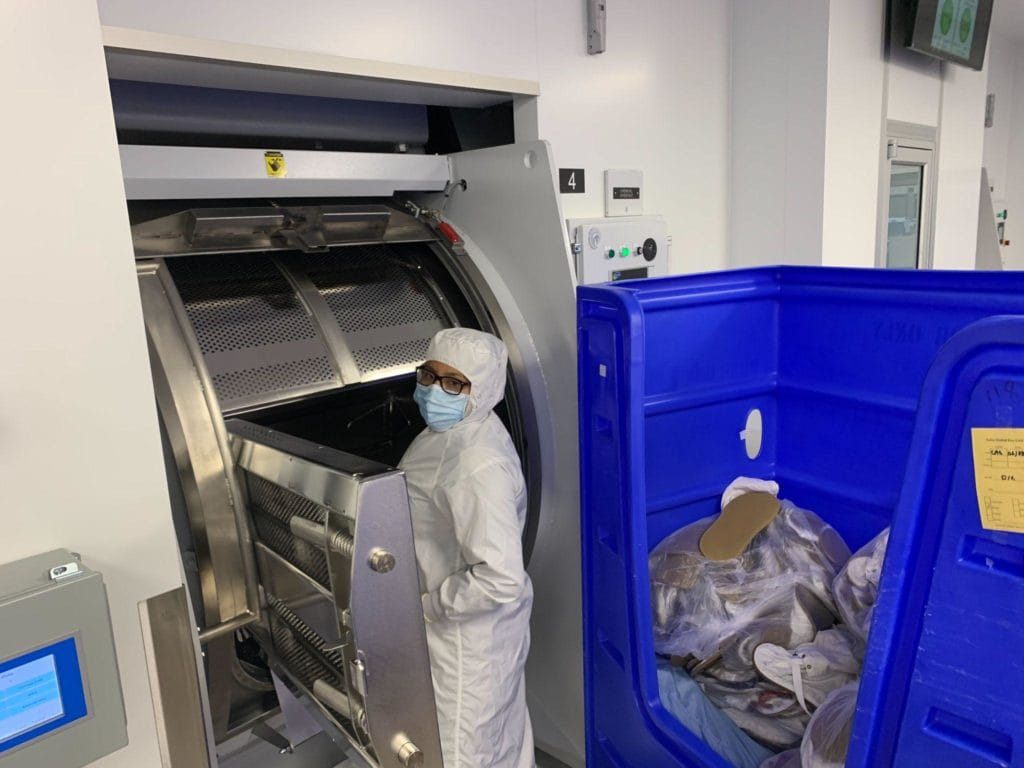
 Future Lab PPE Trends: The Convergence of Lightweight Protection & Sustainability2026年1月28日In the sterile corridors of pharmaceutical R&D, biotech […]
 Chemical Protection Classes A/B/C: The Definitive Guide to Risk-Based PPE Selection2026年1月28日In the hazardous materials (HazMat) industry, […]
 Freezer Gloves & Boots Trends: The Intersection of Thermal Physics and Grip Technology2026年1月28日In the unforgiving environment of a -30°C cold storage […]