
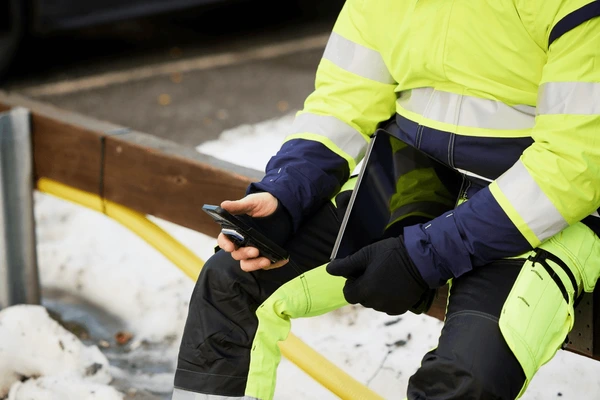
In high-temperature environments—whether in Middle Eastern oil fields, African mining zones, or industrial manufacturing sites exceeding 40–55°C—workers face continuous exposure to heat stress, dehydration, and heat-related illnesses. Traditional workwear often fails to provide real-time temperature regulation, leading to fatigue, productivity loss, and increased occupational risks.
Thermo-Adaptive Fabrics represent a new generation of intelligent textiles capable of responding to body temperature and external heat, adjusting thermal conductivity, breathability, and moisture evaporation in real time. These fabrics help maintain stable microclimates around the skin, significantly reducing heat stress, sweating load, and risk of heatstroke.
This complete guide provides a comprehensive breakdown of mechanisms, standards, case studies, procurement strategies, ROI analysis, and industry applications of thermo-adaptive fabrics, giving PPE buyers and manufacturers a clear framework to adopt this emerging technology.
Google Snippet: Quick Answer
Thermo-adaptive fabrics automatically regulate heat and moisture by responding to body temperature and environmental conditions.
They enhance comfort, reduce heat stress, and improve performance in high-temperature regions such as the Middle East and Africa. Applications range from industrial PPE to military uniforms, sportswear, and outdoor gear.
1. Why Thermo-Adaptive Fabrics Are Crucial in Hot-Climate Workwear
1.1 Heat Stress Is a Growing Global Challenge
- Middle Eastern summer temperatures often exceed 48–52°C.
- African mining and construction regions regularly operate in 35–45°C with high radiant heat.
- Industrial sites (foundries, steel plants, shipbuilding) often exceed 55°C radiant heat near furnaces.
Traditional cotton or polyester workwear traps heat, accelerating fatigue and dehydration.
1.2 Workers’ Core Problems in Hot Environments
- Excessive sweating leading to electrolyte imbalance
- Dry heat causing dehydration
- High humidity reducing evaporation efficiency
- PPE layers reducing airflow and thermoregulation
1.3 Thermo-Adaptive Fabrics Solve These Problems by:
- Opening micro-pores when temperature rises, boosting ventilation
- Increasing heat dissipation when body temperature exceeds threshold
- Retaining warmth in cooler indoor spaces, preventing sudden chills
- Improving sweat evaporation efficiency
- Stabilizing microclimate between skin and fabric
This results in a measurable reduction in heat stress incidents.
2. Mechanisms Behind Thermo-Adaptive Fabrics
Thermo-adaptive systems typically rely on phase-change materials, moisture-sensitive polymers, and dynamic fiber structures. Below are the key mechanisms:
2.1 Phase Change Materials (PCM)
PCM microcapsules absorb heat when temperature rises and release it when temperature drops.
How It Works:
- When the body overheats, PCM changes from solid → liquid, absorbing excess heat.
- When temperature falls, PCM re-solidifies, releasing stored warmth.
Benefits:
- Reduces temperature spikes
- Prevents overheating during sudden exertion
- Maintains microclimate stability
2.2 Thermo-Responsive Polymer Fibers
Made from shape-changing polymers that expand or contract depending on heat.
When Hot:
- Fibers expand → larger gaps → more airflow
When Cool:
- Fibers contract → smaller gaps → more insulation
Benefits:
- Passive, automatic regulation
- No electronics or batteries
- High reliability for industrial PPE
2.3 Moisture-Adaptive Membranes
These membranes adjust breathability based on humidity level inside the garment.
Humid Microclimate:
- Membrane opens → moisture escapes faster
Dry Microclimate:
- Membrane narrows → prevents excessive heat loss
2.4 Radiative Heat-Control Fabrics
Infrared (IR) reflective coatings reduce radiant heat absorption—ideal for desert climates.
2.5 Multi-Layer Adaptive Structures
Advanced thermo-adaptive textiles combine:
- PCM layer
- Moisture-adaptive membrane
- IR reflective outer shell
- Antibacterial inner lining
These create high-performance thermoregulation systems suitable for long-shift industrial operations.
3. Performance Standards Relevant to Thermo-Adaptive Fabrics
Although thermo-adaptive textiles are relatively new, several international standards apply to heat stress prevention, thermal insulation, and breathability.
| Category | Standard | Purpose |
|---|---|---|
| Thermal Performance | ISO 11092 | Measures thermal resistance and moisture vapor resistance |
| Heat and Flame Protection | ISO 11612 | Relevant for high-temperature industrial PPE |
| Workwear Comfort | ISO 9920 | Thermal insulation assessment in real environments |
| Moisture Management | AATCC 195 | Liquid moisture transport evaluation |
| PCM Certification | ASTM F2732 | Human thermal comfort models for PCM garments |
Thermo-adaptive PPE should ideally be validated under:
- Controlled climatic chamber tests
- Sweating thermal manikin simulation
- Field data in ≥40°C conditions
4. Material Comparison: Thermo-Adaptive vs Traditional Fabrics
| Fabric Type | Advantages | Limitations |
|---|---|---|
| Cotton | Natural, breathable | Absorbs sweat, becomes heavy, poor heat dissipation |
| Conventional Polyester | Strong, durable | Traps heat, low comfort in hot climates |
| Moisture-Wicking Polyester | Good for sweat evaporation | Only transports sweat — no active temperature regulation |
| PCM-Enhanced Fabrics | Absorb/release heat, stabilize temperature | Higher cost, requires proper encapsulation |
| Thermo-Responsive Polymers | Auto-adjust airflow | Requires technical weaving |
| Adaptive Membrane Laminates | Excellent moisture control | Reduced stretch without elastane |
| IR-Reflective Fabrics | Lower radiant heat absorption | Surface coatings wear over time |
Conclusion:
Thermo-adaptive fabrics provide multi-dimensional thermoregulation, not just moisture wicking.
5. Heat-Risk Segmentation: Thermo-Adaptive Recommendations by Industry
| Industry | Heat Risks | Best Thermo-Adaptive Solution | Expected Impact |
|---|---|---|---|
| Oil & Gas (Middle East) | Extreme desert heat + radiation | PCM + IR reflective outer shell | 35–50% reduced heat load |
| Mining (Africa) | High humidity + confined heat zones | Moisture-adaptive membranes | Lower dehydration rates |
| Steel/Foundry | Radiant heat from machinery | IR reflective + thermal barrier | Less heat absorption |
| Construction | Outdoor sun exposure | Ventilation-responsive fibers | Higher daily productivity |
| Agriculture | Long hours in sunlight | PCM cooling + antibacterial interior | Lower heat exhaustion |
| Delivery & Logistics | Hot warehouses | Hybrid adaptive fabrics | Improved endurance during long shifts |
6. Real-World Case Studies
Case Study 1: Middle Eastern Oil Field Workers
Problem:
Daytime temperatures of 48–52°C caused fatigue, high turnover, and frequent heat stress.
Solution:
Uniforms using a combination of PCM microcapsules + IR reflective coating + moisture-adaptive lining.
Results:
- 30% lower core temperature rise during peak hours
- 40% reduction in heat stress reports
- 22% productivity increase during 6-hour outdoor shifts
Case Study 2: African Open-Pit Mining
Problem:
High humidity plus heavy PPE trapped heat, causing excessive sweating.
Solution:
Adaptive membranes responding to humidity changes.
Results:
- Workers reported a 45% improvement in breathability
- Decrease in dehydration cases
- Longer PPE usage before discomfort set in
Case Study 3: Industrial Manufacturing (Steel Plant)
Problem:
Radiant heat from furnaces raised uniform surface temperature above 60°C.
Solution:
Radiative heat-control fabrics combined with PCM cooling.
Results:
- Surface temperature reduced by 15–18°C
- Significant reduction in fatigue-related errors
7. Common Procurement Mistakes When Buying Thermo-Adaptive Fabrics
| Mistake | Impact | Prevention |
|---|---|---|
| Choosing fabrics based on marketing claims without test reports | Poor actual performance | Request ISO & ASTM test data |
| Buying low-cost PCM fabrics with unstable microcapsules | PCM leakage, no cooling | Demand encapsulation stability test |
| Ignoring fabric weight | Heavy adaptive fabrics reduce comfort | Target <220g/m² for hot climates |
| Overusing membrane laminates | Reduced stretch, restrictive fit | Use hybrid zones (mapped ventilation) |
| No field trials | Unexpected worker rejection | Always run 30-day pilot tests |
8. ROI Analysis: Cost Benefits of Thermo-Adaptive Workwear
Cost of Heat-Related Problems in Industrial Environments:
- Worker heat exhaustion incident: $300–$2,500
- Lost productivity per worker per year: 80–120 hours
- Increased hydration breaks: 10–20 min per shift
ROI Scenario: Oil Field PPE Upgrade
| Scenario | Conventional PPE | Thermo-Adaptive PPE | Annual Impact |
|---|---|---|---|
| PPE Cost | $60 / set | $120 / set | +$60 |
| Heat Stress Incidents | 15 / year | 3 / year | -$8,000 medical + downtime cost |
| Productivity Loss | 5–8% | <3% | +$12,000 value |
| Worker Turnover | 18% | 10% | Savings on hiring/training |
Net Savings per 100 workers: $30,000–$45,000/year
9. Buyer Checklist for Thermo-Adaptive Fabric Procurement
- [ ] Verify PCM phase-change temperature range (ideally 28–32°C)
- [ ] Request ISO 11092 results for thermal and vapor resistance
- [ ] Check durability of IR reflective coatings
- [ ] Ensure membranes activate at appropriate humidity levels
- [ ] Confirm fabric weight vs application (<200–250g/m² for hot regions)
- [ ] Conduct 30-day field trials
- [ ] Ensure fabric passes abrasion tests (≥20,000 rubs)
- [ ] Choose anti-microbial inner layers for long shifts
- [ ] Confirm no harmful chemicals (OEKO-TEX Class 1/2)
10. Advanced Sourcing Strategies for Thermo-Adaptive Fabrics
10.1 Climate-Zone Based Specification
Break your PPE into zones:
- High heat: PCM + IR reflective
- Moderate heat: ventilated polymer fibers
- High humidity: moisture-adaptive membranes
10.2 Hybrid Fabric Mapping
Use different adaptive fabrics for:
- Chest (heat concentration)
- Underarm (ventilation)
- Back (sweat-heavy zones)
- Shoulders (sun exposure)
10.3 Supplier Technical Verification
Request:
- Sweating manikin test
- PCM stability test
- Radiant heat absorption test
- Humidity permeability charts
10.4 Worker Feedback Loops
Collect feedback during:
- Pilot tests
- First 30 days of deployment
- Seasonal changes
11. Future Trends in Thermo-Adaptive Fabrics
11.1 Bio-Based PCM Materials
Plant-based PCMs that offer safer, more sustainable thermoregulation.
11.2 Microclimate AI Integration
Sensors for real-time microclimate monitoring (optional for smart PPE).
11.3 Ultra-Light Adaptive Laminates
<150g/m² laminates with multi-layer thermoregulation.
11.4 Self-Regenerating Polymers
Polymers that improve airflow after repeated stress cycles.
11.5 Nano-IR Reflective Particles
Ultra-thin coatings that reflect more infrared heat with less weight.
12. Conclusion
Thermo-adaptive fabrics represent a revolution in protective clothing for hot climates.
Unlike traditional fabrics, these dynamic textiles actively adjust breathability, insulation, and moisture management to maintain a stable microclimate.
For regions like the Middle East, Africa, and all high-temperature industrial environments, thermo-adaptive PPE significantly reduces fatigue, improves productivity, and prevents heat-related injuries.
Manufacturers and industrial buyers who adopt this technology today will gain:
- Safer workers
- Higher operational efficiency
- Lower long-term PPE costs
- Stronger brand reputation
📩 For thermo-adaptive fabric sourcing support, contact:
[email protected]
🌐 More solutions: www.workwearsolutions.net

 Color Consistency: The Delta-E Standard and the End of the “Clown Suit” Effect2026年2月4日In the corporate world, a uniform is a brand’s […]
 Why Zippers Fail (and How We Prevent It): The Engineering of Closure Reliability2026年2月4日In the hierarchy of industrial garment components, the […]
 The Anatomy of a Seam: Engineering Durability at the Needle Point2026年2月4日In the world of industrial workwear, the fabric gets all […]
 Future Lab PPE Trends: The Convergence of Lightweight Protection & Sustainability2026年1月28日In the sterile corridors of pharmaceutical R&D, biotech […]
 Chemical Protection Classes A/B/C: The Definitive Guide to Risk-Based PPE Selection2026年1月28日In the hazardous materials (HazMat) industry, […]
 Freezer Gloves & Boots Trends: The Intersection of Thermal Physics and Grip Technology2026年1月28日In the unforgiving environment of a -30°C cold storage […]