

If you’ve been buying PPE or workwear for any length of time, you’ve probably felt like you were riding a financial rollercoaster since 2020. Prices spiked, then dipped, then jumped again—often for reasons that had nothing to do with your supplier’s performance.
I’ve had buyers tell me their glove orders cost 30% more than planned because nitrile prices surged unexpectedly. I’ve seen jacket shipments delayed and airfreighted at triple the cost because freight rates jumped mid-season. And more than one buyer has admitted they simply “guessed” at market trends when quoting their own clients—sometimes winning big, sometimes wiping out their margin entirely.
So the question for 2025 is: Are we in for more price pain, or will the market finally calm down? The answer isn’t simple, but it is predictable—if you know the forces at play and prepare accordingly.
Google Snippet: Quick Answer
In 2025, PPE pricing is shaped by raw material costs (cotton, polyester, nitrile), rising labor expenses in Asia, fluctuating freight rates, and higher compliance testing fees. High-spec PPE prices remain firm due to stricter standards, while commodity workwear may see mild relief if shipping rates stabilize. Buyers can protect margins by locking in materials early, diversifying production, and using long-term supplier contracts.
What’s Driving PPE Prices in 2025?
1. Raw Material Costs
Materials are the backbone of your price structure, and in PPE, three dominate the conversation: cotton, polyester, and nitrile.
Cotton
- Trend: Unstable. Cotton prices are under pressure due to weather-related crop failures in India and Pakistan, two of the top five global producers.
- Impact: Higher base prices for items like canvas work trousers, coveralls, and cotton-rich blends.
- Example: A UK importer sourcing 65% cotton blend jackets saw FOB prices rise by 6% in Q1 purely from cotton cost increases.
Polyester
- Trend: Modest upward pressure. Polyester prices are tied closely to oil and energy costs, particularly in China, the world’s largest producer. Recycled polyester carries a 10–15% price premium over virgin polyester due to higher processing costs and limited supply.
- Impact: Price-sensitive in high-vis PPE, jackets, and rain gear.
- Example: A Spanish safety gear distributor reported that switching from virgin to recycled polyester for a municipal contract added €0.45 per garment but was necessary to meet sustainability requirements.
Nitrile
- Trend: Firm to rising. Medical demand has stayed high post-pandemic, and nitrile supply chains are concentrated in a few key countries like Malaysia and Thailand.
- Impact: Higher glove costs, especially for chemical-resistant and disposable categories.
- Example: A US healthcare buyer saw nitrile glove prices rise 8% year-on-year despite ordering higher volumes.
2. Labor Costs in Key Production Hubs
Even if material costs stabilize, wages are climbing across Asia.
- Vietnam: Minimum wages rose 6% in early 2025, with additional employer social insurance contributions adding to the total cost.
- Bangladesh: The government announced a phased wage increase, with garment worker pay set to rise by 10% over two years.
- China: Inland provinces—once lower-cost than coastal areas—are raising wages to retain workers, narrowing the gap.
Example:
A German safety footwear importer sourcing from Vietnam reported a €0.80 per pair cost increase directly linked to wage adjustments, despite keeping the same material spec.
3. Freight Rate Volatility
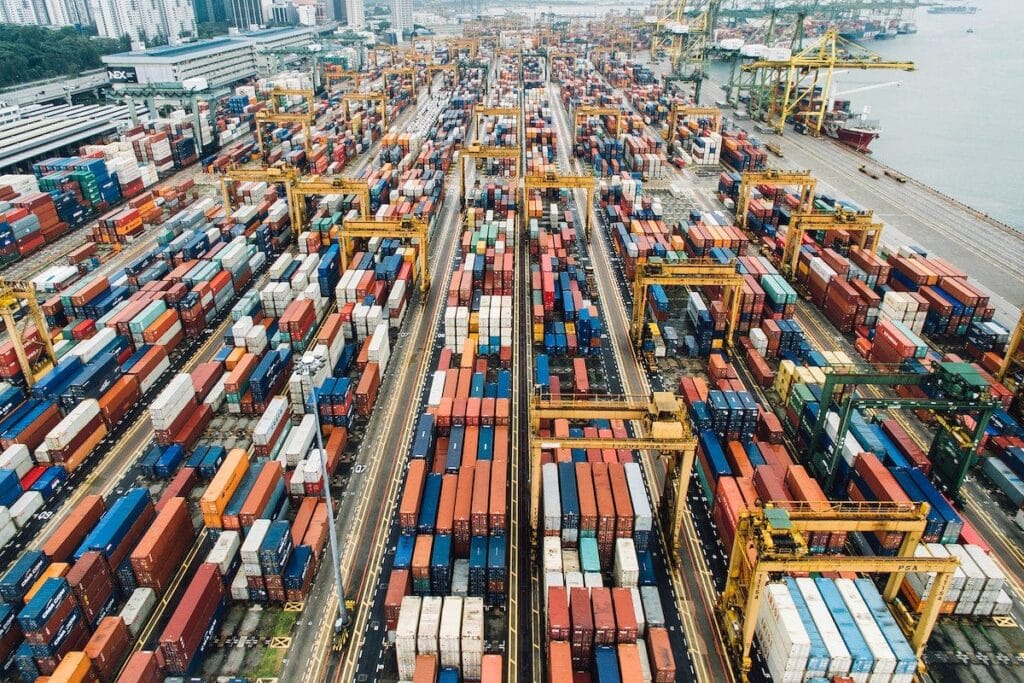
Freight is the wild card in PPE pricing. While ocean freight has eased from pandemic highs, rates remain unpredictable due to:
- Port congestion from labor strikes (notably in European ports in 2024)
- Seasonal demand spikes before Lunar New Year and peak retail seasons
- Fuel surcharges linked to global oil prices
Example:
A Canadian workwear buyer budgeted $5,500 for a 40-foot container from Shanghai in late 2024, only to see the rate jump to $6,800 after a sudden port slowdown in Singapore.
4. Compliance and Certification Costs
Post-pandemic, the EU, US, and Japan have all tightened PPE compliance requirements.
- New EN standard revisions require more frequent retesting, adding costs.
- ISO and ANSI updates for specific PPE categories have extended testing cycles and increased documentation needs.
Example:
A French glove importer now spends an extra €4,000 annually just on EN 374 and EN 388 retesting to keep products eligible for public tenders.
5. Currency Fluctuations
If you’re paying in USD but selling in EUR or GBP, exchange rates can wipe out your margins.
- The USD strengthened against the EUR in early 2025, raising effective prices for EU buyers sourcing from USD-based suppliers.
- Hedging tools can mitigate this, but many smaller buyers still overlook it.
Example:
An Italian PPE buyer saw costs jump 3% overnight when the EUR weakened, even though FOB prices stayed the same.
Regional Price Trends
Global PPE price movements aren’t uniform—they vary widely by sourcing region.
| Region | Price Trend | Key Drivers |
|---|---|---|
| China | Stable to slight increase | Energy costs, stricter compliance rules, high production capacity |
| Vietnam | Moderate increase | Wage growth, strong demand for high-compliance apparel |
| Bangladesh | Rising for complex PPE | Wage hikes, slower lead times, less capacity for technical fabrics |
| Turkey | Variable | Currency fluctuations, fast EU delivery, good for smaller batches |
| Eastern Europe | Stable to mild increase | High labor costs offset by fast delivery and lower freight expenses |
Buyer Tip: If your PPE relies heavily on compliance documentation and precision manufacturing, China remains the most reliable—though not always the cheapest—option in 2025.
Strategies to Manage Costs
In a market where so many variables are out of your control, cost management is about locking in what you can and building flexibility for what you can’t. The buyers who keep margins healthy in 2025 aren’t just finding “cheaper” suppliers—they’re using smarter purchasing strategies.
1. Forward-Book Materials
Secure prices for cotton, polyester, or nitrile before peak seasons.
- Example: A UK uniform distributor booked 80% of their cotton requirement for 2025 in November 2024. Even when cotton prices rose 9% in Q2, they maintained stable unit costs.
- Buyer Tip: This works best for predictable SKUs where fabric composition won’t change.
2. Long-Term Supplier Contracts
Negotiate fixed pricing for 6–12 months on core items.
- Example: A German construction PPE buyer locked in glove prices for a year with a Chinese supplier, avoiding a 7% increase that hit spot orders.
- Buyer Tip: Build in clauses for extraordinary events, so both sides have a clear renegotiation path.
3. Diversify Sourcing Locations
Adopt a China +1 or multi-country approach.
- Example: A French importer sources high-compliance rainwear from China and simpler cotton coveralls from Bangladesh, balancing cost and reliability.
- Buyer Tip: Use separate suppliers for high-risk and low-risk items to keep complexity manageable.
4. Optimize Freight
Small changes in shipping strategy can cut costs without touching product specs.
- Example: A Canadian buyer saved $3,200 annually by consolidating orders from two Chinese suppliers into one container per quarter.
- Buyer Tip: Book freight 4–6 weeks ahead for sea shipments and mix FCL (full container load) with LCL (less than container load) where appropriate.
5. Hedge Currency Risk
If your sourcing currency and selling currency don’t match, protect yourself.
- Example: An Italian safety footwear buyer locked in EUR/USD exchange rates for a six-month period, avoiding a 4% cost increase during a currency dip.
Common Procurement Mistakes
Even seasoned buyers fall into traps that quietly eat away at margins:
-
Chasing the Lowest Quote Only
Often leads to delays, quality issues, or compliance failures that cost far more than the savings. -
Ignoring Material Origin
Knowing whether polyester is virgin or recycled isn’t just about sustainability—it affects price trends. -
Skipping Component Cost Tracking
Reflective tape, zippers, and packaging can fluctuate in cost independently of the main fabric. -
Overlooking Hidden Freight Costs
Fuel surcharges, port fees, and demurrage can turn a “cheap” shipment into an expensive one. -
Not Monitoring Compliance Costs
Each new standard revision can add unexpected testing fees.
Cost-Benefit Snapshot
| Strategy | Annual Saving Potential | Example |
|---|---|---|
| Forward material booking | 3–7% | Locked in cotton prices before seasonal spike |
| Long-term contracts | 5–10% | Avoided mid-year glove price hike |
| Freight optimization | 2–5% | Consolidated shipments into fewer containers |
| Currency hedging | 1–3% | Protected against EUR/USD fluctuation |
| Supplier diversification | Prevented loss | Shifted orders during regional disruption, avoiding late penalties |
Buyer FAQ
Q1: Will recycled polyester prices drop this year?
A: Not significantly. Supply is still limited, and demand from both apparel and home textile industries keeps prices firm.
Q2: Is it worth switching production countries for cost savings?
A: Only if quality and compliance remain intact—otherwise, savings can be wiped out by rework or lost contracts.
Q3: How far ahead should I lock in prices?
A: 6–12 months for stable SKUs; for volatile materials, consider quarterly adjustments.
Q4: Can freight rates really swing that much?
A: Yes—on some Asia–EU lanes, rates have moved over $1,000 per container in a single month.
Procurement Checklist
- [ ] Monitor raw material price reports monthly
- [ ] Review wage updates in key production hubs
- [ ] Get supplier quotes that break down material, labor, and compliance costs
- [ ] Book freight early and explore consolidation options
- [ ] Hedge currency for large or long-term contracts
- [ ] Build relationships in more than one sourcing country
- [ ] Track compliance testing schedules and fees for each product
- [ ] Keep a rolling 12-month cost forecast for top SKUs
Conclusion
PPE and workwear prices in 2025 may not see the wild swings of the pandemic years, but they’re not going back to “the old normal” either. Higher labor costs, stricter compliance rules, and selective raw material shortages will keep upward pressure on prices—especially for high-spec items.
The buyers who will thrive are those who treat cost control as an ongoing process, not a once-a-year negotiation. That means forward-booking materials, locking in reliable suppliers, managing freight smartly, and staying alert to every factor that shapes your landed cost.
📩 Need competitive, EN-compliant PPE pricing with stable supply?
Email: [email protected]
🌐 www.workwearsolutions.net

 Color Consistency: The Delta-E Standard and the End of the “Clown Suit” Effect2026年2月4日In the corporate world, a uniform is a brand’s […]
 Why Zippers Fail (and How We Prevent It): The Engineering of Closure Reliability2026年2月4日In the hierarchy of industrial garment components, the […]
 The Anatomy of a Seam: Engineering Durability at the Needle Point2026年2月4日In the world of industrial workwear, the fabric gets all […]
 Future Lab PPE Trends: The Convergence of Lightweight Protection & Sustainability2026年1月28日In the sterile corridors of pharmaceutical R&D, biotech […]
 Chemical Protection Classes A/B/C: The Definitive Guide to Risk-Based PPE Selection2026年1月28日In the hazardous materials (HazMat) industry, […]
 Freezer Gloves & Boots Trends: The Intersection of Thermal Physics and Grip Technology2026年1月28日In the unforgiving environment of a -30°C cold storage […]