

In the medical and pharmaceutical sectors, workwear is not clothing; it is a Medical Device. Whether in a high-stakes operating theatre or a sterile injectable manufacturing facility, the human body is the primary source of contamination. A single skin flake falling into an open wound can cause a Surgical Site Infection (SSI). A lint fiber landing in a vaccine vial can trigger a massive product recall.
Modern medical textiles must solve a complex engineering paradox: they must act as an impenetrable shield against fluids and bacteria from the outside, while simultaneously acting as a filter to contain particles and bacteria shed by the wearer, all without suffocating the professional during a 12-hour shift.
This guide combines Part 1 (Microbiology & Material Science) and Part 2 (Strategic Sourcing & Compliance) to provide a complete decision-making toolkit for sourcing Sterile, Low-Lint, and Fluid-Resistant PPE.
Google Snippet: Quick Answer
Sterile & Low-Lint medical workwear requires a balance of filtration efficiency, fluid resistance, and particle containment. Key specifications include EN 13795 (Surgical Drapes/Gowns) for barrier performance, ISO 14644 for particulate limits (low-linting), and EN 14126 for protection against infective agents. The industry standard materials are SMS (Spunbond-Meltblown-Spunbond) for single-use and High-Density Microfilament Polyester with carbon threads for reusables to prevent static and linting.
1. The Triple Threat: Contamination, Infection, and Strike-Through
The Particle Threat (Lint & Skin)
- The Source: Humans shed 30,000 to 40,000 skin cells per minute. Cotton scrubs shed thousands of cellulosic fibers (lint).
- The Risk: In pharmaceutical manufacturing (e.g., Insulin, Vaccines), particles act as vectors for bacteria. In surgery, cotton lint can cause granulomas or embolisms if it enters the patient’s body.
- The Requirement: Zero-Linting fabrics (continuous filament synthetics) that trap human particles inside the suit.
The Biological Threat (Bacteria & Viruses)
- The Source: Blood, saliva, and bodily fluids carrying pathogens (HIV, Hepatitis, MRSA).
- The Risk: "Strike-Through." If a surgeon leans against a wet drape and the fluid penetrates the fabric to their skin, the sterile barrier is breached.
- The Requirement: Hydrostatic Pressure Resistance (>20cm H2O) to prevent liquid penetration under pressure.
The Process Threat (Sterility Assurance)
- The Challenge: The garment must withstand sterilization (Steam Autoclave at 134°C or Gamma Irradiation) without degrading its physical strength or barrier properties.
2. Relevant Standards for Medical & Pharma PPE
The regulatory landscape is strict. A garment failing these standards is not just a bad product; it is a legal liability.
| Standard | Title | Critical Metrics |
|---|---|---|
| EN 13795 | Surgical Clothing & Drapes | Defines "Standard Performance" vs. "High Performance" based on burst strength and microbial penetration (Dry/Wet). |
| EN 14126 | Protective Clothing against Infective Agents | Uses a bacteriophage (virus) penetration test under pressure (ISO 16604). Essential for epidemic response. |
| ISO 9073-10 | Linting Generation | Measures the release of particles (lint) in the dry state. Crucial for cleanrooms and ORs. |
| AAMI PB70 | Liquid Barrier Performance (USA) | Levels 1–4. Level 4 passes the viral penetration test (ASTM F1671). |
| EN 20811 | Hydrostatic Head Test | Measures resistance to water penetration in centimeters (e.g., >20cm for surgical gowns). |
3. Material Science: The Architecture of Protection
Cotton is dead in this sector. The future belongs to engineered synthetics.
A. SMS (Spunbond-Meltblown-Spunbond) – The Disposable Standard
- Structure: A sandwich of three layers.
- Outer Spunbond: Strength and abrasion resistance.
- Middle Meltblown: A dense web of microfibers that acts as the bacterial and fluid filter.
- Inner Spunbond: Comfort against the skin.
- Pros: Excellent fluid barrier, single-use sterility guarantee.
- Cons: Environmental waste, heat retention (not breathable).
B. High-Density Microfilament Polyester – The Reusable Standard
- Structure: Tightly woven continuous filament polyester (often with carbon grid for anti-static).
- Mechanism: The weave is so tight (pore size < 5 microns) that water droplets cannot pass through, but water vapor (sweat) can escape.
- Pros: Reusable (70+ wash/sterilization cycles), low-linting, breathable, sustainable.
- Cons: Requires a validated laundry process to maintain barrier properties (re-fluorination).
C. Laminates (Microporous Films)
- Structure: A polyethylene film bonded to a non-woven base.
- Pros: Absolute viral barrier (passes EN 14126).
- Cons: Zero breathability ("Sweat Box"). Used only for short-duration, high-risk tasks (e.g., Ebola response).
4. Case Study Comparisons by Medical Segment
| Segment | The Hazard | Garment Solution | Operational Outcome |
|---|---|---|---|
| Operating Theatre (Orthopedics) | High fluid volume, heavy physical exertion, bone fragments. | Reinforced SMS Gown (Level 4). Reinforced zones on chest and sleeves. | Safety: Zero strike-through incidents during 4-hour surgeries. Comfort: Breathable back panel to reduce heat stress. |
| Pharma Injectables (Grade A/B) | Zero tolerance for particles/bacteria in the vial. | Sterile Cleanroom Coverall (Tyvek® or Microfilament). Hood + Boots integrated. | Yield: Batch contamination reduced by 90% by switching from cotton scrubs to full sterile suits. |
| Central Sterile Supply (CSSD) | Steam, chemicals, handling sharp instruments. | Liquid Resistant Scrub Suit (Re-usable Microfiber). | Durability: Suits withstood 100 autoclave cycles without linting, replacing disposables. |
| Emergency Room (Trauma) | Unpredictable fluid splashes, rapid movement. | Fluid-Repellent Scrub Suit + Apron. | Agility: 4-way stretch antimicrobial fabric allowed movement while repelling blood splatter. |
5. Common Procurement Mistakes in Sterile PPE
| Mistake | Impact | Prevention Tip |
|---|---|---|
| Confusing "Clean" with "Sterile" | Buying "Clean" gowns (low particle) for surgery. They are not sterile and will cause infection. | Ensure the packaging says "STERILE EO" (Ethylene Oxide) or "STERILE R" (Radiation). Check the red indicator dot. |
| Ignoring Linting (The "Cotton" Trap) | Using cotton scrubs under sterile gowns. Cotton releases lint that carries bacteria into the air. | Mandate Low-Linting Under-Scrubs (Polyester/Tencel blends) for all OR staff. |
| Overlooking Seam Sealing | Buying a waterproof fabric with stitched seams. Needle holes leak fluids. | For high-fluid risk, seams must be Ultrasonic Welded or Taped. |
| One-Size-Fits-All Gowns | Too large = sterile field contamination (dragging). Too small = exposed back/wrists. | Source gowns with Raglan Sleeves and extended cuffs for universal fit. |
| Neglecting Static | Synthetic gowns build static, attracting dust or sparking with oxygen. | Ensure fabric contains 1% Carbon Fiber (Conductive yarn) for static dissipation. |
Real World Example: A regional hospital laundry processed reusable surgical gowns using standard detergent. The chemicals stripped the DWR (Durable Water Repellent) finish.
- Result: During surgery, blood soaked through the gowns instantly.
- Correction: Implemented a "Re-Proofing" cycle in the laundry to restore the fluorocarbon finish after every wash.
6. ROI Analysis: Disposable vs. Reusable
The debate is fierce: Single-use (SMS) vs. Reusable (Microfiber).
Scenario: A hospital performing 10,000 surgeries per year.
| Metric | Disposable System (SMS) | Reusable System (Microfiber) |
|---|---|---|
| Unit Cost | $4.00 per gown | $45.00 per gown |
| Usage | 10,000 purchases/year | 150 purchases (Lifespan: 75 washes) |
| Processing Cost | $0 (Disposal is the cost) | $1.50 per wash/sterilization |
| Waste Disposal | High Cost (Incineration of bio-hazard) | Low (End-of-life recycling) |
| Total Annual Cost | $40,000 + Disposal Fees | $29,250 (Wash + Amortization) |
| Sustainability | High Carbon Footprint | 60% Lower Carbon Footprint |
Verdict: Reusables offer a better ROI if you have access to a validated sterilization laundry. If not, disposables are the only safe option.
7. Buyer Checklist for Sterile & Low-Lint Gear
Barrier Performance:
- [ ] Fluid Resistance: Does it meet EN 13795 "High Performance" for critical zones (chest/sleeves)?
- [ ] Viral Barrier: Does it pass ASTM F1671 (Bacteriophage test) if used for infectious disease?
Physical Properties:
- [ ] Linting: Helmke Drum Test result (Category I or II)?
- [ ] Tensile Strength: Will it rip when donning? (Wet/Dry strength).
- [ ] Comfort: What is the RET (Breathability) score?
Sterility Assurance:
- [ ] Validation: Is the sterilization process validated to ISO 11135 (EtO) or ISO 11137 (Radiation)?
- [ ] Packaging: Is the sterile barrier system (pouch) intact and double-wrapped for aseptic opening?
Traceability:
- [ ] Lot Number: Can you trace a specific gown back to the sterilization batch?
8. Frequently Asked Questions (FAQ)
Q1: Can I wash disposable SMS gowns? A: Absolutely Not. The meltblown filter layer is destroyed by water and detergent. Washing turns a protective gown into a sieve.
Q2: What is the difference between AAMI Level 3 and Level 4? A:
- Level 3: Resists fluid penetration at moderate pressure (e.g., leaning on a patient).
- Level 4: Resists Viral Penetration (e.g., HIV/Hepatitis) even under high pressure. Mandatory for orthopedic/trauma surgery.
Q3: Why do reusable gowns need "Grid" fabric? A: The grid pattern usually indicates Carbon Threads. This prevents electrostatic discharge (ESD), which can interfere with sensitive medical equipment or cause sparks in oxygen-rich environments.
Q4: How do I know when to retire a reusable gown? A: Most reusable gowns have a "Grid Grid" or barcode system. After each wash, a dot is marked. Once it hits the limit (e.g., 75 washes), or if the hydrophobic finish fails a spray test, it is downgraded to non-sterile use or recycled.
Q5: Are "Antimicrobial" fabrics necessary? A: They are an added layer of defense (preventing bacteria growth on the fabric), but they do not replace the need for a physical barrier. A barrier stops the virus; antimicrobial fabric just kills what sits on the surface.
9. Advanced Sourcing Strategies
-
Vertical Integration Audit: Source from manufacturers who make their own fabric (especially for SMS). Supply chain disruptions often hit non-integrated converters hardest.
-
The "Pack" Strategy: Don’t just buy gowns. Buy Custom Procedure Packs (CPTs) that include the gown, drapes, towels, and mayo stand covers in one sterile block. This reduces packaging waste and setup time.
-
Sustainability focus: Ask for "Blue-SMMS" or similar down-gauged fabrics that use 20% less plastic without losing barrier properties. This lowers your hospital’s waste tonnage.
10. Conclusion
In the medical field, a garment failure is a patient safety event.
Procuring Sterile & Low-Lint Workwear is not about finding the cheapest fabric; it is about engineering a defense system against the invisible. Whether you choose the convenience of SMS or the sustainability of Microfiber, the non-negotiables are Barrier Integrity, Lint Control, and Sterility Assurance.
Protect the process to protect the patient.
📩 Need help setting up a Sterile Gown Program or auditing a Cleanroom Laundry? We specialize in high-barrier medical textiles and contamination control. Email: [email protected] 🌐 www.workwearsolutions.net

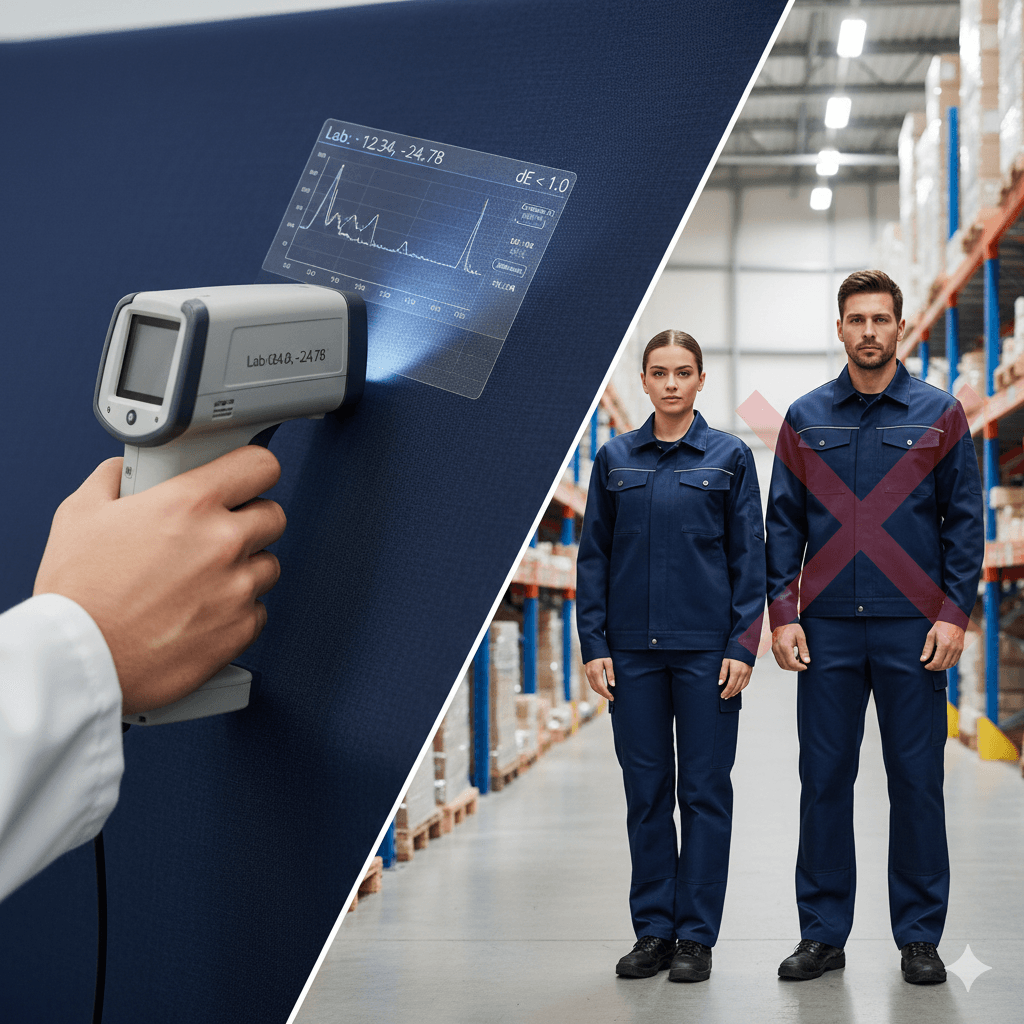 Color Consistency: The Delta-E Standard and the End of the “Clown Suit” Effect2026年2月4日In the corporate world, a uniform is a brand’s […]
 Why Zippers Fail (and How We Prevent It): The Engineering of Closure Reliability2026年2月4日In the hierarchy of industrial garment components, the […]
 The Anatomy of a Seam: Engineering Durability at the Needle Point2026年2月4日In the world of industrial workwear, the fabric gets all […]
 Future Lab PPE Trends: The Convergence of Lightweight Protection & Sustainability2026年1月28日In the sterile corridors of pharmaceutical R&D, biotech […]
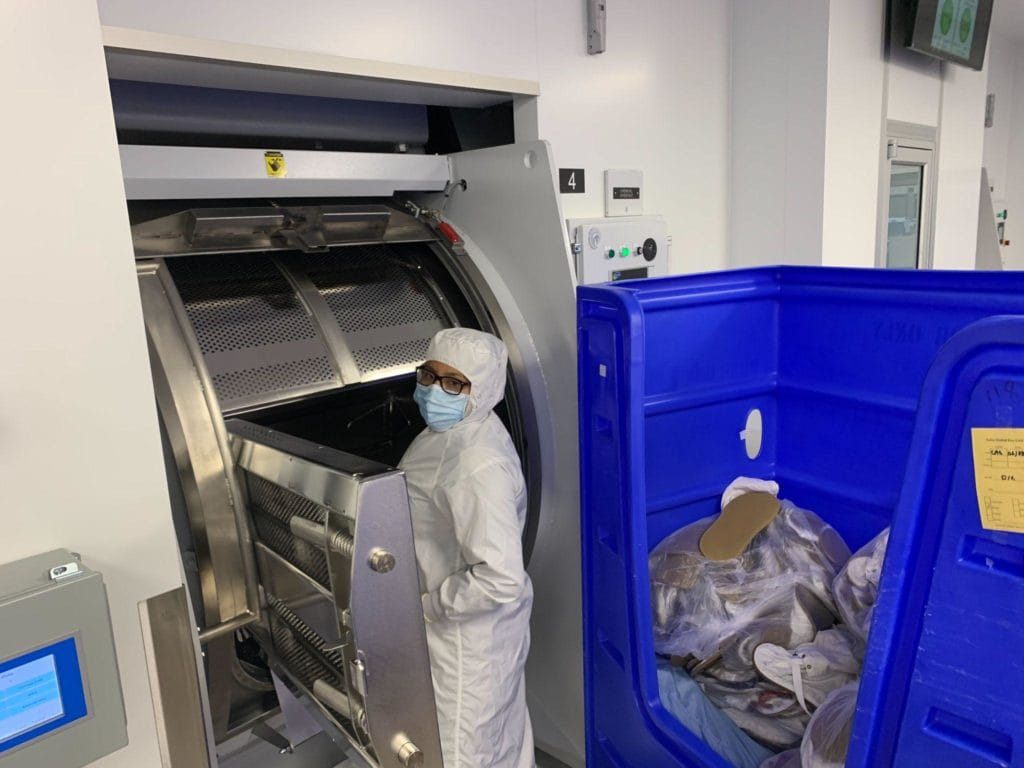 Chemical Protection Classes A/B/C: The Definitive Guide to Risk-Based PPE Selection2026年1月28日In the hazardous materials (HazMat) industry, […]
 Freezer Gloves & Boots Trends: The Intersection of Thermal Physics and Grip Technology2026年1月28日In the unforgiving environment of a -30°C cold storage […]