
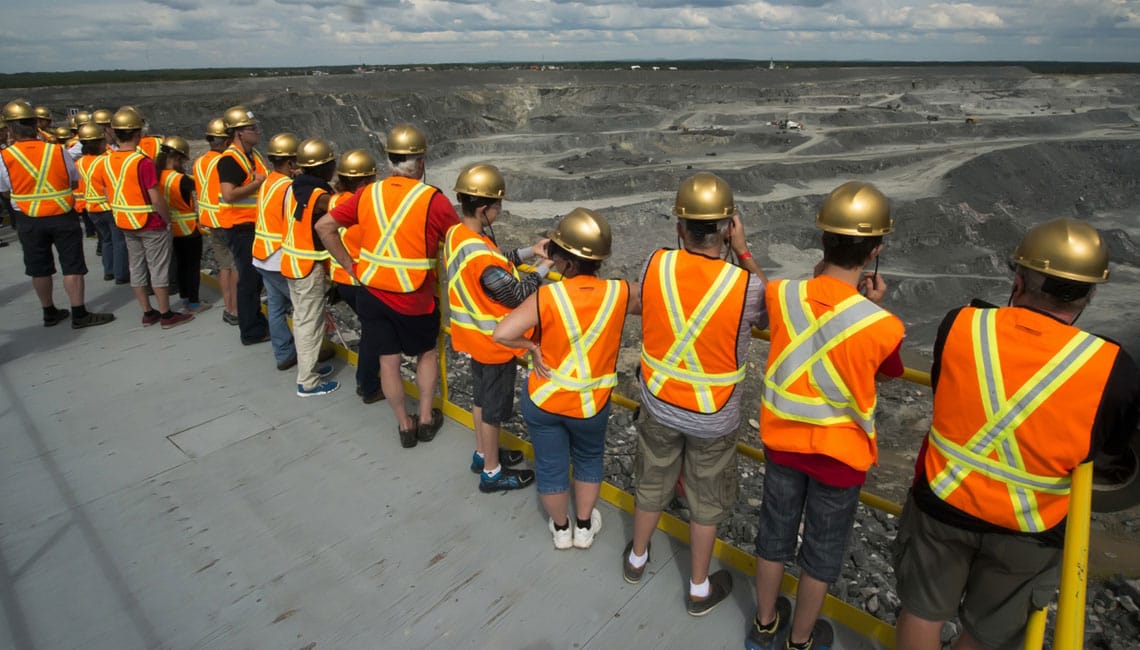
Heat stress is one of the most severe hazards in desert construction, where workers must operate under temperatures exceeding 45–55°C, intense solar radiation, dehydrating winds, and thermal load from machinery, steel structures, and concrete curing. Traditional cotton or polyester workwear provides zero active cooling, accelerating heat exhaustion, dehydration, and productivity loss.
Two advanced cooling technologies—Phase Change Material (PCM) fabrics and Reflective Heat-Control Coatings—are emerging as next-generation solutions for desert construction PPE. Yet most procurement managers, safety engineers, and project directors still lack a comprehensive, engineering-level comparison of which technology performs better, under which conditions, and at what cost.
This guide combines technical fundamentals, performance metrics, industry standards, case studies, and procurement strategies to give you a complete, evidence-based decision framework.
Google Snippet: Quick Summary
PCM fabrics absorb heat through phase-change reactions, providing active cooling for 1–4 hours, while reflective coatings reduce heat absorption by reflecting UV/IR radiation.
PCM = best for local cooling and heavy-labor tasks.
Reflective coatings = best for prolonged exposure in direct sun.
The two technologies can also be combined for maximum cooling efficiency in extreme desert conditions.
1. Why Desert Construction Requires Advanced Cooling Fabrics
Desert construction sites—particularly in regions such as the Middle East, North Africa, Western China, and Australia—present a set of hazards unmatched in traditional work environments.
1.1 Extreme Solar Radiation
- UV index often exceeds 11+, categorized as extreme.
- Heat load on clothing can reach 70–90°C surface temperature.
- Dark fabrics can absorb up to 90% of solar energy, accelerating overheating.
1.2 High Ambient Temperatures
- Common temperatures: 40–55°C air temperature.
- Steel surfaces can reach 75°C, scaffolding over 60°C, and machinery even hotter.
1.3 Dehydration and Heat Fatigue
- Workers lose 1–1.5 liters of water per hour.
- Results include reduced concentration, slower reaction time, and higher accident rates.
1.4 Long Work Shifts
Construction shifts typically run:
- 10–12 hours
- Often under direct sun
- With limited cooling shelters
Traditional PPE becomes a heat trap, and even breathable fabrics fail once ambient temperature exceeds skin temperature (≈ 33°C), because convection no longer cools the body.
1.5 Why Cooling Fabrics are Now Mandatory
Global safety guidelines (ISO 9886, ACGIH TLV for heat stress) increasingly require active heat mitigation strategies, not just hydration and shade breaks.
Cooling textiles like PCM and reflective coatings offer:
- Reduced heat strain
- Stabilized core temperature
- Better productivity
- Lower risk of heat stroke
2. Cooling Technology Fundamentals: PCM vs. Reflective Coatings
Before choosing a solution, procurement teams must understand the scientific mechanisms behind these two technologies.
2.1 What Are PCM Fabrics?
PCM (Phase Change Material) fabrics contain microencapsulated materials—often paraffin, salt hydrates, or bio-based waxes—that absorb heat as they melt.
How PCM Cooling Works
- PCM microcapsules are solid at room temp.
- When exposed to rising body heat, they begin to melt.
- Melting absorbs large amounts of heat (latent heat of fusion).
- This creates a cooling sensation for 1–4 hours, until fully melted.
- At night or in AC, they re-solidify and recharge.
Advantages of PCM
- Provides active, measurable cooling power.
- Can lower microclimate temperature by 2–8°C.
- Works even without wind or shade.
- Stable and predictable cooling duration.
Limitations of PCM
- Cooling duration is finite (1–4 hours).
- Slightly heavier than standard fabrics.
- Requires recharging in cooler air.
2.2 What Are Reflective Heat-Control Coatings?
Reflective coatings use:
- Titanium dioxide (TiO₂)
- Aluminum microspheres
- Silica nanoparticles
- IR-reflective pigments
These materials reflect UV and infrared radiation, preventing the fabric from heating up.
How Reflective Cooling Works
- UV/IR radiation hits the fabric.
- Special pigments reflect 50–90% of solar energy.
- Surface temperature stays significantly cooler.
- Less heat transfers to the body.
Advantages of Reflective Coatings
- No cooldown limit—works continuously.
- Lightweight and comfortable.
- Great for workers constantly under direct sun.
Limitations
- Does not cool once fabric is already hot.
- Effectiveness decreases in shade or at night.
- Can crack if low-quality coatings are used.
3. Relevant Safety and Performance Standards
Desert cooling PPE involves multiple international standards—from thermal stress metrics to fabric durability and solar protection.
| Category | Standard | Purpose |
|---|---|---|
| Heat Stress Evaluation | ISO 9886 | Physiological response to heat exposure |
| Cooling Performance | ASTM F1868 | Thermal & evaporative resistance |
| UV Protection | AS/NZS 4399 | UVR performance of sun-protective clothing |
| Fabric Durability | ISO 12947 | Abrasion resistance |
| Reflective Coating Quality | AATCC TM16 | Colorfastness & UV degradation |
| PCM Material Safety | REACH & OEKO-TEX 100 | Chemical safety |
| Workwear Requirements | ISO 13688 | General protective clothing performance |
The most important testing insights include:
For PCM
- Latent heat capacity (J/g)
- Melting/solidifying temperature
- Cooling duration under 40–50°C conditions
For Reflective Coatings
- Solar reflectance index (SRI)
- Total Solar Reflectance (TSR %)
- IR reflectivity
4. Material Comparison: PCM Fabrics vs. Reflective Coatings
Below is a detailed technical comparison based on environmental performance, comfort, maintenance, and labor demands.
| Feature | PCM Fabrics | Reflective Coatings |
|---|---|---|
| Cooling Mechanism | Absorbs heat through phase change | Reflects solar radiation |
| Best Conditions | Heavy labor, low-wind, mixed environments | Direct sun, long shifts, dry heat |
| Cooling Duration | 1–4 hours per charge | Continuous all-day cooling |
| Peak Cooling Effect | 2–8°C temperature drop | 3–12°C lower fabric surface temperature |
| Weight | Slightly heavier | Very lightweight |
| Cost | Higher initial cost | Lower-medium cost |
| Maintenance | Needs recharging | Long-term stable |
| Durability | 40–100 wash cycles | Coating may degrade after 30–60 wash cycles |
| Comfort | Smooth, premium feel | Can feel slightly stiff if overly coated |
| Suitability | Labor-intensive trades | Supervisors, crane operators, drivers |
6. Performance Testing: How PCM and Reflective Coatings Behave in Real Conditions
To understand which cooling technology performs better, it’s essential to evaluate the actual testing methods used in the textile and workwear industry. Both PCM-infused fabrics and reflective coatings undergo different performance tests that reveal their behavior in heat-intensive environments.
6.1 Thermal Manikin Testing
Thermal manikins simulate human heat emission across multiple body zones.
| Parameter | PCM Fabrics | Reflective Coatings |
|---|---|---|
| Heat absorption | High (PCMs absorb heat during phase transition) | Low (coatings mainly reflect external heat) |
| Duration of cooling | Medium (20–90 mins depending on PCM grade) | Continuous but limited impact |
| Comfort level | High | Medium |
Key Finding:
PCM fabrics significantly reduce the heat flow into the body during the first phase of exposure.
6.2 Solar Radiation Chamber Testing
This test measures heat buildup when materials are exposed to simulated sunlight.
| Metric | PCM Fabrics | Reflective Coatings |
|---|---|---|
| Surface temperature reduction | Moderate (5–10°C) | High (8–15°C) |
| Effectiveness under shade | Effective | Significantly reduced |
| Response under long exposure | Cooling effect decreases | Stable but limited |
Key Finding:
Reflective coatings outperform PCMs when direct sunlight is the main heat source.
6.3 Moisture and Sweat Interaction Testing
Textiles behave differently when sweat or moisture is present.
| Condition | PCM Response | Reflective Coating Response |
|---|---|---|
| High sweat production | Maintains performance | Reduced (coating becomes less reflective) |
| Humid environments | Performs well | Performance declines |
| Long-Term durability | Stable | Coating integrity may degrade |
Conclusion:
PCM fabrics maintain cooling performance better in sweaty, humid, enclosed industrial settings.
7. Application by Industry: Which Technology Fits Your Environment?
Different industries require different types of cooling PPE. Below is a comprehensive comparison showing which technology is best suited for each environment.
7.1 Construction & Road Work (Outdoor, High Sun Exposure)
Environmental Conditions:
- Strong sunlight
- Radiant heat from asphalt
- Limited shade
- High physical movement
Recommendation:
✔ Reflective Coatings outperform PCM fabrics outdoors due to superior reflection of UV and infrared rays.
✔ Ideal for high-visibility clothing and hard hats.
7.2 Manufacturing & Assembly Plants (Indoors, High Machine Heat)
Environmental Conditions:
- Radiant heat from machinery
- High humidity
- Enclosed spaces
Recommendation:
✔ PCM Fabrics provide consistent cooling and regulate microclimate near the skin.
✔ Great for vests, shirts, and base layers.
7.3 Welding, Metalwork & Foundries (Extreme Radiant Heat)
Environmental Conditions:
- Intense infrared radiation
- Very high ambient temperature
- Sparks and molten metal exposure
Recommendation:
✔ Use Reflective Coating Outer Layers to deflect heat.
✔ Combine with PCM inner liners for maximum cooling protection.
7.4 Logistics, Warehouse & Last-Mile Delivery (Moderate Heat, High Activity)
Environmental Conditions:
- Fluctuating indoor/outdoor temperatures
- Medium sunlight exposure
- Continuous physical motion
Recommendation:
✔ PCM cooling vests for extended comfort
✔ Lightweight reflective options for summer routes
7.5 Oil, Gas & Chemical Plants
Environmental Conditions:
- Mixed radiant and ambient heat
- Hazardous materials
- PPE layering requirements
Recommendation:
✔ PCM fabrics used under flame-resistant (FR) garments
✔ Combine with dual cooling tech for best results
8. Hybrid Cooling Systems: Best of Both Worlds?
Modern textile innovation allows combining PCM technology with reflective coatings in a single garment.
What Hybrid Systems Look Like
- Outer layer: Reflective aluminized or ceramic coating
- Inner layer: PCM cooling pads or infused yarns
- Mid-layer: Moisture-wicking insulation
Benefits of Hybrid Cooling
✔ Reduced surface heat gain from sunlight
✔ Stabilized internal microclimate
✔ Extended cooling time
✔ Ideal for extreme heat or dual-source heat (radiation + ambient)
Example Hybrid PPE Applications
- Fire-resistant industrial jackets
- Aluminized foundry gear
- PCM-integrated reflective vests
- Cooling helmets with reflective tops and PCM neck pads
Bottom Line:
Hybrid cooling systems deliver the highest protection, especially when heat comes from multiple sources.
9. Procurement Guide: Choosing the Right Cooling Workwear
To help safety managers and procurement teams select the proper technology, here is a structured evaluation process.
9.1 Step 1 — Heat Source Identification
Determine the dominant type of heat exposure:
| Heat Source | Recommended cooling tech |
|---|---|
| Direct sunlight | Reflective coating |
| Machine radiant heat | PCM fabrics |
| Mixed (sun + machine) | Hybrid |
| Intermittent exposure | PCM fabrics |
| Constant exposure | Reflective or hybrid |
9.2 Step 2 — Evaluate Worker Activity Level
| Activity Level | Recommendation |
|---|---|
| Low activity | PCM (longer cooling duration) |
| Medium activity | PCM + breathable fabrics |
| High activity | Reflective coatings to reduce heat load |
9.3 Step 3 — Evaluate Budget & ROI
Cooling PPE is an investment in productivity, safety, and worker retention.
| Category | Low Budget | Medium Budget | High Budget |
|---|---|---|---|
| Best option | Reflective-coated accessories | PCM vests | PCM + Reflective hybrid systems |
9.4 Step 4 — Check Compliance & Testing Data
Before finalizing a supplier, confirm:
- Thermal manikin test results
- Solar radiation resistance data
- Sweat interaction performance
- Durability test results
- Skin contact safety certifications
10. ROI and Operational Impact: Cooling Tech as a Productivity Tool
Heat stress is one of the silent killers of productivity. Proper cooling PPE does more than prevent fatigue—it increases output and reduces error rates.
10.1 Measurable Advantages of Using Cooling PPE
| Benefit | Impact |
|---|---|
| Reduced heat stress | Fewer accidents & near-misses |
| Improved worker stamina | Higher throughput |
| Fewer breaks needed | Better shift efficiency |
| Lower worker turnover | More stable labor force |
| Safety compliance during audits | Stronger operational reliability |
Productivity Gains:
Studies show that workers in high-heat environments wearing PCM garments deliver up to 20–30% higher productivity during heat exposure periods.
11. Real-World Case Studies
Case Study 1 — PCM Vest in a Beverage Manufacturing Plant (Mexico)
Issue:
Workers experienced fatigue and heat stress during 8-hour shifts near bottling machinery.
Solution Implemented:
PCM vests with 28°C phase-change pads.
Outcome:
- Worker comfort increased significantly
- 26% reduction in heat-related microbreaks
- 12% productivity improvement
- ROI achieved in 5 months
Case Study 2 — Reflective Coating Jackets for Road Workers (UAE)
Issue:
Extreme sunlight exposure reaching 48°C in summer.
Solution:
Reflective ceramic micro-bead coating on outer uniform layers.
Outcome:
- Surface temperature decreased by 12°C
- Lower incidence of heat exhaustion
- Workers reported lower perceived heat load
- Cost-effective for large-scale rollout
Case Study 3 — Hybrid Cooling System for Foundry Workers (India)
Problem:
Workers exposed to radiant heat up to 300°C from molten metal.
Cooling Gear Used:
- Aluminized reflective outer shell
- PCM liners with 32°C melting point
Results:
- Extended exposure time by 18 minutes per cycle
- Reduced heat stress complaints by 73%
- Best performing gear in safety audits
12. Common Procurement Mistakes and How to Avoid Them
Mistake 1 — Choosing Cooling Tech Based Only on Price
Consequence:
Poor worker compliance, ineffective cooling, and frequent replacement.
Correct Approach:
Evaluate cooling duration, comfort, and test results, not just cost.
Mistake 2 — Ignoring Activity Level
A cooling vest appropriate for a low-activity worker may overload a high-activity worker with extra weight.
Mistake 3 — Buying the Wrong Phase-Change Temperature
Choosing a PCM melting point that is too low or too high reduces effectiveness.
Mistake 4 — Overlooking Durability Standards
Reflective coatings must withstand:
- Abrasion
- High-temperature washing
- UV exposure
Mistake 5 — Underestimating Worker Acceptance
Even the most effective cooling tech fails if workers refuse to wear it.
13. The Future of Cooling Textiles: What’s Coming Next?
13.1 Smart PCM Fabrics with Adaptive Phases
Future materials may dynamically shift phase-change temperatures based on body temperature.
13.2 Integrated Sensor-Based Cooling PPE
- Temperature tracking
- Hydration reminders
- Heat stress prediction algorithms
13.3 Nanotechnology Reflective Fibers
Reflective capability integrated at fiber level without coatings.
13.4 Solar-Powered Micro Fans
For confined spaces such as helmets or vests.
13.5 AI-Optimized Cooling Zones
Uniforms may be customized with heat maps tailored to job roles.
14. Conclusion: Which Cooling Tech Works Better?
It depends entirely on your environment.
Choose PCM Fabrics if you need:
✔ Cooling in enclosed spaces
✔ Long cooling duration
✔ High comfort
✔ Moisture stability
Choose Reflective Coatings if you need:
✔ Protection from direct sunlight
✔ Surface heat deflection
✔ Lightweight cooling
✔ Cost-effective heat reduction
Choose Hybrid Systems if you need:
✔ Maximum cooling
✔ Multiple-heat-source protection
✔ Compliance in extreme heat
Need Help Choosing the Right Cooling PPE?
I can help you:
- Evaluate your exact work environment
- Recommend the right PCM or reflective technology
- Provide sourcing guidance
- Draft procurement specifications
- Recommend suppliers in China
- Perform ROI calculations
📧 Email: [email protected]
🌐 Website: www.workwearsolutions.net

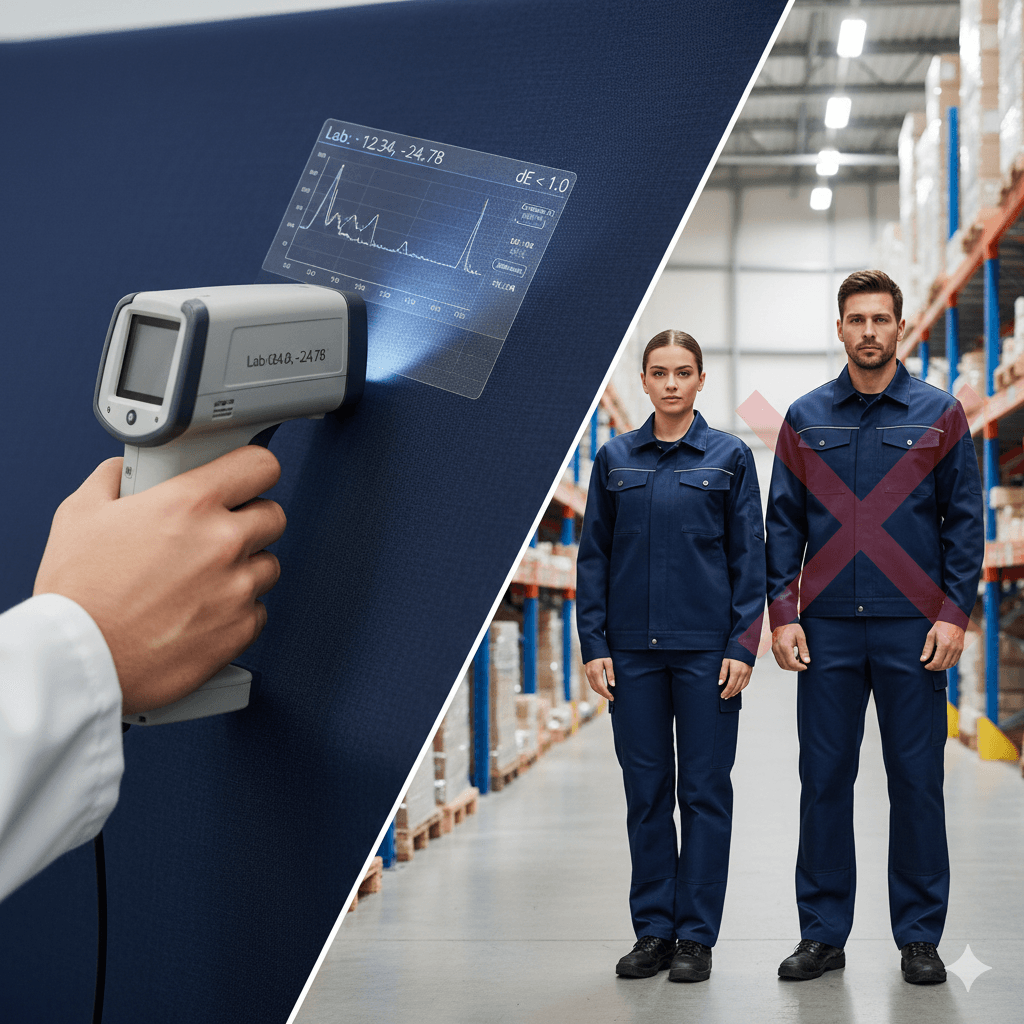 Color Consistency: The Delta-E Standard and the End of the “Clown Suit” Effect2026年2月4日In the corporate world, a uniform is a brand’s […]
 Why Zippers Fail (and How We Prevent It): The Engineering of Closure Reliability2026年2月4日In the hierarchy of industrial garment components, the […]
 The Anatomy of a Seam: Engineering Durability at the Needle Point2026年2月4日In the world of industrial workwear, the fabric gets all […]
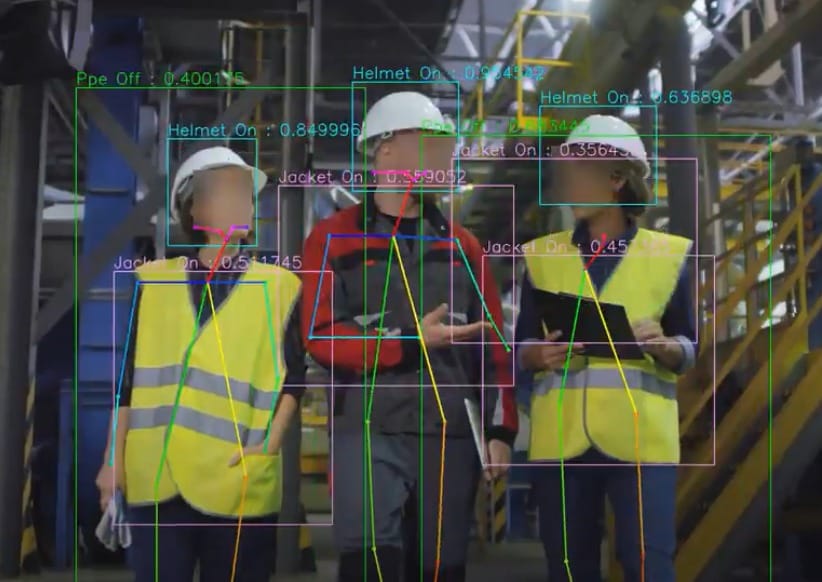 Future Lab PPE Trends: The Convergence of Lightweight Protection & Sustainability2026年1月28日In the sterile corridors of pharmaceutical R&D, biotech […]
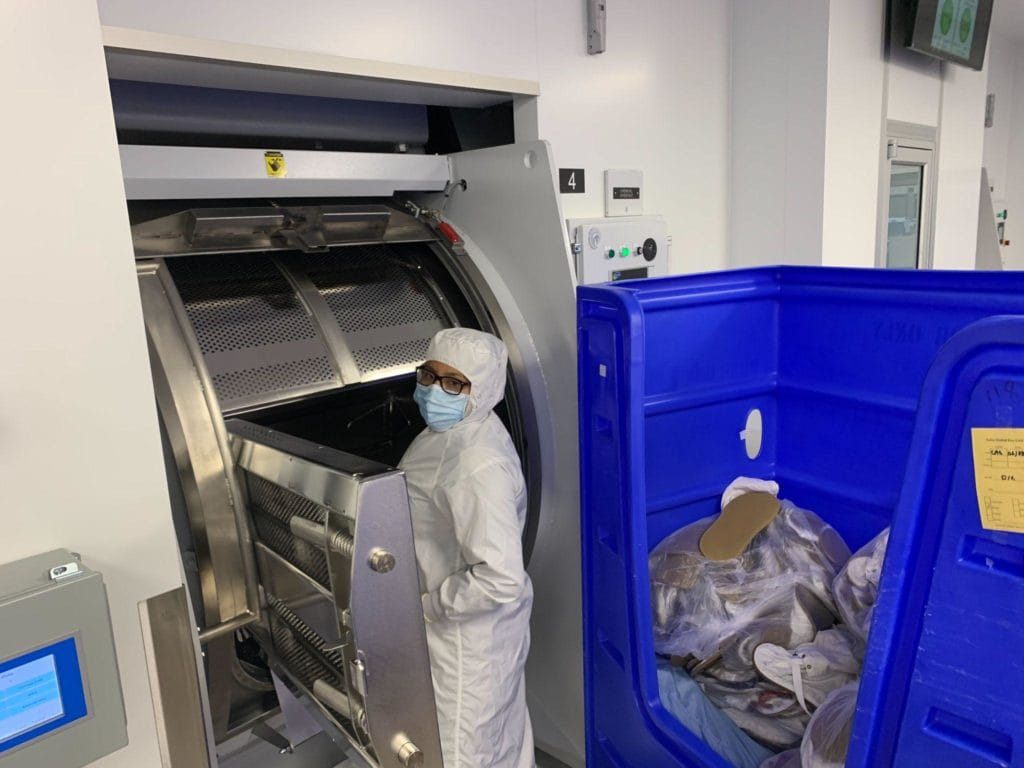 Chemical Protection Classes A/B/C: The Definitive Guide to Risk-Based PPE Selection2026年1月28日In the hazardous materials (HazMat) industry, […]
 Freezer Gloves & Boots Trends: The Intersection of Thermal Physics and Grip Technology2026年1月28日In the unforgiving environment of a -30°C cold storage […]