
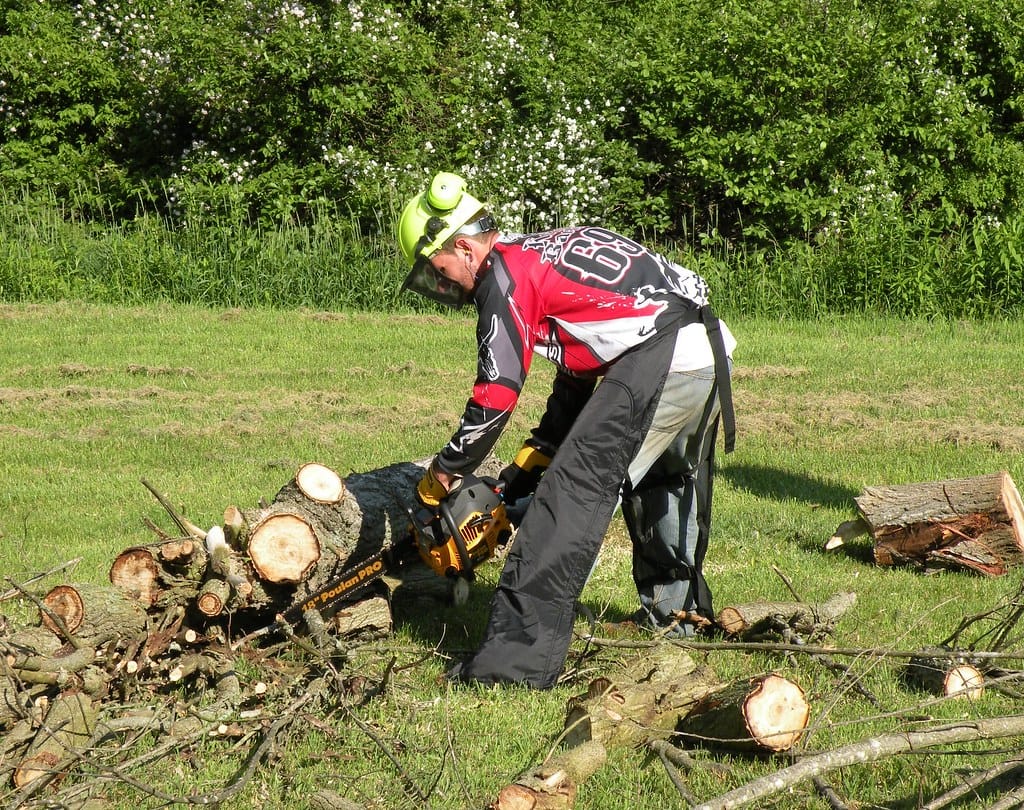
Chainsaw accidents can happen in less than a second, and the consequences are devastating. A chainsaw chain spinning at 20 m/s (45 mph) can cut through flesh and bone before the operator even reacts. Without the right protective equipment, an ordinary workday can end in life-changing injuries or fatalities.
Chainsaw protective gear isn’t just a safety recommendation—it’s critical protection that saves lives. This article explains why PPE is essential, what it includes, and how to make informed purchasing decisions.
Why Chainsaw Protective Gear Is Non-Negotiable
Every year, thousands of chainsaw operators suffer preventable injuries. According to the U.S. Consumer Product Safety Commission, there are 36,000 chainsaw-related injuries annually in the U.S., with:
- Leg injuries: ~70%
- Hand and arm injuries: ~20%
- Head and face injuries: ~10%
Real Case #1:
A forestry worker in British Columbia lost mobility in his left leg after a saw kickback incident. He was wearing standard work jeans, which offered zero protection. Recovery took 8 months and cost over $48,000 in treatment.Real Case #2:
A contractor in Sweden credits his certified chainsaw chaps for saving his life:
“The saw slipped while cutting overhead. My chaps jammed the chain instantly. Without them, I’d have lost my leg.”
Key takeaway: PPE costs a fraction of what a hospital stay, lawsuit, or lost productivity can cost.
Google Snippet: Essential Chainsaw PPE at a Glance
Chainsaw protective gear includes cut-resistant pants or chaps, boots with cut protection, helmets with face shields and earmuffs, anti-vibration gloves, and high-visibility clothing. These items prevent injuries from chain contact, falling branches, flying debris, and noise hazards.
Core Components of Chainsaw Protective Gear
1. Protective Pants and Chaps
- Engineered with layers of cut-resistant fibers (e.g., Kevlar®, Dyneema®)
- Fibers are designed to clog the saw’s drive sprocket, stopping the chain
- Available as full pants (maximum coverage) or wrap-around chaps (quick to wear/remove)
| Important: Choose the correct protection class based on saw chain speed: | Class | Chain Speed | Application |
|---|---|---|---|
| 0 | 16 m/s | Occasional use | |
| 1 | 20 m/s | Professional forestry | |
| 2 | 24 m/s | Heavy-duty operations |
Case Example:
A logging team in Norway reduced leg injuries by 90% after switching from jeans to Class 1 certified chainsaw pants.
2. Chainsaw Boots
- Reinforced with steel or composite toe caps
- Cut-resistant inserts to protect shins and ankles
- Deep-lug soles for traction on wet, uneven terrain
Standards:
EN ISO 17249 and ASTM F1818 for chainsaw resistance.
Pro Tip:
Select boots with waterproof membranes for all-weather logging.
3. Helmets and Face Protection
- Impact-rated helmets with integrated mesh visors and hearing protection
- Shields against falling limbs, flying chips, and noise hazards
- Compliant with ANSI Z89.1 or EN 397 standards
Case Example:
A U.K. arborist avoided severe eye trauma thanks to a helmet visor after a kickback caused wood fragments to fly.
4. Gloves
- Cut-resistant material on the left hand (most exposed during chain kickback)
- Anti-vibration padding to prevent HAVS (Hand-Arm Vibration Syndrome)
Why It Matters:
Prolonged vibration exposure can lead to permanent nerve damage.
5. High-Visibility Outerwear
- Bright jackets or vests to ensure visibility near roads or dense forests
- Meets ANSI/ISEA 107 or EN ISO 20471 visibility standards
Best Practice:
Choose hi-vis clothing that is also water-resistant for outdoor work.
Key Standards You Must Know
- EN ISO 11393: Chainsaw protective clothing
- ASTM F1897: Leg protection
- EN ISO 17249: Cut-resistant footwear
- ANSI Z89.1 / EN 397: Head protection
Buyer Alert:
Counterfeit PPE with fake labels is common—request lab test reports and certificates.
Common Mistakes to Avoid
- Assuming “thick denim” stops chains (FALSE)
- Ignoring proper fit (loose PPE can snag and cause accidents)
- Skipping helmet and hearing protection
- Buying PPE without verifying standards
Quick Procurement Checklist for Chainsaw PPE
- [ ] EN ISO 11393 or ASTM F1897-certified pants/chaps
- [ ] EN ISO 17249 boots with chainsaw resistance
- [ ] Helmet with visor + earmuffs (ANSI Z89.1 or EN 397)
- [ ] Anti-vibration gloves with cut protection
- [ ] High-visibility outerwear for roadside or forest work
- [ ] Care instructions and replacement intervals from supplier
- [ ] Certification documents and batch tracking for audits
Buyer FAQ
Q: Can motorcycle pants protect against chainsaws?
A: No. They are not engineered to jam a moving chainsaw.Q: When should helmets be replaced?
A: Every 3–5 years or immediately after impact.Q: What’s the main difference between pants and chaps?
A: Pants = full coverage for all-day use. Chaps = easy to remove, ideal for part-time or seasonal work.
Conclusion
Chainsaw protective gear saves lives, prevents lawsuits, and keeps productivity high. The cost of certified PPE is minimal compared to the cost of injuries. As a buyer, always prioritize standards compliance, proper fit, and durability—cheap gear isn’t a bargain when safety is on the line.
Need help sourcing EN ISO or ASTM-certified chainsaw PPE for your team?
Email: [email protected]
Website: www.workwearsolutions.net

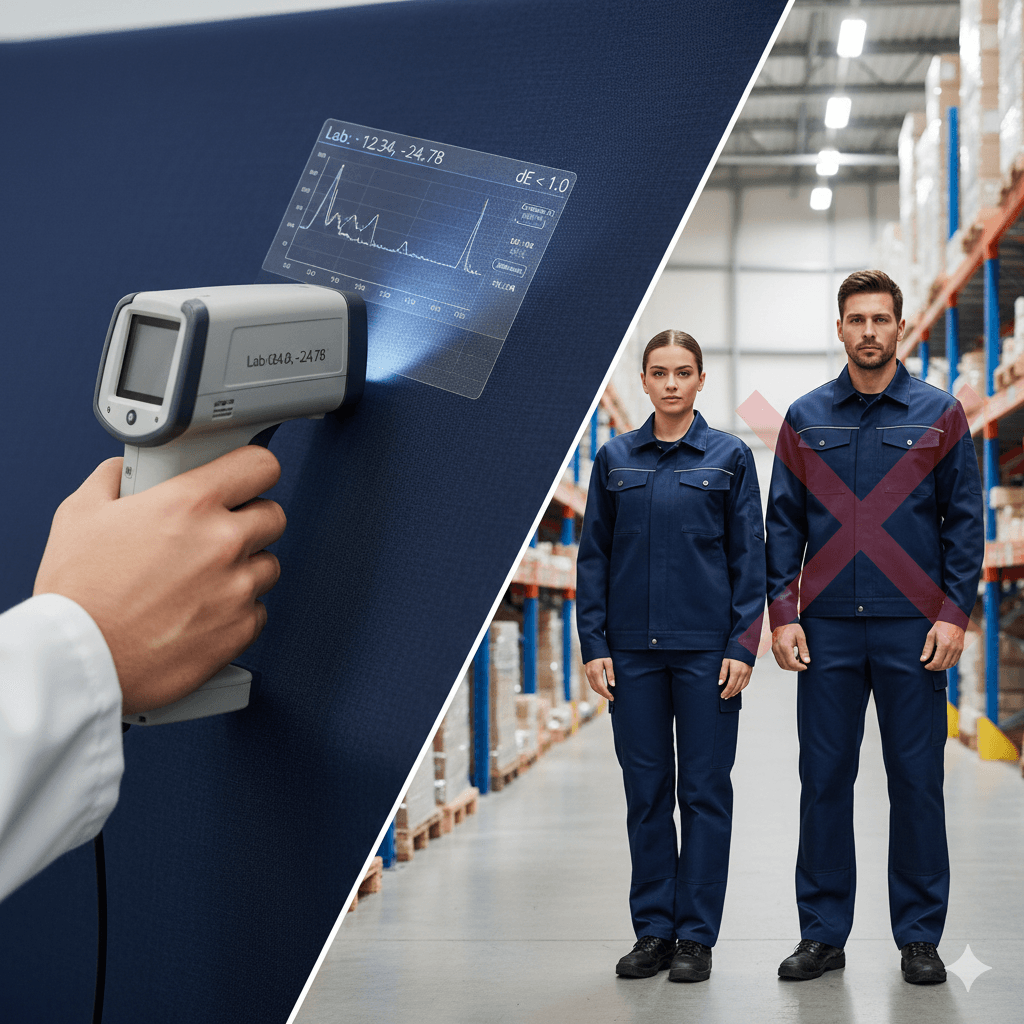 Color Consistency: The Delta-E Standard and the End of the “Clown Suit” Effect2026年2月4日In the corporate world, a uniform is a brand’s […]
 Why Zippers Fail (and How We Prevent It): The Engineering of Closure Reliability2026年2月4日In the hierarchy of industrial garment components, the […]
 The Anatomy of a Seam: Engineering Durability at the Needle Point2026年2月4日In the world of industrial workwear, the fabric gets all […]
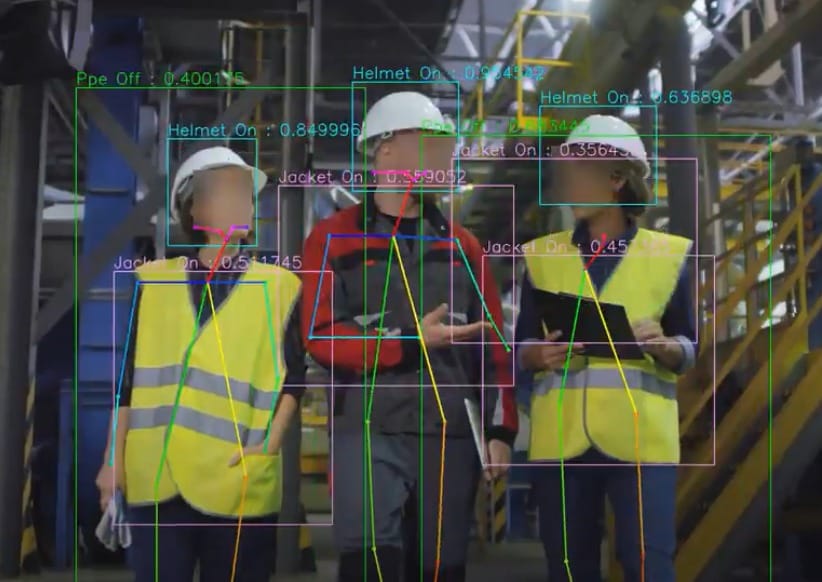 Future Lab PPE Trends: The Convergence of Lightweight Protection & Sustainability2026年1月28日In the sterile corridors of pharmaceutical R&D, biotech […]
 Chemical Protection Classes A/B/C: The Definitive Guide to Risk-Based PPE Selection2026年1月28日In the hazardous materials (HazMat) industry, […]
 Freezer Gloves & Boots Trends: The Intersection of Thermal Physics and Grip Technology2026年1月28日In the unforgiving environment of a -30°C cold storage […]