
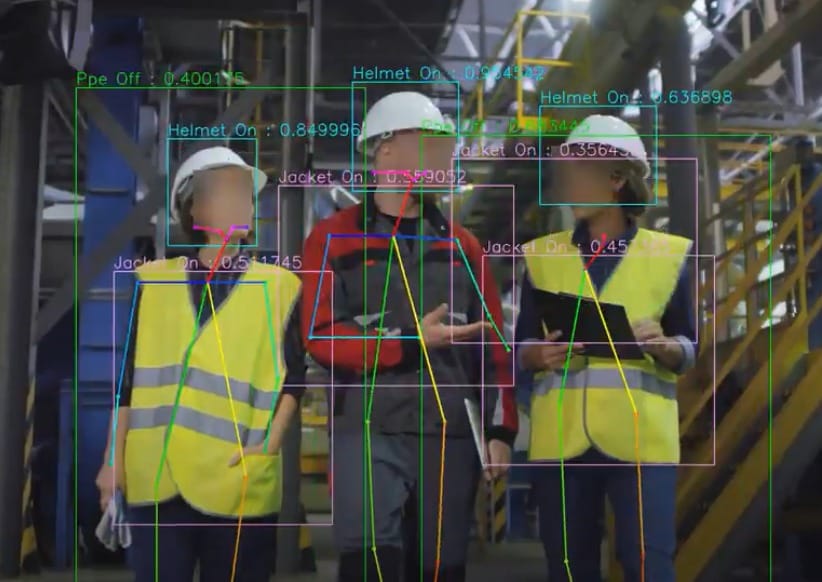
African oil fields present one of the most extreme combinations of heat, radiant exposure, chemical hazards, and high-risk operations in the global energy industry. Workers in regions such as Nigeria’s Niger Delta, Angola’s offshore platforms, Libya’s desert rigs, and South Sudan’s fields face daily temperatures surpassing 45°C, layered PPE requirements, and physically demanding tasks.
This comprehensive guide explores:
- Why African oil fields demand specialized cooling workwear
- The technologies currently being tested (PCM, evaporative cooling, reflective coatings, hybrid systems)
- Scientific performance comparisons
- Case studies from African operational zones
- ROI analysis for procurement teams
- Worker safety, compliance standards, and environmental constraints
The goal is simple:
Provide oil & gas operators with a complete decision-making toolkit for choosing the right next-gen cooling PPE.
African oil fields require cooling workwear that withstands extreme heat, flame hazards, chemical exposure, and long shift durations.
The most effective next-gen solutions include FR-rated PCM cooling vests, reflective heat-shield outer layers, evaporative cooling systems, and hybrid PPE combining multiple cooling technologies.
Essential standards:
EN ISO 11612 (flame protection),
NFPA 2112 (flash fire protection),
EN 14058 / EN 343 (heat & environmental protection).
1. Why African Oil Fields Require Next-Gen Cooling Workwear
1.1 Heat Beyond Occupational Limits
African oil field temperatures frequently exceed:
- 40–50°C desert days (Libya, Algeria)
- 85% humidity offshore (Nigeria, Equatorial Guinea)
- High radiant heat from drilling equipment
- Long exposure during 10–12 hour shifts
This leads to:
- Heat stress
- Heat cramps
- Dehydration
- Reduced cognitive performance
- Increased operational risk
1.2 Flame and Flash-Fire Hazards
Cooling workwear must not only cool—it must not compromise flame protection.
Workers must wear:
- FR coveralls
- FR shirts and trousers
- Arc-flash protection in power zones
Cooling solutions must integrate into FR systems without adding:
- Meltable materials
- Flammable gels
- Conductive elements
1.3 Chemical and Environmental Exposure
African oil fields involve:
- Crude oil
- Drilling fluids
- Corrosive chemicals
- High salinity offshore air
- Abrasive sandstorms (North Africa)
Cooling PPE must resist:
- Oil absorption
- Chemical degradation
- Salt corrosion
- Abrasion
1.4 Long Travel-to-Work Cycles
Workers on offshore rigs or remote fields have limited access to replacements, so PPE must be:
- Durable
- Easy to maintain
- Long-lasting in extreme conditions
1.5 Workforce Health & Safety Pressure
Energy companies operating in Africa face:
- International audits
- HSE compliance inspections
- ESG reporting pressures
- Local labor expectations for safer PPE
Cooling PPE has become both a safety requirement and reputation indicator.
2. Key PPE Standards for Next-Gen Cooling Workwear
| PPE Type | Standard | Purpose |
|---|---|---|
| FR Clothing | EN ISO 11612 / NFPA 2112 | Heat & flame protection |
| Cooling Vests | ASTM F2300 | Performance & safety validation |
| Chemical Protection | EN 13034 | Chemical splash resistance |
| Environmental Protection | EN 14058 / EN 343 | Heat & environmental exposure |
| Arc Flash Zones | IEC 61482-2 | Electrical hazard protection |
| Head & Neck Cooling | EN 397 + FR addons | Helmet & accessory safety |
Cooling workwear must seamlessly integrate with these regulatory requirements.
3. Material Selection for African Oil Field Cooling Workwear
Comparison of Advanced Cooling Materials
| Material Type | Advantages | Limitations |
|---|---|---|
| PCM (Phase-Change Material) | Long-lasting cooling, predictable behavior, safe for FR integration | Weight increases with capacity |
| Evaporative Cooling Fabrics | Very lightweight, good airflow, effective in dry climates | Ineffective in high humidity offshore |
| Reflective Coatings | Reduce radiant heat, ideal for desert rigs | Limited cooling in no-sun areas |
| Cooling Gel Inserts | Strong immediate cooling | Not compatible with FR systems unless sealed |
| Breathable FR Fabrics | Reduce heat buildup under FR layers | Cannot actively cool |
| Hybrid Systems | Maximum cooling, best performance | Higher procurement cost |
4. Case Studies Across African Oil Segments
4.1 West Africa Offshore (Nigeria, Ghana, Equatorial Guinea)
Conditions
- High humidity (80–90%)
- Long shifts
- Multiple FR-layer requirements
Cooling Workwear Tested
- PCM vests (28°C phase change)
- Ventilated FR base layers
- Neck cooling pads
Results
- 35% reduction in heat-related near misses
- 22% productivity increase on drill floor night shifts
- Workers reported “less fatigue and clearer focus”
4.2 North Africa Desert Oil Fields (Libya, Algeria)
Conditions
- 45–50°C daytime temp
- Intense sun exposure
- Sand abrasion
Cooling Workwear Tested
- Reflective aluminized outer layers
- PCM vests under FR suits
- Evaporative cooling bandanas
Results
- Surface temperatures on suits reduced by 12–14°C
- 40% reduction in dehydration incidents
- Lower heart rate average during tasks
4.3 Central Africa Onshore (South Sudan, Chad)
Conditions
- Alternating humid and dry zones
- Chemical exposure
- Long walk distances to equipment
Cooling Workwear Tested
- Hybrid PCM + reflective outer layer systems
Results
- Improved cooling duration (90–120 minutes)
- 28% fewer heat stress reports
- Higher worker satisfaction scores
4.4 Angola Offshore Deepwater Platforms
Conditions
- Extreme humidity
- Exposure to chemicals & sea salt
- High PPE layering pressure
Cooling Workwear Tested
- High-breathability FR base layers
- PCM inserts adapted for offshore humidity
Results
- 18% reduction in heat stroke incidents
- Longer PPE usage cycle (due to moisture resistance)
- Reduced worker complaints related to heat discomfort
5. Procurement Mistakes Common in African Oil Field PPE
| Mistake | Negative Impact | Prevention |
|---|---|---|
| Choosing evaporative cooling for humid offshore areas | No cooling effect | Use PCM systems |
| Selecting non-FR cooling vests | Fire risk | Require NFPA 2112 compliance |
| Underestimating radiant heat | Worker fatigue | Add reflective outer layers |
| Ignoring abrasion from sand | Fast garment failure | Use coated outer shells |
| One-size-fits-all imports | Poor comfort and non-use | Buy multi-size, ergonomic systems |
6. Performance Testing: How Cooling Tech Behaves in African Conditions
6.1 Thermal Manikin Testing
| Metric | PCM | Reflective | Evaporative |
|---|---|---|---|
| Cooling duration | 60–120 mins | Continuous | 20–40 mins |
| Best environment | Mixed FR use | Direct sun | Dry desert |
| FR compatibility | High | Medium | Low |
Conclusion: PCM performs best across all African conditions.
6.2 Solar Radiation Chamber Testing
Reflective coatings outperform all other solutions under desert sunlight:
- Up to 15°C surface temperature reduction
- Reduced thermal load on FR coveralls
6.3 Sweat / Humidity Interaction
PCM = Stable
Reflective = No change
Evaporative = Performance drops 60–80% in humidity
7. Industry-Specific Cooling PPE Recommendations
7.1 Drilling Crews
✔ PCM vests
✔ FR breathable shirts
✔ Cooling neck wraps
7.2 Maintenance Technicians
✔ Hybrid reflective + PCM systems
✔ Lightweight FR garments
7.3 Offshore Rope Access
✔ Lightweight PCM pads
✔ Helmet cooling liners
7.4 Desert Vehicle Operators
✔ Reflective outer layers
✔ PCM belts / lumbar coolers
8. ROI Analysis for Cooling PPE in African Oil Operations
Annual Financial Comparison
| Scenario | Low-Quality PPE Cost | Losses | High-Quality Cooling PPE Cost | Savings |
|---|---|---|---|---|
| Heat stress downtime | $9,000 | $85,000 | $22,000 | $72,000 |
| Medical evacuation | $0 | $45,000/event | $0 | Avoided |
| Productivity loss | — | 18–30% per shift | — | Recovered output |
ROI Payback:
2.5–4.5 months depending on crew size.
9. Buyer Checklist for African Oil Field Cooling Workwear
- [ ] FR certification: NFPA 2112 / EN ISO 11612
- [ ] Cooling tech: PCM 28–32°C
- [ ] Weight under 1.2–1.5 kg
- [ ] Anti-abrasion shell for desert rigs
- [ ] Anti-corrosion materials for offshore platforms
- [ ] 90–120 minutes cooling cycle
- [ ] Multi-size options
- [ ] Repairable and easy to clean
10. Frequently Asked Questions (FAQ)
Q1: Are PCM vests safe under FR coveralls?
Yes—modern PCM is encapsulated in non-flammable materials certified for FR zones.
Q2: What cooling solution works best in offshore humidity?
PCM. Evaporative cooling performs poorly in humidity.
Q3: Can cooling PPE reduce the need for breaks?
Yes—operators report 20–30% longer sustained work periods.
Q4: How long do PCM cooling packs last?
2–4 years depending on usage cycles and maintenance.
Q5: Do reflective coatings wear off under desert sand?
Only low-quality versions. High-grade ceramic coatings are abrasion-resistant.
11. Advanced Sourcing Strategies for African Oil Field PPE
- Climate-matched procurement (desert vs offshore)
- Ask for FR-integrated cooling test reports
- Run 30-day field trials per crew
- Verify abrasion ratings for desert conditions
- Request humidity-performance test data
- Include worker feedback loops
12. Conclusion
African oil fields push PPE to its absolute limits.
Choosing the right cooling system is not optional—it’s essential for:
- Worker survival
- Maintaining production
- Preventing heat-related downtime
- Meeting HSE compliance
PCM and hybrid cooling systems currently deliver the strongest performance across:
- Desert rigs
- Offshore platforms
- Onshore processing units
As temperatures across Africa continue to rise, next-gen cooling PPE will become one of the most critical components of operational safety.
Need Support Choosing Cooling PPE for African Oil Operations?
I can help with:
- Product recommendations
- Sourcing from certified factories
- Compliance review
- Custom FR cooling designs
📧 Email: [email protected]
🌐 Website: www.workwearsolutions.net

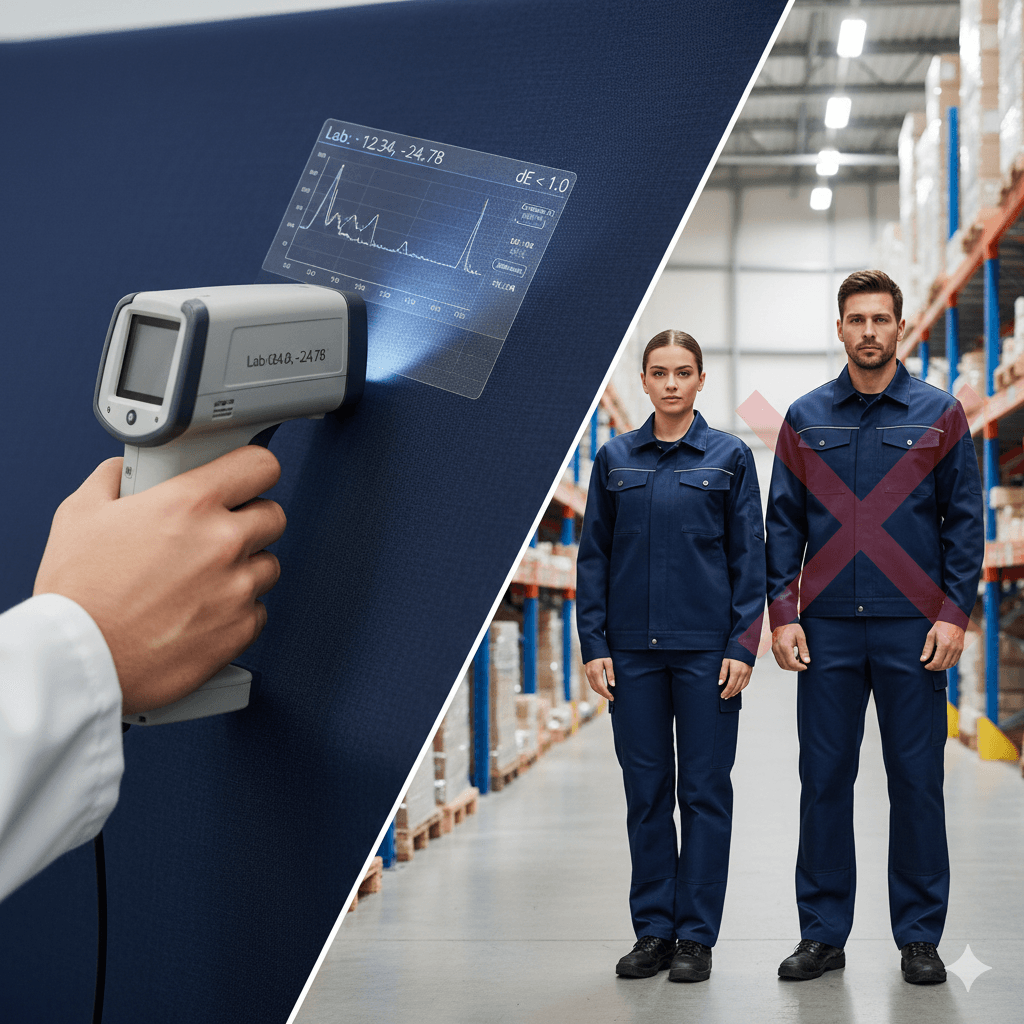 Color Consistency: The Delta-E Standard and the End of the “Clown Suit” Effect2026年2月4日In the corporate world, a uniform is a brand’s […]
 Why Zippers Fail (and How We Prevent It): The Engineering of Closure Reliability2026年2月4日In the hierarchy of industrial garment components, the […]
 The Anatomy of a Seam: Engineering Durability at the Needle Point2026年2月4日In the world of industrial workwear, the fabric gets all […]
- Future Lab PPE Trends: The Convergence of Lightweight Protection & Sustainability2026年1月28日In the sterile corridors of pharmaceutical R&D, biotech […]
 Chemical Protection Classes A/B/C: The Definitive Guide to Risk-Based PPE Selection2026年1月28日In the hazardous materials (HazMat) industry, […]
 Freezer Gloves & Boots Trends: The Intersection of Thermal Physics and Grip Technology2026年1月28日In the unforgiving environment of a -30°C cold storage […]