
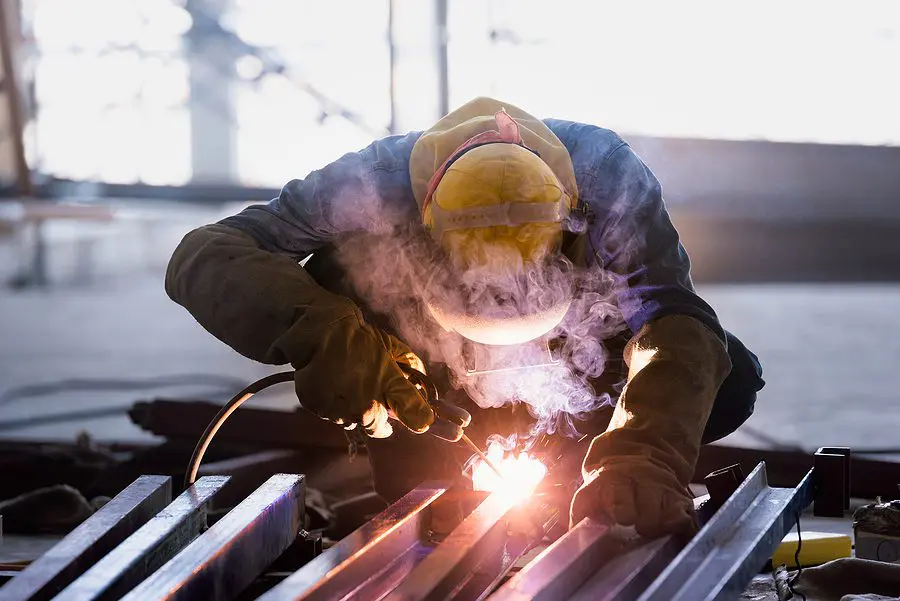
The modern steel mill is an unforgiving environment. Temperatures at the tap hole of a blast furnace exceed 1,500°C. Rolling mills radiate intense infrared waves, and unexpected splashes of molten metal pose catastrophic risks. For decades, the industry relied on heavy wools, stiff chemically treated cottons, or asbestos-based gear. While these offered protection, they came at a steep cost: Heat Stress.
Today, materials science has revolutionized Personal Protective Equipment (PPE) for the steel sector. The new mandate is Agility through Insulation. By utilizing advanced Aramids, Pre-oxidized Pan fibers, and Aerogel composites, safety managers can now reduce the weight and thickness of protective suits by 30–50% while maintaining or exceeding ISO safety standards.
This guide serves as a comprehensive toolkit for Procurement Officers and Safety Managers, covering Part 1 (Material Science & Standards) and Part 2 (Strategic Sourcing & ROI).
Google Snippet: Quick Answer
Modern high-heat PPE prioritizes reducing "metabolic heat load" without sacrificing thermal shielding. The industry is moving away from heavy aluminized asbestos/glass fibers toward lightweight aluminized Para-aramid/Carbon blends and Pre-oxidized Polyacrylonitrile (OPN). These materials offer superior resistance to molten splashes (ISO 9185) and radiant heat (ISO 6942) but are significantly lighter and more flexible, reducing worker fatigue and heat stroke risk.
1. The Critical Balance: Protection vs. Physiology
The Visible Threat: External Heat
- Radiant Heat: Infrared energy emitted from molten steel, slag, or billets. It passes through standard fabric, heating the skin instantly.
- Convective Heat: Blasts of superheated air from furnaces or ovens.
- Molten Splash (Cryolite/Iron/Aluminum): Liquid metal at 700°C–1600°C that adheres to fabric, boring through to the skin.
The Invisible Killer: Internal Heat Stress
Traditional PPE acts as a thermos. While it keeps heat out, it also traps metabolic heat in.
- The Consequence: A steelworker carrying 5kg of stiff aluminized gear has a higher heart rate and body temperature.
- The Risk: Cognitive decline, slower reaction times, fainting (syncope), and eventually heat stroke.
- The Solution: Materials that provide a high Thermal Protective Performance (TPP) score with low weight and high breathability (low Ret value).
2. Relevant Safety Standards for Steel Industry PPE
To procure legally compliant and effective gear, you must understand the testing hierarchy.
| Standard | Test Method | Critical Relevance |
|---|---|---|
| ISO 11612 | Heat & Flame | The "Bible" of industrial heat PPE. Defines performance levels (A-F). |
| ISO 6942 | Code C (Radiant Heat) | Measures how long it takes for skin temp to rise by 24°C under radiant source. C3 or C4 is required for proximity work. |
| ISO 9185 | Code D/E (Molten Splash) | Measures the mass of molten aluminium (D) or iron (E) the fabric can repel without damage. |
| ASTM F955 | Pour Test (US) | Measures heat transfer through fabric during a molten pour. Critical for US markets. |
| EN 1486 | Reflective Clothing | Specific standard for "fire entry" or specialized aluminized suits (Types 1, 2, 3). |
3. Material Selection: The Lightweight Revolution
The goal is to replace "bulk" with "technology." Here is how modern fibers compare.
A. The Outer Shell: Reflectivity & Shedding
- Old Tech: Aluminized Glass Fiber. Heavy, prone to cracking (delamination), rigid.
- New Tech: Aluminized Para-aramid / Carbon Blends (Dual Mirror).
- Advantage: Extremely flexible, 40% lighter, and superior adhesion of the aluminium film.
- Function: Reflects 95% of radiant heat while remaining soft enough to allow comfortable movement.
B. The Thermal Core: Insulation without Weight
- Old Tech: Thick Wool or Flame-Retardant (FR) Cotton batting. Heavy and absorbs moisture.
- New Tech: Spunlace Aramid Felt or Aerogel Composites.
- Advantage: Aerogels are the lightest solids on earth. A 2mm layer of Pyrogel®-infused felt offers the same thermal insulation as 15mm of wool.
- Result: A suit that feels like a winter jacket but protects like a blast shield.
C. Next-Gen Skin Interface: Moisture Management
- Problem: Sweat turns to steam if trapped, scalding the worker.
- Solution: Lenzing FR® (Viscose) Blends.
- Inherently flame resistant and hydrophilic (absorbs sweat and wicks it away).
| Material | Weight (GSM) | Radiant Heat | Splash Shedding | Flexibility |
|---|---|---|---|---|
| Aluminized Asbestos (Banned) | 800+ | High | Moderate | Poor (Rigid) |
| Heavy FR Cotton | 450+ | Low | Low | Good |
| Aluminized Pre-ox (OPN) | 350 | Excellent | High | Excellent |
| CarbonX® / High-Performance | 280-400 | Moderate | High | Superior |
4. Case Study Comparisons by Steel Process
| Zone / Role | The Hazard | Old PPE Approach | New Material Approach | Operational Outcome |
|---|---|---|---|---|
| Blast Furnace (Tapping) | High Radiant Heat + Molten Iron Splash (1500°C) | Heavy Aluminized Glass Fiber Jacket + Pants (Weight: 4.5kg) | Aluminized Carbon/Aramid Coat (Weight: 2.2kg) | 50% Weight Reduction. Workers report significantly less fatigue; extended shift capability. |
| Casting / Ladle Ops | Intermittent Radiant Heat + Sparks | FR Treated Heavy Cotton Coveralls | Inherent Blend (Modacrylic/Cotton/Aramid) | 3x Lifespan. Fabric does not lose protection after washing; better tear resistance. |
| Rolling Mill Maintenance | Conductive Heat (Hot Surfaces) + Abrasion | Thick Leather Aprons | Para-aramid Knit with Air-Gap Technology | Dexterity Boost. Maintenance crews can handle tools faster; cut protection added (EN 388). |
| Control Room/Inspection | Lower Heat, High Mobility | Standard Cotton Workwear | Lightweight 180gsm Aramid Shirt | Compliance. Ensures protection during accidental exposure without overheating in the booth. |
5. Common Procurement Mistakes in High-Heat PPE
| Mistake | Impact | Prevention Tip |
|---|---|---|
| Buying "Aluminized" without spec | Cheap aluminized films peel off after 2 days of flexing, rendering the suit useless against radiant heat. | Specify "Double Mirror" or "Transfer Film" technology with ISO 6942 testing after flexion. |
| Ignoring the "Shake-Off" ability | If molten metal sticks to the fabric, it burns through. | Ensure the outer layer is smooth (satin weave) and tested for ISO 9185 (E3 rating). |
| Over-protecting low-risk zones | Putting a furnace suit on a crane operator limits visibility and movement. | Use Zone-Specific PPE. Light FR coveralls for operators; Aluminized over-gear only for tapping. |
| Neglecting Seam Safety | The fabric holds, but the cotton thread burns, causing the suit to fall apart. | Mandate 100% Kevlar® or Nomex® Thread for all stitching. |
| Forgetting Neck and Wrist seals | Heat travels up. Loose cuffs allow "chimney effect" burns. | Specify Nomex® knitted cuffs and high collars with Velcro closure. |
Real World Example: A steel plant in India used generic FR cotton for slag removal. Two workers suffered 2nd-degree burns when slag splashed and the cotton ignited (due to oil stains). Correction: They switched to Oleo-phobic (Oil Repellent) Aluminized OPN aprons. The oil repelling finish prevented fuel buildup, and the OPN shed the slag instantly.
6. ROI Analysis: The Economics of High-End Materials
High-performance fibers (Aramids/PBI) cost 3–4x more than treated cotton. Here is why the investment yields a positive return.
Scenario: 50 Furnace Workers.
| Metric | Option A: FR Cotton/Leather (Traditional) | Option B: Aluminized Aramid/Carbon (Modern) |
|---|---|---|
| Unit Cost | $40.00 | $150.00 |
| Lifespan | 2–3 Months (Burns/Tears) | 12+ Months (High Tenacity) |
| Burn Injury Cost (Avg) | $50,000 (1 incident/3 years) | $0 (Superior Protection) |
| Heat Stress Breaks | 15 mins every hour | 10 mins every 2 hours |
| Productivity Gain | Baseline | +12% production uptime |
| Annual TCO (Total Cost) | High (High turnover + Risk) | Low (Long life + Safety) |
The Hidden Savings: Lighter gear means less physical exhaustion. This reduces "presenteeism" (workers present but working slowly/poorly) and long-term musculoskeletal injuries from wearing heavy armor.
7. Buyer Checklist for High-Heat PPE
- [ ] Radiant Heat: Certification to ISO 11612 Code C3 or C4?
- [ ] Molten Splash: Certification to ISO 11612 Code E3 (Iron) or D3 (Aluminium)?
- [ ] Weight: Is the total garment weight under 2.5kg (for jacket/trouser combo)?
- [ ] Flexibility: Can the wearer squat and reach without the film cracking?
- [ ] Design: Are there "Quick Release" zippers? (Vital for removing gear instantly if molten metal enters the suit).
- [ ] Ventilation: Does it have underarm gussets or ventilated back panels (protected by flaps)?
- [ ] Durability: Is the base fabric tear strength >50N (ISO 13937)?
8. Frequently Asked Questions (FAQ)
Q1: Can aluminized clothing be washed? A: Traditional gear cannot. However, modern Dual-Mirror Aluminized Carbon/Aramid can often be gently wiped or industrially cleaned using specific "soft wash" programs. Always check manufacturer guidelines.
Q2: What is the difference between Para-aramid and Meta-aramid? A: Para-aramid (e.g., Kevlar®) is stronger and handles higher structural stress/cutting. Meta-aramid (e.g., Nomex®) is better for thermal insulation and comfort. Best-in-class suits often blend both.
Q3: Why is "Pre-oxidized Pan" (OPN) becoming popular? A: OPN is thermally stable (doesn’t burn or melt) and is soft/black. When aluminized, it offers the best price-to-performance ratio for splash protection compared to pure Aramid.
Q4: Do we still need wool underwear? A: Wool is good, but FR Modacrylic/Cellulosic blends are better for moisture wicking. Keeping the skin dry is essential to prevent steam burns under the heavy suit.
Q5: How do I test if the supplier’s "Aluminized" fabric is good? A: Perform a simple "Flex and Tape Test." Crumple the fabric 50 times. Apply strong tape and rip it off. If the aluminium film comes off with the tape, the gear will fail in the field.
9. Advanced Sourcing Strategies for Steel Mills
-
Request "Coupon Samples": Do not just buy a suit. Ask for a 1-meter fabric sample. Take it to the shop floor and safely pour a small ladle of sample metal on it. If it sticks/burns, reject it.
-
Audit the "Lamination" Process: The glue that bonds aluminium to fabric is the weak link. Ask suppliers about their adhesive technology. Is it solvent-based or water-based? How does it handle 200°C ambient heat?
-
Analyse RET Values (Breathability): For non-aluminized layers, ask for the RET (Resistance to Evaporative Transfer) value. Lower is better. RET < 10 is excellent for comfort.
-
Supply Chain Redundancy: High-tech fibers (Aramid/PBI) sometimes face global shortages. Ensure your supplier holds raw material stock, not just finished goods.
-
Custom Sizing: Ill-fitting heat gear is dangerous. Excess fabric can snag; tight fabric eliminates the "air gap" insulation. Work with suppliers who offer tall/broad sizing.
10. Conclusion
The days of equipping steelworkers in heavy, stiff, "medieval" armor are over. The future is High-Performance Lightweight Materials—specifically Aluminized OPN and Aramid composites.
By transitioning to these advanced materials, steel mills can:
- Reduce Heat Stress: Lowering physiological strain on workers.
- Increase Agility: Allowing faster movement away from hazards.
- Improve ROI: Through durability and reduced injury claims.
Invest in the worker’s physiology, not just their shell.
📩 Need help sourcing ISO 11612 & ISO 9185 Certified High-Heat PPE? We specialize in advanced aluminized fabrics and lightweight thermal solutions. Email: [email protected] 🌐 www.workwearsolutions.net

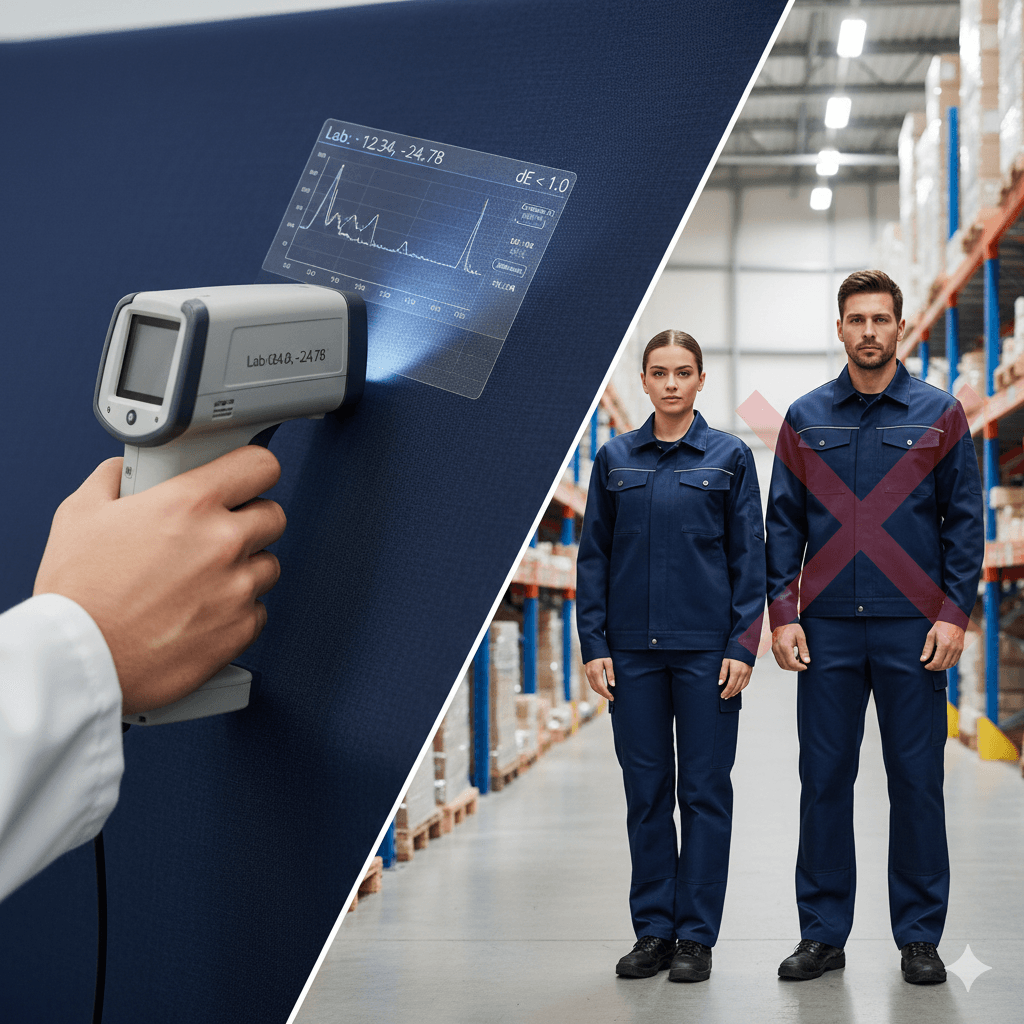 Color Consistency: The Delta-E Standard and the End of the “Clown Suit” Effect2026年2月4日In the corporate world, a uniform is a brand’s […]
 Why Zippers Fail (and How We Prevent It): The Engineering of Closure Reliability2026年2月4日In the hierarchy of industrial garment components, the […]
 The Anatomy of a Seam: Engineering Durability at the Needle Point2026年2月4日In the world of industrial workwear, the fabric gets all […]
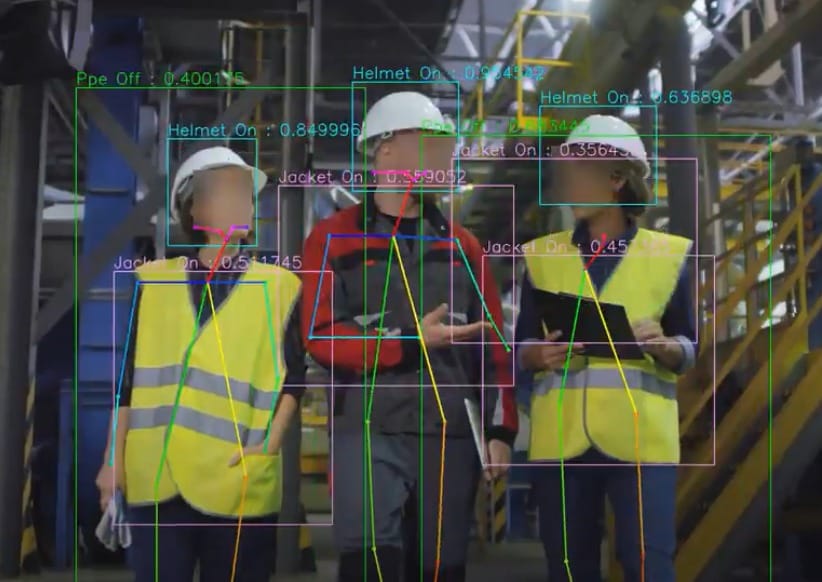 Future Lab PPE Trends: The Convergence of Lightweight Protection & Sustainability2026年1月28日In the sterile corridors of pharmaceutical R&D, biotech […]
 Chemical Protection Classes A/B/C: The Definitive Guide to Risk-Based PPE Selection2026年1月28日In the hazardous materials (HazMat) industry, […]
 Freezer Gloves & Boots Trends: The Intersection of Thermal Physics and Grip Technology2026年1月28日In the unforgiving environment of a -30°C cold storage […]