
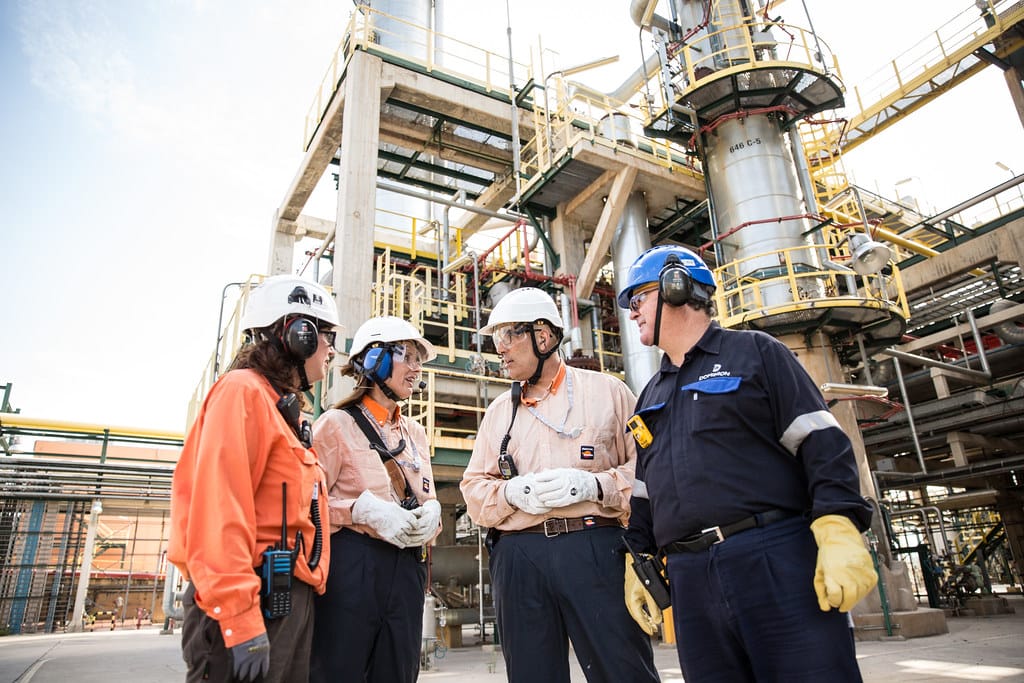
Executive Summary: Shifting from CAPEX Shock to OPEX Savings
The integration of Internet of Things (IoT) into Personal Protective Equipment (PPE) represents the biggest shift in industrial safety since the introduction of the hard hat. However, for procurement managers and project directors, it also presents a sticker shock. A standard hard hat costs $20; a smart helmet with AR and biometrics can cost $500+.
This price disparity often kills Smart PPE pilots in the cradle. This is a financial error.
In large-scale infrastructure, mining, and energy projects, the cost of PPE is a rounding error compared to the cost of accidents, downtime, and administrative inefficiency. Smart PPE transforms safety gear from a "passive expense" into an "active asset" that generates data, prevents costly incidents before they happen, and automates compliance.
This guide provides a rigorous financial framework to calculate the Return on Investment (ROI) of Smart PPE, exposing the hidden costs of traditional safety models and demonstrating why "expensive" gear is often the most profitable choice for mega-projects.
Google Snippet: Quick Answer
Is Smart PPE worth the high investment? Yes, particularly for large-scale operations. While the upfront cost (CAPEX) is 10-20x higher than standard gear, Smart PPE reduces Total Cost of Ownership (TCO) by preventing "Iceberg Costs" such as unplanned downtime ($200k+/hr in oil & gas), insurance premiums (-15%), medical claims, and administrative labor. For projects with over 500 workers, the ROI typically stabilizes within 6-9 months through efficiency gains and accident avoidance.
1. The Sticker Shock: Anatomy of the Upfront Investment
To understand the savings, we must first be transparent about the costs. Smart PPE is not just plastic and fabric; it is hardware, software, and service.
The Hardware Premium
- Sensors: Accelerometers, gyroscopes, gas detectors, and heart rate monitors embedded in gear.
- Connectivity: LoRaWAN, Bluetooth, or 5G modules required to transmit data.
- Ruggedization: Electronics must meet IP67 and ATEX (explosive atmosphere) standards, driving up manufacturing costs.
The Software Ecosystem (SaaS)
- Dashboards: Monthly subscription fees for the cloud platforms that visualize worker location and health data.
- Data Storage: Secure, encrypted hosting of sensitive biometric and location logs.
Implementation Costs
- Training: Time spent teaching workers how to use and charge devices.
- Infrastructure: Installing gateways or private networks in remote locations (e.g., mines or offshore rigs).
The CFO’s Dilemma: "Why pay $100,000 for smart vests when $5,000 buys high-vis jackets?" The Answer: Because the $5,000 jackets don’t tell you a worker has collapsed in a remote tunnel until it’s too late.
2. The Iceberg of Industrial Safety Costs
Traditional financial models only look at the "Tip of the Iceberg" (Direct Costs). Smart PPE primarily attacks the "Submerged Mass" (Indirect/Hidden Costs), which OSHA estimates are 4x to 10x higher than direct costs.
| Cost Category | Examples | How Smart PPE Mitigates This |
|---|---|---|
| Direct Costs (The Tip) | • Medical bills • Workers’ Comp payments • Legal fines (OSHA/HSE) |
Prevention: Proximity sensors prevent the forklift accident that causes the injury. |
| Indirect Costs (Submerged) | • Downtime: Stopping the line for investigation. • Replacement Labor: Overtime pay for covering injured staff. • Training: Onboarding new temp workers. • Reputation: Loss of contracts due to poor safety record. |
Speed: Automated "near-miss" reporting pinpoints the exact cause instantly, reducing investigation time by 90%. |
| Administrative Costs (Hidden) | • Manual data entry of safety logs. • Time spent on site audits. • Managing paper permits. |
Automation: Digital permits and auto-logging of worker hours/locations eliminate thousands of admin hours. |
3. Technology-Specific ROI: Where the Money Is
Different Smart PPE technologies deliver value in different ways.
A. Smart Helmets (AR & Remote Expert)
- The Cost: $1,500 – $3,000 per unit.
- The Savings: Travel & Expertise. Instead of flying a specialist from Houston to Dubai ($5k flight + 3 days salary), a local worker wears the helmet. The expert sees what they see and guides them remotely.
- ROI Factor: One avoided international trip pays for the helmet.
B. Biometric Wearables (Heat & Fatigue)
- The Cost: $150 – $300 per unit.
- The Savings: Heat Stroke Prevention. In the Middle East, a heat stroke incident can shut down a site for 24 hours.
- ROI Factor: Preventing one site shutdown covers the cost of equipping 500 workers.
C. Industrial Exoskeletons (Passive)
- The Cost: $4,000 – $6,000 per unit.
- The Savings: Chronic Injury Claims. Back injuries are the #1 cause of lost days in logistics. Exoskeletons reduce back load by 40-60%.
- ROI Factor: Long-term. A 50% reduction in musculoskeletal disorders (MSDs) over 2 years generates massive insurance savings.
4. ROI Models: Small vs. Mega Projects
Smart PPE is not for everyone. The ROI scales non-linearly with project size.
Scenario A: Small Workshop (20 Workers)
- Investment: $10,000 (Hardware + Software).
- Risk Profile: Low. Supervision is easy; the foreman can see everyone.
- Verdict: Low ROI. Traditional PPE is likely sufficient. The cost of digitization outweighs the efficiency gains.
Scenario B: Mega-Construction Site (2,000 Workers)
- Investment: $500,000 (Hardware + Mesh Network + Annual SaaS).
- Risk Profile: Extreme. Complex logistics, blind spots, multiple subcontractors.
- The "Network Effect":
- Mustering Time: Evacuation drills take 15 mins vs 2 hours (Active head-counting). Saving: $100k in lost man-hours per drill.
- Utilization: Data shows 30% of workers are idle in Zone B due to material shortage. Action: Reallocate labor. Saving: Millions in efficiency.
- Verdict: Massive ROI. The system pays for itself in <6 months through efficiency alone, even without accidents.
5. Hidden Management Costs: The Silent Budget Killer
A massive portion of project budget is wasted on "Safety Bureaucracy."
| Bureaucratic Task | Traditional Method | Smart PPE Method | Financial Implication |
|---|---|---|---|
| Site Access Control | Manual badge checks, paper logs. | Automated geofencing via smart boots/vests. | Eliminates 2-3 security guard salaries per gate. |
| Compliance Audits | Safety officer walks around with a clipboard checking certifications. | Dashboard alerts if a worker enters a zone without the right digital cert. | 100% continuous compliance; Zero audit prep time. |
| Permit to Work | Physical paper signed and carried. Lost easily. | Digital permit pushed to the Smart Helmet/Watch. | Zero downtime waiting for signatures. |
| Incident Reporting | Interviews, re-enactments, guesswork. | "Black Box" data replay (location, fall impact, gas levels). | Investigation time reduced from weeks to hours. |
6. Common Procurement Mistakes that Kill ROI
| Mistake | Impact | Prevention Strategy |
|---|---|---|
| Buying Proprietary Ecosystems | "Vendor Lock-in." You can’t use Sensor A with Platform B. Data is siloed. | Demand API Openness. Ensure the PPE data feeds into your existing ERP/EHS software (SAP, Oracle). |
| Ignoring the "Charging Logistics" | Buying 1,000 smart vests but having no place to charge them. Workers leave them dead in lockers. | Budget for Smart Lockers or centralized charging bays. Treat them like power tools. |
| Underestimating Connectivity | Sensors don’t work in concrete basements without a network. | Budget for Private 5G or Mesh Gateways in the initial CAPEX request. |
| Focusing on Hardware Price | Buying cheap sensors with high false-alarm rates. Workers turn them off. | Prioritize Sensor Accuracy and battery life over unit cost. |
Example: A mining company bought cheap fatigue monitors ($50/unit). The false alarm rate was 40%. Drivers got annoyed and taped over the sensors. The investment ($50k) was a total loss. They switched to $300 units with 99% accuracy, and accident rates dropped by 70%.
7. Case Study: The Financial Reality
Case 1: The Oil Refinery Turnaround (Maintenance)
- Context: 45-day shutdown. Every hour of delay costs $150,000. 1,500 temporary contractors on site.
- Smart PPE Solution: Connected Gas Detection & Geolocation Vests.
- Cost: $450,000 rental for the duration.
- Outcome:
- Evacuation: A gas leak triggered an alarm. Smart muster showed 3 workers missing instantly. Rescue was directed precisely. Saved potential fatality ($2M+ liability).
- Efficiency: Heat maps showed contractors were spending 40 mins/day walking to a distant tool shed. Management moved the shed. Gained 1,000 man-hours/day.
- Net ROI: The efficiency gain alone saved $1.2M. The safety save was priceless.
Case 2: Logistics Warehouse (Ergonomics)
- Context: High turnover due to back pain. 200 pickers.
- Smart PPE Solution: Soft Exosuits ($2,000/unit). Pilot with 50 workers ($100k).
- Outcome:
- Sick Leave: Dropped by 45% in the pilot group.
- Productivity: Fatigue onset delayed; pick rate improved by 8% in the last 2 hours of shifts.
- Net ROI: Break-even reached in 14 months. Scaling to full workforce.
8. Buyer Checklist: Calculating Your TCO
Before signing a contract, run these numbers:
- [ ] Hardware Lifespan: Are the batteries replaceable? If not, the device is trash in 2 years.
- [ ] Data Costs: Is the cellular data plan included in the subscription?
- [ ] Replacement Rate: Smart PPE is still PPE. It gets broken. Assume a 10-15% annual breakage rate for rugged environments.
- [ ] Insurance Rebates: Have you spoken to your insurance carrier? Many offer 5-15% premium reductions for tech-enabled sites.
- [ ] Integration Cost: How much will IT charge to connect the PPE API to your central dashboard?
9. Frequently Asked Questions (FAQ)
Q1: Can we rent Smart PPE to lower CAPEX? A: Yes. "Safety as a Service" (SaaS) models are growing. You pay a daily rate per worker, which includes hardware, software, and maintenance. This moves the cost from CAPEX to OPEX, which is often easier to approve.
Q2: Do workers reject it due to privacy? A: Privacy concerns can kill ROI by causing strikes. Solution: Anonymize data. Track "Tag #105" not "Steve." Only de-anonymize during a "Man Down" emergency.
Q3: Is the data legally discoverable? A: Yes. This cuts both ways. It proves you were compliant, but it also documents if you ignored safety warnings. You must have a process to act on the data you collect.
Q4: Does it replace safety officers? A: No, it augments them. It allows 1 safety officer to monitor 500 workers effectively, rather than catching random violations.
10. Conclusion
The question is no longer "Can we afford Smart PPE?" but "Can we afford the cost of being disconnected?"
In an era of tight margins and massive liability, the "Hidden Costs" of the traditional approach—blind spots, slow response times, and administrative bloat—are unsustainable. Smart PPE offers a verified pathway to reduce the Total Cost of Ownership of safety.
For large-scale projects, the ROI is clear: Better Data = Lower Risk = Higher Profit.
📩 Need a TCO Analysis for your specific project? We offer bespoke financial modeling for Smart PPE implementation. Email: [email protected] 🌐 www.workwearsolutions.net

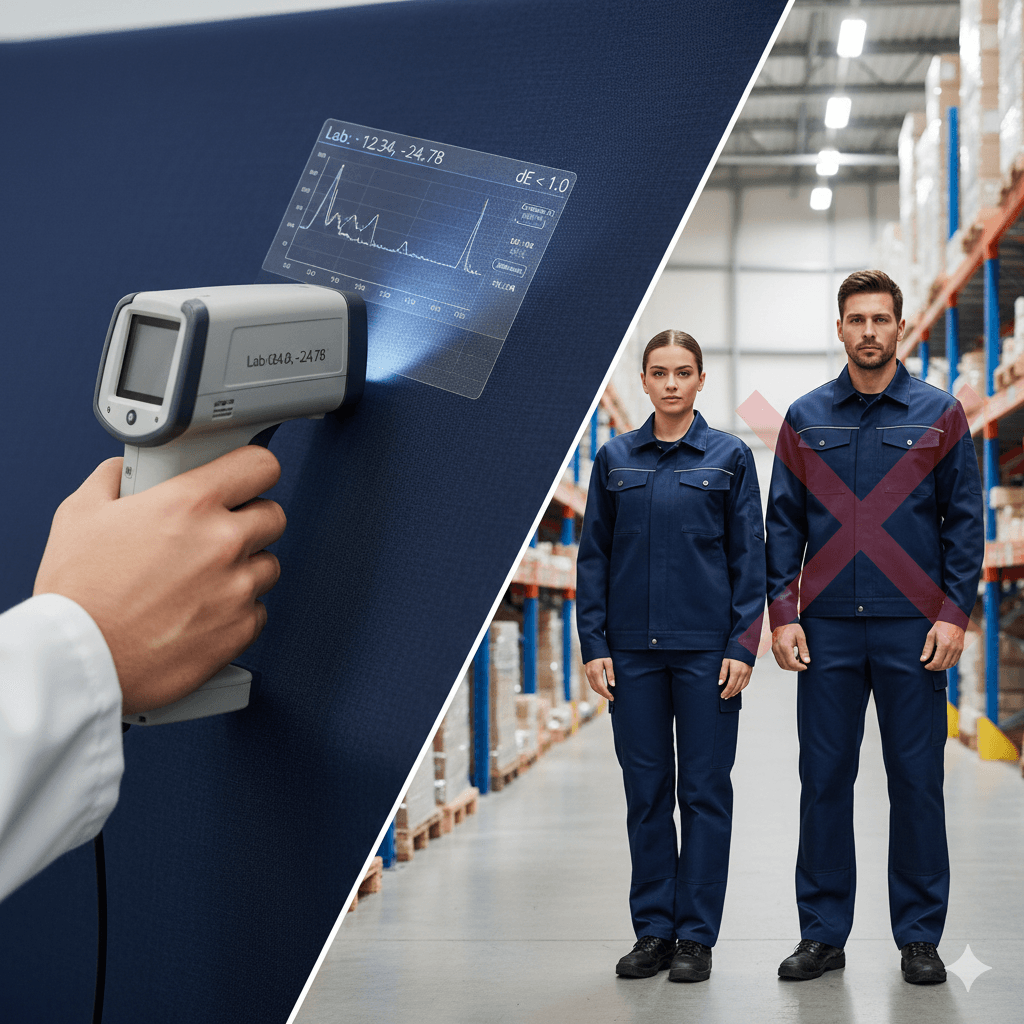 Color Consistency: The Delta-E Standard and the End of the “Clown Suit” Effect2026年2月4日In the corporate world, a uniform is a brand’s […]
 Why Zippers Fail (and How We Prevent It): The Engineering of Closure Reliability2026年2月4日In the hierarchy of industrial garment components, the […]
 The Anatomy of a Seam: Engineering Durability at the Needle Point2026年2月4日In the world of industrial workwear, the fabric gets all […]
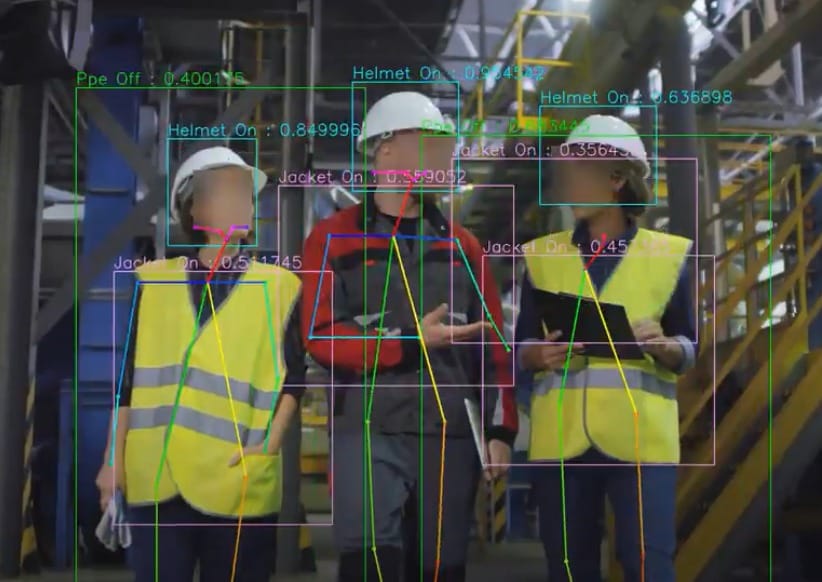 Future Lab PPE Trends: The Convergence of Lightweight Protection & Sustainability2026年1月28日In the sterile corridors of pharmaceutical R&D, biotech […]
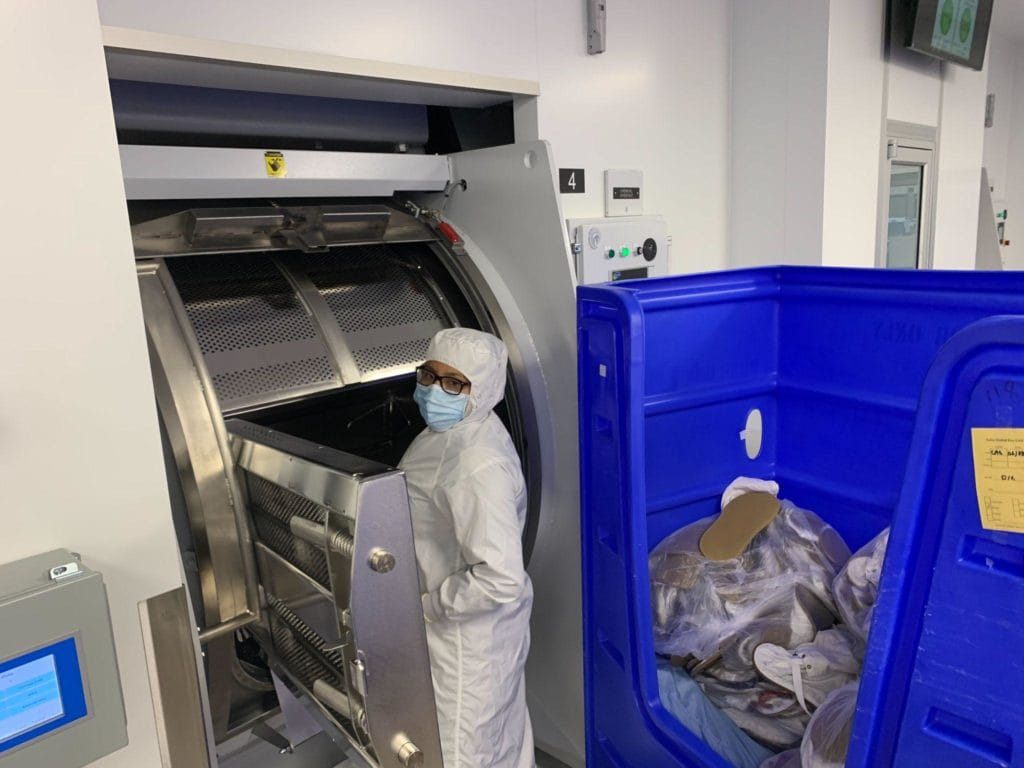 Chemical Protection Classes A/B/C: The Definitive Guide to Risk-Based PPE Selection2026年1月28日In the hazardous materials (HazMat) industry, […]
 Freezer Gloves & Boots Trends: The Intersection of Thermal Physics and Grip Technology2026年1月28日In the unforgiving environment of a -30°C cold storage […]