
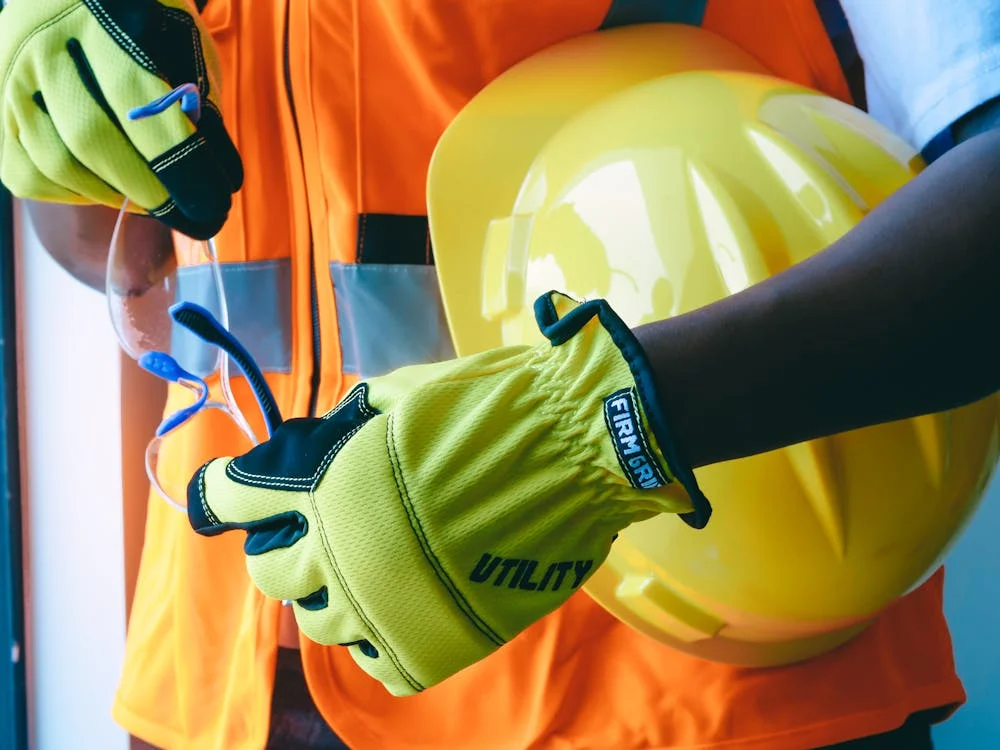
In high-risk environments like construction, oil & gas, rail maintenance, and heavy logistics, workers face two major threats: being unseen and getting cut. Traditional solutions addressed these risks separately—hi-vis gloves for visibility and cut-resistant gloves for blade protection. But in reality, accidents don’t happen in isolation. Today’s buyers must demand dual-function gloves that combine EN ISO 20471 visibility principles with EN 388 cut resistance.
This 5,500+ word buyer’s guide explains why this hybrid design matters, how to interpret compliance data, and what to avoid when purchasing. Real-world case studies, procurement checklists, cost-benefit analysis, and advanced tips included.
Hi-vis cut-resistant gloves combine fluorescent and reflective materials for visibility with high-performance fibers (like Kevlar®, Dyneema®, or HPPE) for cut protection. They should meet EN ISO 20471 color/reflectivity principles and EN 388 cut resistance ratings (A–F). Ideal for high-risk environments where both hand injuries and low visibility hazards exist.
Why Dual Protection Is No Longer Optional
- Hand injuries = 23% of all workplace incidents (OSHA, 2023)
- Visibility-related accidents = $2B annual cost globally
- Combining hazards = higher liability → OSHA fines up to $15,625 per violation
Fact: A single laceration requiring surgery can cost $45,000. Add traffic collision risk? The financial burden doubles.
Real-World Accident Reports
Case #1 – Road Maintenance, UK
A worker trimming roadside vegetation wore hi-vis gloves without cut protection. A sharp blade sliced his palm, causing tendon damage. Injury claim: £28,000.
Prevention: Hi-vis gloves with EN 388 level E cut resistance.Case #2 – Steel Handling, Germany
Loader wore heavy-duty cut-resistant gloves (level F) but no hi-vis color. Operator of a crane failed to see his hand signal at night → pallet dropped, injuring two workers. Damage: €62,000.
Solution: Cut + hi-vis hybrid glove with reflective zones.Case #3 – Oil Refinery, UAE
Worker dismantling pipeline wore dark cut gloves in a low-light zone. Hand was not visible to crane operator → severe crush injury. Cost: $75,000.
Lesson: Cut resistance ≠ visibility. Both are non-negotiable.Case #4 – Airport Baggage Operations, USA
Baggage handler wore nitrile-coated gloves for grip. A broken metal edge cut through, causing deep laceration. At the same time, aircraft marshaller missed the signal. Delay + injury cost: $15,000.
Fix: ANSI hi-vis gloves with reinforced HPPE liner.
Standards That Matter: EN 388 + Hi-Vis Principles
| Standard | Focus |
|---|---|
| EN 388:2016 | Mechanical hazards: Abrasion, Cut, Tear, Puncture |
| Cut Level Range | A (basic) to F (highest) |
| EN ISO 20471 | High-visibility color and reflectivity guidelines |
Key Parameters for Buyers:
- Cut Level (A–F):
- A = light protection (paper cuts)
- F = heavy-duty (steel, glass handling)
- Hi-Vis Zones:
- Fluorescent backs, reflective knuckle bands for 360° signaling
- Dual Certification:
EN 388 + tested to hi-vis principles (though gloves aren’t mandated under 20471, compliance matters in audits)
Fiber Technology Behind Cut Resistance
| Fiber Type | Properties |
|---|---|
| Kevlar® | High heat + cut resistance; lightweight |
| Dyneema® (UHMWPE) | Stronger than steel, excellent comfort |
| HPPE | High-performance polyethylene for dexterity |
| Glass Fiber Blends | Improves cut resistance (level E or F) |
Pro Tip: For cold or wet work, choose fibers coated with nitrile sandy grip for oil and water resistance.
Hi-Vis Integration Challenges & Solutions
| Challenge | Solution |
|---|---|
| Reflective tape cracking on stretch | Use elastic retroreflective strips |
| Color fading after washing | Specify ISO-tested fluorescent textiles |
| Dexterity loss with multiple layers | Choose 13-gauge seamless knit liners + coated palm |
Design Features Buyers Should Demand
- Fluorescent back-of-hand (lime or orange for daylight visibility)
- Reflective bands across knuckles and cuffs for low-light work
- Cut-resistant liner with EN 388 level C–F rating
- Grip-enhanced palm coating for wet/oily conditions
- Touchscreen tips for operational efficiency
High-Risk Industry Applications
| Industry | Hazard | Glove Requirements |
|---|---|---|
| Oil & Gas | Cuts from steel + low visibility | Hi-vis + level E cut resistance + oil-resistant grip |
| Road Construction | Night signaling + sharp tools | Reflective zones + level C cut protection |
| Aviation | Sharp edges + signaling in dim light | Hi-vis thermal gloves + level D cut rating |
| Steel & Glass | Severe cut hazards + forklift traffic | Level F cut + reflective dorsal design |
Buyer Mistakes That Trigger Accidents
- Selecting cut gloves without hi-vis features → Missed signals in low light
- Choosing bright gloves without mechanical testing → Flashy but unsafe
- Ignoring secondary hazards (cold, chemical exposure)
- Buying based on price alone → Fails EN 388 verification → compliance risk
ROI Analysis: Cost of Wrong Choices
| Scenario | Cost of Failure | Hybrid Glove Cost | Net Savings |
|---|---|---|---|
| Laceration + downtime | $35,000 | $12 per pair | $34,988 |
| Signal-related collision | $50,000 | $18 per pair | $49,982 |
Advanced Buyer Insights
- Hybrid Standards: Look for gloves tested for EN 388 + EN 407 if heat hazards exist.
- Zone Mapping: Retroreflective material should align with common hand signals (ISO 7000 guidance).
- Training: Hi-vis only works if workers adopt standardized gestures.
Quick Procurement Checklist
- [ ] EN 388 cut resistance level ≥ C for sharp tasks
- [ ] Hi-vis color + reflective knuckle bands
- [ ] Palm coating: nitrile sandy for grip in oil/water
- [ ] Verify reflective durability (≥ 25 washes)
- [ ] Stock multiple sizes for compliance
Extended FAQ (10 Critical Questions)
Q1: Are hi-vis + cut gloves required by law?
A: Not explicitly, but OSHA mandates PPE for both hazards.
Q2: Can reflective tape reduce glove flexibility?
A: Yes—select gloves with segmented reflective panels.
Q3: Is Dyneema® better than Kevlar®?
A: Dyneema offers higher cut resistance per weight but less heat resistance.
Q4: Can I get thermal + cut + hi-vis in one glove?
A: Yes—choose triple-certified gloves (EN 388 + EN 511 + hi-vis design).
Q5: How do I check compliance in audits?
A: Request EN test reports + reflective luminance test results.
Lifecycle Cost Calculation (For 100 Workers)
| Option | Annual Cost | Accident Risk |
|---|---|---|
| Standard Cut Gloves | $1,000 | High (visibility gap) |
| Hi-Vis + Cut-Resistant Gloves | $1,800 | Low (dual hazard covered) |
ROI: Investing $800 more prevents $50,000+ in liability.
Conclusion
Modern worksites demand dual protection for dual hazards. Hi-vis + cut-resistant gloves reduce hand injuries AND missed-signal accidents, ensuring compliance and saving costs. Buyers must prioritize EN 388 cut ratings + hi-vis reflective performance + ergonomic design.
📩 Need hybrid gloves meeting cut, cold, and visibility standards?
Email: [email protected]
🌐 www.workwearsolutions.net

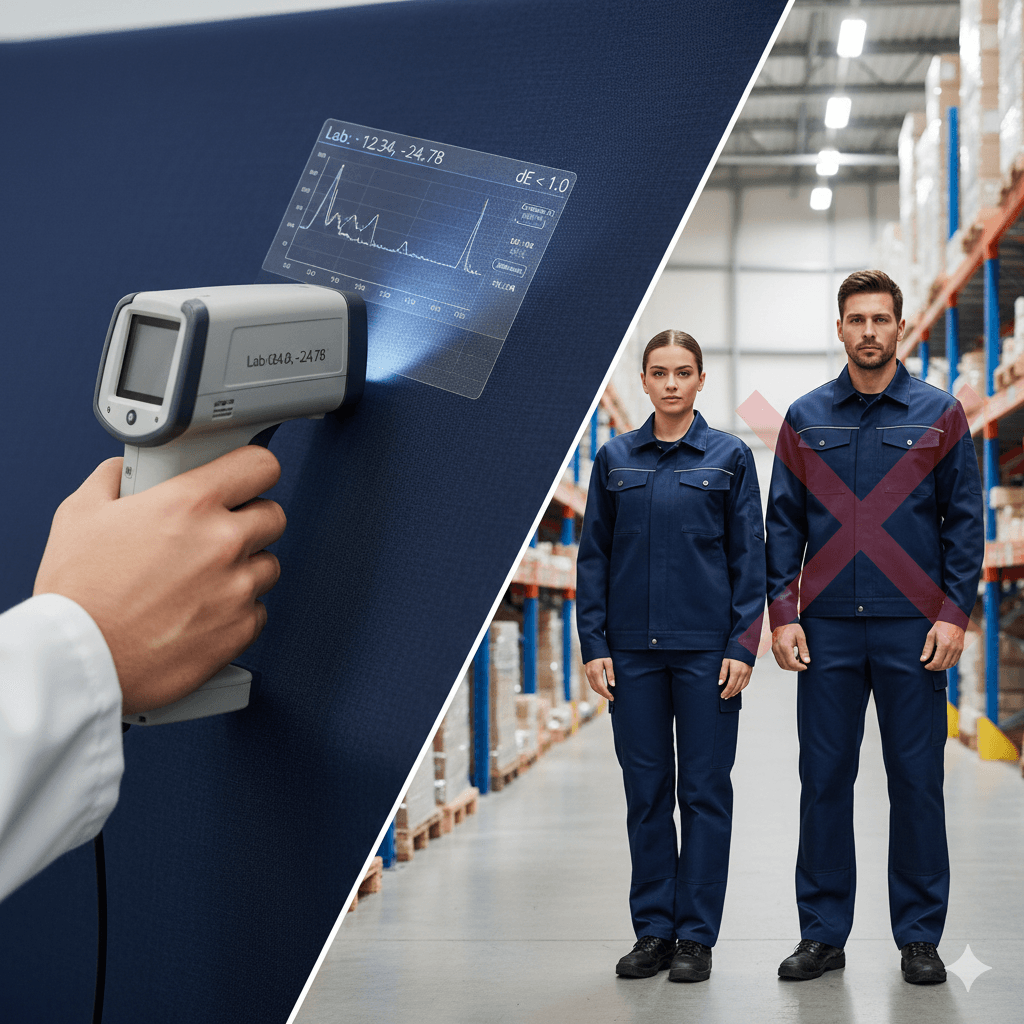 Color Consistency: The Delta-E Standard and the End of the “Clown Suit” Effect2026年2月4日In the corporate world, a uniform is a brand’s […]
 Why Zippers Fail (and How We Prevent It): The Engineering of Closure Reliability2026年2月4日In the hierarchy of industrial garment components, the […]
 The Anatomy of a Seam: Engineering Durability at the Needle Point2026年2月4日In the world of industrial workwear, the fabric gets all […]
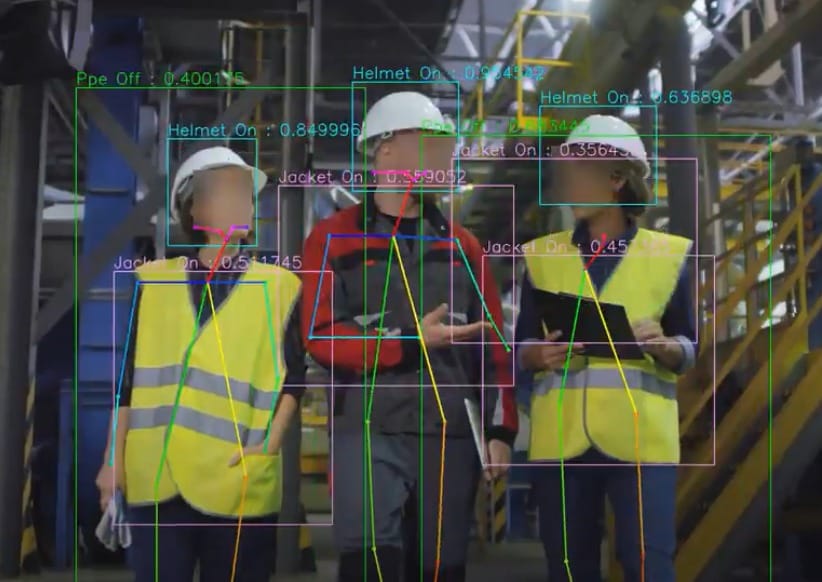 Future Lab PPE Trends: The Convergence of Lightweight Protection & Sustainability2026年1月28日In the sterile corridors of pharmaceutical R&D, biotech […]
 Chemical Protection Classes A/B/C: The Definitive Guide to Risk-Based PPE Selection2026年1月28日In the hazardous materials (HazMat) industry, […]
 Freezer Gloves & Boots Trends: The Intersection of Thermal Physics and Grip Technology2026年1月28日In the unforgiving environment of a -30°C cold storage […]