
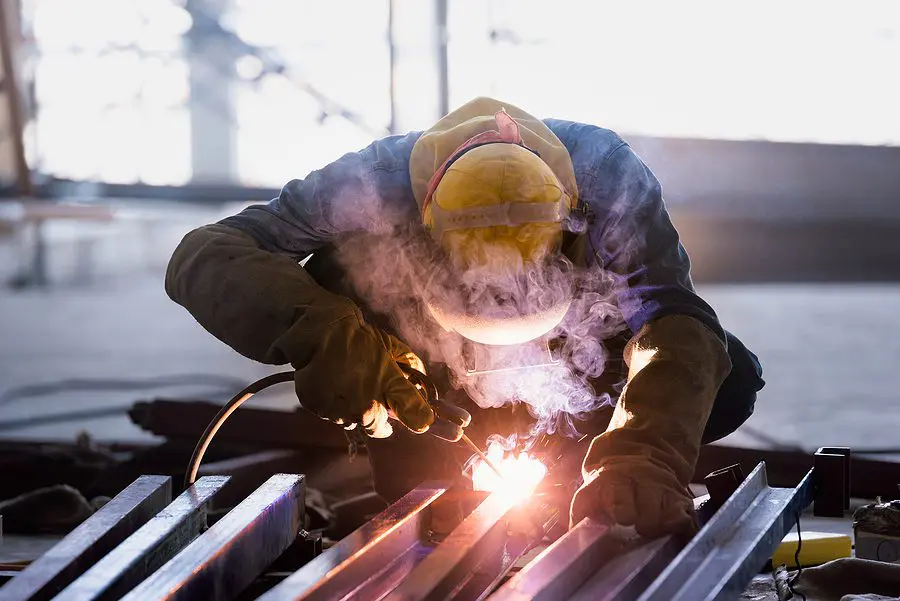
Executive Summary: Surviving the "Summer Noon"
In the Gulf Cooperation Council (GCC) region—spanning Saudi Arabia, UAE, Qatar, and Oman—construction and energy projects operate in some of the most hostile climatic conditions on Earth. Between May and September, ambient temperatures routinely exceed 45°C (113°F), with ground temperatures reaching 60°C (140°F).
For decades, the standard defense against heat stress was simple: water breaks and the legislative "Midday Break" ban. However, as projects grow larger and timelines tighter, these passive measures are no longer sufficient. Heat Stress remains a silent killer, often manifesting as "sudden fatigue" or cardiac strain long before a worker collapses.
The industry is now pivoting toward Active Biometric Monitoring. By deploying smart wearables that track core body temperature, heart rate, and hydration levels in real-time, safety managers can transition from a "reactive" posture (treating heat stroke) to a "preventive" one (intervening when biometric thresholds are breached).
This guide explores the technology, implementation strategies, and financial ROI of deploying smart health monitoring systems in high-heat environments.
Google Snippet: Quick Answer
Why is smart health monitoring essential for Middle Eastern construction? Smart health monitoring devices (smartwatches, biometric patches, helmet sensors) provide real-time data on a worker’s physiological state. In the Middle East, where the Wet Bulb Globe Temperature (WBGT) can reach dangerous levels rapidly, these devices detect early signs of heat exhaustion, dehydration, and tachycardia (rapid heart rate). This allows safety officers to mandate rest breaks for specific individuals before a medical emergency occurs, ensuring compliance with local safety regulations and preventing costly project shutdowns.
1. The Hostile Environment: Understanding the Risk Profile
To understand the necessity of this technology, one must understand the environment. It is not just about "heat"; it is about the body’s inability to cool down.
The Wet Bulb Globe Temperature (WBGT) Factor
- Ambient Temperature: The air temperature might be 40°C.
- Humidity Effect: In coastal cities like Dubai or Doha, humidity can exceed 80%.
- The Danger: High humidity prevents sweat from evaporating. If sweat cannot evaporate, the body cannot cool. The internal temperature rises, leading to organ failure.
The "Sudden Fatigue" Phenomenon
- Dehydration: A loss of just 2% body water mass reduces physical performance by 20%.
- Cognitive Decline: Heat stress reduces reaction time and decision-making ability, leading to accidents involving machinery or falls from height.
- Cardiovascular Drift: As blood thickens due to dehydration, the heart must pump faster to maintain blood pressure, leading to sudden cardiac events.
!
2. The Technology Ecosystem: Biometrics on the Job Site
Modern health monitoring relies on the Internet of Things (IoT). These devices are ruggedized to withstand sandstorms, sweat, and impact.
| Device Type | Form Factor | Key Metrics Monitored | Pros & Cons |
|---|---|---|---|
| Smart Watches / Bands | Wrist-worn | Heart Rate (HR), Activity Levels, Fall Detection. | Pros: High worker acceptance, easy to deploy. Cons: Wrist-based HR can be inaccurate during heavy arm movement. |
| Biometric Chest Patches | Adhesive Patch | ECG-level Heart Rate, Respiration Rate, Skin Temperature. | Pros: Medical-grade accuracy. Cons: Consumable (needs replacement), requires skin contact. |
| Smart Helmets | Headband Sensor | Core Body Temperature (via temporal artery), Fatigue (EEG). | Pros: Integrated into mandatory PPE. Cons: Heavy, expensive per unit. |
| Hydration Sensors | Smart Patch / Urine Analysis | Electrolyte balance in sweat. | Pros: Directly addresses dehydration risk. Cons: Emerging technology, often expensive. |
3. How It Works: The Data Flow of Prevention
Implementing smart monitoring is not just about handing out watches; it is about building a Safety Data Loop.
Step 1: Real-Time Sensing
The worker is pouring concrete at 11:00 AM. His biometric patch detects his heart rate has spiked to 140 BPM and remained there for 10 minutes, despite low physical movement (indicating heat strain).
Step 2: Edge Processing & Alerting
The device itself vibrates (Haptic Alert): "High Heart Rate. Please rest." Simultaneously, it sends a signal via Long Range Bluetooth (LoRa) to the site’s network gateway.
Step 3: Central Command Notification
The Safety Manager in the air-conditioned site office sees a Red Alert on the dashboard: "Worker #405 (Zone B) – Critical Heat Index."
Step 4: Immediate Intervention
The Safety Manager radios the Zone B foreman: "Pull Worker #405 off the line immediately. Give him electrolytes and cool down."
Step 5: Data Analytics
At the end of the month, the system generates a report showing which zones or tasks are causing the most heat stress, allowing for schedule optimization (e.g., shifting heavy tasks to night shifts).
!
4. ROI Analysis: The Cost of Safety vs. The Cost of Failure
In the competitive Middle Eastern market, safety investments must justify their cost.
Scenario: A 1,000-Worker Oil & Gas Project (Saudi Arabia)
| Cost Driver | Traditional Approach (Passive) | Smart Monitoring Approach (Active) | Financial Impact |
|---|---|---|---|
| Heat Stroke Incidents | 5 major incidents/summer (@ $50k medical + downtime) | 0 (Prevented via early alert) | Savings: $250,000 |
| Productivity Loss | Blanket "Stop Work" for all staff when temp hits 45°C | Targeted breaks only for those stressed; work continues | Gain: +15% Output |
| Regulatory Fines | Risk of fines for violating Midday Break rules | Digital audit trail proves compliance & care | Risk Avoidance |
| Insurance Premiums | Standard High-Risk Rate | Negotiated "Tech-Enabled" Lower Rate | Savings: 10-15% |
| Hardware Cost | $0 | $150/worker (Device + Service) | (-$150,000) |
| Net First-Year Benefit | Positive ROI |
Key Insight: The cost of one medical evacuation or project shutdown day far exceeds the cost of equipping a crew with biometric sensors.
5. Regulatory Landscape: Why Compliance is Key
Governments in the GCC are tightening labor laws regarding heat safety.
- UAE: The "Midday Break" rule (mandatory break from 12:30 PM to 3:00 PM) is strictly enforced. Smart data proves that workers were inactive during these hours.
- Saudi Arabia (KSA): Vision 2030 emphasizes worker welfare. Ministry of Human Resources creates strict guidelines for outdoor work.
- Qatar: Following the World Cup, strict heat stress legislation prohibits work if WBGT rises above 32.1°C. Smart environmental sensors can automate this compliance.
6. Implementation Challenges in the Desert
Deploying electronics in the desert comes with unique hurdles.
Challenge 1: Connectivity
- Issue: Remote oil fields often lack 4G/5G coverage.
- Solution: Use Mesh Networks. Devices talk to each other, passing data like a bucket brigade until it reaches a satellite gateway.
Challenge 2: Battery Life
- Issue: GPS and continuous heart rate monitoring drain batteries quickly.
- Solution: Use Low-Energy Bluetooth (BLE) sensors that sync only when a threshold is breached, extending battery life to weeks.
Challenge 3: Cultural Resistance
- Issue: Workers may feel "tracked" or monitored.
- Solution:
- Anonymize Data: Focus on "Team Health" rather than individual tracking until an emergency occurs.
- Education: Demonstrate that the watch is a "lifeline," not a "shackle."
7. Buyer Checklist for Heat Monitoring Tech
When sourcing health monitoring solutions for the Middle East, ensure the following:
- [ ] Operating Temperature: Is the device rated to survive 60°C direct sunlight? (Consumer tech often shuts down at 35°C).
- [ ] IP Rating: Is it IP67/IP68? It must resist fine desert sand (dust) and heavy sweat.
- [ ] Comfort: Is the strap breathable? Silicone straps can cause skin rash in extreme heat; woven nylon is often better.
- [ ] Integration: Does the software integrate with your existing EHS platform (e.g., SAP, Oracle)?
- [ ] Algorithm: Does the heat stress algorithm account for acclimatization? (A new worker is at higher risk than a veteran).
8. Conclusion: A New Standard of Care
In the harsh climates of the Middle East, the sun is a relentless hazard. Traditional PPE (helmets, boots) protects against physical impact, but it does nothing against the thermal impact.
Smart Health Monitoring is the new PPE. It provides visibility into the invisible physiological changes that precede a tragedy. By adopting these technologies, companies do not just protect their bottom line; they demonstrate a genuine commitment to the humanity of the workforce building the future.
Protect your workforce from the heat. We provide industrial-grade biometric monitoring solutions tailored for the Middle East’s extreme conditions. 📩 Contact our Technical Sales Team: [email protected] 🌐 Visit us: www.workwearsolutions.net Global Standards. Local Expertise. Long-term Partners.

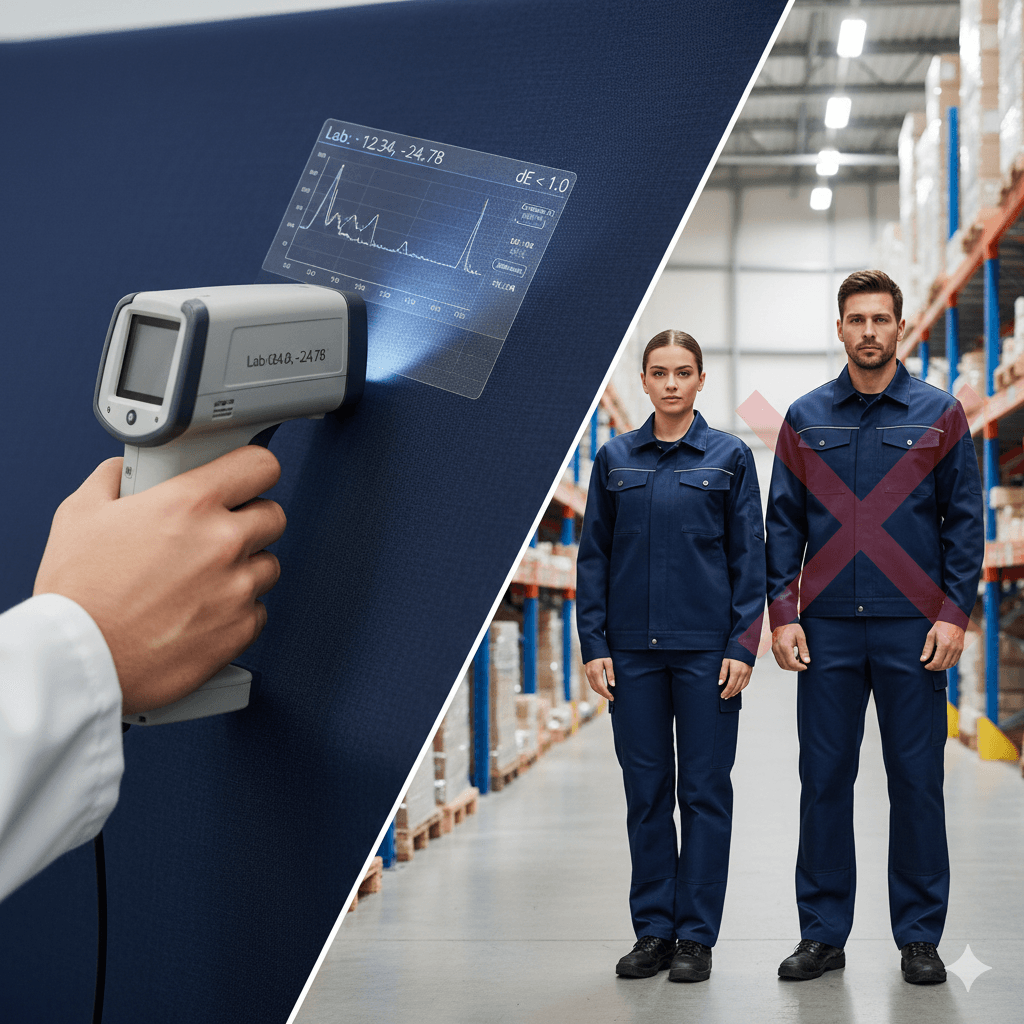 Color Consistency: The Delta-E Standard and the End of the “Clown Suit” Effect2026年2月4日In the corporate world, a uniform is a brand’s […]
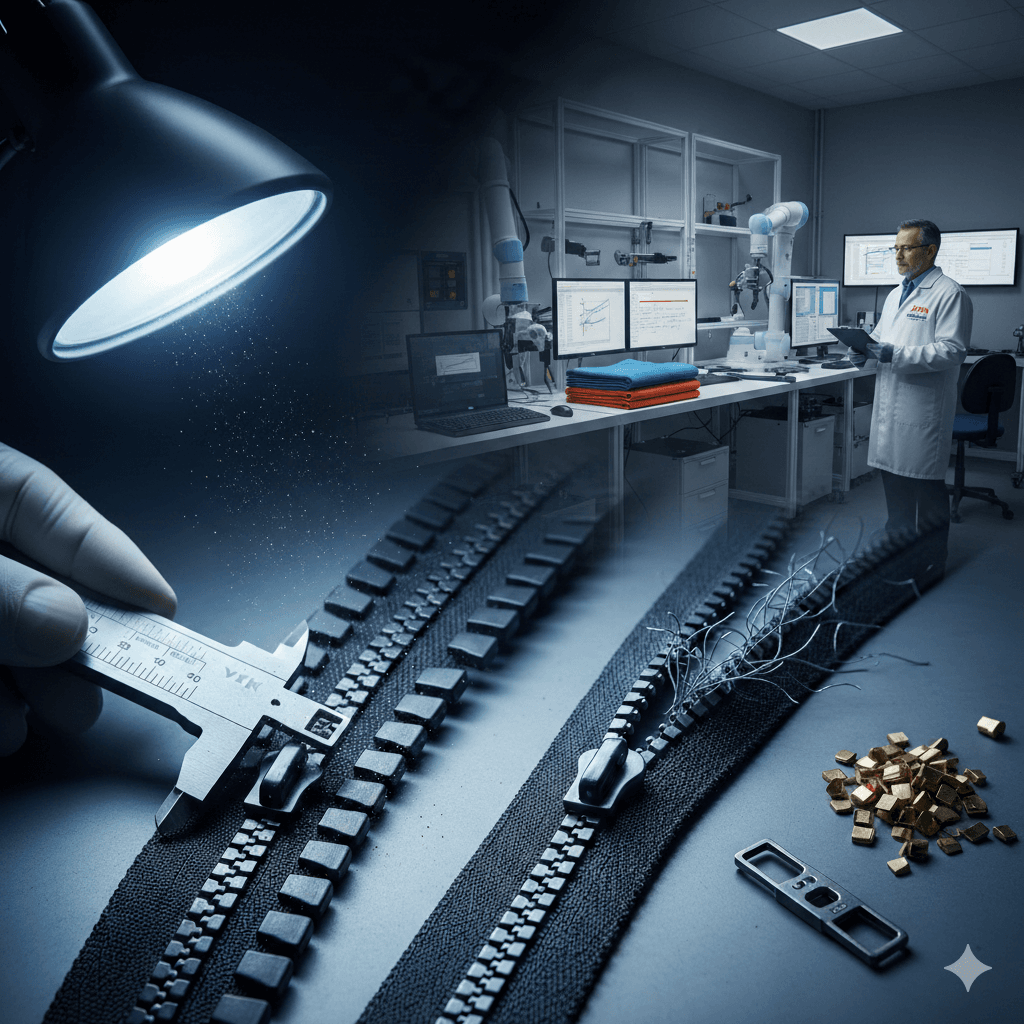 Why Zippers Fail (and How We Prevent It): The Engineering of Closure Reliability2026年2月4日In the hierarchy of industrial garment components, the […]
 The Anatomy of a Seam: Engineering Durability at the Needle Point2026年2月4日In the world of industrial workwear, the fabric gets all […]
 Future Lab PPE Trends: The Convergence of Lightweight Protection & Sustainability2026年1月28日In the sterile corridors of pharmaceutical R&D, biotech […]
 Chemical Protection Classes A/B/C: The Definitive Guide to Risk-Based PPE Selection2026年1月28日In the hazardous materials (HazMat) industry, […]
 Freezer Gloves & Boots Trends: The Intersection of Thermal Physics and Grip Technology2026年1月28日In the unforgiving environment of a -30°C cold storage […]